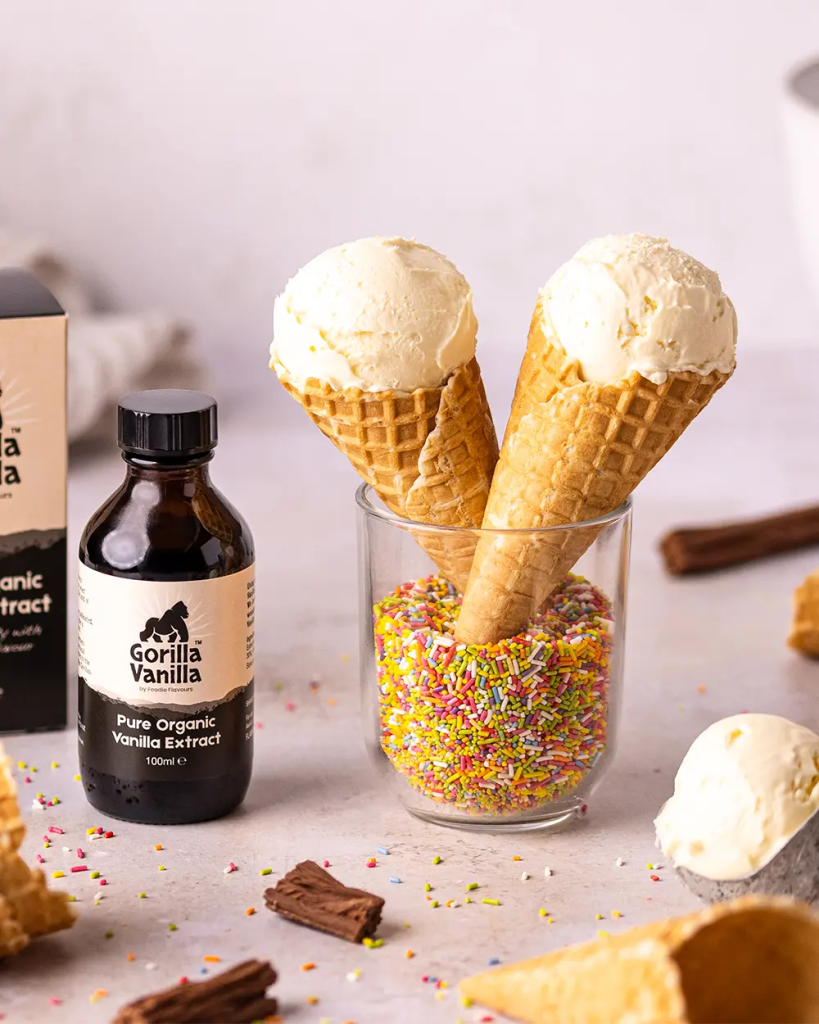
Craving a sweet treat that’s both delicious and healthy? Imagine enjoying creamy, flavorful ice cream made from all-natural ingredients you trust.
Making organic ice cream at home is easier than you think, and it puts you in control of every bite. Whether you want to avoid artificial additives or simply love fresh flavors, this guide will show you how to create your own perfect scoop.
Ready to discover the simple steps to your new favorite dessert? Keep reading, and let’s get started!
Choosing Organic Ingredients
Creating delicious organic ice cream starts with choosing the right ingredients. Your selection will not only affect the taste but also the nutritional value of your homemade treat. Making informed choices can transform your ice cream into a healthy indulgence.
Selecting Organic Dairy And Alternatives
The foundation of any good ice cream is the dairy you use. Opt for organic milk and cream to avoid pesticides and hormones. If you’re vegan or lactose-intolerant, organic almond, coconut, or oat milk can be excellent alternatives. These options provide a creamy texture and are often fortified with essential nutrients. Have you ever tried making ice cream with coconut milk? It adds a subtle tropical twist that many find irresistible.
Picking Natural Sweeteners
Sugar is a crucial component in ice cream, but not all sweeteners are created equal. Organic cane sugar is a popular choice, but you can also consider honey, maple syrup, or agave nectar for a richer flavor profile. These options not only sweeten but also add unique nuances to your ice cream. Ever considered using honey from your local farmers’ market? Supporting local and enjoying authentic flavors is a win-win!
Incorporating Fresh Fruits And Flavors
Fresh fruits can elevate your ice cream from simple to sensational. Choose organic berries, bananas, or mangoes to add natural sweetness and vibrant color. Herbs like mint or basil can offer a refreshing twist. Mixing in fresh or dried lavender can give your ice cream a fragrant, gourmet edge. Which flavor combination will you experiment with next?
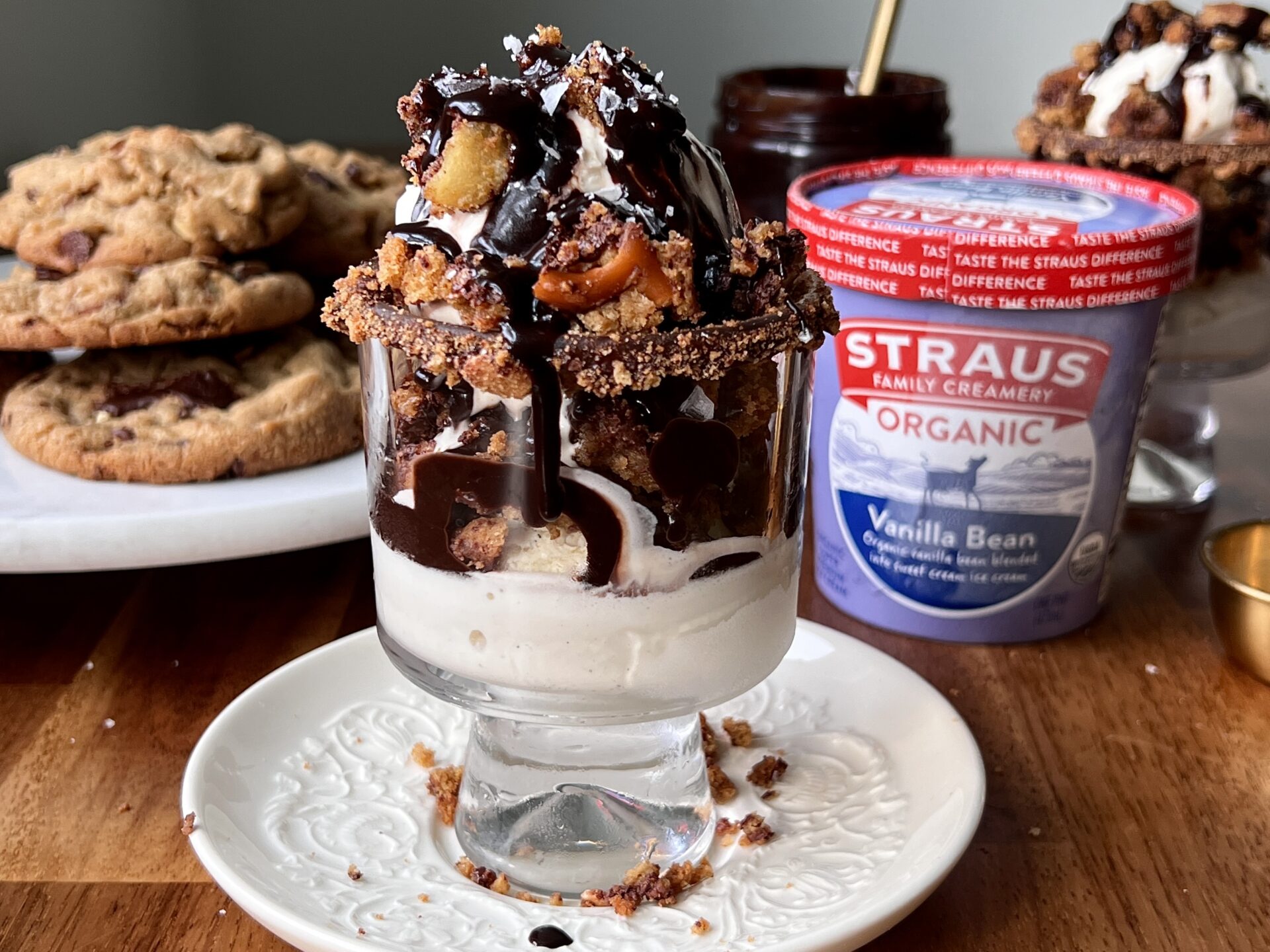
Credit: www.strausfamilycreamery.com
Essential Equipment For Homemade Ice Cream
Making organic ice cream at home is a delightful experience that becomes even better with the right tools. Having the essential equipment not only simplifies the process but also ensures a creamy, smooth texture every time. Let’s look at what you truly need to create your own delicious frozen treat.
Ice Cream Makers And Alternatives
An ice cream maker is the star of the show for most home ice cream recipes. These machines churn your mixture while freezing it, preventing ice crystals from forming and giving you that perfect creamy consistency. If you’re serious about homemade ice cream, investing in an electric or manual ice cream maker is worthwhile.
However, don’t worry if you don’t have one. You can still make ice cream using alternatives like a sturdy freezer-safe container combined with regular stirring. Using a sealed bag method, where you shake the mixture inside a bag with ice and salt, works surprisingly well too. Have you ever tried these simpler methods? They can be fun and rewarding, especially if you like a hands-on approach.
Mixing And Freezing Tools
Beyond the ice cream maker, some basic tools can make your process smoother. A good mixing bowl, preferably stainless steel or glass, keeps your ingredients cool and makes mixing easier. Whisks and spatulas are essential for blending ingredients evenly without overworking the mixture.
When it’s time to freeze, a flat, shallow container helps the mixture freeze quickly and evenly. Don’t forget a fine mesh sieve if you want to remove any lumps or bits for an ultra-smooth texture. And a reliable thermometer can be a secret weapon to check if your base has reached the right temperature before freezing.
What equipment do you already have in your kitchen that could double as ice cream tools? Sometimes, the best discoveries come from creative reuse!
Basic Organic Ice Cream Recipe
Making your own organic ice cream at home is simpler than you might think. It gives you full control over the ingredients, ensuring every scoop is natural and delicious. Let’s break down the basic recipe so you can enjoy fresh, creamy organic ice cream anytime.
Preparing The Cream Base
Start with fresh organic cream and whole milk for a rich texture. Use organic sugar or natural sweeteners like honey or maple syrup to keep it wholesome. Whisk these together gently until the sugar dissolves completely.
Next, add organic vanilla extract or any flavoring you prefer. Have you ever noticed how the quality of your base affects the final taste? That’s why using organic ingredients makes such a difference.
Churning And Freezing Techniques
Churning is key to smooth, creamy ice cream. If you have an ice cream maker, pour the cream base in and let it churn according to the machine’s instructions. Don’t rush this step; slow and steady creates better texture.
No ice cream maker? No problem. Pour the mixture into a shallow container and freeze. Stir vigorously every 30 minutes to break up ice crystals. Repeat this for about 2-3 hours until you get that perfect consistency.
How often do you think about the freezing process affecting your ice cream’s creaminess? With these simple techniques, you’ll see how small actions lead to big flavor rewards.
Dairy-free Organic Ice Cream Options
Dairy-free organic ice cream options open up a world of creamy, delicious treats without any animal products. These choices are perfect for those with lactose intolerance, vegan lifestyles, or anyone wanting to reduce dairy intake. You can easily create rich and satisfying ice cream using natural, plant-based ingredients that nourish your body and delight your taste buds.
Using Coconut And Almond Milk
Coconut milk is a fantastic base for dairy-free organic ice cream. Its high fat content creates a smooth, creamy texture similar to traditional ice cream. The natural sweetness and subtle coconut flavor add depth without needing extra sugar.
Almond milk offers a lighter, nutty taste that works well with fresh fruit or chocolate flavors. It’s lower in fat, so blending it with a bit of avocado or cashew butter can boost creaminess. You can find organic versions of both milks at health stores, ensuring you avoid additives and preservatives.
Here’s a simple tip: chill your plant milk thoroughly before churning. This helps improve the final texture and prevents iciness. Have you tried mixing coconut and almond milk to balance richness and lightness? It’s a game changer for texture.
Flavor Variations For Vegan Recipes
Flavor is where you can get creative with dairy-free ice cream. Classic vanilla or chocolate are always crowd-pleasers, but why not experiment with unexpected ingredients? Adding spices like cinnamon or cardamom can elevate the taste without extra calories.
Try blending in fresh berries, mango, or even roasted nuts for a crunchy contrast. A splash of organic maple syrup or agave can add natural sweetness while keeping it vegan. Don’t hesitate to add a pinch of sea salt—it enhances all the flavors beautifully.
Have you considered using herbs like mint or basil? These fresh flavors can surprise and delight your palate. What’s your favorite non-dairy ice cream flavor combination to share with friends?
Adding Natural Flavors And Mix-ins
Adding natural flavors and mix-ins makes organic ice cream exciting and unique. These ingredients enhance taste and texture without artificial additives. Choose fresh and wholesome options to keep your ice cream pure and delicious.
Incorporating Organic Fruits
Organic fruits bring natural sweetness and vibrant colors. Use berries, mangoes, or peaches for bright flavors. Chop or puree fruits before folding them into the ice cream base. Freeze fruits first to avoid adding extra water. This keeps the texture creamy and smooth.
- Use ripe, organic fruits for the best taste.
- Puree fruits for a smooth swirl effect.
- Add chopped fruits for a chunky texture.
- Freeze fruit pieces before mixing to prevent ice crystals.
Using Nuts, Seeds, And Herbs
Nuts and seeds add crunch and healthy fats. Almonds, walnuts, and sunflower seeds work well. Toast nuts gently to boost their flavor. Fresh herbs like mint or basil bring a fresh twist. Chop herbs finely and add a small amount to avoid overpowering the ice cream.
- Choose raw or roasted organic nuts for texture.
- Use seeds like chia or flax for nutrition and crunch.
- Add herbs sparingly for subtle flavor notes.
- Mix nuts and herbs after the ice cream is mostly frozen.
Tips For Creamy Texture Without Additives
Creating organic ice cream without additives can be a rewarding challenge. The secret to achieving that rich, creamy texture lies in mastering a few key techniques. These tips help you enjoy pure, natural ice cream that feels just as indulgent as store-bought versions.
Balancing Fat And Sweetness
Fat plays a huge role in creaminess. Using whole organic milk or cream adds the smooth mouthfeel you want. Too little fat makes the ice cream icy and hard, while too much can feel greasy.
Sugar isn’t just for sweetness—it also affects texture. It lowers the freezing point, helping the ice cream stay soft. Experiment with natural sweeteners like organic honey or maple syrup to find the right balance for your taste.
Have you noticed how some homemade ice creams melt too fast or feel icy? Adjusting fat and sugar levels can fix that. Try starting with a mix of 14-16% fat and 14-20% sugar by weight to get a creamy base.
Avoiding Ice Crystals
Large ice crystals ruin smooth ice cream. Stirring frequently while freezing breaks up crystals and keeps the texture fine. If you don’t have an ice cream maker, try stirring every 30 minutes during freezing.
Adding a small amount of alcohol can help prevent crystals because it lowers the freezing point. A tablespoon of organic vodka or fruit liqueur can make a difference without affecting flavor much.
Another trick is to chill your ice cream mixture thoroughly before freezing. Cold mixtures freeze faster, reducing crystal size. How often do you stir or check your ice cream while it freezes? Try increasing the frequency and see the difference.
Storing And Serving Organic Ice Cream
Storing and serving your homemade organic ice cream correctly ensures it tastes as fresh and creamy as the moment you made it. You want to maintain its texture and flavor while preventing ice crystals from forming. How you freeze and present your ice cream can make all the difference in enjoying every scoop.
Proper Freezing Techniques
Use an airtight container to store your ice cream. This prevents it from absorbing other odors and protects it from freezer burn.
Place a piece of plastic wrap directly on the surface of the ice cream before sealing the container. This simple trick minimizes ice crystals and keeps the ice cream creamy.
Set your freezer temperature to around -10°F (-23°C) for optimal storage. Too cold can harden the ice cream excessively, while warmer temperatures cause melting and refreezing, which affects texture.
Allow the ice cream to soften slightly at room temperature for 5 to 10 minutes before scooping. This makes serving easier and preserves the smooth texture.
Creative Serving Ideas
Try serving your organic ice cream with fresh fruit toppings like sliced strawberries, blueberries, or mango chunks. The natural sweetness complements the pure flavors of your ice cream.
Sprinkle nuts such as toasted almonds or walnuts for a crunchy contrast. This adds texture and enhances the overall experience.
Consider drizzling organic honey or homemade fruit syrups over the ice cream. These natural sweeteners add depth without overpowering the flavor.
Use edible flowers or fresh mint leaves for a visually appealing and aromatic touch. Presentation can elevate your homemade treat to a special occasion dessert.
Have you tried serving your ice cream in a waffle cone or homemade cookie bowl? These creative containers add fun and flavor, making every scoop memorable.
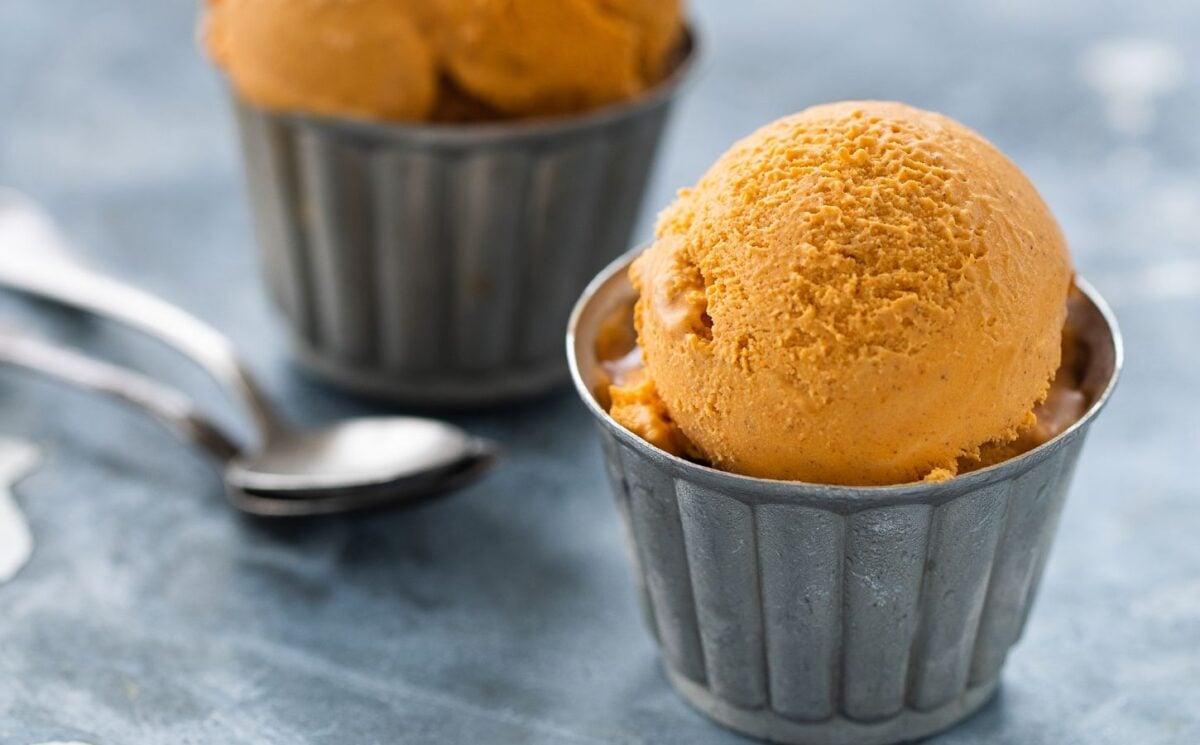
Credit: plantbasednews.org
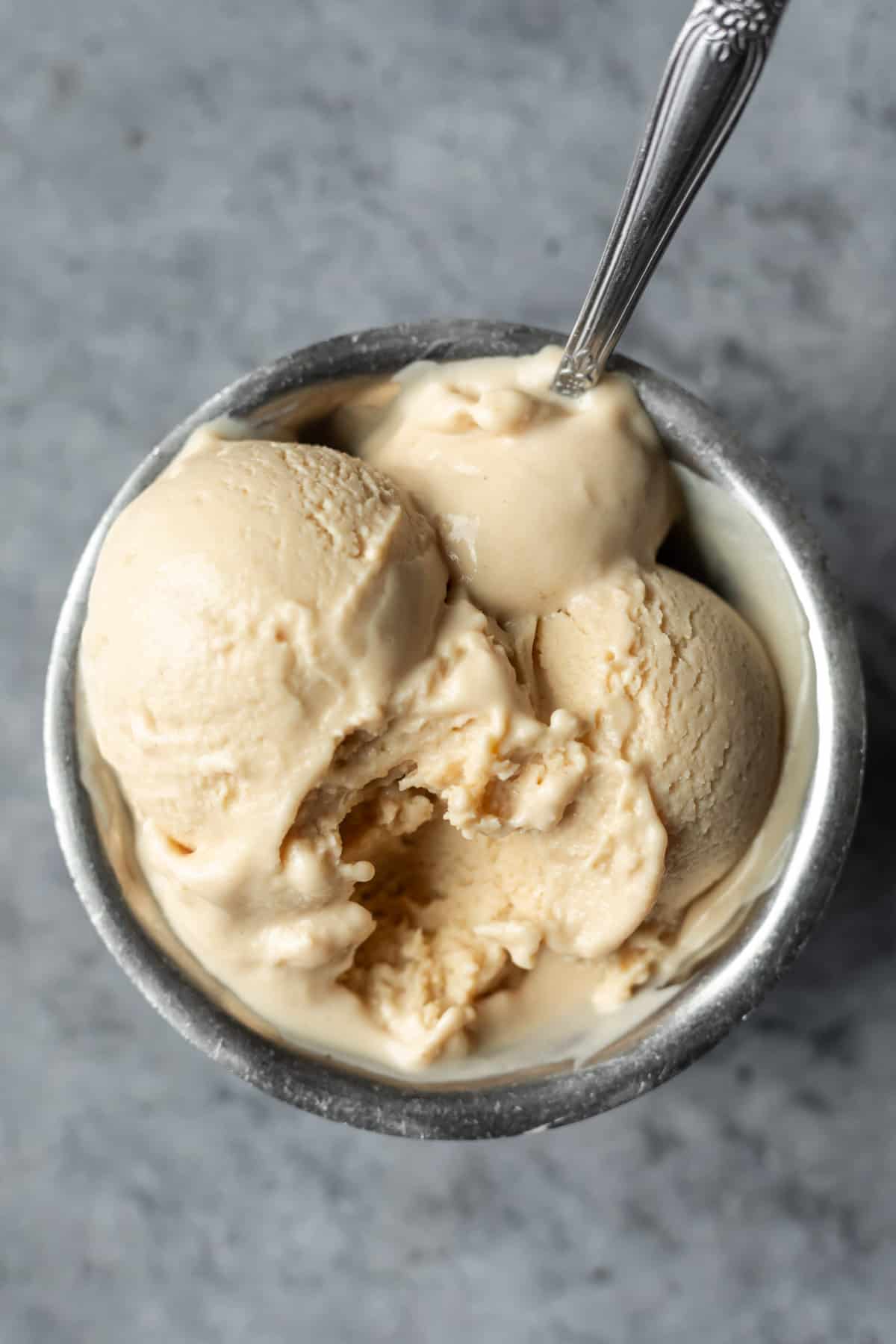
Credit: myquietkitchen.com
Frequently Asked Questions
What Ingredients Are Needed For Organic Ice Cream?
Organic ice cream requires organic milk, cream, sugar, and natural flavorings. Use certified organic products for best quality and taste. Fresh organic fruits or nuts can enhance flavor naturally.
How Do I Make Organic Ice Cream At Home?
Combine organic milk, cream, and sugar. Heat gently, add flavors, then chill the mixture. Use an ice cream maker or freeze while stirring regularly until creamy.
Can I Use Organic Sweeteners Instead Of Sugar?
Yes, organic sweeteners like honey, maple syrup, or coconut sugar work well. Adjust sweetness to taste and ensure they are certified organic for purity.
How Long Does Homemade Organic Ice Cream Last?
Store homemade organic ice cream in an airtight container. It stays fresh for about 1-2 weeks in the freezer without losing flavor or texture.
Conclusion
Making organic ice cream at home is simple and fun. Fresh ingredients create a tasty, healthy treat. You control what goes into every scoop. No chemicals or artificial flavors here. Enjoy the natural sweetness and creamy texture. Sharing homemade ice cream brings joy to family and friends.
Try different fruits and flavors to keep it exciting. Start your organic ice cream journey today. Delicious, wholesome dessert is just a recipe away.