Have you ever wondered if your brakes can actually freeze? It’s a question that might not cross your mind until you’re faced with icy roads or freezing weather.
But understanding what happens to your brakes in cold conditions is crucial for your safety. If you want to know how freezing temperatures affect your braking system and what you can do to stay safe, keep reading. This simple knowledge could save you from unexpected trouble on the road.
How Brakes Work
Brakes can freeze in very cold weather if moisture inside them turns to ice. This stops the brakes from working properly. Regular checks help prevent brake freezing and keep driving safe.
Understanding how brakes work is essential for every driver. Imagine you’re cruising down a snowy road, and suddenly, the fear that your brakes might freeze crosses your mind. Knowing the intricacies of your vehicle’s braking system can dispel such fears and even prevent potential mishaps.Types Of Brake Systems
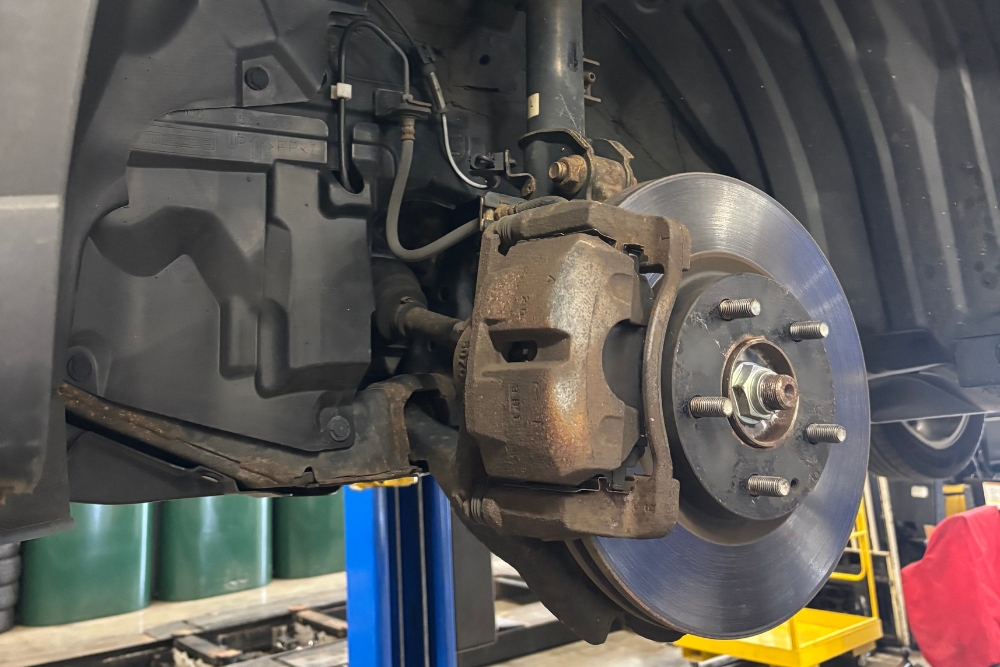
Brake systems come in different types, with the most common being disc brakes and drum brakes. Disc brakes use a rotor and caliper to create friction and stop the vehicle, while drum brakes use a drum and brake shoes. Each type has its advantages, and understanding them can help you maintain your vehicle better.Brake Components And Their Roles
Brakes consist of several key components, each playing a crucial role in stopping your car. These include the brake pedal, master cylinder, brake lines, and the braking mechanism itself, such as calipers or shoes. Each part must work in harmony to ensure your safety. Ever noticed how your vehicle responds when you press the brake pedal? That’s the master cylinder at work, pushing brake fluid through the lines to the braking mechanism. If any component fails, it can affect your braking ability. Regular maintenance of these components can prevent unexpected failures. Have you checked your brake fluid lately? Keeping it at the right level ensures optimal performance. By understanding your brake system, you’re not just being a responsible driver, but you’re also ensuring your safety on the road. Are you ready to take a closer look at your vehicle’s brakes?What Causes Brake Freezing
Brake freezing happens when parts of the brake system become stuck or unresponsive in cold conditions. It can cause brakes to feel stiff or fail to work properly. Several factors contribute to this issue, especially in harsh winter weather. Understanding these causes helps keep brakes safe and effective.
Impact Of Cold Weather
Cold weather makes brake components contract and stiffen. Metal parts can shrink, causing tight spaces and less movement. Cold temperatures also slow down the brake fluid, making it less effective. Ice can form on brake pads and discs, locking parts in place. These effects combine to increase the chance of brake freezing.
Moisture And Its Effects
Moisture plays a big role in freezing brakes. Water can enter brake parts through tiny openings. When temperatures drop, this water freezes and expands. Ice buildup stops brake pads from moving freely. Moisture can also cause rust, which makes parts stick together. Preventing water entry and drying brakes helps avoid freezing.
Role Of Brake Fluid
Brake fluid is vital for brake function. It transfers force from the pedal to the brakes. Brake fluid can absorb moisture over time. This lowers its freezing point and causes ice inside brake lines. Old or contaminated fluid worsens freezing risks. Regular brake fluid checks and changes keep the system working well.
Signs Of Frozen Brakes
Frozen brakes can be dangerous and affect your vehicle’s stopping power. Recognizing the signs early helps prevent accidents and costly repairs. Below are clear signs that your brakes might be frozen.
Unusual Brake Response
Your brakes may not respond as expected. Pressing the pedal might feel different or delayed. The car could take longer to slow down or stop. This unusual behavior signals possible brake freezing.
Noise And Resistance
Listen for strange sounds when braking. Grinding, squeaking, or scraping noises can occur. You might also feel resistance when pressing the brake pedal. These noises and sensations often mean ice has formed inside the brake system.
Brake Pedal Behavior
The brake pedal may feel stiff or stuck. It might not return smoothly after pressing. Sometimes, the pedal stays down or becomes hard to push. These are common signs your brakes are frozen and need attention.
Credit: schmidtautocare.com
Risks Of Driving With Frozen Brakes
Driving with frozen brakes can be very dangerous. Ice or frozen water can stop the brake parts from working properly. This problem can lead to serious risks for drivers and passengers. Knowing the dangers helps you avoid accidents and costly repairs.
Safety Hazards
Frozen brakes can cause sudden loss of stopping power. This makes it hard to slow down or stop the car on time. Slippery roads plus frozen brakes increase the chance of accidents.
Brake failure can lead to collisions with other vehicles or objects. You may not control the car well in emergencies. This puts you, passengers, and others at risk.
Damage To Brake Components
Ice inside the brake system causes parts to stick or break. Frozen brake pads and discs wear out faster. This can lead to costly repairs or replacement.
Repeated freezing and thawing can crack brake lines or seals. Water trapped in the system can cause rust and corrosion. Damaged parts reduce brake efficiency and safety.
Preventing Brake Freezing
Preventing brake freezing is essential for safe driving in cold weather. Frozen brakes can cause delays and dangerous situations on the road. Taking simple steps helps keep brakes working smoothly during winter months. Regular care and smart habits reduce the risk of brake freezing and protect your vehicle.
Proper Maintenance Tips
Check brake fluid regularly to avoid moisture build-up. Moisture can freeze and block brake lines. Inspect brake pads and rotors for wear and damage. Replace worn parts promptly to ensure proper function. Clean brakes to remove dirt and salt that cause corrosion. Test brakes often, especially before cold weather arrives. Keep your brake system in good condition to prevent freezing.
Storage And Parking Advice
Park your vehicle in a garage or covered area. Shelter reduces exposure to snow and ice. Avoid parking on wet surfaces that can freeze overnight. Choose flat ground to prevent brake pressure from building. If no garage is available, use a car cover to protect brakes. Move the vehicle occasionally to prevent brakes from sticking. These steps help minimize brake freezing risks.
Using Brake Covers And Lubricants
Brake covers shield brake parts from ice and snow. Use covers designed for your vehicle’s brakes. Apply brake-safe lubricants on moving parts to prevent moisture buildup. Avoid over-lubrication, which can attract dirt and cause problems. Use products recommended by brake manufacturers. Proper use of covers and lubricants keeps brakes free and functional in cold weather.

Credit: www.fleetequipmentmag.com
What To Do If Brakes Freeze
Discovering that your brakes have frozen can be alarming, especially when you need to rely on them for safety. Knowing what to do immediately and when to call for expert help can prevent damage and keep you safe. Let’s break down practical steps to handle frozen brakes effectively.
Immediate Actions
If your brakes freeze, don’t panic. First, try to gently rock your vehicle back and forth to help break any ice buildup around the brake components.
Avoid slamming the brakes or accelerating suddenly, as this can worsen the situation or cause you to lose control. Instead, warm the brakes gradually by driving slowly in a safe, open space.
You can also use warm water to melt ice on the brake parts, but be cautious not to pour boiling water, which can cause damage or sudden expansion. A simple lukewarm water rinse can often do the trick.
Do you carry a small spray bottle with warm water or de-icer in your car during winter? It might save you from a frozen brake emergency.
When To Seek Professional Help
If your brakes remain unresponsive after warming attempts, it’s time to get professional help. Persistent freezing can indicate deeper issues like fluid problems or damaged brake lines.
Also, if you notice unusual noises, uneven brake response, or warning lights on your dashboard, don’t wait. These signs often require expert diagnostics and repair to ensure your brakes work safely.
Remember, driving with compromised brakes increases your risk of accidents. A trusted mechanic can check for corrosion, fluid leaks, or frozen calipers that you can’t fix on your own.
Have you ever faced a brake freeze that you couldn’t resolve yourself? Sharing your experience might help others understand when it’s critical to seek professional advice.
Myths About Brake Freezing
Brake freezing is a topic that sparks a lot of debate among drivers, especially during cold weather. Many people believe that brakes can literally freeze, leaving them unsafe or unusable. It’s important to separate what’s true from what’s just a myth to keep your vehicle safe and your mind at ease.
Common Misconceptions
One common misconception is that your brake pads or discs can freeze solid like ice. This is not exactly true, as these parts are made from materials that don’t freeze in typical winter temperatures. However, moisture can cause issues like rust or ice buildup on the brake rotors, which might affect performance temporarily.
Another myth is that your brakes will stay locked if they freeze. In reality, brakes are designed with safety features to prevent this. If you ever notice your brakes feeling “stuck” after a cold night, it’s usually due to ice or debris rather than the brakes themselves freezing solid.
Facts Vs Fiction
Fiction: Brakes freeze and make your car impossible to stop.
Fact: What freezes is usually the moisture around the brake components, not the brakes themselves. This can cause temporary stiffness, but it doesn’t mean your brakes won’t work.
Fiction: You should avoid using your brakes in freezing conditions to prevent damage.
Fact: Regular use of brakes actually helps keep them dry and prevents ice buildup. Driving gently and braking lightly can help keep your brakes in good shape during cold weather.
Have you ever experienced a sudden brake issue on a frosty morning? Most likely, it was related to ice or moisture, not frozen brakes. Understanding these facts helps you react calmly and maintain your vehicle properly instead of panicking or avoiding driving altogether.

Credit: www.reddit.com
Frequently Asked Questions
Can Car Brakes Actually Freeze In Cold Weather?
Yes, car brakes can freeze when moisture accumulates and temperatures drop below freezing. Ice forms on brake components, reducing effectiveness and causing stiffness in the brake pedal. This typically happens after washing your car or driving through water in freezing conditions.
How Do Frozen Brakes Affect Vehicle Safety?
Frozen brakes reduce braking efficiency and increase stopping distance. They can cause the brakes to feel stiff or unresponsive. This creates a serious safety hazard, especially on icy or slippery roads. Always check brakes in cold weather before driving.
What Causes Brakes To Freeze In Winter?
Brakes freeze due to moisture or water trapped in brake parts. When temperatures drop, this water turns to ice, causing brake components to stick or seize. Poor drainage or damaged seals can worsen the problem. Regular maintenance helps prevent freezing issues.
How Can You Prevent Your Brakes From Freezing?
Keep your car dry and avoid driving through deep water in freezing weather. Use garage parking or cover your vehicle to reduce moisture exposure. Regular brake inspections and maintenance help detect problems before freezing occurs.
Conclusion
Brakes can freeze in very cold or wet conditions. This can make stopping hard and unsafe. Keep your car in a dry, warm place if possible. Check your brakes often during winter months. Use your car gently to avoid damage.
Stay alert for any strange sounds or feelings when braking. Taking care of your brakes helps keep you safe on the road. Don’t ignore any brake problems, no matter how small. Simple steps can prevent brake freezing and accidents. Stay safe and drive carefully in cold weather.