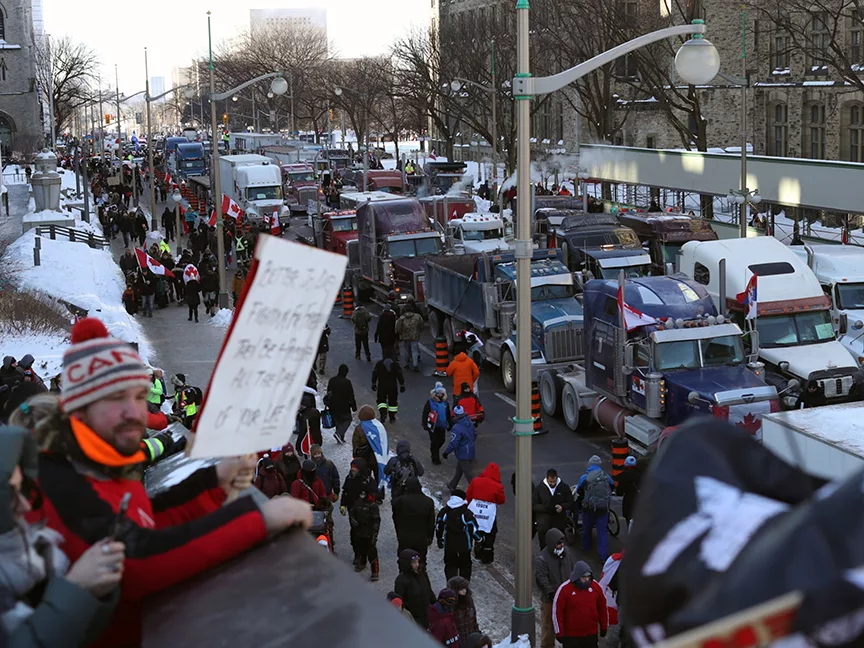
Have you ever wondered why the government might suddenly freeze your assets? It’s a question that can cause real concern.
When your money or property is locked down, it feels like everything stops. But understanding the reasons behind these actions can help you stay prepared and protect what’s yours. You’ll discover the common causes for asset freezes and what they mean for you.
Keep reading to learn how to respond and avoid surprises that could impact your financial life.
Legal Grounds For Asset Freezing
Asset freezing is a legal tool used by governments. It prevents individuals from accessing their financial assets. This action is not taken lightly. There must be valid legal reasons for freezing assets. Below are some common legal grounds.
Criminal Investigations
Authorities may freeze assets during criminal investigations. This ensures evidence is preserved. It prevents suspects from using their assets to flee. Asset freezing helps in collecting fines or restitutions later. Protecting the public interest is key here.
Money Laundering Cases
Money laundering involves concealing illegal funds. Governments freeze assets to stop this activity. It makes it harder for criminals to hide their money. Blocking access to these funds disrupts illegal operations. This measure supports financial system integrity.
Fraud And Corruption
Fraud and corruption harm societies. Freezing assets is a way to fight back. It prevents further misuse of stolen funds. Authorities can track and recover assets efficiently. Asset freezing is crucial in restoring justice and order.

Credit: www.ifrahlaw.com
National Security Concerns
National security concerns often prompt governments to freeze assets as a way to protect citizens and maintain stability. When authorities suspect that funds or properties might threaten the safety of a country, they take swift action to prevent harm. Understanding these concerns helps you see why asset freezes are a critical tool in safeguarding national interests.
Counterterrorism Measures
Governments freeze assets to stop terrorists from accessing money that could fund attacks. By cutting off financial support, they make it harder for dangerous groups to operate. Imagine if a terrorist cell suddenly lost access to millions; their ability to plan and execute attacks would be severely limited.
This approach isn’t just theoretical. In several cases, asset freezes have disrupted planned attacks by targeting the financial networks behind them. Have you ever wondered how agencies pinpoint these funds before harm occurs? It involves careful monitoring and international cooperation.
Sanctions And Embargoes
Freezing assets is a powerful way to enforce sanctions and embargoes against nations or groups violating international laws. When a country breaks rules, freezing its assets pressures leaders to change behavior without immediate military action. This method shows how money controls political decisions on a global scale.
Consider how freezing assets of a rogue state can limit its ability to buy weapons or fund aggressive policies. This financial restriction often pushes governments toward negotiation and compliance. What would happen if such financial tools didn’t exist?
Preventing Terror Financing
Freezing assets helps stop the flow of money that supports terrorism at its roots. Terrorist groups rely on various funding sources, including donations, illegal trade, and money laundering. By freezing suspicious assets, authorities choke off these sources.
Think about the complexity behind tracking these funds and how freezing them forces criminals to find riskier, less reliable ways to move money. This increases their chances of getting caught. How would your community be safer knowing such financial barriers are in place?
Protecting Public Interest
Governments freeze assets to protect the public interest. This action helps maintain trust and safety in the economy. It stops harm before it spreads to innocent people and the nation’s financial health. By freezing assets, authorities ensure fairness and stability in society.
Safeguarding Consumer Rights
Freezing assets can stop companies from misusing customer money. It protects consumers from fraud and scams. This measure prevents businesses from hiding or stealing funds. Consumers gain confidence knowing the government acts to defend their rights.
Preventing Economic Instability
Asset freezes help avoid large financial crises. They stop risky behavior that could harm the economy. By acting quickly, governments prevent market panic. This keeps businesses and banks stable, saving jobs and savings.
Preserving Government Funds
Freezing assets protects public money from misuse or theft. It ensures funds meant for public services stay secure. This action helps governments recover money lost to corruption or crime. Preserved funds support essential programs and community needs.
International Cooperation
International cooperation plays a vital role in the government’s decision to freeze assets. Criminal activities often cross borders, making it hard for one country to act alone. Countries work together to trace and freeze assets linked to illegal actions. This teamwork helps stop criminals from hiding money in foreign banks or using global networks to hide their wealth.
Cross-border Asset Freezes
Assets can be held in many countries. Governments need to coordinate with foreign authorities to freeze these assets effectively. Sharing information quickly helps track down funds moved across borders. It prevents criminals from escaping justice by shifting money overseas. This cooperation ensures that freezing orders are respected internationally.
Compliance With Global Regulations
Many countries follow global rules to fight money laundering and terrorism financing. These rules create standards for freezing assets. Governments comply with these regulations to maintain trust and cooperation worldwide. Following global laws helps avoid conflicts between countries. It also promotes fair and transparent actions against illegal funds.
Mutual Legal Assistance
Mutual legal assistance treaties allow countries to support each other legally. Through these treaties, governments request help in investigating crimes or freezing assets abroad. The process includes exchanging evidence and legal documents. This assistance speeds up investigations and strengthens law enforcement efforts. It bridges legal gaps between different jurisdictions.
Consequences Of Asset Freezing
Freezing assets can have far-reaching effects that extend well beyond the immediate restriction of funds. Understanding these consequences is crucial whether you’re an individual facing such action or a business caught in the crossfire. The impact touches financial stability, legal rights, and the overall ability to function normally.
Impact On Individuals And Businesses
When assets are frozen, individuals often experience sudden cash flow problems. Paying bills, covering daily expenses, or funding essential needs becomes challenging without access to their money.
Businesses face even bigger hurdles. Operations can stall, payroll may be delayed, and suppliers could lose confidence. Imagine trying to run a company when your bank accounts are locked — growth grinds to a halt, and reputations can suffer.
Have you ever wondered how a small delay in funds could ripple into a major crisis? Asset freezing turns this hypothetical into reality.
Legal Recourse And Challenges
Challenging a government’s decision to freeze assets isn’t straightforward. Legal processes can be complex, costly, and time-consuming, leaving you stuck in limbo.
Often, proving your innocence or the legitimacy of your assets requires detailed documentation and expert legal help. Even then, courts may prioritize the state’s interest over individual claims, making the path to release difficult.
What options would you pursue if your financial freedom was suddenly restricted? Understanding the legal landscape helps you prepare and respond effectively.
Duration And Release Of Assets
The length of time assets remain frozen varies widely. Some cases resolve in weeks, while others drag on for months or even years depending on the complexity and legal challenges involved.
Release usually happens after investigations conclude or court orders are issued. However, conditions might be attached, such as ongoing monitoring or partial restrictions.
How would you manage your finances if you had no access to a significant portion of your wealth for an uncertain period? Planning for such uncertainty is vital to minimize disruption.

Credit: www.northrow.com
Credit: financialpost.com
Frequently Asked Questions
Why Does The Government Freeze Assets?
The government freezes assets to prevent illegal use or transfer of property. This action protects investigations and ensures legal compliance. It stops suspects from hiding or spending money during ongoing legal cases.
How Long Can Asset Freezing Last?
Asset freezing can last until the legal case concludes or until a court lifts the freeze. Duration depends on investigation complexity and case specifics. Some freezes may be temporary, while others extend for years.
What Types Of Assets Can Be Frozen?
Governments can freeze cash, bank accounts, real estate, vehicles, and investments. Any property linked to illegal activities or under investigation is subject to freezing. This action prevents asset disposal or concealment.
Can Frozen Assets Be Accessed Or Used?
No, frozen assets cannot be accessed, sold, or used until the freeze is lifted. This restriction ensures assets remain intact during investigations or legal proceedings.
Conclusion
Governments freeze assets to stop crime and protect public money. This action helps track illegal funds and prevent fraud. It also supports law enforcement in investigations. People should understand this process to avoid surprises. Knowing why assets get frozen brings clarity and trust.
Always stay informed about your rights and local laws. This knowledge can help you respond calmly if it happens. Asset freezing plays a key role in maintaining law and order. It balances security with fair treatment for everyone involved.