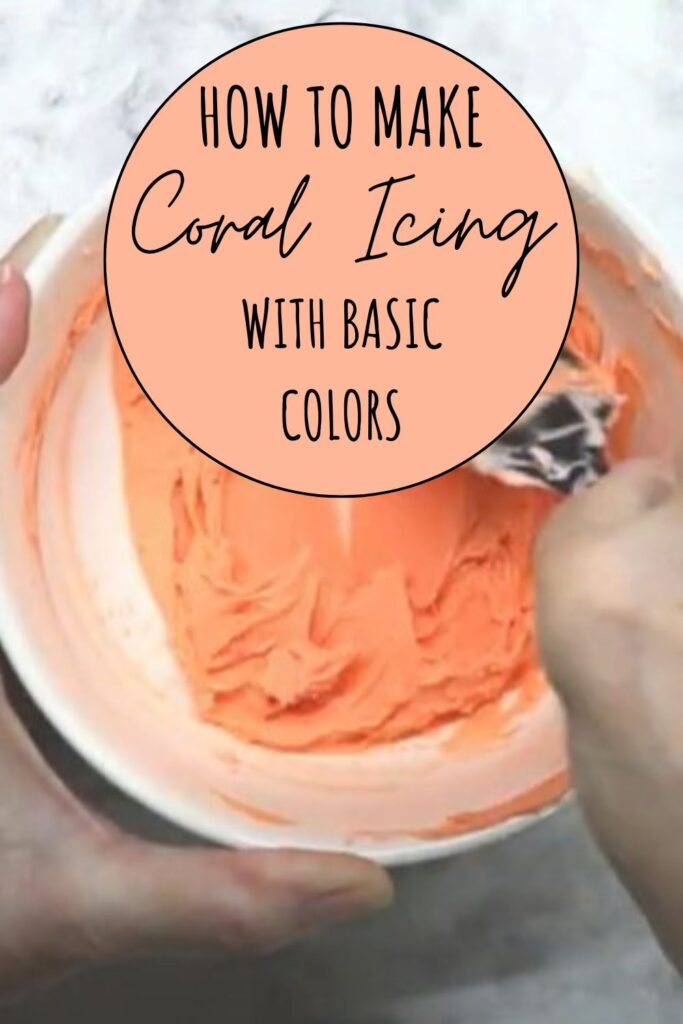
Are you ready to make your cupcakes and cakes stand out with a beautiful coral-colored icing? Getting the perfect coral shade can seem tricky, but once you know the simple steps, you’ll be able to create stunning desserts that catch everyone’s eye.
Imagine your treats glowing with a warm, inviting color that makes people want to take a bite instantly. Keep reading, and you’ll discover easy tips to mix colors just right, helping you achieve that perfect coral icing every single time.
Your baking will never look the same!

Credit: acaketorememberblog.com
Choosing The Right Base Icing
Creating coral-colored icing starts with choosing the right base. The base icing affects the final color and texture. For beginners, understanding the base icing is crucial. It can make or break your decorating project. Let’s explore the two main types of icing bases.
Buttercream Vs Royal Icing
Buttercream icing is creamy and smooth. It is easy to spread and perfect for cakes. Buttercream has a rich, buttery taste. It holds color well, making it ideal for coral icing. But it can be sensitive to heat. Royal icing, on the other hand, is firm and dries hard. It’s great for cookies and detailed decorations. Royal icing has a sweet, crisp finish. It can handle intricate designs. But it requires more precision in mixing and application.
Importance Of A White Base
Start with a white base for vibrant coral icing. A pure white base ensures true color results. It prevents color distortions. Mixing colors on an off-white base may dull the coral hue. Always aim for a neutral, white base to enhance vibrancy. It helps achieve the desired coral shade easily. White bases also offer a clean, bright canvas. This enhances the overall appearance of your icing.

Credit: acaketorememberblog.com
Selecting Coral Color Ingredients
Choosing the right ingredients for coral-colored icing is essential. The color must be vibrant yet soft. The balance of red, orange, and a hint of pink creates the perfect coral shade. Different ingredients affect the final look and taste of your icing.
Using Food Coloring Gels
Food coloring gels offer bright and consistent colors. They are easy to mix and control. Start with a small amount of red and orange gel. Gradually add pink or white to soften the tone. Gels do not change the icing’s texture. They are ideal for vibrant coral shades.
- Red gel for the base color
- Orange gel to add warmth
- Pink or white to lighten the mix
Use a toothpick to add color drop by drop. Stir well to see the true shade. Adjust until you get the perfect coral.
Natural Color Alternatives
Natural options offer a subtle, earthy coral tone. They are safe and healthier for sensitive eaters. Beet juice or powder gives a pinkish-red hue. Carrot juice adds a soft orange tint. Mix these with a touch of lemon juice or coconut milk to lighten the shade.
- Beet powder or juice for pink-red
- Carrot juice for a warm orange
- Lemon juice or coconut milk to soften color
Natural colors may need more mixing and testing. They can slightly change the icing’s flavor. Perfect for those wanting a gentle, organic look.
Mixing Colors For Coral
Mixing colors for coral icing is a creative process. Coral is a warm and inviting color. It blends red, orange, and pink tones. The right mix gives a soft yet vibrant coral shade. Small changes in color amounts can shift the look.
Combining Red, Orange, And Pink
Start with a base of white icing. Add a small drop of red to create a warm base. Mix in orange gradually to brighten the shade. Introduce a touch of pink to soften the color.
Use a toothpick or small spoon for precise drops. Mix well after each addition. This helps see the true color before adding more. Stop adding color when you reach a soft coral tone.
Adjusting Shades For Warmth Or Coolness
For a warmer coral, add more orange or red. This makes the color deeper and richer. To cool the coral, increase the pink slightly. A little blue or purple can also tone down warmth.
Test the icing color on a small plate. Let it dry to check the final shade. Adjust colors by adding tiny amounts. Coral shades vary, so find your perfect balance.
Step-by-step Coloring Process
Getting the perfect coral color for your icing involves more than just mixing red and orange. The step-by-step coloring process helps you control the shade, making it vibrant without overpowering. You’ll find that patience and careful mixing lead to a stunning coral that makes your baked goods pop.
Adding Small Amounts Gradually
Start with a white or cream-colored base for your icing. Add tiny drops of red food coloring first—less is more here. It’s easier to add more than to fix a color that’s too dark.
Next, introduce small amounts of orange to warm up the tone. If you want a softer coral, try a drop of yellow to brighten it slightly. Remember, coral isn’t just red-orange; it’s a delicate balance you build slowly.
Have you ever tried mixing a lot at once and ended up with a color that looked more like tomato sauce than coral? This gradual approach avoids that problem entirely.
Mixing Techniques For Even Color
Mix your icing thoroughly after each addition to see the true color develop. Use a spatula or spoon to fold the icing gently, avoiding air bubbles that can distort color.
Sometimes, stirring too fast or too hard can cause uneven patches. Slow, steady mixing ensures every part of your icing shares the same vibrant coral hue.
If you notice streaks or spots, keep mixing and give the color time to settle. Have you tried scraping the sides of your bowl mid-mix? It helps blend everything evenly and prevents surprises when you spread your icing.
Troubleshooting Color Issues
Getting the perfect coral color for your icing can sometimes be tricky. You might find your icing turning out too bright, too dull, too orange, or too pink. Troubleshooting these issues helps you adjust the colors precisely so your coral icing looks just right.
Fixing Too Bright Or Too Dull Tones
If your coral icing looks too bright, it might be because of too much red or pink food coloring. Try adding small amounts of white icing or a tiny bit of yellow to soften the brightness.
On the other hand, if the tone is too dull, it could mean your colors are too muted or you’ve added too much white. Adding a bit more red or pink food coloring in small drops can brighten the color without overwhelming it.
Always add color gradually. Too much at once can make corrections harder. Have you noticed that sometimes a tiny drop changes everything? Patience pays off here.
Correcting Overly Orange Or Pink Hues
If your coral icing leans too much toward orange, try mixing in a small amount of pink or red food coloring. This will balance out the orange and bring the color closer to coral.
When the icing turns too pink, adding a hint of yellow or orange can warm it up. Be careful with the amount; a little goes a long way.
Keep testing with small batches until you find the right balance. What if you could create a simple chart to track how much color you add each time? It might save you from repeated guesswork.
Tips For Maintaining Icing Consistency
Maintaining the right consistency in your coral colored icing is key to achieving that perfect look and texture on your baked goods. Too thick, and your icing might be hard to spread; too thin, and it could run off your cake or cookies. Getting this balance right ensures your creations not only look beautiful but also have that delightful mouthfeel.
Balancing Color And Texture
Adding color to your icing can sometimes change its texture. When you mix in coral food coloring, especially gel or paste types, it can thicken your icing unexpectedly.
If you notice your icing becoming too stiff, try adding a few drops of liquid (water, milk, or lemon juice) slowly until you reach the desired consistency. On the other hand, if your icing feels too runny after coloring, sprinkle in a bit more powdered sugar.
Ask yourself: Is the icing smooth enough to spread but still thick enough to hold shape? Test it on a spoon or spatula before applying to your dessert.
Storing Colored Icing Properly
Proper storage helps maintain your coral icing’s consistency and color vibrancy. Always store your icing in an airtight container to prevent it from drying out or forming a crust.
Keep it at room temperature if you plan to use it within a day. For longer storage, refrigerate it but allow it to come to room temperature before use, then stir well to restore smoothness.
Have you tried covering the surface of your icing with plastic wrap before sealing the container? This trick reduces air exposure and keeps your icing fresh and smooth longer.
Creative Uses For Coral Icing
Coral colored icing brings warmth and vibrancy to many baked treats. Its soft yet lively hue works well for a variety of creative decorating ideas. This color adds a fresh and inviting look that brightens any dessert table.
Using coral icing allows you to experiment with different styles and themes. It pairs nicely with other pastel colors or can stand out on its own. The versatility of coral makes it a favorite choice for many occasions.
Decorating Cakes And Cupcakes
Coral icing adds a charming touch to cakes and cupcakes. You can pipe delicate flowers or simple swirls for a pretty finish. It works great for ombre effects, blending from light to dark coral shades.
- Create floral patterns using coral and white icing.
- Use coral for borders or decorative dots.
- Make coral rosettes for cupcake tops.
- Combine coral with green for a fresh, garden look.
Coral icing also looks stunning on buttercream or fondant cakes. It gives a soft glow that fits many themes. Try coral accents on a white cake for a clean, elegant appearance.
Seasonal And Event Inspiration
Coral icing suits many seasons and special events. It brightens spring and summer celebrations with a lively, tropical feel. Use coral for birthday parties, bridal showers, or baby showers.
- Spring: Pair coral with soft pastels for a fresh look.
- Summer: Mix coral with bright yellows and blues for a beach vibe.
- Weddings: Use coral for romantic, warm cake decorations.
- Holidays: Coral fits well in Easter or Mother’s Day treats.
Seasonal fruit flavors like peach or strawberry also match coral icing well. Coral can bring excitement to any event’s dessert table with its unique, inviting shade.

Credit: www.youtube.com
Frequently Asked Questions
How Do You Mix Colors For Coral Icing?
To make coral icing, start with white icing as a base. Add small amounts of red and orange food coloring. Mix until you achieve a soft pinkish-orange shade. Adjust by adding more red or orange to deepen the coral color.
What Food Coloring Types Work Best For Coral Icing?
Gel food coloring works best for coral icing. It provides vibrant color without thinning the icing. Liquid colors can dilute consistency. Powdered colors also work but may need extra mixing to blend evenly.
Can Natural Food Dyes Create Coral Icing?
Yes, natural food dyes like beet juice and turmeric can create coral shades. Use beet juice for pink tones and a tiny turmeric pinch for orange. Mix carefully to avoid overpowering the taste or color.
How To Lighten Coral Icing Color Effectively?
To lighten coral icing, add small amounts of white icing or white food coloring. Mix thoroughly after each addition. Avoid adding water as it can affect icing consistency and texture.
Conclusion
Creating coral-colored icing is simple and fun. Start with white icing and add red and orange food colors. Mix slowly until you get the perfect shade. You can adjust the colors to make it lighter or darker. Use this icing to decorate cakes, cupcakes, or cookies.
Bright and cheerful, coral icing adds a fresh look to any dessert. Try it out and enjoy the creative process. Making your own colors saves money and adds a personal touch. Keep practicing, and you will get better every time.