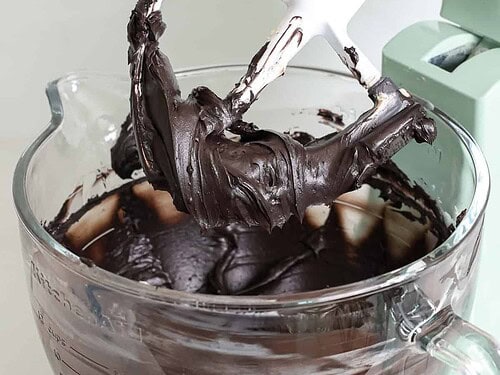
Are you struggling to get that perfect deep black shade for your chocolate icing? You’re not alone.
Many bakers find it tricky to make chocolate icing truly black without it tasting bitter or looking dull. But what if you could create rich, glossy black icing that stands out on any cake or cupcake? In this guide, you’ll discover simple, effective tricks to turn your chocolate icing jet black—without losing that delicious chocolate flavor.
Keep reading, and you’ll learn how to impress everyone with your stunning, professional-looking desserts.
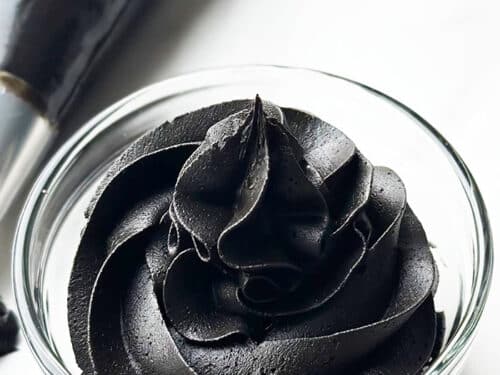
Credit: cakewhiz.com
Choosing The Right Cocoa Powder
Choosing the right cocoa powder can make a significant difference when you’re aiming to create black chocolate icing. This decision impacts not only the color but also the flavor of your icing. Understanding the types of cocoa powder available will help you achieve that deep, rich black hue while maintaining a delicious taste.
Natural Vs. Dutch-processed Cocoa
Cocoa powder typically comes in two forms: natural and Dutch-processed. Natural cocoa powder is more acidic and has a lighter color. It’s often used in recipes that call for baking soda to offset its acidity.
On the other hand, Dutch-processed cocoa is treated with an alkali, which neutralizes its acidity. This process results in a darker cocoa powder with a smoother, milder flavor. For black icing, Dutch-processed cocoa is usually the better choice due to its darker color.
Impact On Color And Flavor
The color of your icing is crucial, especially when aiming for black. Dutch-processed cocoa, with its deeper hue, can help achieve a closer-to-black color without needing excessive amounts of food coloring. This is particularly useful if you’re avoiding the bitter taste that can come from too much black dye.
Flavor is just as important as color. The smoother taste of Dutch-processed cocoa complements the sweetness of icing, providing a balanced flavor profile. However, if you prefer a more robust, tangy taste, natural cocoa can offer that, although it might require more color adjustment.
Have you ever tried using one type of cocoa and found your icing just wasn’t the right shade or flavor? Experimenting with both types can lead to surprising results, and sometimes blending them might give you the best of both worlds.
So, next time you’re making chocolate icing, think about what you’re aiming for in both color and taste. Choosing the right cocoa powder is a small but crucial step towards creating the perfect black chocolate icing. Your choice can turn a simple icing into an impressive, delicious masterpiece that stands out both visually and on the palate.
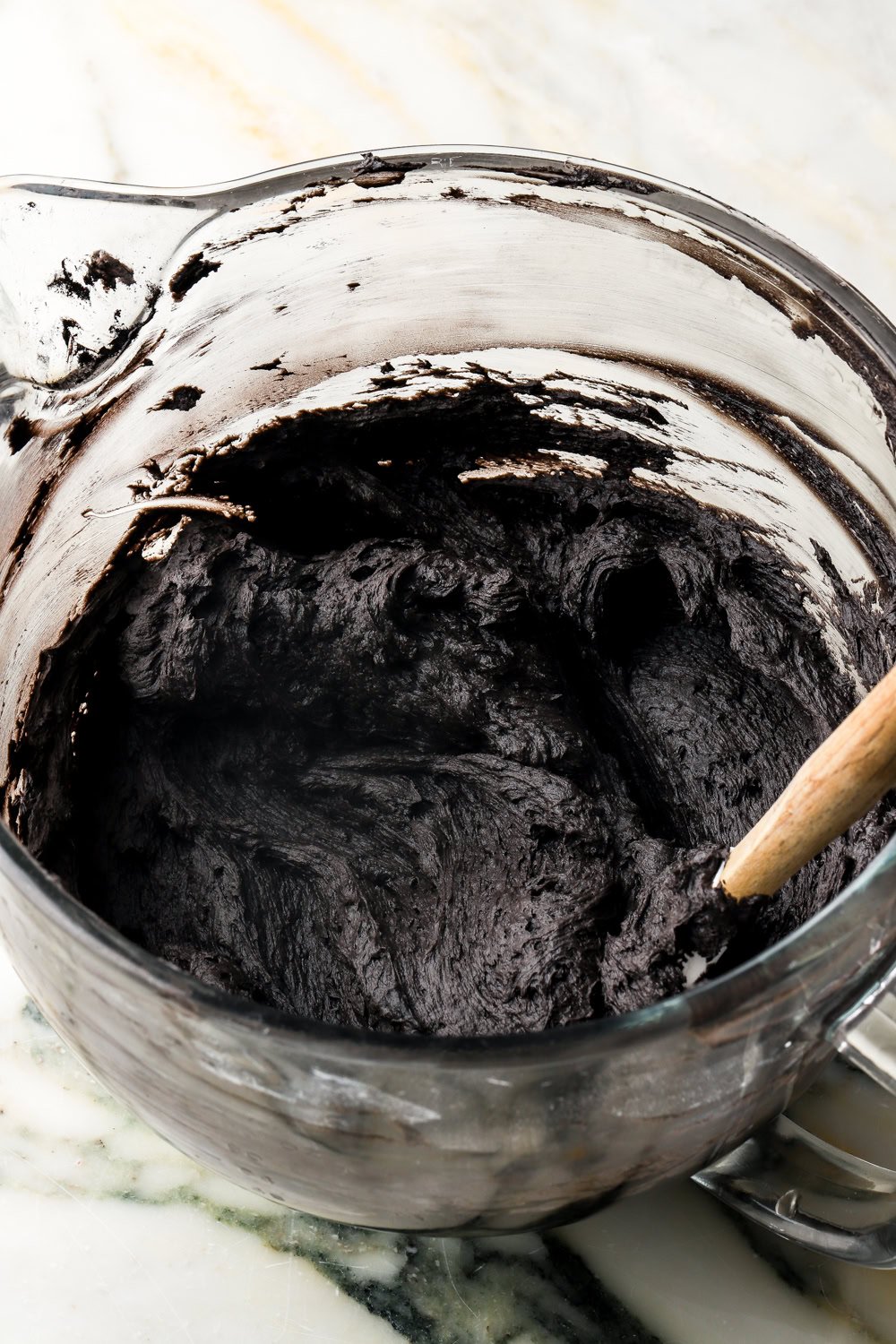
Credit: baranbakery.com
Using Dark Chocolate For Richness
Using dark chocolate for your icing is a straightforward way to deepen its color and enhance its flavor. Dark chocolate naturally brings a rich, almost black hue that’s hard to achieve with cocoa powder alone. Plus, it adds a smooth texture and complexity that makes your icing stand out both visually and in taste.
Types Of Dark Chocolate To Use
Not all dark chocolates are created equal. Look for varieties with at least 70% cocoa content to get that intense color and robust flavor. Avoid chocolates with too much sugar or milk, as these can lighten the color and soften the taste.
- Baking chocolate:Unsweetened and very dark, perfect for a deep black icing.
- Bittersweet chocolate:Contains some sugar but maintains a strong cocoa presence.
- Couverture chocolate:High-quality chocolate with extra cocoa butter for smooth melting.
Choosing the right type affects both the color and texture of your icing. Have you ever noticed how some chocolates melt differently? That can influence your final result.
Melting And Mixing Tips
Melting dark chocolate requires gentle heat to avoid burning and seizing. Use a double boiler or microwave in short bursts, stirring frequently. This keeps the chocolate smooth and glossy, which is essential for an appealing black icing.
Once melted, mix the chocolate into your butter or cream base slowly. This helps maintain a consistent texture and keeps the color uniform. Adding a pinch of espresso powder can enhance the chocolate’s depth without changing the color.
- Stir continuously to prevent lumps.
- Cool the melted chocolate slightly before mixing to avoid curdling.
- Use high-quality ingredients to keep the flavor balanced.
Have you tried adjusting the temperature and mixing speed when working with chocolate? Small tweaks can make a big difference in how rich and dark your icing turns out.
Adding Black Food Coloring
Adding black food coloring is the key to achieving that deep, rich black chocolate icing that makes your desserts stand out. It’s not just about dumping in color; the type and technique you use can make all the difference in how dark and smooth your icing turns out. Let’s look at how you can choose and add black coloring effectively to get the perfect finish.
Natural Vs. Artificial Options
You can choose between natural and artificial black food colorings, each with its own advantages and challenges. Natural options, like activated charcoal or black cocoa powder, give a subtle black shade and add a unique flavor but might not reach the darkest black you want.
Artificial black gels or liquid dyes offer a much bolder color with just a few drops. However, they sometimes have a slight chemical taste if overused. Have you ever wondered if the color you see in professional bakeries is natural or synthetic? Often, it’s a mix tailored to get the best of both worlds.
How To Incorporate Coloring Evenly
Even coloring is essential to avoid streaks or patches in your icing. Start by mixing a small amount of black coloring into a bit of your icing first, creating a concentrated paste. Then, gradually add this colored paste back into the larger batch, stirring continuously to spread the color evenly.
Using a spatula or an electric mixer can help you get a smooth, uniform color faster. If you notice uneven spots, don’t panic—keep mixing gently, and the color will blend. Have you tried whisking your icing by hand versus using a mixer? The difference in color consistency can be surprisingly noticeable.
Incorporating Coffee Or Espresso
Adding coffee or espresso to your chocolate icing can give it a deeper, richer black color. The dark tones in coffee naturally boost the darkness of the chocolate without overpowering its flavor. Plus, the subtle bitterness of coffee enhances the chocolate’s complexity, making your icing taste more intense and gourmet.
Enhancing Color And Taste
Coffee or espresso powder works wonders for intensifying the black shade of your icing. A small amount can make a big difference, darkening the chocolate without turning it bitter. It also brings out the chocolate’s natural flavors, creating a bold, slightly smoky undertone that many people love.
If you’ve ever brewed espresso, you know how dark and strong it is. Imagine that depth in your icing! Using instant espresso powder is a convenient way to add this richness without extra liquid.
Adjusting Liquid Ingredients
Since espresso or coffee adds a bit of liquid, you might need to tweak your recipe slightly. For powdered espresso, this isn’t usually a problem, but if you use brewed coffee, reduce the other liquids like milk or water to keep the icing from becoming too runny.
Start by substituting an equal amount of your liquid ingredient with coffee. If the icing feels too thin, add a little more powdered sugar or cocoa powder until you reach the desired consistency.
Have you ever tried replacing water with coffee in your recipes? Experimenting this way not only enhances color but can also surprise you with new flavor layers.
Adjusting Ingredients For Texture
Adjusting ingredients plays a big role in making chocolate icing black and perfect in texture. The right balance changes both taste and feel. Small tweaks create a smooth, rich icing that spreads easily. Understanding how ingredients affect sweetness, bitterness, and consistency helps to get the perfect result.
Balancing Sweetness And Bitterness
Black chocolate icing needs a good balance between sweet and bitter. Using dark cocoa powder adds bitterness and deep color. Too much cocoa can make the icing bitter and dry. Sugar or powdered sugar softens bitterness and adds sweetness. Adjust sugar slowly to avoid making the icing too sweet. A pinch of salt can also bring out the chocolate flavor and reduce sharp bitterness.
Achieving Smooth Consistency
Texture depends on the right mix of fats and liquids. Butter or margarine adds creaminess and helps the icing spread well. Heavy cream or milk thins the icing, creating a smooth and soft texture. Add liquids little by little to avoid a runny icing. Mixing the icing with a hand mixer or whisk helps remove lumps. If the icing is too thick, add a teaspoon of liquid at a time. Too thin? Add a bit more powdered sugar to thicken it up.
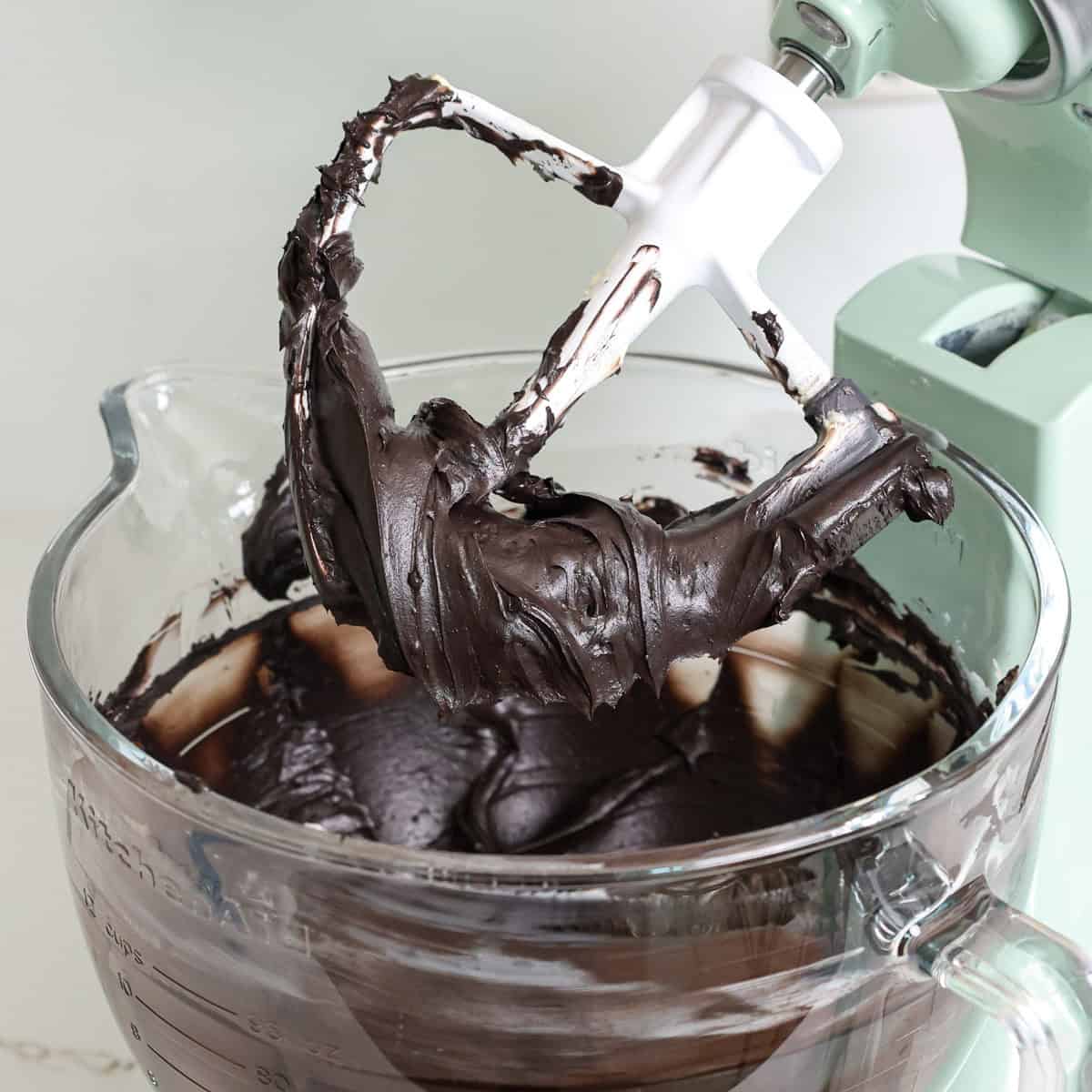
Credit: chelsweets.com
Common Mistakes To Avoid
Getting the perfect black chocolate icing can be tricky, especially if you’re not aware of the common pitfalls. Avoiding these mistakes will save you time, frustration, and ensure your icing looks as rich and vibrant as you want it to. Let’s dive into some errors that often sneak in and how you can dodge them.
Overusing Coloring
It’s tempting to add more black food coloring when your icing isn’t as dark as you hoped. But piling on color doesn’t always work and can ruin the taste or texture. Too much coloring can make the icing bitter or watery, making it harder to spread smoothly.
Instead, try using concentrated gel or paste food coloring. They deliver intense color without thinning your icing. Have you noticed how a little goes a long way? Adding color bit by bit and mixing thoroughly can give you a deep black shade without overdoing it.
Using Low-quality Ingredients
The quality of your ingredients impacts both flavor and color. Cheap cocoa powder or chocolate can result in dull, muddy black icing rather than a rich, glossy finish. Investing in premium Dutch-processed cocoa or high-quality dark chocolate will enhance the depth of color naturally.
Also, check your powdered sugar and butter. Fresh, high-quality ingredients blend better and help achieve that smooth, dark black icing you want. Have you ever tried a batch with better cocoa and noticed the difference? It’s often the key to getting that perfect black tone.
Storing And Using Black Chocolate Icing
Black chocolate icing adds a bold, rich look to cakes and cupcakes. Proper storage keeps it fresh and easy to use. Using it well enhances your dessert’s appearance and taste. Follow simple steps for storing and decorating with black chocolate icing.
Best Storage Practices
- Store icing in an airtight container to avoid drying out.
- Keep it in the refrigerator for up to one week.
- Before using, let the icing reach room temperature for smooth spreading.
- Stir gently to restore the creamy texture after chilling.
- For longer storage, freeze icing in a sealed container for up to three months.
- Thaw frozen icing overnight in the fridge, then bring to room temperature.
Tips For Decorating Cakes And Cupcakes
- Use a spatula or piping bag for neat application.
- Chill the cake layers before applying icing to prevent melting.
- Work quickly once icing is out of the fridge to keep it smooth.
- Add small amounts of milk to thin thick icing for easier spreading.
- Practice simple designs first to get comfortable with the dark color.
- Black icing looks striking with bright decorations or edible glitter.
Frequently Asked Questions
How Can I Make Chocolate Icing Darker Naturally?
Add a small amount of black cocoa powder or activated charcoal. These ingredients darken the icing without altering the taste. Use gradually to avoid bitterness and maintain smooth texture.
What Ingredients Turn Chocolate Icing Black Quickly?
Using black cocoa powder, food-grade activated charcoal, or black gel food coloring can quickly darken chocolate icing. These options provide intense color while preserving flavor and consistency.
Does Black Cocoa Powder Affect Chocolate Icing Flavor?
Black cocoa powder has a deeper, slightly bitter flavor than regular cocoa. It intensifies chocolate taste but may alter sweetness slightly. Balance with sugar for best results.
Can I Use Food Coloring To Make Chocolate Icing Black?
Yes, black gel or liquid food coloring works well. Add a few drops gradually until desired darkness is reached. It won’t change the taste but enhances appearance.
Conclusion
Making chocolate icing black is simple with the right steps. Use dark cocoa or add black food coloring carefully. Stir well to get an even color. Taste stays rich and smooth. This method suits cakes, cupcakes, or any dessert. Try it yourself for a striking look.
Enjoy baking with this easy tip. Your treats will stand out nicely. Keep experimenting with color and flavor. Baking becomes more fun this way.