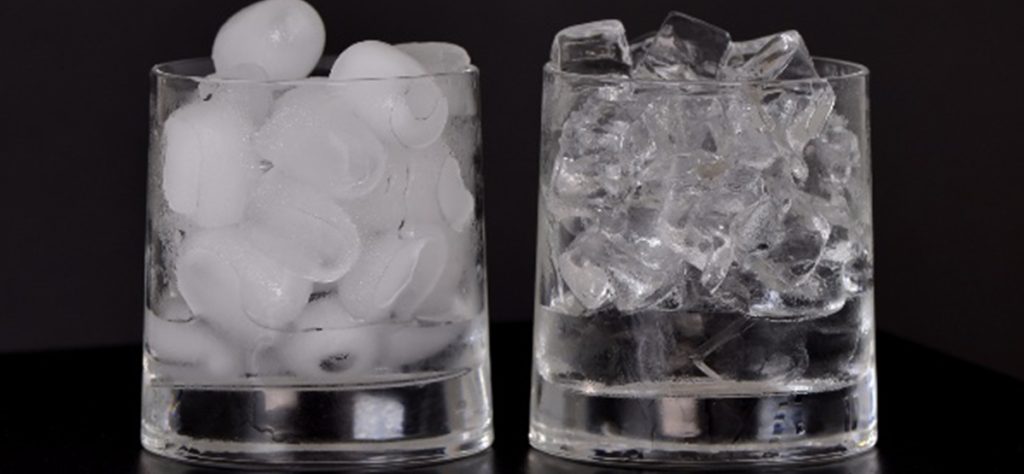
Have you ever noticed how some ice cubes are perfectly clear while others look cloudy and dull? It might seem like a small detail, but the difference can actually tell you a lot about how your ice is made and even affect the taste of your drinks.
If you’ve ever wondered what makes ice cloudy and why it matters to your everyday experience, you’re about to find out. Keep reading to discover the surprising reasons behind cloudy ice and how you can get crystal-clear cubes right at home.

Credit: www.ipm.org
Clear Ice Vs Cloudy Ice
Ice turns cloudy because of tiny air bubbles trapped inside as water freezes quickly. Clear ice forms slowly, letting air escape and creating a pure look. The freezing speed and water purity affect how clear or cloudy the ice appears.
In the world of ice, two types stand out: clear and cloudy. Each type has its own unique characteristics and uses. Understanding these differences can enhance your everyday experiences, from enjoying a chilled drink to impressing guests with perfectly clear ice cubes.Visual Differences
Clear ice appears transparent and glass-like. It forms by freezing water slowly, allowing air bubbles and impurities to escape. This process results in a crystal-clear appearance. Cloudy ice, on the other hand, looks opaque and white. It often forms quickly, trapping air bubbles inside. This gives it a cloudy or milky look.Common Uses
Clear ice is often used in high-end bars and restaurants. It enhances the presentation of cocktails and high-quality spirits. Its transparency adds a touch of elegance to any drink. Cloudy ice is more common in everyday household use. It is found in most ice trays and automatic ice makers. It’s ideal for cooling drinks quickly in casual settings.Air Bubbles And Ice
Air bubbles play a key role in making ice look cloudy. These tiny pockets of air get trapped inside the ice as water freezes. Their presence changes how light passes through the ice, affecting its clarity and appearance. Understanding how air bubbles form and their effects helps explain why some ice looks clear, while other ice appears cloudy.
How Air Gets Trapped
Water contains dissolved air, mainly oxygen and nitrogen. When water freezes quickly, the air does not have time to escape. Instead, it becomes trapped as small bubbles within the ice. Rapid freezing often pushes the air toward the center of the ice cube or block.
Impurities and minerals in the water also create places where air can collect. These imperfections make it harder for the ice to freeze smoothly. As a result, more air bubbles form inside the ice structure.
Effects On Ice Appearance
Air bubbles scatter light passing through the ice. This scattering causes the ice to look white or cloudy. The more bubbles present, the less transparent the ice becomes.
Cloudy ice often feels rough or grainy because of the trapped air pockets. Clear ice, on the other hand, freezes slowly and evenly, allowing air bubbles to escape. The difference in freezing speed is the main reason for the contrast in appearance.
Impurities And Minerals
Ice often looks cloudy because of tiny impurities and minerals trapped inside it. These elements interrupt the smooth freezing process, causing that familiar milky appearance. Understanding where these impurities come from and how they affect ice clarity helps you make clearer ice at home or appreciate why some ice looks different.
Sources Of Impurities
Impurities come from various places, often from the water itself. Tap water usually contains minerals like calcium and magnesium, which don’t freeze uniformly. Additionally, tiny particles from dust, air bubbles, or even the container you freeze the water in can add to the impurities.
- Minerals dissolved in water, such as calcium and magnesium
- Air bubbles trapped during freezing
- Dust and microscopic particles
- Residues from the ice tray or freezer environment
Have you ever noticed that ice made from filtered or distilled water tends to be clearer? This happens because filtering removes many of these minerals and impurities.
Impact On Ice Clarity
Impurities disrupt the crystal structure of ice. When water freezes, pure water forms clear, solid crystals. But minerals and particles create tiny pockets where air gets trapped, scattering light and making ice look cloudy.
This scattering effect means the more impurities present, the less transparent your ice will be. Even small amounts of minerals can cause noticeable cloudiness, especially if the freezing process is quick and uneven.
Next time you see cloudy ice, think about what’s inside that block. Could changing your water source or freezing method give you clearer results? It’s a small change that can make a big difference in your drinks or culinary presentation.
Freezing Process And Temperature
The way water freezes plays a big role in whether your ice turns out clear or cloudy. Temperature and freezing speed affect how air and impurities get trapped inside the ice. Understanding this can help you make ice cubes that look as good as they taste.
Rapid Vs Slow Freezing
Rapid freezing causes water to solidify quickly, trapping air bubbles and impurities inside. This results in cloudy ice because the bubbles scatter light in different directions.
Slow freezing allows air and impurities to escape before the water fully freezes. This creates clearer ice cubes, as fewer bubbles remain trapped. Have you noticed how commercial ice makers often freeze water slowly from one direction to keep ice crystal clear?
Temperature Variations
Temperature changes during freezing also affect ice clarity. If the temperature fluctuates, ice crystals form unevenly, leading to cloudiness.
Consistent, low temperatures encourage uniform crystal growth. This means the ice will freeze more evenly, with fewer trapped gases and particles.
- Freezing water just below 0°C slowly produces clearer ice.
- Freezing at very low temperatures quickly can increase cloudiness.
- Maintaining a stable freezer temperature helps reduce ice cloudiness over time.
Next time you freeze water, try adjusting the freezing speed and temperature. Notice how these changes affect your ice’s appearance and clarity. It’s a simple tweak that can improve your drinks and your experience.
Water Quality’s Role
Water quality plays a big role in why ice looks cloudy. The purity of water affects how ice freezes and its final appearance. Impurities and gases trapped inside the water cause cloudiness. Understanding these factors helps make clearer ice at home.
Tap Water Vs Filtered Water
Tap water contains minerals and particles from pipes and the source. These tiny impurities get trapped as ice freezes, causing a cloudy look. Filtered water removes many impurities, making the ice clearer. Using filtered water reduces the number of particles inside the ice.
Here are some differences:
- Tap Water:More minerals and particles, cloudy ice.
- Filtered Water:Fewer impurities, clearer ice.
Role Of Dissolved Gases
Dissolved gases like oxygen and nitrogen exist in water naturally. When water freezes, these gases escape and form tiny bubbles. These bubbles scatter light and make ice appear cloudy. Boiling water before freezing can reduce dissolved gases and help make clearer ice.
How To Make Clear Ice At Home
Making clear ice at home is easier than most think. Cloudy ice forms from trapped air and impurities. Clear ice looks pure and melts slower. This section explains simple ways to get clear ice cubes using common kitchen tools.
Techniques To Reduce Cloudiness
Use pure water to minimize impurities. Boil water twice and let it cool before freezing. This removes air bubbles and minerals.
Freeze water slowly. Place the ice tray in the coldest part of the freezer. Slow freezing pushes air bubbles out of the ice.
Use directional freezing. Fill a small cooler with water and freeze it open on top. This forces ice to freeze from top down, pushing air and impurities away.
Tools And Tips
- Use silicone ice trays. They release ice easily without cracking.
- Try an insulated cooler to control freezing direction at home.
- Use a small cooler that fits in your freezer for best results.
- Store clear ice in an airtight container to keep it fresh.
- Use filtered or distilled water for best clarity.
Common Myths About Cloudy Ice
Cloudy ice has puzzled many people. Some believe it means the ice is bad or unsafe. Others think it forms because of dirty water or air pollution. These ideas are common but often wrong. Understanding the truth helps clear up confusion. Let’s explore some myths and the real reasons behind cloudy ice.
Misconceptions Debunked
- Cloudy ice is not dirty or harmful.
- It does not mean the water is contaminated.
- Air bubbles, not dirt, cause the cloudiness.
- Freezing speed affects ice clarity, not water quality.
- Cloudy ice is not weaker than clear ice.
Scientific Facts
Ice forms when water freezes from the outside in. This traps tiny air bubbles inside. These bubbles scatter light, making the ice look cloudy. The faster the freezing, the more bubbles get trapped. Slow freezing pushes bubbles out, creating clear ice.
Water purity matters, but even pure water can create cloudy ice if frozen quickly. Temperature and freezing conditions play a big role too. Cloudy ice is simply a natural result of how water changes to ice.

Credit: haleyscomment.org

Credit: feastandwest.com
Frequently Asked Questions
Why Is Ice Sometimes Cloudy Instead Of Clear?
Ice appears cloudy due to trapped air bubbles and impurities. Rapid freezing pushes air inside, scattering light and causing cloudiness. Clear ice forms when water freezes slowly, allowing air to escape. This process affects ice clarity significantly.
How Do Air Bubbles Cause Cloudy Ice?
Air bubbles get trapped during fast freezing. These bubbles scatter light in multiple directions. This scattering creates a cloudy or white appearance in ice cubes. Slower freezing minimizes air bubble formation, producing clearer ice.
Can Impurities Make Ice Look Cloudy?
Yes, impurities like minerals and dust cause cloudiness. They disrupt the ice’s crystal structure. These particles scatter light, resulting in a foggy look. Using purified water helps produce clearer ice cubes.
Does Freezing Speed Affect Ice Clarity?
Freezing speed is crucial for ice clarity. Fast freezing traps air and impurities inside. Slow freezing allows bubbles and impurities to escape. Therefore, slow freezing typically produces clearer ice.
Conclusion
Cloudy ice forms because of trapped air and impurities. Clear ice freezes slowly, pushing air out. Knowing this helps you make better ice at home. Use pure water and freeze it slowly for clear ice. Next time you see cloudy ice, you’ll understand why.
Simple steps can improve your ice’s look and taste. Keep these tips in mind for perfect ice every time.