
Are you craving beautifully decorated cookies but ran out of powdered sugar? Don’t worry—you can still make delicious icing without it!
Imagine creating smooth, sweet frosting with simple ingredients you probably already have at home. You’ll discover easy, quick ways to whip up icing that’s perfect for your cookies. Keep reading, and you’ll never stress about missing powdered sugar again!
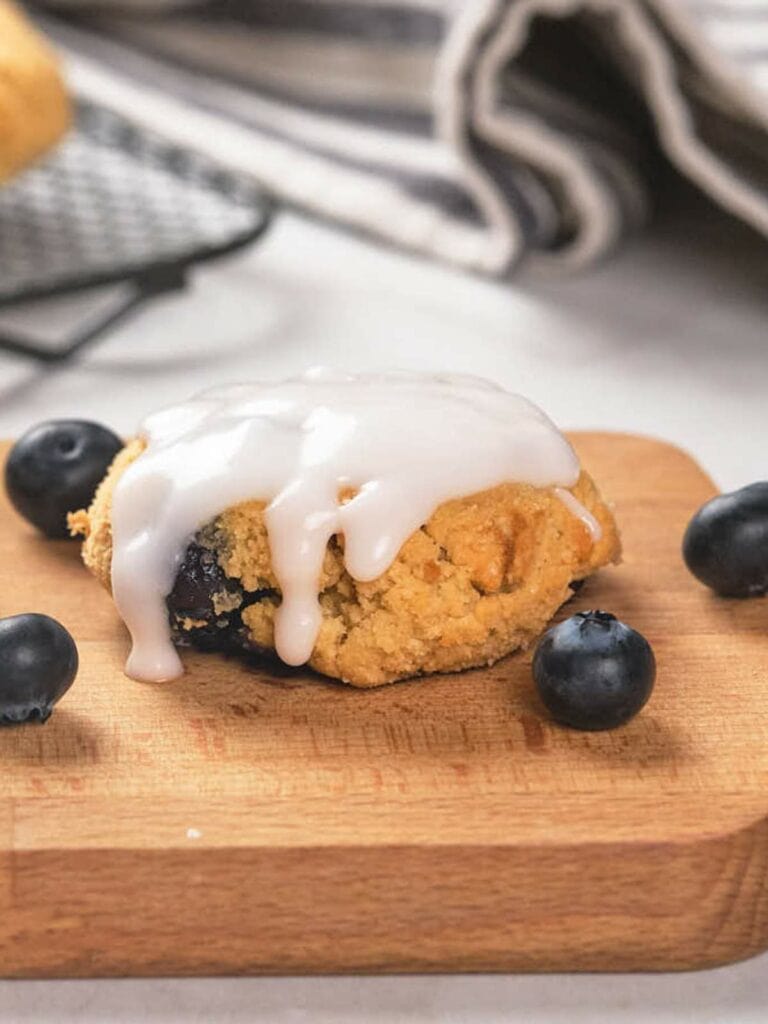
Credit: www.primaledgehealth.com
Ingredients For Sugar-free Icing
Creating icing without powdered sugar can seem tricky at first, but choosing the right ingredients makes all the difference. You want your icing to be smooth, sweet, and easy to spread on cookies. Knowing what alternatives to use and how to balance flavors helps you get there without sacrificing taste or texture.
Common Alternatives To Powdered Sugar
Several ingredients can replace powdered sugar in icing, each with its unique texture and sweetness level. Some popular options include:
- Granulated Sugar:It’s common and easy to find but needs to be ground finely to avoid graininess.
- Coconut Sugar:Adds a subtle caramel flavor and works well if you want a natural sweetener.
- Honey or Maple Syrup:Liquid sweeteners that create a different texture but can add moisture and flavor.
- Stevia or Monk Fruit Sweetener:Great for zero-calorie options but usually require adjustments in quantity.
Have you tried grinding granulated sugar to a finer powder at home? It’s a simple trick that can mimic powdered sugar closely.
Choosing The Right Sweetener
Picking the right sweetener depends on your taste preferences and dietary needs. If you want something natural, coconut sugar or honey can be good choices.
For a sugar-free option, stevia or monk fruit sweetener might be better, but they can sometimes have a bitter aftertaste if used in excess.
Think about how the sweetener will affect the icing’s consistency and flavor. Would you prefer a smooth, creamy icing or one with a hint of natural sweetness?
Additional Ingredients Needed
Besides your chosen sweetener, some other ingredients help achieve the perfect icing texture.
- Butter or Margarine:Adds richness and helps with smooth spreading.
- Milk or Cream:Used to adjust thickness and create a creamy consistency.
- Vanilla Extract or Flavorings:Enhances taste without adding sugar.
- Cornstarch or Arrowroot Powder:Sometimes added to thicken the icing without extra sweetness.
Would experimenting with these ingredients give you better control over your icing texture? Trying small batches can reveal what works best for your cookies.
Simple Icing Recipes Without Powdered Sugar
Finding yourself without powdered sugar doesn’t mean your cookie decorating plans have to stop. There are simple, effective ways to whip up icing using common kitchen ingredients. These alternatives can create delicious, smooth icings that stick well and taste great.
Cornstarch-based Icing
Cornstarch can be a surprising hero in icing recipes. Mix cornstarch with milk and a bit of vanilla extract to create a thick, glossy glaze. Adjust the milk quantity to get the consistency you want—thicker for piping, thinner for drizzling.
This icing dries quickly and gives your cookies a shiny finish. Have you tried thickening agents beyond flour or powdered sugar? Cornstarch offers a neutral flavor and smooth texture that you might find perfect.
Honey And Milk Icing
Honey adds natural sweetness and moisture to icing without the need for powdered sugar. Combine honey with a little milk and stir well until smooth. This mixture gives a slightly sticky and shiny coating that hardens enough to hold decoration.
Try adding a pinch of cinnamon or lemon zest to enhance the flavor. Would you expect honey to create a stable icing? It’s a tasty, simple solution that works well for softer cookies.
Butter And Granulated Sugar Icing
Using granulated sugar with butter is another way to make a rich, creamy icing. Whip softened butter until fluffy, then gradually add granulated sugar while mixing. The key is to mix long enough so the sugar dissolves, creating a smoother texture.
If the sugar feels too grainy, try warming the butter slightly before mixing. This icing is perfect if you want something buttery and sweet without extra ingredients. How often do you think about the texture granulated sugar leaves in your frosting?
Step-by-step Icing Preparation
Preparing icing without powdered sugar is simple and fun. This step-by-step guide will lead you through creating delicious cookie icing. Follow these easy steps to mix, achieve the right texture, and enhance flavors.
Mixing Techniques
Start with granulated sugar and cornstarch. Blend them in a blender until fine. This creates a smooth base for your icing. Next, add butter and milk in small amounts. Mix them using a whisk or electric mixer. This ensures the blend is even and lump-free.
Achieving The Perfect Consistency
The key to perfect icing is its consistency. It should be thick enough to spread but not runny. Gradually add milk or cream if it’s too thick. For a thicker icing, add more sugar. Stir continuously until you reach the desired thickness. Test by spreading on a small cookie piece. Adjust as needed.
Flavor Enhancements
Enhance your icing with simple flavor additions. Vanilla extract is a classic choice for sweetness. Try almond extract for a nutty taste. For a citrusy twist, add a few drops of lemon or orange juice. Mix thoroughly to ensure flavors blend well. Taste and adjust according to your preference.

Credit: www.simplyjillicious.com
Tips For Decorating Cookies
Decorating cookies without powdered sugar might seem tricky, but with the right tips, you can achieve beautiful and tasty results. Focusing on smooth application, natural coloring, and proper storage will help your cookies look professional and last longer. Let’s dive into ways you can make your icing shine on every cookie you decorate.
Applying Icing Smoothly
Getting a smooth finish on your cookies starts with the consistency of your icing. If it’s too thick, it will be hard to spread; too thin, and it will run off the edges.
Try using a small offset spatula or the back of a spoon to spread the icing gently. Work quickly but carefully to avoid lumps and lines. Have you noticed that letting the icing sit for a minute before spreading helps it glide on easier?
Coloring Your Icing Naturally
Instead of artificial dyes, you can use natural ingredients to color your icing. Beet juice adds a lovely pink shade, while matcha powder gives a gentle green tone.
Mix small amounts of these natural colorings into your icing until you reach the shade you want. Keep in mind that natural colors can be less vibrant, but they add subtle, fresh flavors to your cookies too.
Storing Iced Cookies Properly
After decorating, storing your cookies correctly keeps them fresh and prevents the icing from smudging. Place them in a single layer inside an airtight container.
If you need to stack cookies, separate the layers with parchment paper. Have you tried refrigerating cookies before serving? It can help the icing set faster without making the cookies hard.
Troubleshooting Common Issues
Making icing without powdered sugar can be tricky. Some common problems may happen during mixing or decorating. Knowing how to fix these issues saves time and frustration. Troubleshooting helps ensure your cookies look great and taste delicious.
Icing Too Runny Or Thick
Runny icing can drip off cookies and lose shape. Thick icing becomes hard to spread or pipe smoothly. To fix runny icing, add small amounts of cornstarch or flour and mix well. For thick icing, add a few drops of milk or water. Mix slowly and check consistency often. Aim for a smooth, spreadable texture that holds its shape.
Sweetener Aftertaste Solutions
Using alternative sweeteners can cause a bitter or odd taste. Lemon juice or vanilla extract helps mask aftertaste. A pinch of salt balances sweetness and reduces bitterness. Honey or maple syrup adds natural sweetness and smooth flavor. Test small batches before icing all cookies to find the best taste.
Preventing Icing From Cracking
Cracked icing ruins cookie appearance and texture. Drying too fast causes cracks. Keep icing moist by covering it with a damp cloth between uses. Avoid thick layers of icing; spread thin and even. Store decorated cookies in airtight containers to keep icing soft. Use glycerin or corn syrup in icing to add flexibility and prevent cracking.

Credit: www.primaledgehealth.com
Frequently Asked Questions
What Can I Use Instead Of Powdered Sugar For Icing?
You can use granulated sugar blended into a fine powder, cornstarch, or cream cheese. These create smooth, sweet icing without powdered sugar.
How Do I Make Icing Without Powdered Sugar?
Mix granulated sugar with butter, milk, and vanilla. Blend until smooth and creamy to make icing for cookies easily.
Is Homemade Icing Without Powdered Sugar As Sweet?
Yes, homemade icing without powdered sugar can be equally sweet. Adjust sugar quantity to suit your taste preferences.
Can I Use Honey Or Syrup In Place Of Powdered Sugar?
Honey or syrup can replace powdered sugar, but they create a sticky texture. Use small amounts for best results.
Conclusion
Making icing without powdered sugar is simple and fun. Use basic ingredients like granulated sugar or cornstarch. Mix well for a smooth texture that sticks to cookies. Adjust sweetness and thickness to your taste. This method saves time and ingredients.
Try it for your next baking project. Enjoy decorating cookies with easy, homemade icing. No need for special sugar to make tasty icing. Keep experimenting and have fun in the kitchen!