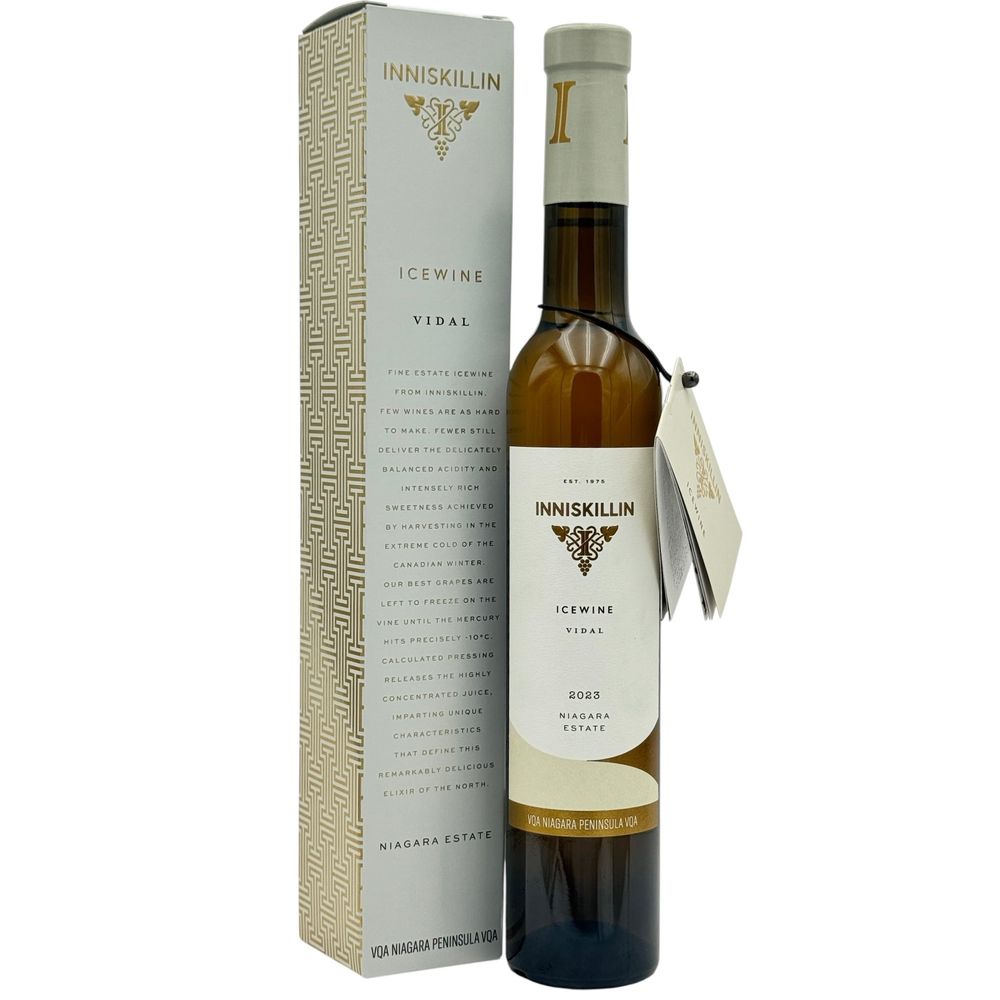
Have you ever wondered how ice wine gets its rich, sweet flavor that makes it so special? Making ice wine is not just about freezing grapes; it’s a fascinating process that turns nature’s chill into a delicious treat.
If you want to discover the secrets behind this unique wine, you’re in the right place. Keep reading, and you’ll learn exactly how ice wine is made, step by step, so you can impress your friends or even try making it yourself someday.
Ready to dive into the cool world of ice wine? Let’s get started!
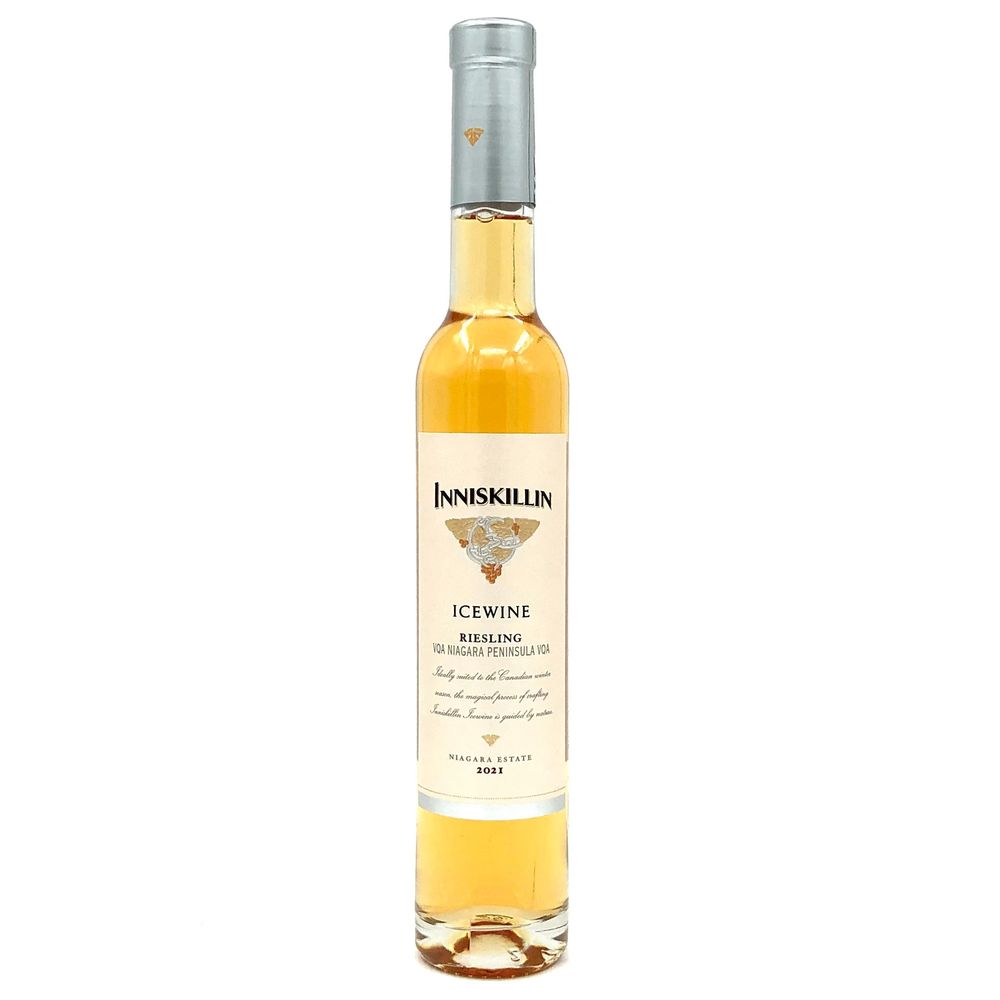
Credit: woodencork.com
Ice Wine Origins
Ice wine is a unique and treasured dessert wine made from grapes frozen on the vine. Its origins trace back to cold climates where nature aids the winemaking process. Understanding where and how ice wine began reveals its deep cultural and historical roots. This knowledge enriches the appreciation of this sweet, rich wine.
History And Tradition
Ice wine has a long tradition dating back to the late 1700s. It likely started by accident when grapes froze before harvest. Early winemakers noticed that frozen grapes produced a sweeter juice. This discovery led to deliberate freezing and pressing of grapes. The tradition grew in Europe, especially in Germany and Austria. These countries refined ice wine techniques over centuries. The wine became a symbol of patience and skill.
Regions Known For Ice Wine
Cold climate regions produce the best ice wine grapes. Germany and Austria remain famous for classic ice wine. Canada also rose as a key player in the 20th century. The Niagara Peninsula and Okanagan Valley are notable Canadian regions. The United States, especially New York and Michigan, also produce ice wine. Each region offers unique flavors shaped by local weather and soil. Winemakers adapt their craft to suit these conditions, creating diverse ice wines.
Ideal Grapes For Ice Wine
Choosing the right grapes is crucial for making quality ice wine. Not all grape varieties can handle the freezing process needed to concentrate sugars and flavors. The ideal grapes must have specific traits that help produce that rich sweetness you expect from ice wine.
Common Grape Varieties
Some grape varieties are favored by winemakers because they consistently deliver excellent ice wine. Here are a few popular ones:
- Riesling: Known for its balance of acidity and sweetness, Riesling is a top choice for ice wine, especially in cooler climates.
- Vidal Blanc: This grape is hardy and thick-skinned, making it perfect for withstanding freezing temperatures.
- Cabernet Franc: Less common but gaining popularity, it adds complexity and a fruity profile to ice wine.
- Gewürztraminer: Offers aromatic and floral notes that enhance the wine’s character.
Have you ever tasted ice wine made from a grape variety you didn’t expect? It’s a reminder that experimentation can reveal hidden gems.
Characteristics For Sweetness
The best grapes for ice wine share traits that maximize sweetness and flavor concentration. First, they must have thick skins to protect the fruit during the freezing process.
Next, the grapes should have naturally high sugar content before freezing. This sugar level allows the juice to become intensely sweet once the water inside freezes and is removed.
Acidity is another key factor. Grapes with good acidity balance the sweetness, preventing the wine from tasting cloying or flat.
Think about your own taste preferences: Do you prefer your ice wine more crisp or richly sweet? Knowing the grape’s characteristics helps you choose the style that suits you best.
Harvesting Frozen Grapes
Harvesting frozen grapes is the heart of making ice wine. This process demands precision and patience because the grapes must be picked at the exact moment when they are naturally frozen on the vine. Getting this right impacts the sweetness and flavor intensity of the final wine.
Timing The Harvest
Timing is everything when harvesting frozen grapes. The ideal moment is usually during a cold snap when temperatures drop to around -8°C (17.6°F) or lower. At this temperature, grapes freeze solid, concentrating sugars and flavors inside.
Picking too early means the grapes won’t be fully frozen, leading to diluted juice. Picking too late risks losing the grapes to animals or rot. Have you ever wondered how winemakers know the exact night to pick? They monitor weather forecasts closely and often wait until the coldest pre-dawn hours.
Manual Vs. Mechanical Picking
Choosing between manual and mechanical picking affects the quality of your ice wine. Manual picking allows workers to hand-select only the perfectly frozen grapes, minimizing damage and preserving quality. This method is labor-intensive but essential for premium ice wines.
Mechanical picking is faster and cheaper but can be rough on the grapes. Machines may collect unfrozen or damaged grapes, which can spoil the delicate balance of sweetness. If you want the purest taste, manual picking is worth the extra effort—even if it means working in freezing temperatures.
Pressing Frozen Grapes
Pressing frozen grapes is a critical stage in making ice wine. This step demands patience and precision because the grapes are frozen solid, and extracting their juice is quite different from regular winemaking. Understanding how to handle these icy clusters can make a big difference in the quality and sweetness of your final product.
Cold Pressing Techniques
Grapes for ice wine are pressed while still frozen, often at temperatures well below freezing. This preserves their natural sugars and flavors, which are highly concentrated when the water inside the grapes remains frozen. You’ll need special equipment or adjustments to your press to handle the cold and prevent damage to the juice.
Many winemakers chill their pressing machines or use slow, gentle pressure to avoid crushing the frozen skins too harshly. This control helps minimize bitterness from the skins and seeds. Have you ever tried pressing something frozen? You’ll notice it requires more patience and care compared to room-temperature fruit.
Extracting Concentrated Juice
Because the water inside the frozen grapes is locked as ice, the juice you extract is much thicker and sweeter. The pressing yields a smaller amount of liquid, but it’s packed with sugars and flavors that define ice wine’s unique taste. This concentrated juice then undergoes fermentation, which is slower due to the high sugar content.
Extracting this juice effectively means balancing pressure with time—you want to get as much juice as possible without forcing out unwanted bitter compounds. Some winemakers press in multiple stages, collecting the purest juice first, then gently pressing again to extract remaining flavors. How would you manage this delicate process to maximize quality?
Fermentation Process
The fermentation process is crucial in making ice wine. It transforms sweet grape juice into a rich, flavorful wine. This step requires careful control to balance sweetness and alcohol content. Temperature and timing play key roles during fermentation. The goal is to retain natural sugars while developing complex flavors.
Managing Sugar Levels
Ice wine grapes have very high sugar content. Yeast consumes sugar and turns it into alcohol. Too much sugar can stop fermentation early. Winemakers select special yeast strains that tolerate high sugar. They monitor sugar levels closely throughout fermentation. This careful management keeps the wine sweet but not overly alcoholic.
Fermentation Duration
Ice wine fermentation takes longer than regular wine. It can last several weeks or even months. Slow fermentation helps develop rich, intense flavors. Winemakers keep temperatures low to protect delicate aromas. Patience is key to achieving the right balance. Rushing fermentation risks losing sweetness and flavor depth.

Credit: flavorfulife.com
Aging And Bottling
Aging and bottling are vital steps in making ice wine. These processes shape the wine’s flavor and quality. Proper care during aging enhances the wine’s sweetness and smoothness. Bottling seals the wine’s character and prepares it for enjoyment.
Storage Conditions
Aging ice wine needs a cool, dark place. Ideal temperature is around 50°F (10°C). Humidity should stay near 70% to keep corks moist. Light can harm the wine’s taste, so avoid direct sunlight. Store bottles horizontally to keep corks wet. This stops air from entering the bottle and spoiling the wine.
Bottling Methods
Bottling ice wine must be done carefully. The wine is usually filtered to remove solids. Use clean, sterilized bottles to avoid contamination. Fill bottles slowly to reduce oxygen contact. Seal bottles tightly with natural cork or screw caps. Label each bottle with vintage and origin details. This helps track and market the wine properly.
Serving And Pairing Ice Wine
Ice wine is made by harvesting grapes after they freeze naturally on the vine. Serving it chilled enhances its sweetness and rich flavors. Pair ice wine with desserts or strong cheeses for a balanced taste experience.
Serving and pairing ice wine is an art form that can elevate your wine-tasting experience to new heights. This sweet and luxurious wine, often made from grapes that have frozen on the vine, deserves careful consideration in both temperature and food pairings. Knowing how to serve and pair it properly can transform your evening into an unforgettable experience.Ideal Serving Temperatures
Ice wine is best enjoyed when chilled, but not too cold. Aim for a serving temperature between 41°F and 45°F (5°C to 7°C). This allows its complex flavors to shine without being masked by excessive coldness. A good tip is to chill the wine in the refrigerator for about two hours before serving. A quick chill in an ice bucket with water and salt can also do the trick if you’re short on time.Food Pairing Suggestions
Ice wine’s sweetness makes it a versatile partner for a variety of foods. Consider pairing it with rich desserts like crème brûlée or cheesecake to enhance the sweetness and create a harmonious balance. For a contrast, try serving it with salty or savory dishes, such as blue cheese or foie gras. The sweet wine cuts through the richness, creating a delightful balance on your palate. If you’re hosting a dinner, think about including a fruit-based dessert. The acidity in fruits like peaches or apricots complements the wine’s natural sweetness beautifully, providing a refreshing finish to your meal. Remember, ice wine is more than just a drink—it’s an experience. What unique pairings can you discover to elevate your next gathering?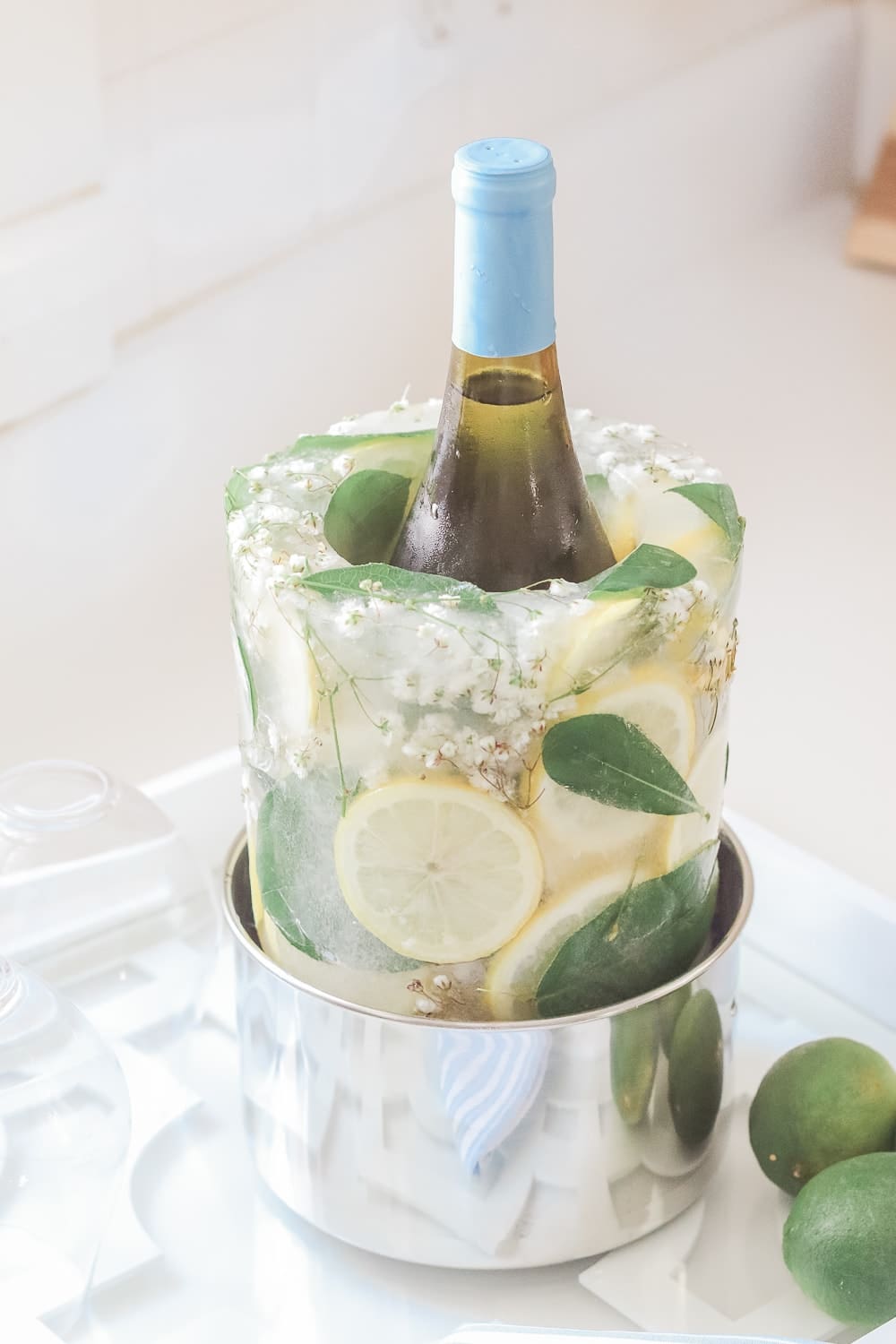
Credit: thediaryofadebutante.com
Common Challenges
Making ice wine is a delicate process filled with unique challenges that can test even the most experienced vintners. Understanding these hurdles helps you appreciate the effort behind each bottle and prepares you if you ever decide to try making it yourself. Let’s dive into some of the common obstacles you might face along the way.
Weather Risks
The success of ice wine hinges on very specific weather conditions. Grapes must freeze naturally on the vine, which means temperatures need to drop to around -8°C (17.6°F) or lower.
This unpredictability can be frustrating. One year, I watched as a sudden warm spell melted the frozen grapes just days before harvest, ruining the batch. It made me realize how much you depend on nature’s timing and how little control you actually have.
Because of this, growers often have a narrow window to harvest. If the grapes freeze too early or too late, the quality and sugar concentration suffer. Have you ever wondered how winemakers stay patient through this waiting game?
Production Costs
Ice wine production is expensive. The frozen grapes yield less juice, so you need a lot more fruit to produce a small amount of wine.
Labor costs also increase because harvesting has to be done by hand at night or early morning when grapes are frozen. This means longer hours and careful handling to avoid damaging the delicate fruit.
Equipment and storage add to the expenses too. You need specialized presses that can handle frozen grapes without crushing seeds, which can add bitterness. Knowing these costs, would you still consider making ice wine as a hobby or business?
Frequently Asked Questions
What Is The Process To Make Ice Wine?
Ice wine is made by harvesting grapes frozen on the vine. The frozen grapes are pressed while still frozen, concentrating sugars and flavors. This results in a sweet, rich wine with balanced acidity, perfect for dessert.
When Is The Best Time To Harvest Grapes For Ice Wine?
Grapes for ice wine are harvested during the first hard freeze, typically below -8°C (17. 6°F). This timing ensures the grapes are naturally frozen, preserving sugars and acids needed for high-quality ice wine production.
Which Grape Varieties Are Used In Ice Wine Production?
Common grape varieties for ice wine include Riesling, Vidal Blanc, and Cabernet Franc. These grapes have high acidity and sugar levels, making them ideal for producing the sweet and balanced flavors characteristic of ice wine.
How Does Freezing Affect Ice Wine’s Flavor?
Freezing concentrates grape sugars and acids by removing water content as ice. This intensifies sweetness and flavor complexity. The result is a rich, luscious wine with vibrant fruit notes and balanced acidity.
Conclusion
Making ice wine takes patience and careful steps. Grapes freeze on the vine to keep their sweetness. Harvesting happens at just the right cold moment. Pressing the frozen grapes creates rich, sweet juice. Fermentation turns this juice into a unique, flavorful wine.
The process may seem long, but the taste is worth it. Ice wine offers a special experience for wine lovers. Now you know how this delicate wine is made. Give it a try to enjoy its sweet, crisp flavor.