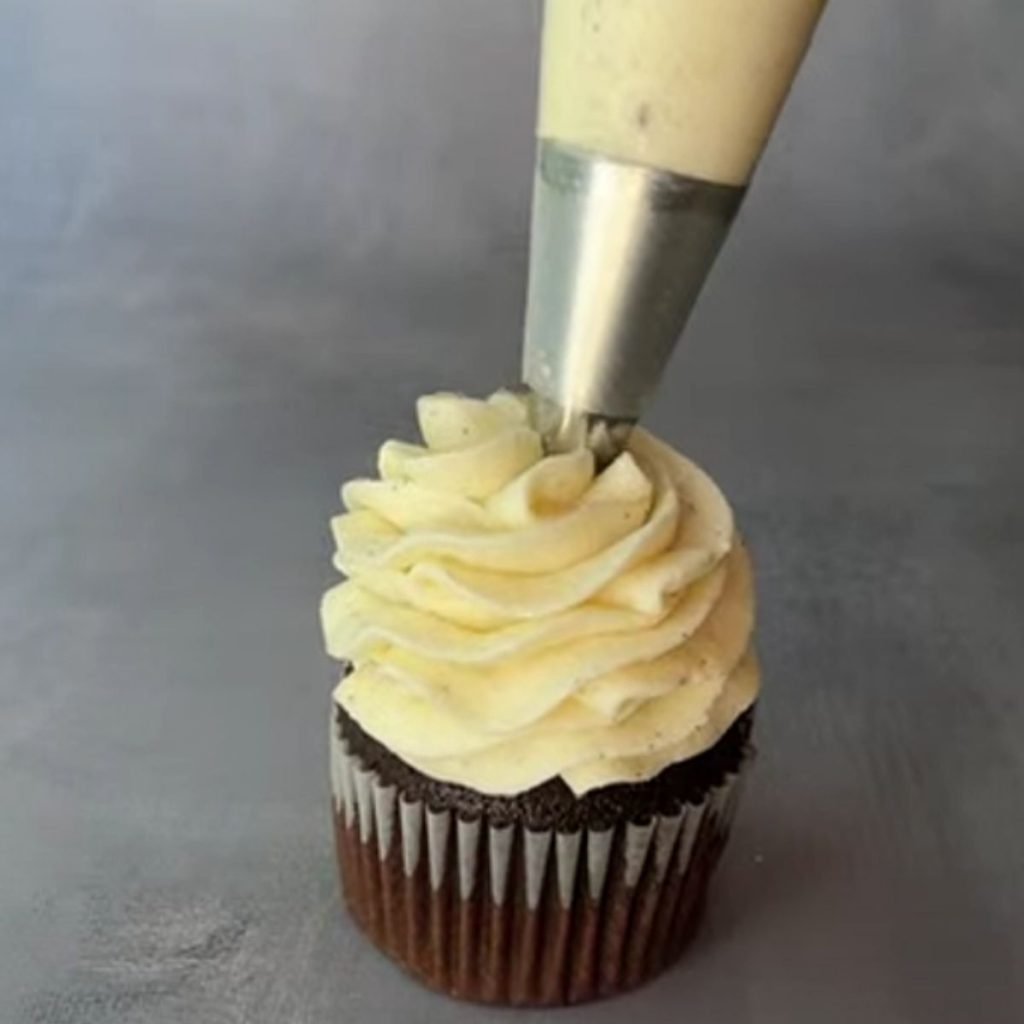
Are you craving a smooth, shiny glaze for your baked treats but don’t have powdered sugar on hand? Don’t worry—you can still make delicious glaze icing without it.
Whether you’re rushing to finish a dessert or just want a simple, quick recipe, this guide will show you easy and effective ways to create that perfect glaze using ingredients you probably already have. Keep reading, and you’ll never have to skip the finishing touch on your cakes or donuts again.

Credit: glorifiedhobby.com
Ingredients You’ll Need
Making glaze icing without powdered sugar might seem tricky at first, but it’s all about choosing the right ingredients. You can still create a smooth, sweet glaze using everyday items that you probably already have in your kitchen. Let’s break down the essentials you’ll need to get that perfect shine and flavor without reaching for powdered sugar.
Alternative Sweeteners
Sugar is the heart of any glaze, but powdered sugar isn’t your only option. Granulated sugar can work if you grind it finely in a blender or food processor to create a similar texture. Honey and maple syrup are great natural sweeteners that add a unique depth of flavor and dissolve easily.
Have you tried using coconut sugar? It adds a subtle caramel note and pairs well with warm spices. Just remember, the texture may be different, so you might need to adjust the amount of liquid accordingly to keep your glaze smooth.
Liquid Options
To get that perfect glaze consistency, you need a liquid that blends well with your sweetener. Milk or cream works beautifully for a rich and creamy finish. Water is the simplest choice and keeps the glaze light and neutral.
For a twist, consider fruit juices like lemon or orange juice. They provide natural acidity that balances sweetness and adds a fresh zing. Think about what flavor profile you want—your liquid choice can make all the difference.
Flavor Enhancers
Flavor enhancers can elevate your glaze from simple to spectacular. Vanilla extract is a classic addition that brightens the overall taste. Almond extract offers a nutty aroma that pairs well with many baked goods.
Spices like cinnamon, nutmeg, or even a pinch of salt can bring complexity to your glaze. Don’t be afraid to experiment—sometimes a tiny dash of something unexpected turns a good glaze into a great one.
Credit: www.primaledgehealth.com
Choosing The Right Base
Choosing the right base is key to making glaze icing without powdered sugar. The base affects the texture, sweetness, and consistency of your glaze. Different ingredients bring unique qualities to the icing. Pick a base that suits your taste and the recipe’s needs.
Using Granulated Sugar
Granulated sugar is a common alternative to powdered sugar. To use it, dissolve the sugar in a small amount of warm water. Stir until the mixture is smooth. This creates a simple syrup that works as a glaze base. The texture will be slightly grainy if not fully dissolved, so patience helps.
Honey And Maple Syrup
Honey and maple syrup add natural sweetness and shine. These liquid sweeteners blend easily without needing to dissolve. They also add a mild flavor that pairs well with many baked goods. Use them in smaller amounts to avoid a runny glaze. Thickening might be needed for a perfect consistency.
Cornstarch And Other Thickeners
Cornstarch helps thicken liquid bases for glaze icing. Mix cornstarch with cold water before heating to avoid lumps. This creates a smooth, glossy finish. Other thickeners like arrowroot or gelatin can also work well. They help achieve the right thickness without changing the flavor much.
Step-by-step Glaze Preparation
Creating glaze icing without powdered sugar is simple and rewarding. This step-by-step guide will show you how to achieve a delicious, smooth glaze. Perfect for adding a sweet finish to your baked goods.
Mixing Ingredients
Start by gathering your ingredients. You will need granulated sugar, cornstarch, and a liquid like milk or water. Combine equal parts sugar and cornstarch in a saucepan. Stir them well to avoid lumps.
Gradually add your chosen liquid to the mixture. Stir continuously to ensure a smooth blend. Heat the mixture over medium heat. Keep stirring until the sugar dissolves completely. The mixture should become clear and thick.
Adjusting Consistency
Check the consistency of your glaze. If it’s too thick, add a bit more liquid. Stir and heat until it’s smooth again. If it’s too thin, mix a small amount of cornstarch with water. Add it slowly to the glaze, stirring constantly.
Continue to heat and stir until you reach the desired thickness. Remember, the glaze will thicken slightly as it cools. So, aim for a consistency that’s a bit runny.
Achieving Smooth Texture
For a smooth texture, strain the glaze through a fine sieve. This removes any lumps and ensures a silky finish. Allow the glaze to cool slightly before using it on your baked goods.
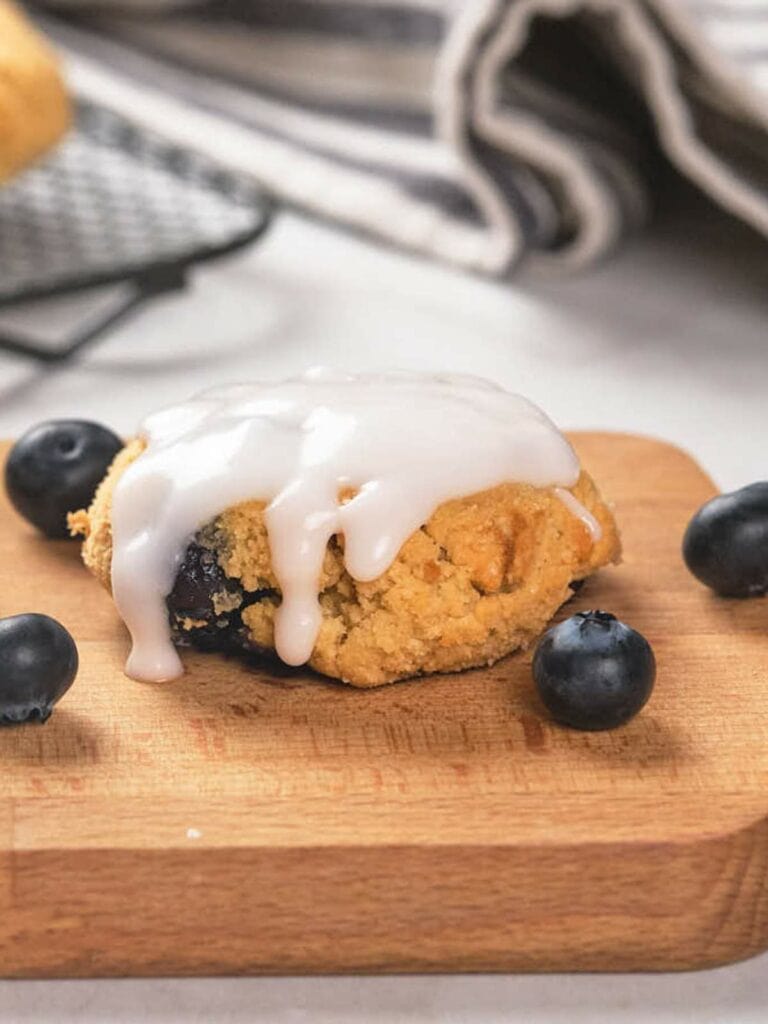
Apply the glaze by drizzling it over cakes, cookies, or pastries. Use a spoon or a piping bag for more control. Let the glaze set for a few minutes before serving.

Credit: glorifiedhobby.com
Flavor Variations To Try
Glaze icing without powdered sugar can be as exciting as the classic version. Exploring different flavors makes your treats stand out. Simple ingredients transform the taste and aroma. Experimenting with flavors lets you customize for any occasion.
Vanilla And Citrus
Vanilla adds a smooth, sweet note to glaze icing. Use pure vanilla extract for the best flavor. Citrus zest or juice brightens the glaze with fresh, tangy hints. Lemon, orange, or lime work well. Combine vanilla with lemon zest for a balanced taste.
Chocolate And Coffee
Mix cocoa powder into the glaze for a rich chocolate flavor. Unsweetened cocoa keeps the taste deep and natural. Add a small amount of brewed coffee or espresso for a bold twist. Coffee enhances the chocolate and adds warmth. Stir gently to keep the glaze smooth.
Spices And Extracts
Spices add warmth and depth to your glaze. Cinnamon, nutmeg, or ginger create cozy flavors perfect for fall. Use ground spices sparingly to avoid overpowering the glaze. Extracts like almond or peppermint add unique, fresh notes. Combine spices and extracts carefully for a balanced taste.
Tips For Applying Glaze
Applying glaze icing without powdered sugar can be a bit tricky, but with the right approach, you can achieve a smooth, shiny finish that elevates your baked goods. The key lies in timing, technique, and proper storage. These tips will help you get that perfect glaze every time, making your treats look as good as they taste.
Best Timing For Drizzling
Timing makes a big difference in how the glaze sets on your dessert. Drizzle the glaze when your baked goods are completely cool to avoid melting or sliding off. If you apply it too early, the glaze may become watery and uneven.
For certain warm pastries, you might want to wait a few minutes until they cool slightly but are still warm enough for the glaze to soak in gently. This can create a moist, flavorful layer. Ask yourself: do you want a shiny top or a soft, soaked finish? Your timing will decide that.
Techniques For Even Coverage
Even coverage starts with the right tools. Use a small spoon or a fork for drizzling if you want thin lines of glaze. For a thicker, more uniform layer, a silicone spatula or an offset spatula works best.
Try to drizzle in a steady back-and-forth motion, moving from one edge to the other without stopping. If you notice clumps or uneven spots, gently spread the glaze with a spatula before it sets. Don’t rush—glaze sets quickly and can become lumpy if not handled smoothly.
Storage And Shelf Life
Glaze icing without powdered sugar tends to be more delicate. Store your glazed treats in an airtight container to keep the glaze fresh and prevent it from drying out. Room temperature is usually fine for short-term storage, but refrigeration can help for longer periods.
If you plan to keep the glaze for later use, store it in a sealed jar in the fridge. Stir it well before reapplying, as some separation may occur. How long you keep it depends on the ingredients, but generally, use within a week for best flavor and texture.
Common Mistakes To Avoid
Making glaze icing without powdered sugar can be tricky if you’re not careful. Many people run into problems that could easily be avoided with a little attention to detail. Recognizing common mistakes helps you create a smooth, perfect glaze every time.
Too Thin Or Too Thick Glaze
Getting the right consistency is key. If your glaze is too thin, it will run off your baked goods and won’t set properly. Too thick, and it becomes clumpy or difficult to spread.
Try adding liquids like milk or juice slowly, a teaspoon at a time, to avoid thinning it out too much. On the other hand, if it feels thick, add a small splash of liquid instead of pouring a lot at once. Don’t rush this step—patience really pays off here.
Overheating Ingredients
Heat can change how your glaze turns out. Overheating ingredients like butter or honey can cause separation or a burnt taste. It’s better to warm ingredients gently and stir constantly.
Have you ever noticed a bitter flavor after melting honey too long? That’s a sign you need to be more careful with heat next time. Keep your temperature low and watch the mixture closely.
Using The Wrong Sweetener
Not all sweeteners behave the same way in glaze icing. Using granulated sugar directly, for example, can leave your glaze gritty instead of smooth. Honey, maple syrup, or agave nectar are better choices but may require adjusting liquid amounts.
Think about the flavor and texture you want before picking a sweetener. Do you want your glaze to be shiny or matte? Do you prefer a strong sweetness or something mild? Choosing the right sweetener affects these outcomes dramatically.
Frequently Asked Questions
What Ingredients Replace Powdered Sugar In Glaze Icing?
You can use granulated sugar, honey, or corn syrup as alternatives. Blend finely to achieve a smooth texture. Milk or water helps thin the glaze to desired consistency. These substitutes work well and keep the icing sweet and glossy.
How To Make Glaze Icing Without Powdered Sugar?
Dissolve granulated sugar in warm water or milk. Add a small amount of butter or vanilla for flavor. Whisk until smooth and glossy. Adjust thickness by adding more liquid or sugar. This method creates a simple, sweet glaze without powdered sugar.
Can Honey Be Used For Glaze Icing Instead?
Yes, honey is a natural sweetener that works well. Mix honey with a bit of milk or lemon juice. Whisk until smooth and pourable. Honey adds a unique flavor and sheen to the glaze. It’s a healthy alternative to powdered sugar.
Is Homemade Glaze Icing Without Powdered Sugar Healthy?
Homemade glaze without powdered sugar can be healthier. Using natural sweeteners like honey reduces processed sugar intake. Control the ingredients and avoid additives. However, it still contains sugars, so consume in moderation for balanced nutrition.
Conclusion
Making glaze icing without powdered sugar is easy and fun. Use simple ingredients like granulated sugar and milk. Stir well until smooth and shiny. This icing works well on cakes, cookies, and donuts. You can change flavors by adding vanilla or lemon juice.
No need for special sugar types. Try this recipe next time you bake. Enjoy a tasty glaze with what you have at home. Simple steps, great results. Baking made easier.