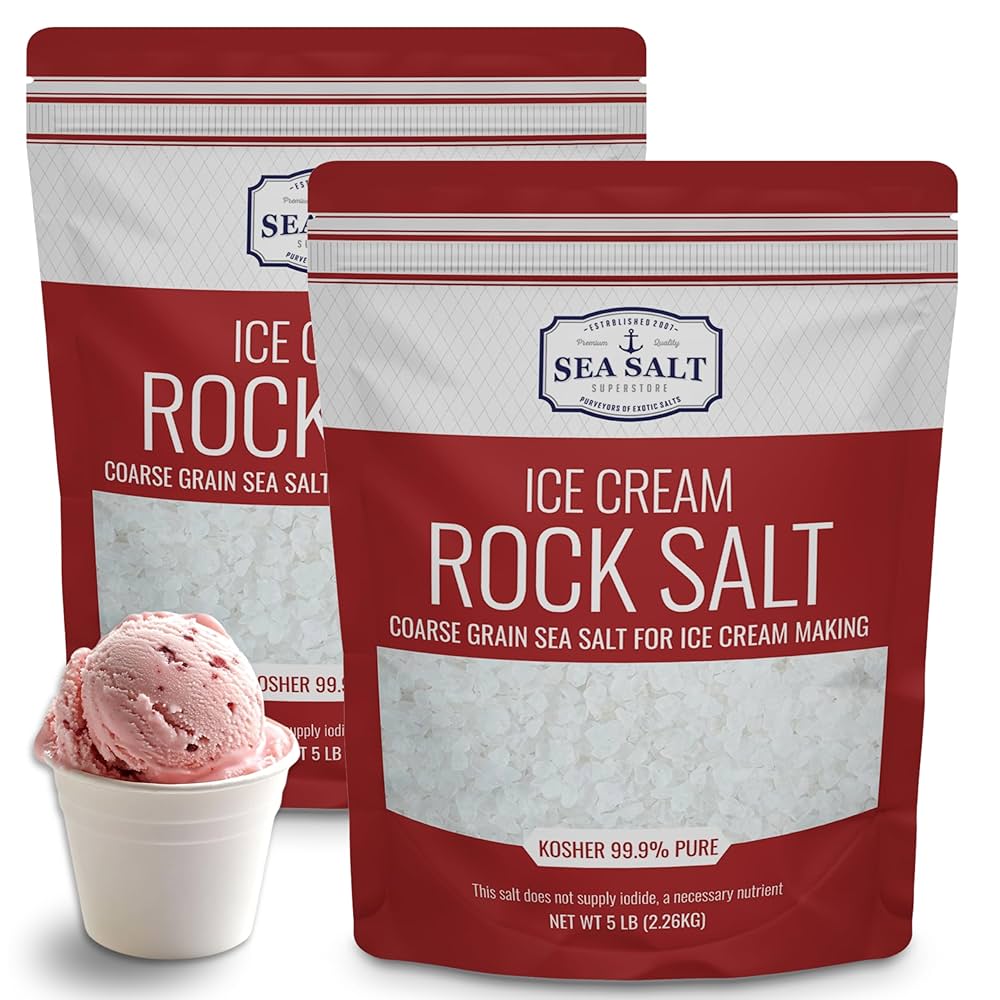
If you’ve ever made ice cream at home, you know that rock salt is a key ingredient. But how much rock salt do you actually need for your ice cream maker?
Using too little or too much can change the texture and freeze time of your ice cream. Getting it just right means smoother, creamier results every time. Keep reading, and you’ll discover the simple secret to perfect ice cream with the right amount of rock salt for your machine.

Credit: www.heb.com
Role Of Rock Salt In Ice Cream Making
Rock salt plays an important role in making ice cream with traditional ice cream makers. It helps create the perfect cold environment needed to freeze the ice cream mixture. This salt affects the freezing process and the texture of the ice cream. Understanding how rock salt works helps in making smoother, creamier ice cream.
How Rock Salt Lowers Freezing Point
Rock salt lowers the freezing point of ice around the ice cream maker. This means the ice melts at a temperature below 32°F (0°C). The salt absorbs heat from the ice, making the mixture colder. This extra cold temperature freezes the ice cream mix faster. Faster freezing forms smaller ice crystals. Small ice crystals make the ice cream smooth.
Effect On Ice Cream Texture
The salt’s ability to lower the freezing point affects ice cream texture deeply. Without salt, the ice freezes too slowly and creates large crystals. Large ice crystals make the ice cream grainy and icy. Using the right amount of rock salt keeps the ice cream creamy. It allows the mixture to freeze evenly and quickly. The result is a soft, rich, and smooth ice cream.
Choosing The Right Amount Of Rock Salt
Choosing the right amount of rock salt is key to making your ice cream turn out perfectly smooth and creamy. Too little salt won’t lower the freezing point enough, and your ice cream might stay too soft. Using too much can slow down the freezing process or cause clumping, so finding the right balance matters.
Recommended Ratios For Different Ice Cream Makers
Different ice cream makers require different amounts of rock salt depending on their design and capacity. Most traditional hand-crank machines need about 1 to 1.5 cups of rock salt per 5 pounds of ice. Electric models with built-in freezing bowls usually require less salt since they rely less on salt and ice for freezing.
| Ice Cream Maker Type | Ice Amount | Rock Salt Amount |
|---|---|---|
| Hand-crank (5 lb ice) | 5 pounds | 1 to 1.5 cups |
| Hand-crank (10 lb ice) | 10 pounds | 2 to 3 cups |
| Electric (built-in freezer) | N/A | Minimal or none |
Have you ever wondered why some recipes say to add salt gradually? That’s because the exact ratio can depend on the salt’s grain size and your local temperature. It’s smart to start with less and add more if needed.
Impact Of Salt Quantity On Freezing Speed
The amount of rock salt you add directly affects how fast your ice cream freezes. Salt lowers the freezing point of ice, creating a colder environment for the ice cream mixture. More salt means a lower freezing temperature, speeding up the freezing process.
However, too much salt can make the ice-salt mixture wet and slushy, slowing down the freezing. It can also cause uneven freezing, leading to ice crystals in your ice cream. Finding the sweet spot helps you freeze your ice cream faster without compromising texture.
Next time you make ice cream, try adjusting the salt slightly and watch how the freezing time changes. What difference do you notice in texture and smoothness? Your taste buds will tell you if you found the perfect salt balance.
Types Of Rock Salt To Use
Making homemade ice cream can be a delightful experience, but the type of rock salt you use plays a crucial role in achieving the perfect texture. Not all rock salts are created equal, and choosing the right one can make or break your ice cream-making adventure. Let’s explore the different types of rock salt available and determine which one best suits your needs.
Coarse Vs Fine Rock Salt
When deciding between coarse and fine rock salt, consider how quickly you want the ice cream to freeze. Coarse rock salt has larger granules, which dissolve more slowly, creating a more gradual freezing process. This can be ideal for achieving a creamier texture, as it allows the mixture to churn evenly.
On the other hand, fine rock salt dissolves quickly, speeding up the freezing process. This can be beneficial if you’re in a hurry or prefer a firmer ice cream. However, it may require more frequent monitoring to prevent over-freezing. Consider your preferences and timeline to make the best choice for your recipe.
Food Grade Considerations
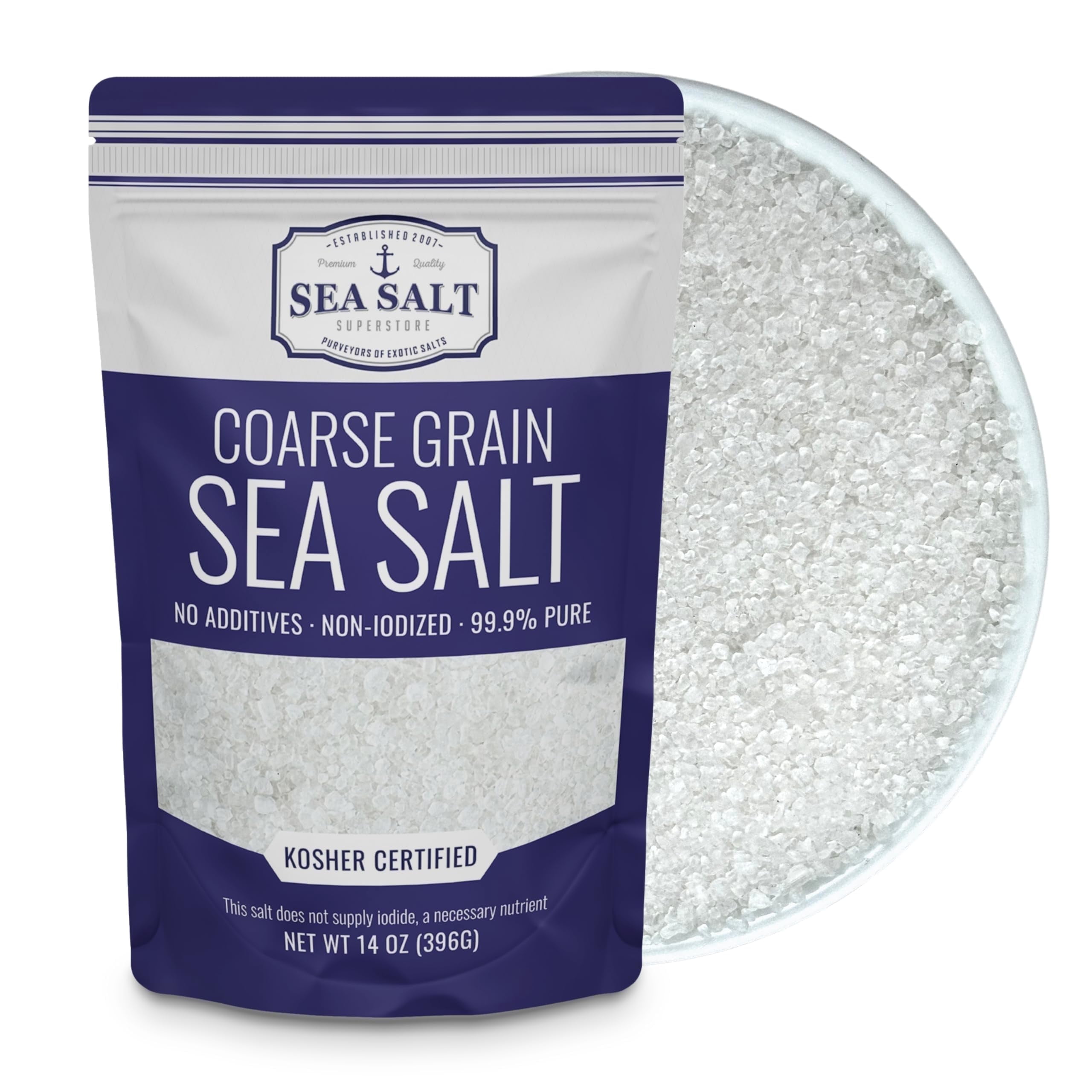
It’s important to ensure that the rock salt you use is food-grade. This means it’s safe for use in food preparation, even though it won’t be directly consumed. Using non-food-grade salt can introduce impurities that might affect the taste or safety of your ice cream.
Always check the packaging to confirm that the salt is labeled as food-grade. This simple step can save you from potential mishaps and ensure that your homemade ice cream is both delicious and safe for everyone to enjoy. Have you ever had an ice cream mishap due to the wrong type of salt? Share your story in the comments!
Credit: www.walmart.com
Step-by-step Rock Salt Usage
Using the right amount of rock salt is crucial for making smooth, creamy ice cream with your ice cream maker. The salt lowers the freezing point of the ice, allowing the mixture to freeze evenly and quickly. Knowing how to properly prepare and layer the salt and ice can make a noticeable difference in your final dessert.
Preparing The Ice And Salt Mixture
Start by gathering plenty of ice cubes and coarse rock salt. The salt should be coarse because fine salt dissolves too quickly, losing its ability to lower the ice’s freezing point effectively.
Mix the ice and rock salt in a large bowl or directly in the ice cream maker’s outer container. A good rule is to use about 1 part rock salt to 5 parts ice. For example, if you have 5 cups of ice, add 1 cup of rock salt.
Think about your last ice cream attempt—did the mixture freeze well? If not, adjusting the salt-to-ice ratio might be the key you overlooked.
Layering Salt And Ice Correctly
Layering is as important as the salt quantity. Begin by placing a layer of ice at the bottom of your container, then sprinkle a layer of rock salt over it.
Alternate layers of ice and salt until you reach the top, finishing with a layer of ice to keep the salt from touching the inner container directly. This ensures consistent cooling around the ice cream mixture.
Pay close attention to how even your layers are. Uneven layering can cause your ice cream to freeze unevenly, leaving you with icy chunks rather than a smooth treat.
Common Mistakes And How To Avoid Them
Getting the right amount of rock salt for your ice cream maker can be tricky. Many people either add too much or too little, which affects how well the ice cream freezes. Understanding these common mistakes helps you get smoother, creamier results every time.
Using Too Much Salt
Adding too much rock salt might seem like a quick fix to speed up freezing, but it can actually backfire. Excess salt lowers the freezing point too much, causing the ice to melt faster and become slushy.
I once dumped a whole bag of rock salt into the ice bucket, hoping for faster results. Instead, my ice cream never fully set and tasted overly salty. To avoid this, stick to the recommended amount—usually about 1 to 1.5 cups of rock salt per 5 pounds of ice.
Using Too Little Salt
On the other hand, using too little salt slows down the freezing process. Without enough salt, the ice won’t get cold enough, and your ice cream mixture won’t firm up properly.
During a summer gathering, I tried cutting corners by adding less salt. The ice cream took forever to freeze and ended up icy and grainy. If you want that perfect creamy texture, make sure to add enough salt to lower the freezing temperature effectively.
Tips For Best Ice Cream Results
Getting the best ice cream from your ice cream maker depends on a few key steps. These tips help keep the process smooth and the results tasty. Focus on temperature control and cleanliness to improve texture and flavor. Simple care and attention can make a big difference in your homemade ice cream.
Maintaining Consistent Temperature
Rock salt helps lower the freezing point of ice around the ice cream container. Use the right amount of rock salt for your ice cream maker size. Too little salt slows freezing. Too much salt can cause uneven freezing and a gritty texture.
- Use about 1 to 2 cups of rock salt per 5 pounds of ice.
- Layer ice and salt evenly around the ice cream bowl.
- Keep the salt and ice mixture cold by adding more ice if it melts quickly.
- Do not open the lid often; it lets warm air in and raises temperature.
Maintaining a cold, steady environment is key. This ensures your ice cream freezes smoothly and has a creamy texture.
Cleaning And Safety Precautions
Clean the ice cream maker parts after every use. Salt and ice can cause corrosion if left on metal parts. Use warm, soapy water and rinse well. Dry all parts completely before storing.
- Do not immerse the motor base in water.
- Handle rock salt carefully; it can irritate skin.
- Keep salt away from children and pets.
- Store rock salt in a dry, sealed container to avoid clumping.
Following these steps protects your machine and keeps your ice cream safe to eat. Proper cleaning and safety make the ice cream-making process more enjoyable.

Credit: www.ebay.ca
Frequently Asked Questions
How Much Rock Salt Is Needed For An Ice Cream Maker?
Use about 1 to 2 pounds of rock salt per 5 pounds of ice. This ratio helps lower the freezing point and churns ice cream evenly.
Why Is Rock Salt Important For Ice Cream Makers?
Rock salt lowers the ice’s freezing point, allowing the mixture to freeze. It creates the cold environment needed for smooth, creamy ice cream.
Can Table Salt Replace Rock Salt In Ice Cream Making?
Table salt is finer and dissolves quickly, affecting texture. Rock salt is preferred because it melts ice slowly, maintaining consistent cold temperatures.
How Often Should I Add Rock Salt During Ice Cream Making?
Add rock salt as needed when the ice melts. Usually, adding salt every 15-20 minutes keeps the ice cream freezing efficiently.
Conclusion
Using the right amount of rock salt helps make smooth ice cream. Too little salt slows freezing, while too much can be messy. Generally, 1 to 2 cups of rock salt work well for most ice cream makers. This balance keeps the ice cold and the mix creamy.
Remember to follow your machine’s instructions for best results. Enjoy making your homemade ice cream with confidence and ease. Simple steps lead to tasty treats.