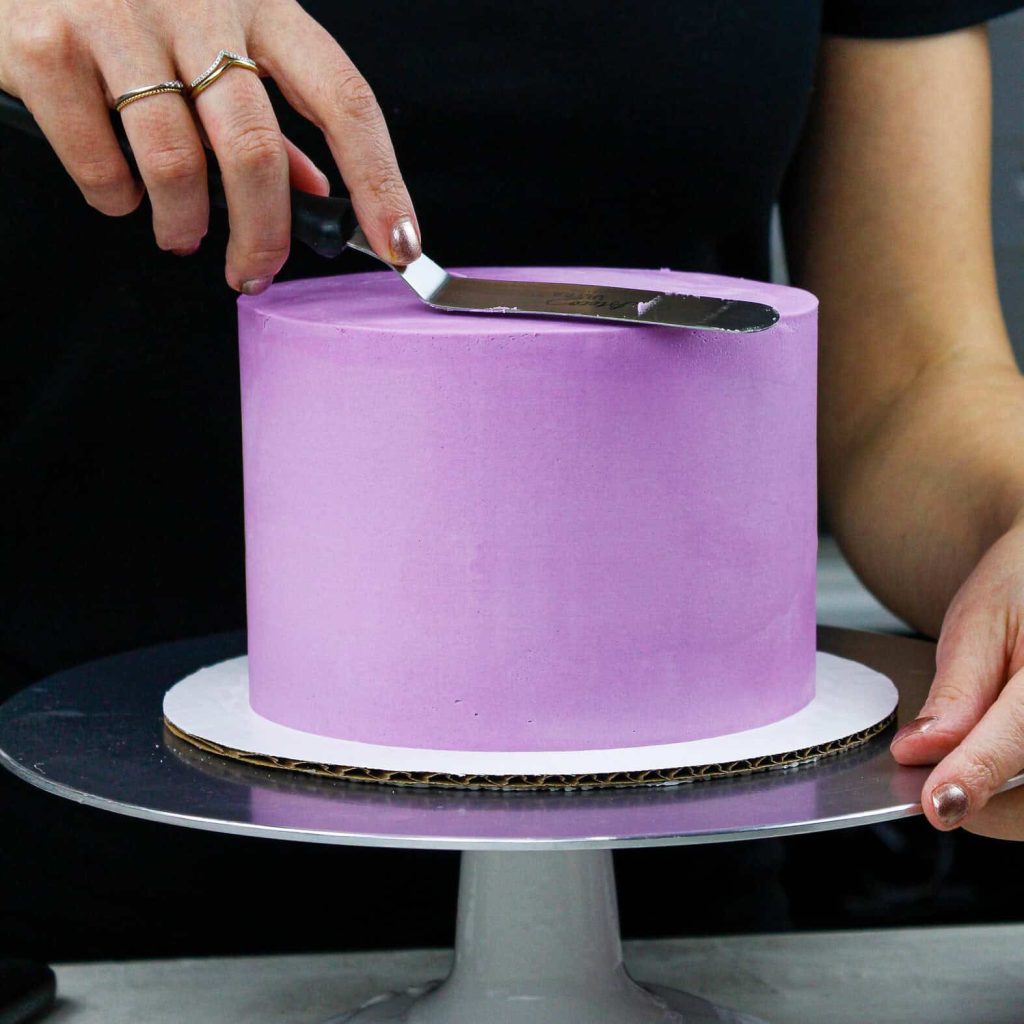
You want your icing to look flawless, right? Smooth, shiny, and perfect every time.
But sometimes, it feels like no matter what you do, that smooth finish just won’t happen. Don’t worry—getting that silky, smooth icing is easier than you think. You’ll discover simple tricks and expert tips that will transform your icing from lumpy to luscious.
Keep reading, and you’ll be amazed at how quickly your cakes and cupcakes start to look professional and irresistible. Ready to make your icing smooth and stunning? Let’s dive in!
Choosing The Right Icing
Choosing the right icing is key to achieving a smooth finish on your cakes or cupcakes. Different icings behave differently under your spatula or scraper, so knowing which one suits your skill level and the look you want is essential. Let’s break down some popular options to help you find the perfect match for your baking project.
Buttercream Basics
Buttercream is a favorite for many because it’s easy to make and versatile. It smooths nicely when you use room temperature butter and sift your powdered sugar well. Have you noticed how a bit of milk or cream can change the texture? Adding small amounts helps you get that silky feel without making it too runny.
Try beating your buttercream longer than you think necessary—often, extra mixing gives you a fluffier, smoother result. If your icing looks grainy, a quick blitz in the mixer can fix it. Don’t forget, the temperature of your kitchen affects buttercream too; too warm and it melts, too cold and it stiffens.
Cream Cheese Frosting
Cream cheese frosting offers a tangy twist and creamy texture, but it can be tricky to get smooth. Always use full-fat cream cheese and soften it completely before whipping. Cold cream cheese leads to lumps that won’t disappear easily.
Adding powdered sugar gradually while mixing helps keep the texture smooth. If your frosting feels too soft, chill it briefly and then whip again—it firms up but stays spreadable. Have you tried balancing the sweetness with a pinch of salt? It enhances flavor and controls the tanginess.
Royal Icing Tips
Royal icing is perfect for detailed decorating and hard finishes, but it requires precision for smooth application. Mix your icing until stiff peaks form for best control. If it’s too runny, it won’t hold shape; too stiff, and it becomes hard to spread evenly.
Practice patience when smoothing royal icing. Use a dampened spatula or knife to gently even out the surface without damaging designs. A quick tip: cover your work with a damp cloth between uses to prevent drying out. Have you noticed how humidity affects royal icing drying time? Adjust your mixing consistency accordingly.
Essential Tools For Smooth Icing
Creating smooth icing isn’t just about the recipe; the tools you use make a huge difference. The right equipment helps you spread, shape, and finish your icing with ease and precision. If you want your cakes to look professional and polished, investing in essential tools is a smart move.
Spatulas And Smoothers
Spatulas are your best friends for spreading icing evenly. A flexible offset spatula lets you reach tricky corners without damaging your cake’s surface. Meanwhile, a bench scraper or icing smoother helps you get those perfectly flat edges and flawless sides.
Think about a time when your icing looked uneven or bumpy—did you have the right tools? Using a dull or rigid knife might make the icing tear or stick. Switching to a quality spatula can make your icing glide smoothly and save you frustration.
Piping Bags And Tips
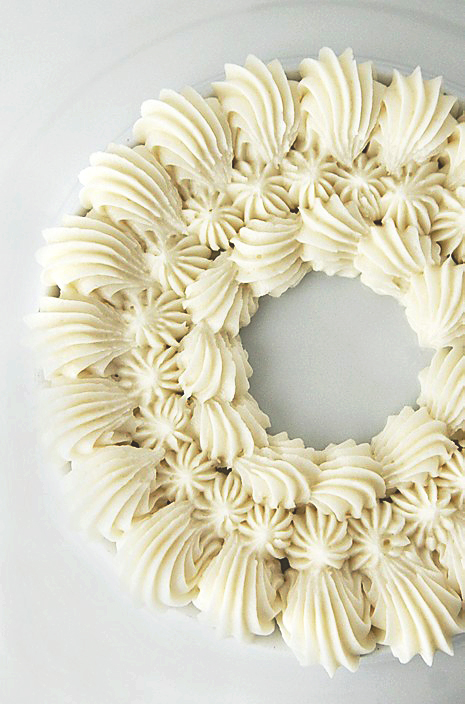
Piping bags give you control over where and how much icing you apply. Pair them with different tips to create varied textures and details. Round tips are great for simple borders, while star tips add beautiful ridges that can hide any minor imperfections.
If you’ve ever tried decorating freehand without a piping bag, you know how messy it can get. Using the right piping tips helps you work faster and achieve neater results. Plus, you can easily switch tips to match your design needs.
Turntables And Bowls
A turntable lets you spin your cake smoothly as you ice it, making it easier to apply consistent layers. Without one, you might find yourself awkwardly moving around the cake or risking smudging your work. Bowls with non-slip bottoms keep your icing stable while mixing, preventing spills and messes.
Think about how much smoother your icing could be if you could rotate the cake instead of moving your hand around it. A turntable offers that advantage, giving you steady control. Combining this with the right bowl ensures your icing is well-mixed and ready to spread.
Preparing Icing For Smoothness
Mix icing slowly to avoid lumps and create a creamy texture. Use room temperature ingredients for better blending and smooth results.
Preparing icing to achieve a smooth, flawless finish is an art in itself. Whether you’re aiming for a sleek cake covering or a glossy cupcake swirl, the secret lies in the details. Attention to these small yet crucial aspects can transform your icing from average to extraordinary. Let’s dive into the essential techniques for preparing your icing to perfection.Sifting Sugar
Sifting your sugar is the foundation of a smooth icing. It prevents lumps from forming, which can ruin the texture. Use a fine mesh sieve to sift your powdered sugar into a bowl. Take this extra step seriously, as it ensures a lump-free icing. Imagine the satisfaction of spreading icing without any pesky clumps.Adjusting Consistency
Achieving the right consistency is key to smooth icing. Too thick and it won’t spread well; too thin and it will slide off. Begin with the basic recipe and adjust with small amounts of milk or cream until you reach the desired texture. Think of it like finding the perfect balance in a recipe—sometimes it needs a little more of this or that. Don’t rush this process; patience is your friend here.Temperature Control
Temperature can make or break your icing. Cold ingredients can cause the icing to stiffen, while overly warm conditions might lead to a runny mess. Keep your icing at room temperature for the best results. Consider this: would you want to work with butter that’s been left out too long or is fresh out of the fridge? The same principle applies to icing, where temperature control ensures it spreads smoothly. Taking these steps can elevate your icing game significantly. Have you ever thought about how much impact these simple adjustments can have on the final look of your baked creations? Give it a try and see the difference for yourself.
Credit: chelsweets.com
Techniques For Applying Icing
Applying icing smoothly takes patience and the right techniques. The process starts with preparing the cake surface. Then, you apply thin layers of icing carefully. Finally, you smooth the icing to get a clean finish. Each step helps avoid crumbs and bumps on the cake. Use simple tools and steady hands for best results.
Crumb Coating
Crumb coating creates a thin, even layer of icing. It traps loose crumbs so they do not mix in the final icing. Spread a small amount of icing gently over the cake. Use a spatula to cover all sides lightly. Chill the cake for 15 to 30 minutes. This step makes the final layer smooth and crumb-free.
Layering And Spreading
Apply a thicker layer of icing after the crumb coat sets. Use a spatula or icing knife to spread it evenly. Hold the spatula at a slight angle. Move it in long, smooth strokes around the cake. Avoid pressing too hard to keep the icing soft. Continue spreading until all areas are covered.
Smoothing With A Bench Scraper
A bench scraper helps achieve a flawless finish on icing. Hold it vertically against the cake. Rotate the cake slowly while keeping the scraper steady. This evens out the icing and removes excess. For sharp edges, use the scraper to gently press along the cake corners. Clean the scraper often to prevent icing buildup.
Fixing Common Icing Problems
Fixing common icing problems can save your cake’s look and taste. Smooth icing makes your baked goods more appealing and enjoyable. Many icing issues appear during mixing or spreading. Quick fixes often restore the perfect texture and finish. Here are solutions for frequent icing troubles.
Dealing With Air Bubbles
Air bubbles make icing look uneven and rough. They form when you whip icing too fast or too long. To remove bubbles, tap your bowl gently on the counter. Use a spatula to stir slowly and release trapped air. For large bubbles, spread icing thinly and smooth with a warm spatula.
Correcting Grainy Texture
Grainy icing feels coarse, not silky. This happens if sugar isn’t fully dissolved or you add it too fast. Warm the icing slightly and stir well to dissolve sugar crystals. Use fine powdered sugar instead of granulated. If graininess persists, strain the icing through a fine sieve.
Rescuing Runny Icing
Runny icing slides off the cake and won’t hold shape. This occurs with too much liquid or warm temperatures. Add small amounts of powdered sugar to thicken it up. Chill the icing in the fridge for 10-15 minutes before using. Avoid adding water; use milk or cream sparingly for better control.

Credit: www.lifeloveandsugar.com
Advanced Tips For Flawless Frosting
Advanced tips can elevate your frosting to a flawless finish. Small changes in technique create smooth, beautiful icing. These tips help you achieve professional-looking cakes with ease. Try these methods for a polished, even surface every time.
Using Warm Water For Smoothing
Dip your spatula in warm water before smoothing the frosting. The heat helps melt and soften the icing’s surface. Wipe the spatula dry and gently glide it over the frosting. Repeat this process until the surface looks even and sleek. Warm water smooths out lumps without disturbing the layers beneath.
Chilling Between Layers
Place the cake in the fridge after spreading each frosting layer. Chilling firms the icing, making it easier to apply the next layer. This prevents smudging and unevenness in your final coat. Wait about 15-30 minutes before adding more frosting. Patience here pays off with cleaner, sharper edges.
Creating A Mirror Finish
For a glossy, mirror-like frosting, use a hot spatula or bench scraper. Heat it by running under warm water and drying completely. Smooth the frosting quickly, applying light pressure. The heat slightly melts the surface, giving a shiny effect. This technique works best on buttercream or ganache coatings.
Credit: savorysweetlife.com
Frequently Asked Questions
How Do I Get Smooth Icing Without Lumps?
Use sifted powdered sugar and room temperature butter. Beat the mixture well. Add milk gradually for smooth consistency.
What Tools Help Achieve Perfectly Smooth Icing?
A hand mixer or stand mixer ensures smooth texture. Use an offset spatula to spread icing evenly.
Can Adding Warm Water Make Icing Smoother?
Yes, adding a small amount of warm water thins icing. Mix slowly to avoid making it too runny.
Why Is My Icing Grainy Instead Of Smooth?
Graininess often comes from unsifted sugar or cold ingredients. Use softened butter and sift sugar before mixing.
Conclusion
Smooth icing makes any cake look better and taste great. Use simple tools and fresh ingredients for best results. Take your time to mix and spread the icing evenly. Small steps can make a big difference. Practice often, and you will improve quickly.
Enjoy the process and share your sweet creations with friends. Baking is fun, and smooth icing adds a special touch. Keep trying, and soon your cakes will look professional and inviting.