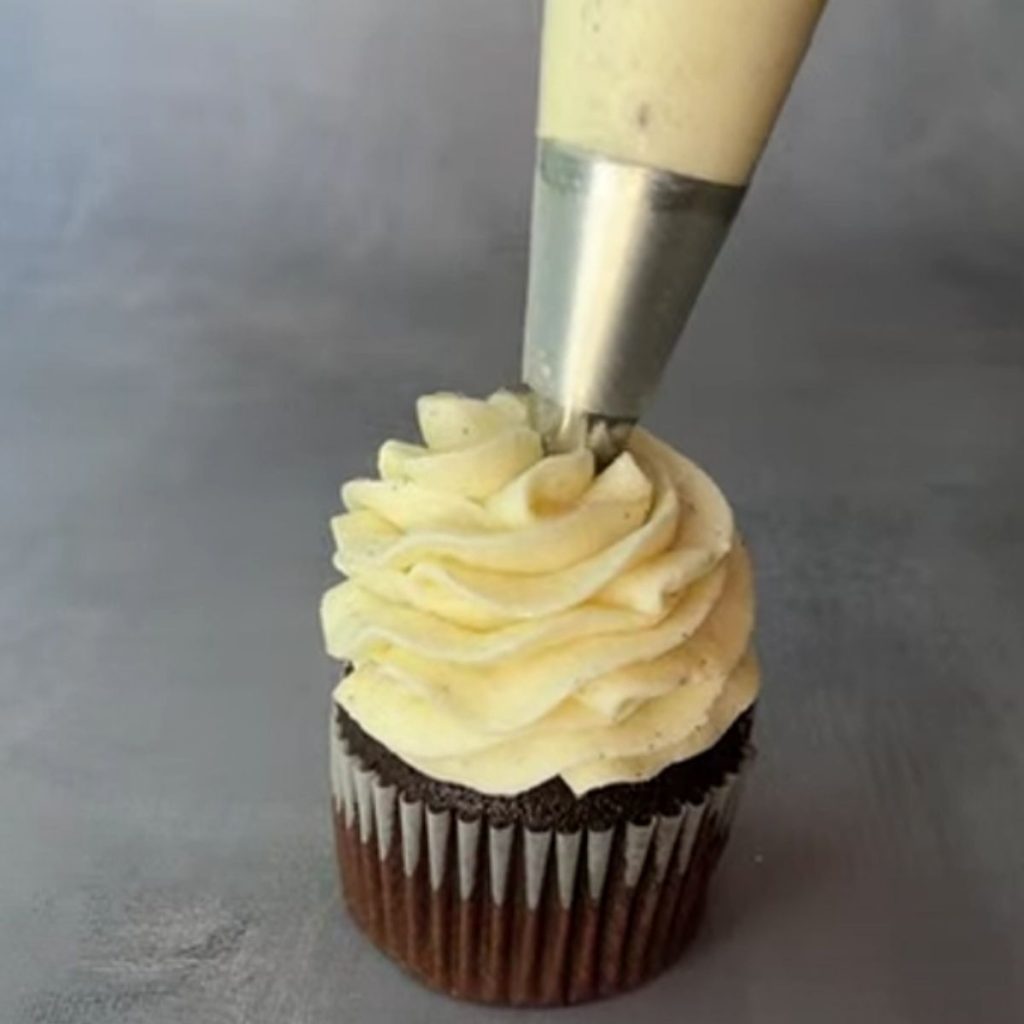
Have you ever found yourself ready to decorate a cake or cookies, only to realize you’re out of powdered sugar? It’s frustrating, right?
But what if you didn’t have to run to the store or delay your baking? You can actually make a smooth, tasty icing glaze without powdered sugar. In this guide, you’ll discover simple, effective ways to create that perfect glaze using ingredients you probably already have at home.
Keep reading, and you’ll learn how to transform your treats quickly and easily—no special sugar needed!

Credit: glorifiedhobby.com
Ingredients You Need
Making icing glaze without powdered sugar is simple with the right ingredients. Knowing what to use helps create a smooth, sweet glaze. This section covers all you need to get started.
Alternatives To Powdered Sugar
- Granulated Sugar:Blend it finely to mimic powdered sugar texture.
- Cornstarch and Sugar Mix:Combine granulated sugar with cornstarch for a smoother finish.
- Honey or Maple Syrup:Natural sweeteners that add flavor and moisture.
- Coconut Sugar:A less processed option with a rich taste.
- Brown Sugar:Adds a deeper, caramel-like flavor to your glaze.
Other Essential Ingredients
- Milk or Water:Adjusts consistency for the perfect glaze thickness.
- Butter or Oil:Adds richness and smooth texture.
- Vanilla Extract:Enhances the sweetness with a subtle flavor.
- Lemon Juice or Zest:Adds a fresh, tangy twist to balance sweetness.
- Salt:A pinch to bring out flavors and cut sweetness.
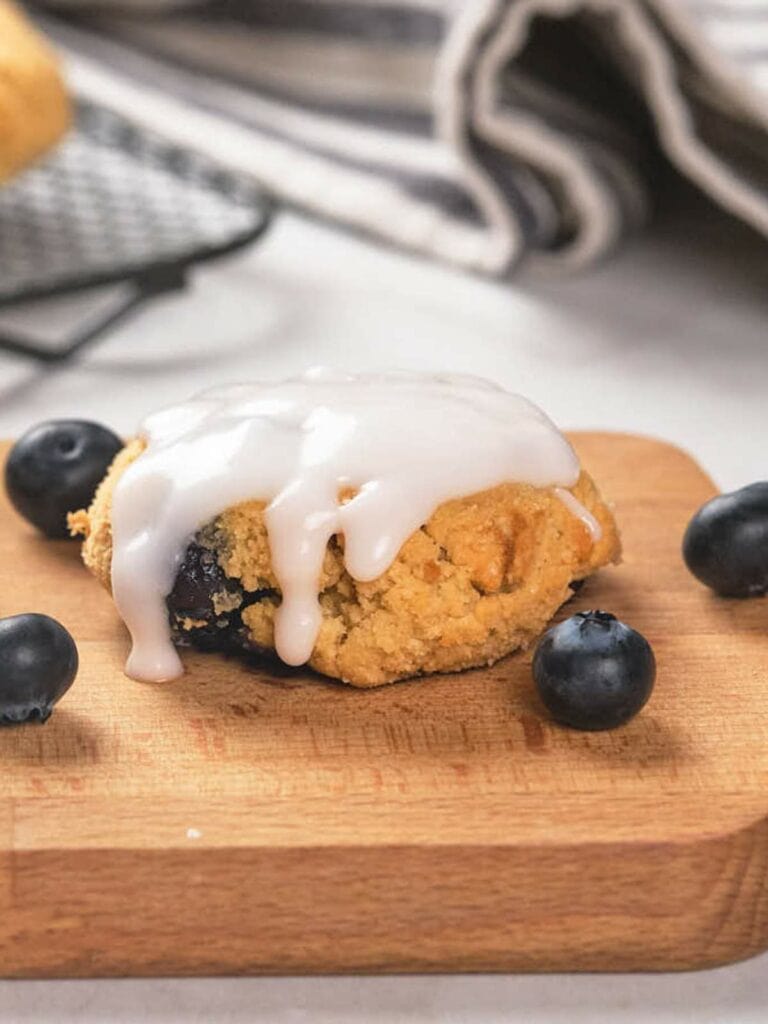
Credit: www.primaledgehealth.com
Preparing The Base
Preparing the base for icing glaze without powdered sugar is all about finding the right balance between ingredients and technique. The base sets the stage for the glaze’s texture, sweetness, and how well it will coat your baked goods. Getting this right can transform a simple glaze into a delicious finish that enhances every bite.
Choosing The Right Liquid
The liquid you choose affects both the flavor and consistency of your glaze. Water is the simplest option, but it can sometimes make the glaze too thin or bland. Milk or cream adds richness and a subtle sweetness that water can’t provide.
Try using fruit juices like lemon or orange for a tangy twist that brightens up your glaze. You can even experiment with brewed tea or coffee for unique flavors. Think about what complements your baked treat and adjust the liquid accordingly.
Mixing Techniques For Smoothness
Smoothness is key to a glossy, professional-looking glaze. Start by whisking your dry ingredients thoroughly to avoid lumps. Then, add your chosen liquid gradually while stirring continuously to maintain a silky texture.
Using a hand mixer or a whisk in quick, small circles helps break down any clumps. If your glaze feels too thick, add the liquid drop by drop to reach the desired flow. Have you noticed how a little patience in mixing makes all the difference in texture?
Sweetening Without Powdered Sugar
Creating icing glaze without powdered sugar is simple using alternatives like honey or maple syrup. Mixing these with milk or water creates a smooth, sweet glaze perfect for cakes and pastries. This method keeps your glaze creamy and delicious without any special ingredients.
Creating a delightful icing glaze without the usual powdered sugar might seem like a challenge, but it’s entirely possible and can lead to exciting new flavors. Who would have thought you could achieve that perfect drizzle with everyday ingredients? Whether you’re out of powdered sugar or simply looking to try something new, there are alternative sweeteners that can deliver both taste and texture.Using Honey Or Maple Syrup
Honey and maple syrup aren’t just for pancakes. These natural sweeteners can bring a rich depth to your icing glaze. Simply warm a small amount of honey or maple syrup, then gradually mix it with a bit of milk or cream until you reach your desired consistency. The honey will give your glaze a floral note, while maple syrup offers a warm, earthy sweetness. You’ll also enjoy the added benefit of these sweeteners being less processed than powdered sugar. Have you considered the unique flavor profile they could bring to your next batch of cookies or muffins?Incorporating Granulated Sugar
Granulated sugar is a pantry staple that can be transformed into a smooth glaze with a little effort. Start by dissolving the sugar in a small amount of liquid, such as water or milk, over low heat. Stir consistently until the sugar fully dissolves, creating a syrup-like base. This method may take slightly longer, but the result is a shiny, sweet glaze that’s perfect for drizzling over your baked goods. Have you ever tried infusing this mixture with a splash of vanilla or almond extract for an extra layer of flavor? It’s a simple way to elevate your glaze without needing powdered sugar.Adjusting Consistency
Adjusting the consistency of icing glaze without powdered sugar is key to achieving the perfect texture. The right thickness helps the glaze spread smoothly or drip beautifully over your baked goods. Small tweaks can make a big difference in how your glaze looks and tastes.
Thickening Methods
To thicken your glaze, start by adding more dry ingredients. Cornstarch or arrowroot powder works well to create a smooth, thick texture. Mix a small amount into the glaze and stir thoroughly. Let it sit for a few minutes to see the full effect.
Another way to thicken is by chilling the glaze. Cold temperatures help it firm up naturally. Place the glaze in the fridge for 10-15 minutes and check the consistency. Repeat if needed until the glaze reaches the desired thickness.
Thinning The Glaze
Thin the glaze by adding small amounts of liquid. Milk, water, or lemon juice can gently loosen the mixture. Add liquid gradually, stirring constantly to avoid making it too runny.
If the glaze becomes too thin, wait a few minutes. It often thickens slightly as it rests. Adjust in small steps for better control over the final texture.
Flavor Variations
Adding flavor to your icing glaze without powdered sugar opens up a world of tasty possibilities. Simple tweaks can turn a basic glaze into something memorable. Experimenting with different flavors keeps your baking exciting and lets you tailor the glaze to match your dessert perfectly.
Adding Citrus Zest
Citrus zest adds a fresh, bright note to your glaze. Lemon, orange, or lime zest works well, giving a natural tang without extra sugar.
Try grating a teaspoon of lemon zest into your glaze mixture. It adds a subtle zing that complements fruity or vanilla-flavored cakes beautifully.
Have you ever noticed how a little orange zest can lift the flavor of a simple glaze? It’s an easy way to make your dessert stand out with minimal effort.
Using Extracts And Spices
Extracts like vanilla, almond, or peppermint bring depth to your glaze. Just a few drops can change the whole flavor profile.
Spices such as cinnamon, nutmeg, or ginger offer warmth and complexity. Add a pinch to your glaze and see how it transforms your baked goods.
Don’t hesitate to combine flavors—for example, vanilla with a hint of cinnamon creates a cozy, inviting taste. What unexpected spice could you add to surprise your guests?
Tips For Perfect Glaze
Perfect glaze transforms ordinary baked goods into delightful treats. Achieving the right texture and shine requires a few simple tips. These tips help create a smooth, glossy glaze without powdered sugar.
Avoiding Clumps
Mix ingredients slowly to prevent lumps. Use a whisk or fork for even blending. Sift dry ingredients before mixing. Add liquids gradually while stirring constantly. Warm liquids dissolve ingredients faster. If clumps appear, strain the glaze through a fine sieve.
Storage And Shelf Life
Store glaze in an airtight container. Keep it in the refrigerator to stay fresh. Use glaze within three to five days. Stir well before using after storage. Avoid freezing glaze as it may change texture. Always check for smell or color changes before reuse.
Recipes To Try
Trying out different icing glazes without powdered sugar opens up a world of creative baking. You don’t have to rely on store-bought ingredients to get that perfect shine and sweetness on your treats. Below are some simple, tasty glaze recipes you can whip up with common kitchen staples.
Basic Glaze Recipe
Start with a smooth, simple glaze by mixing granulated sugar with a bit of warm water or milk. Stir until the sugar dissolves completely; this creates a sweet, glossy finish for cakes or donuts. Add a splash of vanilla extract to enhance the flavor without overpowering your baked goods.
Chocolate Glaze Option
Chocolate lovers, this one’s for you. Melt some dark or milk chocolate with a little butter or cream to get a silky glaze. If you want a hint of sweetness without powdered sugar, try adding honey or maple syrup—this also adds a nice depth to the chocolate flavor.
Fruit-flavored Glaze
Use fresh fruit juice like orange, lemon, or even berry juice as the base for a vibrant glaze. Combine it with cornstarch or a little granulated sugar, then cook gently until thickened. This glaze not only adds color but also a refreshing zing that pairs well with light cakes and pastries.

Credit: iambaker.net
Frequently Asked Questions
What Can Replace Powdered Sugar In Icing Glaze?
You can use granulated sugar, honey, or maple syrup as substitutes. Blend granulated sugar finely for smooth texture. These alternatives add natural sweetness and work well in glaze recipes without powdered sugar.
How To Make Smooth Icing Glaze Without Powdered Sugar?
Use finely ground granulated sugar or blend sugar with cornstarch. Mix with milk or water gradually. Stir until smooth and pourable. This method creates a glossy, smooth glaze without powdered sugar.
Is Cornstarch Useful In Homemade Icing Glaze?
Yes, cornstarch helps thicken and smooth glaze consistency. It prevents grittiness when using granulated sugar. Adding a small amount improves texture and provides a silky finish without powdered sugar.
Can Honey Or Syrup Create A Good Icing Glaze?
Honey and syrup add moisture and sweetness to glaze. They create a glossy finish but may alter flavor slightly. Use in small amounts and combine with flour or cornstarch for best results.
Conclusion
Making icing glaze without powdered sugar is simple and fun. Use common ingredients like granulated sugar, milk, and vanilla. Stir well until smooth and thick. You can adjust sweetness or thickness easily. This glaze works well on cakes, cookies, and pastries.
Try different flavors to suit your taste. Enjoy homemade glaze without extra trips to the store. Baking becomes more flexible and creative this way. Give it a try and see how easy it is!