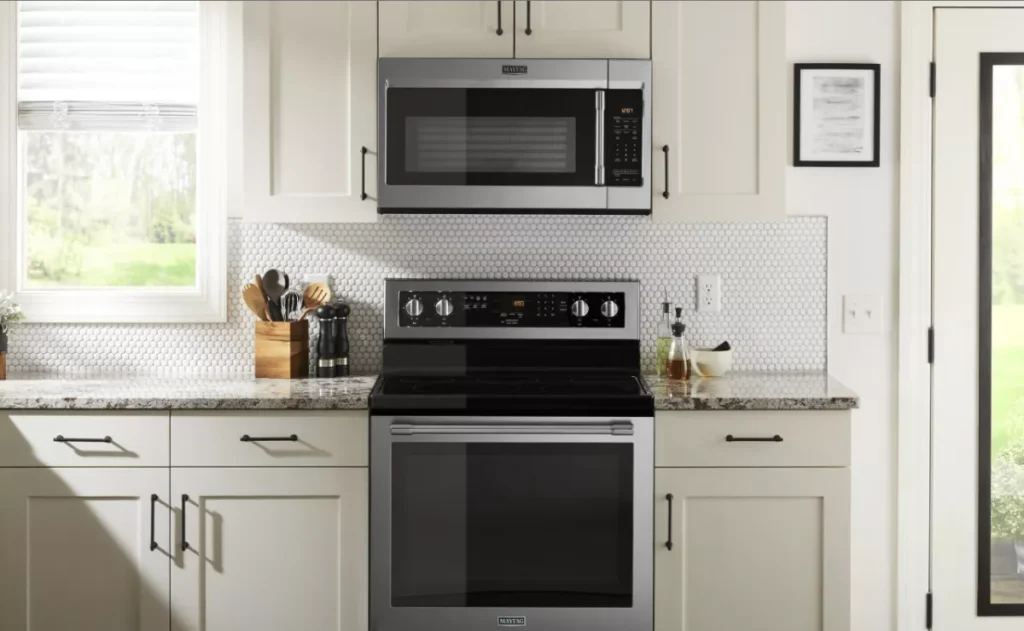
Have you ever wondered what really sets an oven apart from a microwave? You probably use both in your kitchen, but do you truly know how they work differently and why it matters for your cooking?
Understanding these differences can save you time, improve your meals, and even help you choose the right appliance for your needs. Keep reading to discover the surprising facts that will change the way you cook forever.
How Ovens Work
Ovens are essential tools in many kitchens. They provide a reliable way to cook food evenly. Understanding how ovens work can help improve your cooking skills. Let’s dive into the basics.
Types Of Ovens
There are various types of ovens available. Each type serves different needs:
- Conventional Ovens:These are traditional ovens found in most homes. They use heating elements on the top and bottom.
- Convection Ovens:These ovens have a fan to circulate hot air. This helps cook food more evenly.
- Toaster Ovens:Smaller and more compact, these are great for quick meals. They are energy-efficient and convenient.
- Steam Ovens:These ovens use steam for cooking. They are excellent for preserving nutrients in food.
Heating Mechanism
Ovens use heat to cook food. The heat source can vary:
- Electric:Electric ovens have heating coils. These coils heat up and cook the food.
- Gas:Gas ovens use natural gas or propane. Flames provide the heat needed for cooking.
- Infrared:Infrared ovens use light waves. These waves heat the food directly.
Cooking Process
Cooking in an oven involves a few steps:
- Preheating:Ovens need to reach a certain temperature before cooking. Preheating ensures even cooking.
- Cooking:Food is placed inside once the oven reaches the desired temperature. The heat cooks the food from the outside in.
- Cooling:After cooking, the oven needs to cool down. This helps maintain safety and prolongs the oven’s life.
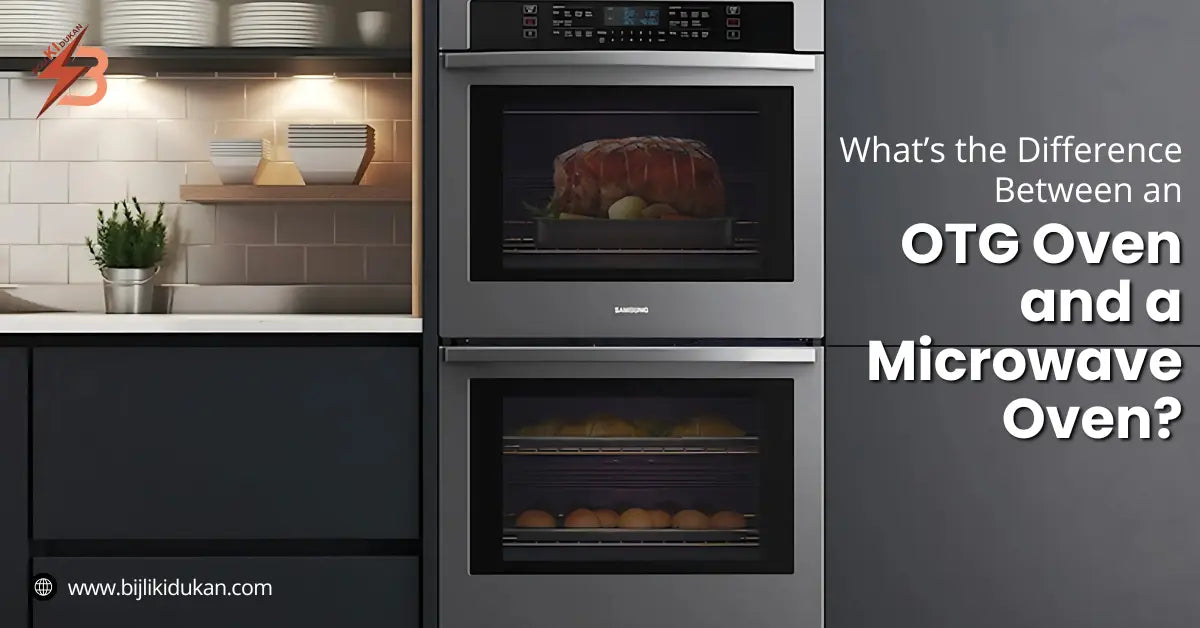
Credit: www.bijlikidukan.com
How Microwaves Work
Microwaves cook food using a unique technology. They heat food quickly and efficiently. Understanding how microwaves work reveals why they differ from ovens.
Microwave Technology
Microwaves use electromagnetic waves. These waves have short wavelengths. They lie between radio waves and infrared light. A magnetron inside the microwave creates these waves.
The waves bounce inside the microwave cavity. They spread evenly to reach the food. This technology focuses energy on the food itself.
Heating Method
Microwaves heat food by exciting water molecules. The waves make these molecules vibrate fast. This vibration creates heat. The heat cooks the food from inside out.
Unlike ovens, microwaves do not heat air. This method saves time and energy. It keeps the food moist during cooking.
Cooking Process
- Microwaves penetrate food up to a few centimeters deep.
- Water molecules absorb the energy and heat up quickly.
- Heat spreads from the inside to the outside of the food.
- Cooking time is much shorter than traditional ovens.
- Microwaves prevent overcooking by heating food evenly.
Cooking Speed Comparison
Cooking speed plays a big role in choosing between an oven and a microwave. Both appliances use different methods to heat food. This affects how fast your meal is ready. Understanding these differences helps you pick the best tool for quick cooking or slow roasting.
Time Efficiency
Microwaves cook food much faster than ovens. They use electromagnetic waves that excite water molecules in the food. This heats the food quickly from the inside out. Most microwave meals take just a few minutes.
Ovens take longer because they heat air around the food. The heat then moves into the food slowly. Baking or roasting can take 20 minutes to over an hour. Ovens work better for dishes that need even, slow cooking.
Heat Distribution
Ovens provide steady, even heat. This helps cook food uniformly. The hot air surrounds the food, creating a crispy texture on the outside. This is great for baking bread, roasting meats, or making casseroles.
Microwaves heat unevenly. Some parts may become very hot while others stay cold. This happens because microwaves heat water molecules, which are not spread evenly in all foods. Stirring or rotating the food often helps fix this.
Food Texture And Flavor
Understanding how ovens and microwaves affect food texture and flavor can change the way you cook at home. These appliances use different heating methods, which directly influence how your meals taste and feel. Knowing these differences helps you choose the right tool for the dish you want to prepare.
Effect On Taste
Ovens cook food by surrounding it with hot air, which often enhances flavors through caramelization and browning. This process creates rich, complex tastes, especially in roasted meats and baked goods.
Microwaves heat food by agitating water molecules, which can sometimes lead to a blander taste. Since microwaves don’t brown or crisp food, they may leave dishes tasting less developed.
Have you noticed how reheated pizza tastes different in a microwave compared to an oven? The oven brings back that crispy crust and fuller flavor, while the microwave can make it soggy and less flavorful.
Texture Differences
Ovens create a dry heat environment that crisps and browns food surfaces. This is ideal for achieving crunchy textures, like a golden roast chicken skin or crispy cookies.
Microwaves, on the other hand, often produce a softer or sometimes rubbery texture because they heat food unevenly and retain moisture. This can be great for steaming vegetables but less effective for crispy dishes.
If you want to keep that satisfying crunch or a firm bite, the oven is your best bet. But if speed and moisture retention matter more, the microwave can do the job, especially with leftovers.
Energy Consumption
Energy consumption plays a key role in choosing between an oven and a microwave. Both appliances use electricity, but they differ in how much energy they need and how fast they cook food. Understanding these differences helps save energy and reduce electricity bills.
Power Usage
Ovens use more power than microwaves because they heat food by warming the air inside. This process takes longer and uses more electricity. Microwaves use electromagnetic waves to heat food quickly. They need less energy and run for a shorter time.
Typical power ratings show ovens use between 2000 to 5000 watts. Microwaves usually use 600 to 1200 watts. This means microwaves consume less electricity per use.
Cost Efficiency
Microwaves cost less to operate due to their lower power use and shorter cooking time. Using a microwave for small meals can reduce your energy bill. Ovens are less cost-efficient because they take longer to cook and use more power.
For large meals, ovens may be necessary despite higher energy costs. Choosing the right appliance depends on meal size and cooking needs. Small meals favor microwaves for energy savings.
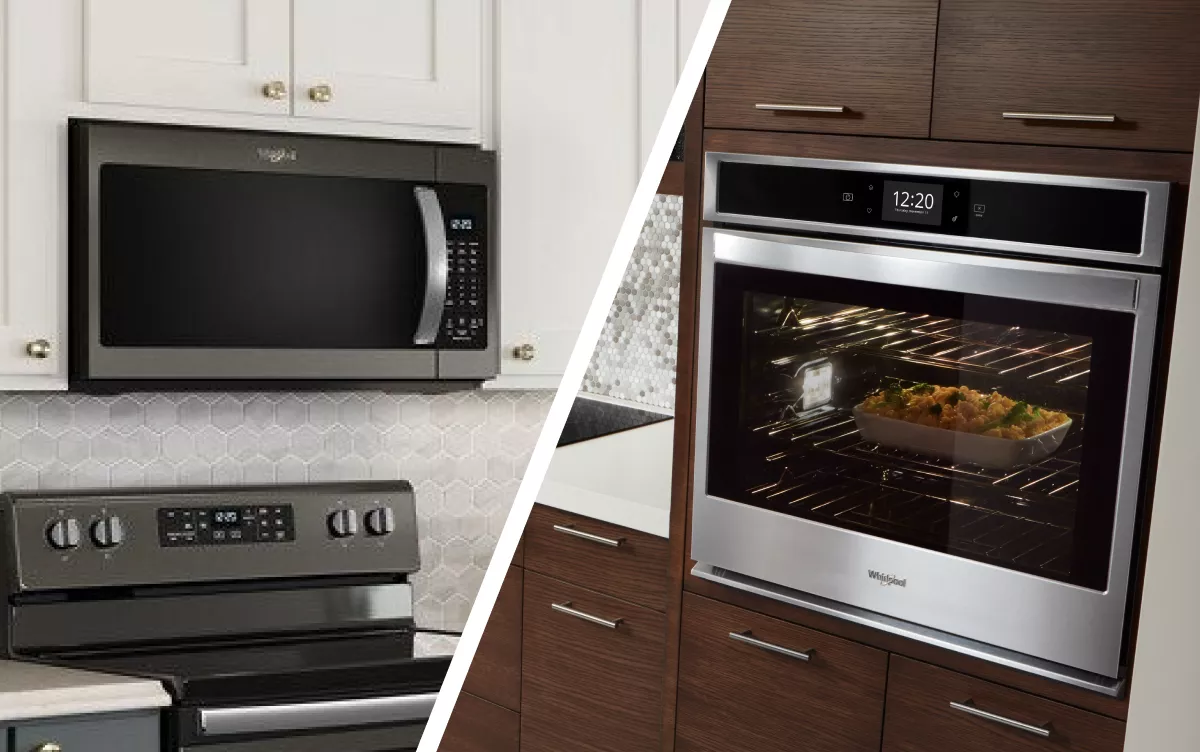
Credit: www.whirlpool.com
Safety Considerations
Safety is a major factor to consider when choosing between an oven and a microwave. Both appliances have unique risks and require different care to keep you and your home safe. Understanding these safety considerations helps you use each appliance confidently and avoid accidents.
Usage Risks
Ovens get extremely hot and can cause burns if you touch the interior or racks without protection. Always use oven mitts and avoid reaching inside when the oven is on. Leaving the oven unattended, especially when broiling or roasting, can lead to fires.
Microwaves, on the other hand, heat food unevenly and can cause hot spots that burn your mouth. Using metal containers or foil inside a microwave can create sparks and start fires. Have you ever noticed steam popping out suddenly from microwaved food? This happens because microwaves heat water molecules rapidly, which can cause sudden bursts that may scald you.
Maintenance Tips
Keeping your oven clean reduces the risk of smoke and fire. Food spills and grease buildup inside the oven can ignite when exposed to high heat. Make it a habit to wipe down the interior regularly and check the door seal for damage.
Microwave maintenance involves keeping the interior dry and free of food debris. Wipe spills immediately to prevent odors and bacteria growth. Inspect the door seals and hinges to ensure they close properly—damaged seals can allow microwaves to leak, which is unsafe.
Best Uses For Ovens
Ovens have a unique role in the kitchen that microwaves can’t fully replace. They offer versatility and depth in cooking, allowing you to create dishes with rich flavors and appealing textures. Understanding what ovens do best can help you decide when to use them for your meals.
Ideal Foods
Ovens are perfect for foods that benefit from even, consistent heat and a crispy or browned exterior. Think about roasting a whole chicken or baking a batch of cookies. These foods develop flavors and textures that microwaves simply can’t achieve.
You can also rely on ovens for casseroles, lasagnas, and bread. These dishes need time to cook through properly and often require a browned top or crust, which an oven provides. Have you noticed how a freshly baked pizza from the oven tastes different from a reheated one?
Cooking Techniques
Ovens excel in techniques like roasting, baking, broiling, and slow cooking. Roasting vegetables in the oven caramelizes their natural sugars, giving you a richer flavor. Baking is essential for cakes and pastries that need a delicate rise and structure.
Broiling exposes food to direct heat from above, perfect for melting cheese or crisping the top of a dish. Slow cooking in the oven lets tough meats become tender over time without drying out. Have you ever tried slow-roasting ribs? The difference in tenderness is remarkable.
Best Uses For Microwaves
Microwaves are quick and practical appliances for many kitchens. They use electromagnetic waves to heat food fast. This makes them perfect for certain types of cooking tasks. Understanding their best uses helps you save time and effort.
Ideal Foods
- Leftovers: Heat cooked meals without drying them out.
- Frozen items: Defrost meats and vegetables safely and evenly.
- Popcorn: A classic microwave snack ready in minutes.
- Vegetables: Steam fresh or frozen veggies while preserving nutrients.
- Beverages: Warm coffee, tea, or milk quickly.
- Instant meals: Prepare soups, noodles, and ready-to-eat dishes fast.
Cooking Techniques
- Reheating: Restore warmth and texture to pre-cooked foods.
- Defrosting: Thaw frozen foods gently without cooking edges.
- Steaming: Use microwave-safe containers to steam vegetables or fish.
- Melting: Soften butter, chocolate, or cheese without burning.
- Softening: Make bread or fruits tender for recipes.
- Boiling water: Heat water quickly for tea or instant foods.
Choosing Between Oven And Microwave
Choosing between an oven and a microwave depends on several practical factors. Both appliances serve different purposes in your kitchen and knowing what suits your lifestyle can save you time, money, and hassle. Let’s break down key points to consider before making your choice.
Kitchen Space
Space often dictates what appliance fits best in your kitchen. Ovens, especially built-in or large countertop models, require more room compared to compact microwaves. If your kitchen is small, a microwave might be the better option to avoid clutter.
Think about how much counter space you can dedicate. Do you want a permanent fixture like a wall oven, or something you can move around like a microwave? Your decision might also depend on other appliances and how much free space you have.
Budget Factors
Ovens generally come with a higher price tag and installation costs. Microwaves, on the other hand, offer affordable options for nearly every budget. But remember, a cheaper microwave might lack advanced features you could need.
Consider long-term energy costs as well. Ovens usually consume more power, especially during long cooking sessions. Would you prefer to invest upfront for more cooking options, or save money now with a microwave?
Cooking Habits
Your daily cooking style plays a big role in this decision. Ovens excel at baking, roasting, and slow cooking, which microwaves can’t fully replace. But if you mostly reheat meals or prepare quick snacks, a microwave is faster and more convenient.
Ask yourself: do you enjoy experimenting with recipes that need precise temperature control? Or do you lean towards simple, quick meals? Aligning your appliance choice with your cooking habits can make your kitchen more efficient and enjoyable.
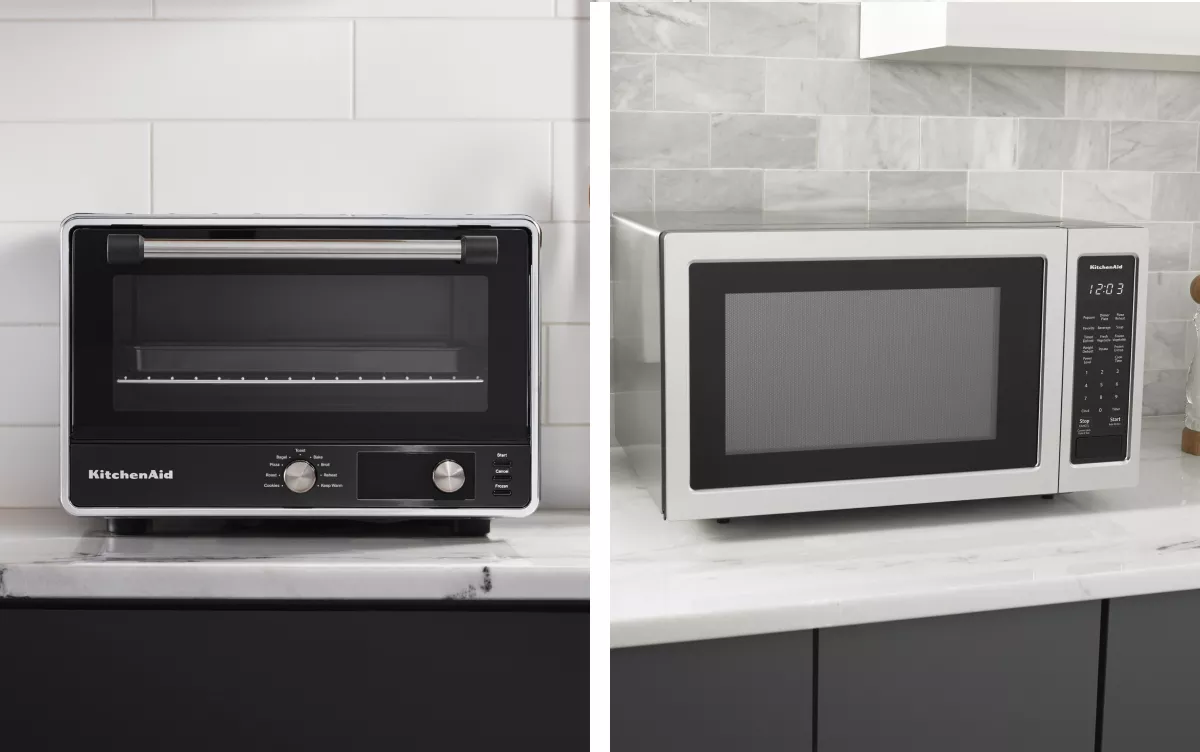
Credit: www.kitchenaid.com
Frequently Asked Questions
What Is The Main Difference Between Oven And Microwave?
An oven cooks food by surrounding it with hot air. A microwave heats food using electromagnetic waves. Ovens take longer but provide even cooking. Microwaves cook faster but may heat unevenly.
Which Is Better For Baking: Oven Or Microwave?
Ovens are better for baking because they provide consistent heat. Microwaves cannot brown or crisp food well. For cakes and pastries, ovens produce superior texture and flavor.
Can A Microwave Replace An Oven Completely?
No, a microwave cannot fully replace an oven. Microwaves are great for reheating and quick cooking. Ovens are necessary for baking, roasting, and crisping foods properly.
How Do Cooking Times Differ Between Oven And Microwave?
Microwaves cook food much faster than ovens, often in minutes. Ovens require longer preheating and cooking times. Speed depends on food type and quantity.
Conclusion
Ovens and microwaves serve different cooking needs. Ovens cook food slowly and give a crispy texture. Microwaves heat food quickly but do not brown it. Both have their own uses in the kitchen. Choose the one that fits your cooking style best.
Understanding their differences helps you cook better meals. Use each appliance for what it does well. This way, you save time and get tasty food. Simple tools, clear choices.