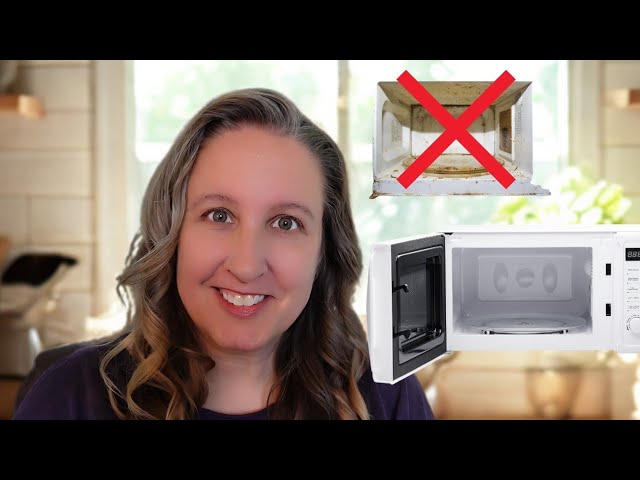
Does your microwave oven smell unpleasant every time you open it? That stubborn odor can make your food less appealing and even affect the taste.
But don’t worry—you can easily get rid of that smell and keep your microwave fresh. You’ll discover simple and effective ways to remove odors from your microwave using items you probably already have at home. Ready to say goodbye to that unwanted smell?
Keep reading to find out how!

Credit: microwavefactory.com.au
Common Causes Of Microwave Odors
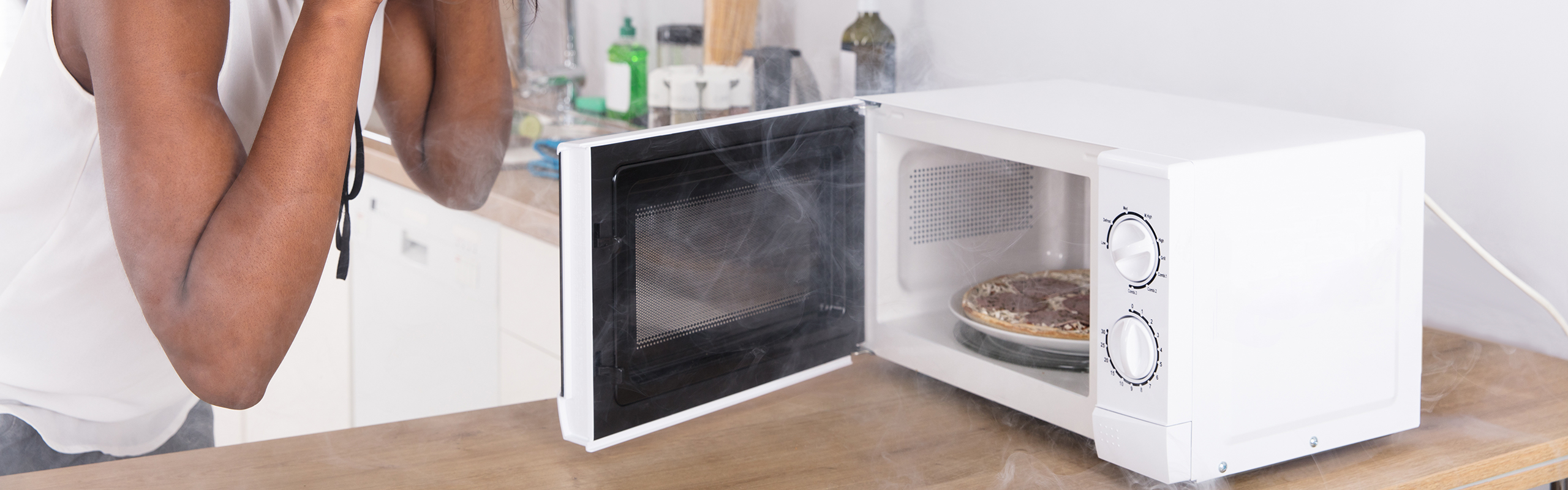
Food spills and splatters often cause bad smells inside microwaves. Leftover grease and burnt food particles can also create stubborn odors. Regular cleaning helps prevent these common causes of microwave smells.
Microwave ovens are convenient for quick meals. Yet, they often harbor unpleasant odors. Understanding the root causes is crucial. Identifying these common culprits can guide you in keeping your appliance fresh.Food Spills And Residue
Food spills and residue often lead to odors. Spilled sauces or food particles stick and burn. This creates a lingering smell. Regular cleaning can prevent this issue. Use a damp cloth to wipe after each use. Pay attention to corners and the turntable.Trapped Steam And Moisture
Steam and moisture get trapped inside the microwave. This happens when you heat food in sealed containers. The steam condenses and creates a damp environment. This fosters odors and even mold. Leave the microwave door open after use. This allows moisture to escape, reducing the chance of smells.Plastic And Container Smells
Plastic containers often leave strong odors. Heating certain plastics releases chemical smells. These odors cling to the microwave walls. Choose microwave-safe containers to reduce this risk. Glass or ceramic are better options. Always check labels for microwave safety.
Credit: vancouverapplianceservice.ca
Quick Fixes For Microwave Smells
Dealing with unpleasant smells in your microwave can be frustrating, especially when they linger after heating your favorite meals. Fortunately, you don’t need harsh chemicals or expensive cleaners to freshen up your microwave quickly. These quick fixes use simple ingredients you likely have at home to neutralize odors and leave your microwave smelling clean and fresh again.
Vinegar And Water Steam Clean
Vinegar is a powerful natural deodorizer. Mix equal parts of vinegar and water in a microwave-safe bowl and heat it until it steams—usually about 5 minutes.
The steam loosens food particles and neutralizes smells trapped inside. After heating, leave the door closed for a few more minutes to let the steam work. Then wipe down the interior with a clean cloth. You’ll notice the sour vinegar smell fades quickly, taking other odors with it.
Lemon And Baking Soda Method
Combining lemon and baking soda gives you a fresh citrus scent plus gentle scrubbing power. Squeeze half a lemon into a bowl of water, add a tablespoon of baking soda, and microwave it until it steams.
This mixture breaks down grease and absorbs odors at the same time. Use the lemon water to wipe the inside, and sprinkle baking soda on stubborn spots before scrubbing lightly. This method leaves your microwave smelling bright and clean, unlike chemical cleaners that often leave a strong after-smell.
Activated Charcoal For Odor Absorption
Activated charcoal is known for absorbing odors in refrigerators and shoes, but it works just as well in microwaves. Simply place a small bowl of activated charcoal inside the microwave and leave it overnight.
The charcoal traps and neutralizes odors without adding any scent of its own. If you often microwave pungent foods, keeping charcoal inside can prevent smells from settling in the first place. Have you ever tried this natural odor absorber in your kitchen?
Deep Cleaning Techniques
Deep cleaning your microwave is key to removing lingering odors that simple wipes can’t fix. It takes a bit of effort but can transform your microwave into a fresh-smelling appliance. Let’s look at some effective techniques to tackle tough stains, clean the turntable, and wipe down the interior walls thoroughly.
Removing Stubborn Stains
Stains in your microwave often trap odors. To tackle these, mix equal parts water and white vinegar in a microwave-safe bowl. Heat it for 5 minutes until it steams up the interior.
The steam loosens dried food particles and grime, making them easier to wipe away. Use a soft sponge or cloth to scrub the stains gently. If stains persist, sprinkle baking soda on the dampened surface and scrub again for extra power.
Cleaning The Microwave Turntable
Your microwave’s turntable can harbor residue and smells. Remove it carefully and soak it in warm, soapy water for 15-20 minutes. This helps break down grease and food bits stuck to the surface.
After soaking, scrub it with a non-abrasive sponge and rinse thoroughly. Dry it completely before placing it back inside. Have you ever noticed how cleaning the turntable alone can make a big difference in the overall smell?
Wiping Down The Interior Walls
Don’t ignore the interior walls; they absorb odors and grime over time. Use a cloth dipped in the vinegar-water solution to wipe all surfaces, paying close attention to corners and crevices.
For stubborn spots, use a toothbrush dipped in the same solution to scrub gently. Finally, wipe the interior with a clean damp cloth to remove any remaining residue. This step often refreshes the microwave more than you expect.
Credit: www.abt.com
Preventing Future Odors
Preventing odors in your microwave saves time and keeps it fresh. Simple daily habits stop smells before they start. Consistency is the key to a clean microwave that smells good.
Covering Food While Heating
Cover food with a microwave-safe lid or wrap. This stops steam and smells from spreading inside. It also prevents splatters that cause hard-to-clean stains. Use vented covers to let steam escape safely.
Regular Cleaning Schedule
Clean your microwave at least once a week. Wipe spills and crumbs immediately after use. Use a mixture of water and vinegar or lemon juice for fresh scent. Regular cleaning removes odor-causing bacteria and food particles.
Using Microwave-safe Containers
Choose containers labeled microwave-safe. Avoid plastic that melts or releases smells. Glass or ceramic containers keep food fresh and odor-free. Proper containers reduce stains and make cleaning easier.
When To Replace Your Microwave
Knowing when to replace your microwave is just as important as knowing how to clean it. Sometimes, persistent smells or visible damage signal that it’s time to say goodbye to your old appliance. Recognizing these signs early can save you from health risks and improve your kitchen’s overall efficiency.
Persistent Odors Despite Cleaning
If you’ve cleaned your microwave thoroughly but the unpleasant smell lingers, it might be more than just food residue. Some odors embed deep into the plastic lining or the ventilation system, making them impossible to remove completely.
Have you ever tried multiple cleaning methods without success? This stubborn smell is a clear hint that your microwave’s interior materials have absorbed too much odor over time. At this point, continuing to use it could affect the taste of your food and even your health.
Signs Of Wear And Damage
Look closely at your microwave’s door seal, interior walls, and turntable. Cracks, rust, or warping are red flags. These damages not only reduce efficiency but can also be safety hazards.
Does the door close tightly? A loose or damaged door seal lets microwaves leak, which is dangerous. If you spot any broken parts or unusual noises during operation, these are strong indicators that replacement is due.
Remember, a microwave is an essential kitchen tool. Using one that’s worn out or compromised puts your meal quality and safety at risk. When the smells and signs of damage persist, investing in a new microwave is the smarter choice.
Frequently Asked Questions
How To Quickly Remove Microwave Oven Smell?
To quickly remove microwave smell, heat a bowl of water with lemon slices for 5 minutes. Wipe the interior with a clean cloth afterward. This method deodorizes and cleans effectively, leaving a fresh scent without harsh chemicals.
What Household Items Eliminate Microwave Odors?
Common household items like vinegar, baking soda, and lemon can eliminate microwave odors. Vinegar neutralizes smells, baking soda absorbs them, and lemon adds a fresh scent. Using these natural products keeps your microwave odor-free and safe for food.
How Often Should I Clean My Microwave To Avoid Smells?
Clean your microwave weekly to prevent odor buildup. Wipe spills immediately and use natural deodorizers regularly. Consistent cleaning stops smells from lingering and maintains a fresh microwave environment.
Can Microwave Odor Affect Food Taste?
Yes, microwave odors can transfer to food, altering its taste. Persistent smells from previous meals may affect the flavor of freshly heated food. Regular cleaning prevents this and ensures your food tastes as intended.
Conclusion
Removing smells from your microwave keeps it fresh and clean. Use simple household items like lemon, vinegar, or baking soda. Clean spills right away to stop odors from building. Regularly airing out the microwave helps prevent bad smells. A fresh-smelling microwave makes cooking more enjoyable.
Small steps make a big difference in kitchen hygiene. Try these easy tips and enjoy a clean microwave every day.