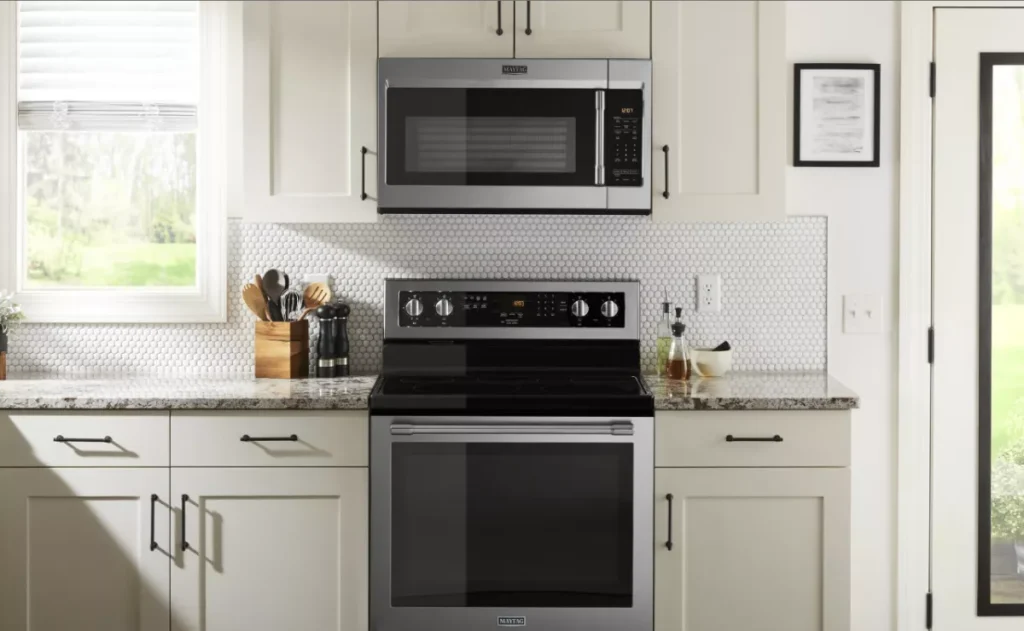
Have you ever wondered what really sets an oven apart from a microwave oven? You might think they do the same job, but knowing the key differences can change the way you cook and save you time in the kitchen.
Whether you’re heating leftovers or baking a meal, choosing the right appliance makes a big difference. Keep reading to discover how each works, when to use them, and which one fits your cooking style best. This simple knowledge could make your kitchen routine easier and more efficient than ever before.
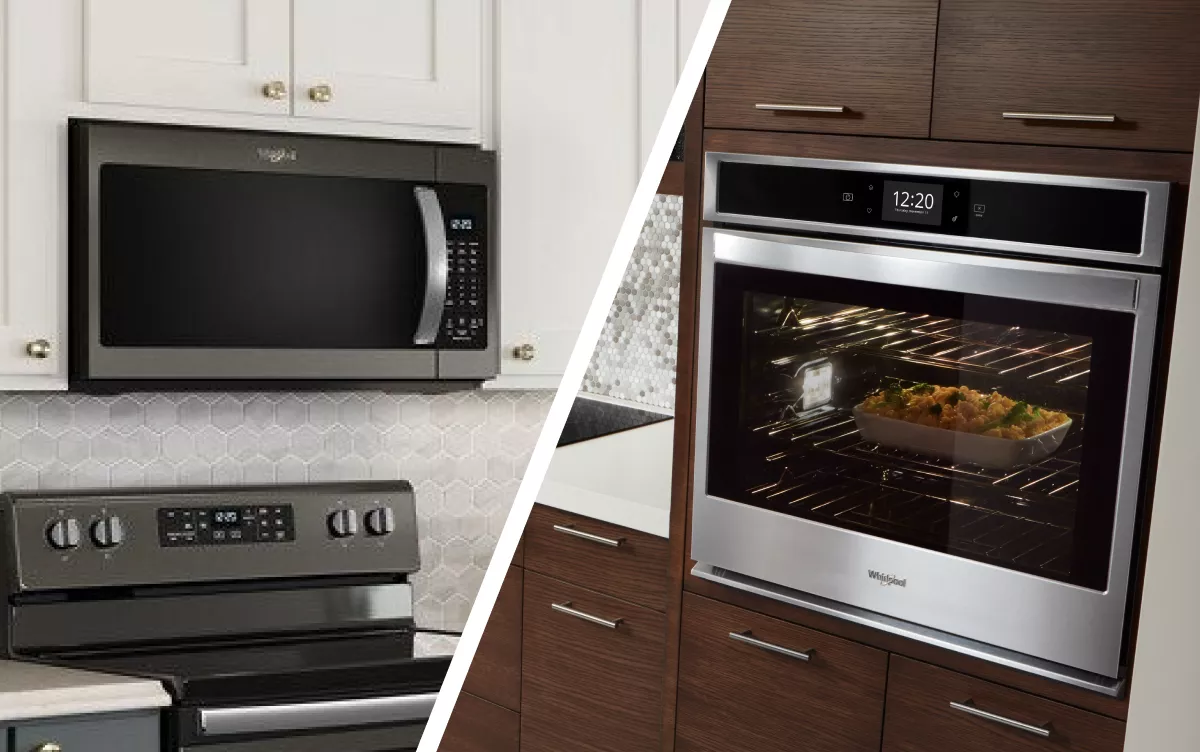
Credit: www.whirlpool.com
Basic Functions
Understanding the basic functions of ovens and microwave ovens can help in choosing the right appliance. Both serve different purposes in the kitchen. Ovens and microwaves have distinct ways of cooking food. Knowing how each works can make cooking easier and more efficient.
How Ovens Work
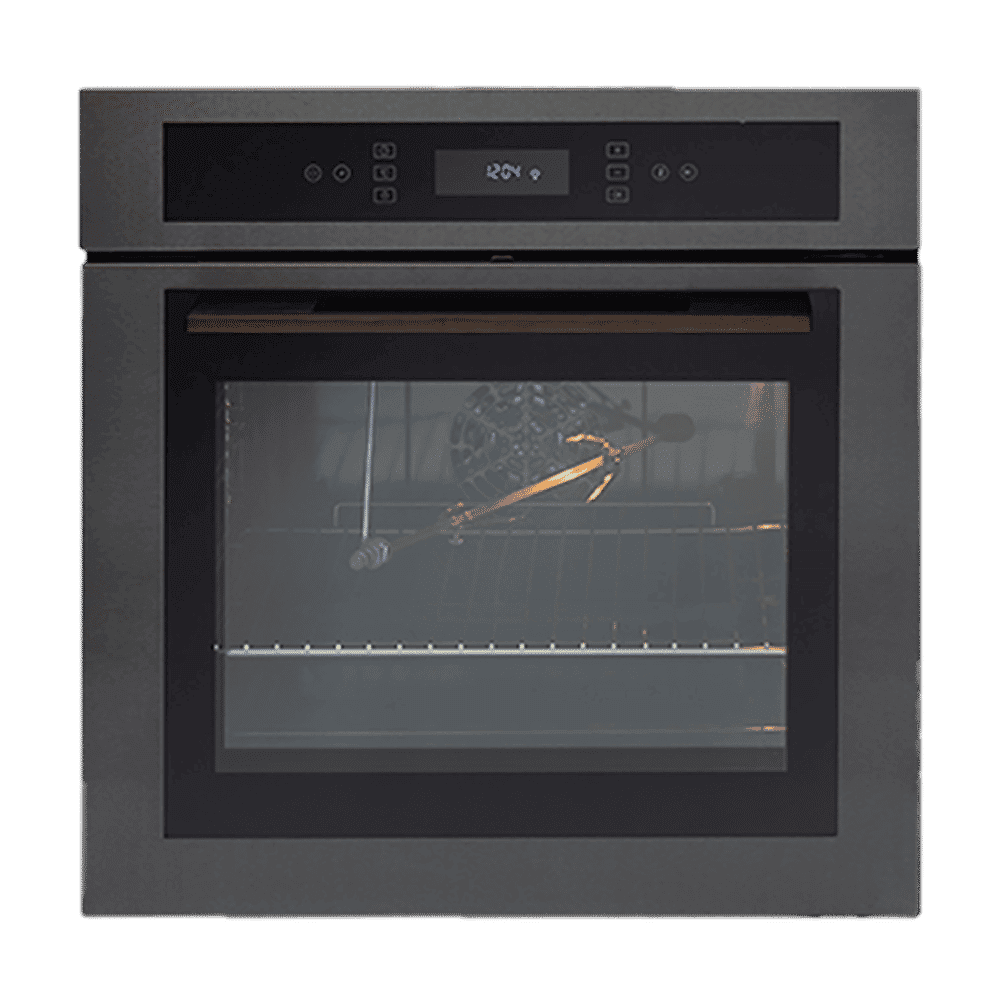
Ovens use a heating element to cook food. This element is usually located at the top or bottom. Heat spreads evenly throughout the oven. This method cooks food thoroughly. Ovens are perfect for baking, roasting, and grilling. Temperature control allows precision cooking. Traditional ovens can be gas or electric. They take longer to preheat. But they provide consistent heat.
How Microwaves Work
Microwaves cook food using electromagnetic waves. These waves cause water molecules in food to vibrate. This vibration creates heat, cooking the food. Microwaves cook food quickly. They are ideal for reheating leftovers. A microwave is not suitable for baking or roasting. It does not brown food like an oven. Most microwaves have preset options for convenience. They are energy efficient and save time.
Cooking Methods
Cooking methods differ greatly between an oven and a microwave oven. Each appliance uses unique technology to heat and cook food. Understanding these differences helps choose the right tool for your cooking needs.
Heat Distribution
An oven cooks food by surrounding it with hot air. This heat comes from electric coils or gas burners inside the oven. The hot air moves slowly around the food, heating it evenly from all sides. This process takes time but gives a crispy outer layer and thorough cooking.
A microwave oven works differently. It uses microwave radiation to excite water molecules in food. This creates heat inside the food quickly. Heat starts from the inside and moves outward. The heat distribution can be uneven, especially in dense or large food items.
Speed Of Cooking
Ovens take longer to cook food. Preheating is usually needed before placing food inside. Cooking times range from 20 minutes to several hours depending on the dish. The slow cooking helps develop flavors and textures.
Microwave ovens cook food very fast. There is no need to preheat. Microwaves penetrate food and heat it within minutes. This speed suits reheating leftovers or cooking simple meals quickly. However, fast cooking may not create a browned or crispy surface.
Types Of Food Suitable
Choosing the right appliance depends on the type of food you want to prepare. Ovens and microwave ovens serve different purposes based on food texture and cooking methods. Knowing which foods suit each appliance helps achieve better results and saves time.
Best For Baking And Roasting
Traditional ovens excel in baking and roasting. They heat food evenly from all sides, creating crisp and brown textures. Ideal foods include:
- Cookies, cakes, and bread
- Roasted meats like chicken and beef
- Vegetables that need caramelizing
- Casseroles and baked pasta dishes
The slow, steady heat allows flavors to develop fully. Ovens are perfect for recipes requiring a crust or firm texture.
Best For Reheating And Defrosting
Microwave ovens work best for quick heating and defrosting. They use electromagnetic waves to heat water molecules fast. Suitable foods include:
- Leftovers such as rice, pasta, and soups
- Frozen vegetables and meat
- Pre-cooked frozen meals
- Quick snacks like popcorn and oatmeal
Microwaves save time and energy but do not brown or crisp food. They keep moisture inside, preventing food from drying out.
Credit: www.tataneu.com
Energy Efficiency
Energy efficiency is a key factor when choosing between an oven and a microwave oven. It directly impacts your electricity bills and how eco-friendly your cooking habits are. Understanding how each appliance uses power helps you make smarter decisions in the kitchen.
Power Consumption
Ovens typically consume more power because they heat a large space to cook food evenly. They use around 2000 to 5000 watts, depending on the model and temperature settings. This high power use is necessary to maintain consistent heat over a longer time.
Microwave ovens, on the other hand, use microwaves to heat food quickly and efficiently. Their power consumption usually ranges between 600 and 1200 watts. This lower wattage, combined with shorter cooking times, means microwaves often use less energy for most tasks.
Cost Implications
Your electricity bill reflects how much energy your appliances consume. Because ovens run longer at higher power, they tend to increase your monthly energy costs more than microwaves. If you often bake or roast, these costs add up.
Using a microwave for reheating or quick cooking can significantly reduce your energy use and save money. For example, heating a cup of soup in a microwave might take a minute, while an oven would take much longer to reach the right temperature. This simple change can trim your energy expenses.
Have you ever compared your energy bill before and after switching to a microwave for simple meals? You might find that small adjustments in appliance use lead to noticeable savings.
Safety Features
Safety features are a crucial aspect to consider when choosing between an oven and a microwave oven. Both appliances use different technologies, which influence their safety risks and protections. Understanding these can help you use them confidently and avoid common hazards.
Heat Exposure Risks
Ovens get extremely hot inside and outside during use, which increases the risk of burns if you’re not careful. The metal door and handle can become very hot, so always use oven mitts or heat-resistant gloves when handling trays or opening the oven door.
Microwave ovens, on the other hand, don’t heat their exterior as much. However, the food inside can become superheated, sometimes leading to sudden boiling or splattering when you remove it. This means you should open microwave containers slowly and stir food carefully to avoid burns.
Radiation Concerns
Microwave ovens use non-ionizing radiation to heat food, which does not make the food radioactive. The microwave energy is contained within the oven by a metal mesh in the door, preventing leakage.
Still, you should always ensure the door seals are intact and avoid using a microwave if the door is damaged. This helps prevent any potential exposure to microwave radiation, which, while low, can be harmful with prolonged direct exposure.
Ovens do not use radiation, so there is no concern about radiation exposure from them. This difference might make you feel safer with a traditional oven, but remember that both appliances are designed with strict safety standards.
Maintenance And Cleaning
Keeping your oven and microwave oven clean is essential for their performance and longevity. Regular maintenance not only prevents unpleasant odors but also ensures even cooking and safety. How often you clean these appliances depends on your cooking habits, but some practical tips can make the process easier and more effective.
Cleaning Tips For Ovens
Ovens tend to accumulate grease and food spills, especially on the racks and interior walls. Use a mixture of baking soda and water to create a paste, then spread it on stubborn stains and let it sit overnight. The next day, wipe it clean with a damp cloth—this avoids harsh chemicals that might affect your food.
Remove the oven racks and soak them in warm, soapy water to loosen grime. Scrub gently with a non-abrasive sponge to avoid scratching. Don’t forget to check and clean the oven door seals, as built-up dirt can cause heat loss and affect cooking efficiency.
Have you ever noticed smoke or a burnt smell during cooking? It might be time for a deep clean to remove hidden grease. Regularly wiping spills as soon as the oven cools down can save you from tough cleaning sessions.
Cleaning Tips For Microwaves
Microwaves often get splattered with food, which can cause odors and reduce heating efficiency. A simple trick is to heat a bowl of water with lemon slices or vinegar inside the microwave for a few minutes. The steam will loosen dried food, making it easy to wipe away with a soft cloth.
Be careful with metal objects inside your microwave—they can cause sparks and damage. Use mild dish soap and a soft sponge for routine cleaning of the interior and exterior surfaces. Avoid abrasive cleaners that can scratch the microwave’s surface.
How often do you clean your microwave? Waiting too long allows food particles to harden, making them harder to remove. Quick, regular wipe-downs keep your microwave fresh and ready to use without any hassle.
Size And Design
The size and design of ovens and microwave ovens play a crucial role in deciding which one fits best in your kitchen. These appliances serve different purposes, so their dimensions and styles reflect that. Understanding their size and design differences can help you optimize your cooking space and improve kitchen workflow.
Countertop Vs Built-in
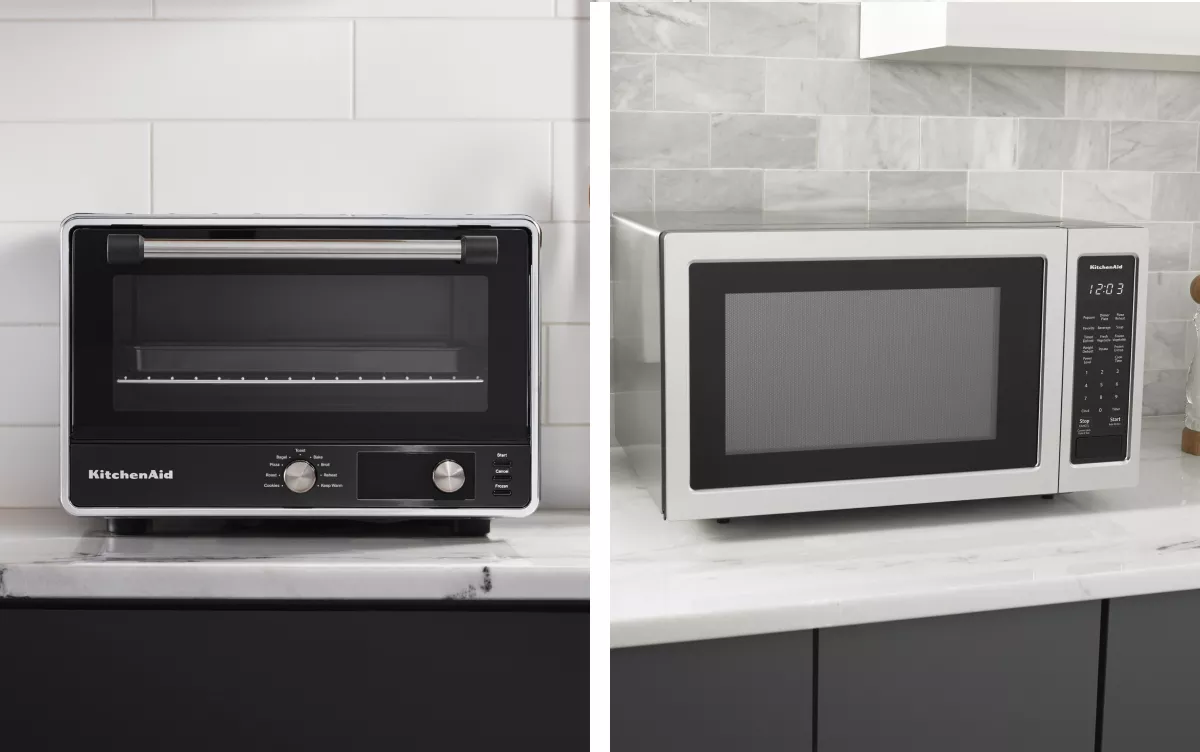
Microwave ovens are often designed as compact countertop units, making them easy to place almost anywhere in your kitchen. This portability means you can move them around or store them away when not in use.
On the other hand, traditional ovens are usually built-in or freestanding, requiring a dedicated space in your kitchen layout. Built-in ovens blend seamlessly with cabinetry, giving a sleek, integrated look.
Have you noticed how countertop microwaves can free up space but sometimes clash with your kitchen’s style? Meanwhile, built-in ovens offer a cleaner look but need careful planning before installation.
Space Requirements
Microwave ovens are generally smaller, designed to fit in tight spaces or on countertops without dominating your kitchen. Their compact footprint makes them ideal for apartments or smaller kitchens.
In contrast, ovens demand more room, especially if they come with multiple racks and larger cooking cavities. They require proper ventilation and clearances around them, adding to the space considerations.
Think about how much cooking you actually do and what you usually prepare. Does your kitchen have the room for a full-sized oven, or would a microwave oven’s smaller size serve your needs better?
Price And Availability
Price and availability play a big role in deciding between an oven and a microwave oven. Your budget and how easily you can find the appliance affect your choice just as much as features and size. Let’s break down what you can expect in terms of cost and market options for both.
Cost Range
Microwave ovens generally come with a lower price tag. Basic models start as low as $50, making them affordable for almost any kitchen. If you want advanced features like convection cooking or grilling, the price can rise to $300 or more.
Traditional ovens, on the other hand, usually cost more. Basic electric ovens start around $400 and can go well above $2,000 for high-end gas or smart ovens. Installation costs can add extra expenses, especially for built-in models.
Have you thought about how much you’re willing to invest upfront versus long-term use? Sometimes spending more initially on a versatile oven pays off later.
Market Options
Microwave ovens are widely available almost everywhere—from big-box stores to online marketplaces. You’ll find a huge variety in sizes, brands, and features, making it easy to find one that fits your needs quickly.
Ovens have a more limited but still broad market presence. They come in wall-mounted, freestanding, and range styles. Some specialty ovens, like steam or pizza ovens, are harder to find and usually require shopping at dedicated kitchen appliance stores or online specialty retailers.
Think about your kitchen space and availability of local service centers too. Sometimes, ease of getting replacement parts or repair can influence your choice more than the initial purchase price.
Choosing The Right Appliance
Choosing the right appliance between an oven and a microwave oven can make a big difference in your kitchen experience. Both have their strengths, but understanding which fits your lifestyle will save you time and effort. Let’s break down what matters most when making this choice.
Factors To Consider
Think about the space you have available. Ovens usually take up more room and need ventilation, while microwave ovens are compact and fit easily on a countertop.
Energy consumption is another key point. Microwaves often use less electricity for quick heating, but ovens provide better results for baking and roasting.
Consider your cooking habits. Do you often bake bread or roast meats? Or do you mostly reheat leftovers and prepare quick meals? This will guide your choice effectively.
Usage Scenarios
If you enjoy baking cakes, cookies, or roasting vegetables, an oven will deliver superior texture and flavor. The steady, even heat makes all the difference.
On the other hand, if you value speed and convenience, a microwave oven is your best friend. It’s perfect for defrosting, reheating, and cooking simple meals fast.
Picture this: after a busy day, you want dinner on the table in minutes. A microwave oven can handle that with ease. But if you plan a weekend bake-off, an oven is essential.
Ask yourself: What meals do you prepare most often? Your answer will help you pick the appliance that matches your daily needs.
Credit: www.kitchenaid.com
Frequently Asked Questions
What Is The Main Difference Between An Oven And Microwave Oven?
An oven cooks food using dry heat, often from electric or gas elements. A microwave oven heats food quickly using electromagnetic waves. Ovens brown and crisp food, while microwaves mainly heat or reheat without crisping.
Which Appliance Cooks Food Faster: Oven Or Microwave?
Microwave ovens cook food much faster than traditional ovens. Microwaves heat food by agitating water molecules instantly, while ovens use slower heat conduction. For quick reheating or cooking, microwaves are ideal, but ovens are better for baking and roasting.
Can You Bake In A Microwave Oven Like A Traditional Oven?
Microwave ovens can bake some foods but not as effectively as traditional ovens. They lack dry heat needed for browning and crisping. Special microwave convection ovens offer baking features, but standard microwaves mainly heat and reheat.
Are Microwave Ovens More Energy-efficient Than Traditional Ovens?
Yes, microwave ovens generally use less energy because they cook food faster. Traditional ovens consume more power and take longer to heat. Microwaves are more energy-efficient for simple heating tasks but less suitable for all cooking types.
Conclusion
Ovens and microwave ovens serve different cooking needs. Ovens cook food slowly and evenly, using heat from all sides. Microwave ovens heat food quickly by using radiation waves. Each appliance has its own strengths and best uses. Choose based on how fast or well you want to cook.
Understanding these differences helps you pick the right kitchen tool. Both can make cooking easier and tastier. Simple and clear—now you know what sets them apart.