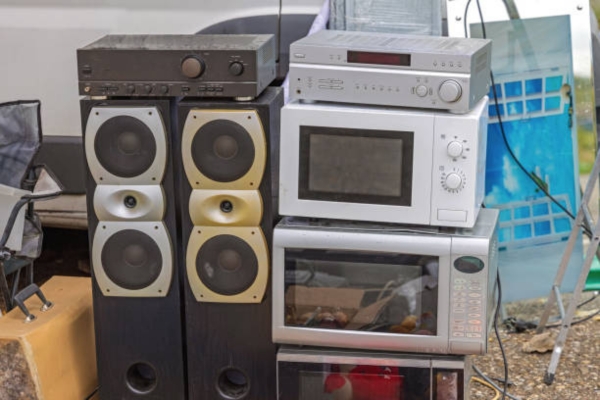
Have you ever wondered what happens to your old microwave oven when it stops working? You might be asking yourself, “Are microwave ovens recyclable?”
If you want to make sure your appliance doesn’t just end up in a landfill, this question is important. Understanding how to recycle your microwave properly not only helps protect the environment but can also save you money and space at home.
Keep reading to discover simple steps you can take to recycle your microwave safely and responsibly. Your choices matter more than you think.
Microwave Oven Materials
Microwave ovens contain metals, plastics, and glass, which can be separated for recycling. Recycling helps reduce waste but requires special handling due to electronic parts. Many recycling centers accept microwaves, promoting environmental care.
Microwave ovens have become a staple in modern kitchens, offering convenience and speed. But have you ever wondered what materials make up these trusty appliances? Understanding the components can shed light on their recyclability and help you make informed choices.Common Components
Microwave ovens are primarily made of metal, glass, and plastic. The outer shell is typically constructed from steel, providing durability and heat resistance. Inside, you’ll find a glass turntable that rotates your food for even cooking. The control panel and various parts might include plastic components, contributing to the lightweight and user-friendly design.Recyclable Parts
Many parts of a microwave oven can be recycled, which is good news for the environment. The metal casing, often steel, can be melted down and reused. Glass from the turntable is another recyclable component, easily processed into new products. Even some plastic parts, depending on their type and condition, can find new life through recycling programs.Hazardous Elements
However, not all microwave materials are safe for recycling. Some components contain hazardous elements like capacitors and certain electronic parts. These need careful handling due to potential risks of fire or chemical leakage. It’s crucial to dispose of these parts properly to prevent environmental harm. Have you considered where your microwave ends up? Ensuring proper disposal can make a difference.
Credit: gws.sandbox.iam.s.uw.edu
Why Recycle Microwaves
Recycling microwaves is important for many reasons. It helps protect the environment and saves valuable resources. Disposing of microwaves properly stops harmful materials from polluting the earth. Understanding why recycling microwaves matters encourages better habits.
Environmental Benefits
Microwaves contain metals and plastics that can harm nature if thrown away. Recycling keeps these materials out of soil and water. It lowers pollution and reduces the need for new raw materials. Cleaner air and water result from proper microwave recycling.
Reducing Landfill Waste
Microwaves take up space in landfills and do not break down easily. Recycling reduces waste piles and helps landfills last longer. Less landfill waste means fewer harmful gases like methane are released. This supports healthier communities and ecosystems.
Resource Conservation
Microwaves have valuable metals like copper and steel. Recycling recovers these metals for new products. This saves energy and lowers mining impacts. Using recycled materials helps preserve natural resources for future use.
Recycling Options
Recycling microwave ovens helps reduce waste and recover useful materials. Several options exist for recycling these appliances safely. Choose the best way based on convenience and local availability.
Local Recycling Centers
Many communities have recycling centers that accept microwaves. These centers break down appliances to recycle metals and plastics. Check your city’s website or call to confirm if they accept microwaves. Drop off your microwave at these centers to keep it out of landfills.
Manufacturer Take-back Programs
Some microwave manufacturers offer take-back programs. They accept old microwaves for recycling or proper disposal. Visit the manufacturer’s website to find program details. This option ensures your microwave is handled responsibly.
Electronic Waste Events
Electronic waste events collect old electronics, including microwaves. These events happen periodically in many areas. Bring your microwave to these events for free or low-cost recycling. They help keep harmful materials out of the environment.

Credit: kitchendance.com
Preparation For Recycling
Preparing your microwave oven for recycling is a key step to ensure it’s handled safely and responsibly. Taking the time to properly get it ready not only protects the environment but also makes the process smoother for recycling centers. Let’s look at how you can prepare your appliance effectively before parting ways with it.
Removing Batteries And Accessories
Many microwaves come with batteries in the control panel or remote. These should be removed and recycled separately to avoid hazardous waste issues. Also, detach any accessories like turntables, trays, or racks. Keeping these parts separate helps recycling facilities process each component properly.
Have you checked your microwave for hidden batteries? Sometimes small button cells are tucked away, and missing them can cause problems later.
Cleaning The Appliance
Cleaning your microwave before recycling removes food residues and grease that could attract pests or complicate recycling. Use a mild detergent and a damp cloth to wipe down the interior and exterior surfaces. Dry it thoroughly to prevent mold or rust during storage or transport.
Think about the last time you recycled an appliance—did you notice how clean it was? Even a quick wipe can make a big difference in how it’s handled.
Checking Local Guidelines
Recycling rules vary widely depending on where you live. Some municipalities accept microwaves at curbside pickup, while others require dropping them off at special centers. Look up your local recycling program’s website or call their office to understand the exact steps you need to follow.
Have you ever tried to recycle something only to find out it wasn’t accepted? Knowing the rules in advance saves time and effort, and helps keep your microwave out of the landfill.
Alternatives To Recycling
Microwave ovens can still serve a purpose beyond recycling. Instead of discarding them immediately, several options exist to extend their life or usefulness. These alternatives reduce waste and support sustainability.
Donating Working Microwaves
Many organizations and charities accept working microwaves. Donating helps families or shelters in need. Check local community centers or thrift stores. This option keeps microwaves in use and out of landfills.
Selling For Parts
Microwaves often have valuable components inside. Selling broken microwaves for parts can benefit repair shops and hobbyists. Parts like magnetrons, motors, and circuit boards are reusable. This helps reduce electronic waste effectively.
Repurposing Ideas
Old microwaves can be creatively reused at home. They make great storage boxes for tools or craft supplies. Some people transform them into planters or birdhouses. Repurposing adds value and keeps items from becoming trash.
Credit: www.lemon8-app.com
Challenges In Microwave Recycling
Recycling microwave ovens is more complicated than tossing plastic bottles into a bin. The process faces several hurdles that make it hard for many recycling centers to accept these appliances. Understanding these challenges can help you make better choices about disposing of your old microwave and encourage improvements in recycling practices.
Complex Material Separation
Microwaves are made from a mix of metals, plastics, glass, and electronic components. These materials are tightly packed together, making it difficult to separate them efficiently.
For instance, the magnetron, which generates microwaves, contains metals that need special handling. Removing hazardous parts safely requires skilled labor and proper tools, adding time and cost to recycling.
Limited Recycling Facilities
Not every recycling center is equipped to handle microwaves. Many facilities focus on simpler items like aluminum cans or plastic bottles.
You might find it frustrating when local centers refuse to accept microwaves. This scarcity means many appliances end up in landfills, increasing environmental impact.
Potential Environmental Risks
Microwaves contain components such as capacitors and circuit boards, which can be harmful if not disposed of properly.
Improper handling can release toxic substances into the environment. This risk makes responsible recycling essential but also more challenging and expensive to manage.
Tips For Eco-friendly Disposal
Disposing of your microwave oven in an eco-friendly way is essential to reduce environmental harm and conserve valuable resources. Understanding how to handle this bulky appliance responsibly can make a real difference. Here are practical tips to help you manage your microwave’s end of life safely and sustainably.
Avoiding Illegal Dumping
Throwing away microwaves illegally can cause severe pollution and harm wildlife. It’s tempting to leave old appliances on the street or in unauthorized spots, but this creates hazardous waste sites. Instead, plan ahead by checking local disposal options and never abandon your microwave in public areas.
Think about the impact of your actions. Would you want harmful chemicals leaking into your neighborhood? Proper disposal helps protect your community and keeps public spaces clean.
Choosing Certified Recyclers
Not all recycling centers handle microwaves correctly. Look for certified recyclers who follow strict guidelines for electronic waste. These professionals ensure that valuable metals, plastics, and components are safely recovered and reused.
You can often find certified recyclers through local government websites or environmental organizations. Bringing your microwave to these centers guarantees it won’t end up in a landfill or cause toxic pollution.
Staying Informed On Regulations
Microwave disposal rules vary by location and can change over time. Staying informed about your area’s specific regulations helps you comply with laws and avoid fines. Many cities offer free pickup or special collection days for electronic waste.
Ask yourself: Do you know the proper disposal methods in your community? Staying updated empowers you to act responsibly and encourages others to do the same.
Frequently Asked Questions
Can Microwave Ovens Be Recycled Safely?
Yes, microwave ovens can be recycled safely. They contain metal, plastic, and electronic parts. Proper recycling prevents harmful waste and recovers valuable materials.
Where To Recycle Old Microwave Ovens Near Me?
Check local recycling centers or electronic waste facilities. Many cities offer special e-waste collection events for appliances like microwaves. Some retailers also accept old microwaves for recycling.
What Parts Of A Microwave Are Recyclable?
Metal casing, electronic circuit boards, and some plastics are recyclable. However, the glass door and insulation may require special disposal. Proper separation ensures effective recycling.
Is It Harmful To Throw Microwaves In Regular Trash?
Yes, throwing microwaves in regular trash is harmful. They contain hazardous materials like mercury and heavy metals. Improper disposal pollutes the environment and violates waste regulations.
Conclusion
Microwave ovens contain many parts that can be recycled. Metals, glass, and some plastics are reusable materials. Proper recycling helps reduce waste in landfills. It also saves energy and natural resources. Always check local recycling rules before disposal. Some places have special programs for electronics.
Taking a small step helps protect the environment. Recycling microwaves is a smart choice for everyone. Choose to recycle and make a positive impact today.