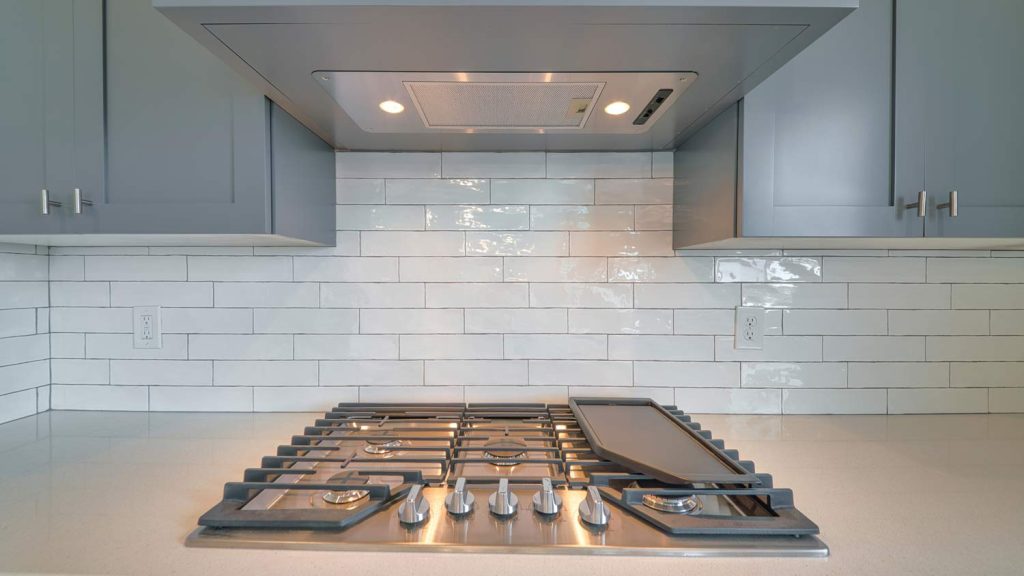
Choosing the right range hood can feel confusing, especially when you come across terms like CFM. You might wonder, “How much CFM do I really need for my kitchen?” Getting this right is key to keeping your cooking space fresh and free from smoke, odors, and grease.
You’ll discover exactly how to figure out the perfect CFM for your range hood. By the end, you’ll have the confidence to pick a hood that works perfectly for your cooking style and kitchen size—no guesswork involved. Keep reading to find out what makes a range hood powerful enough for your needs.

Credit: www.angi.com
Cfm Basics For Range Hoods
Understanding CFM is crucial for choosing the right range hood. A range hood’s efficiency depends on its CFM rating. But what is CFM, and why does it matter?
What Is Cfm?
CFM stands for cubic feet per minute. It measures airflow. Higher CFM means more air is moved. Range hoods with higher CFM clear smoke faster. This is vital for a clean kitchen environment.
Why Cfm Matters
Adequate CFM ensures effective ventilation. It removes cooking odors and heat. Proper ventilation maintains a healthy kitchen atmosphere. It also protects kitchen surfaces from grease build-up.
Types Of Range Hoods
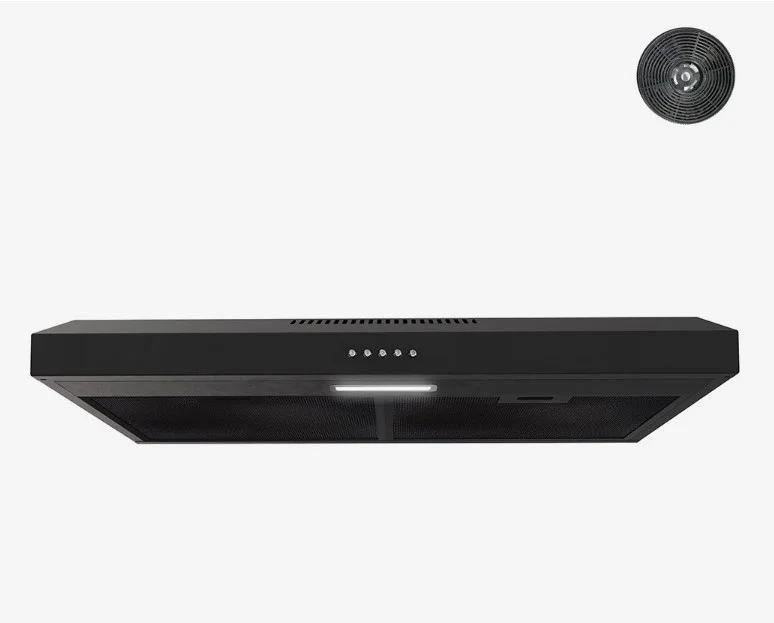
- Under-cabinet hoods:These fit beneath kitchen cabinets. They save space.
- Wall-mounted hoods:Installed against walls, they are visible. They offer strong ventilation.
- Island hoods:Ideal for kitchen islands. They hang from the ceiling.
- Downdraft hoods:These pull air downward. They are less common but useful.
Calculating Required Cfm
Calculating the required CFM (Cubic Feet per Minute) for your range hood is crucial to ensure effective ventilation. This number represents how much air your hood can move per minute, directly impacting how well it removes smoke, odors, and grease from your kitchen. Understanding the right CFM helps you avoid buying a hood that’s too weak or unnecessarily powerful.
Measuring Your Kitchen Size
Start by measuring your kitchen’s size because the volume of air in the space influences how much ventilation you need. Multiply the length, width, and height of your kitchen to get the total cubic feet.
For example, a kitchen that is 12 feet long, 10 feet wide, and 8 feet high has a volume of 960 cubic feet. Ideally, your range hood should be able to exchange the air in your kitchen about 15 times per hour. To find the minimum CFM, multiply the kitchen volume by 15 and then divide by 60 (minutes).
This means:
CFM = (Length × Width × Height × 15) ÷ 60
For the example kitchen:
CFM = (12 × 10 × 8 × 15) ÷ 60 = 240 CFM.
Considering Cooking Habits
Your cooking style greatly affects how much ventilation you need. Are you simmering soups gently, or do you often fry or grill with high heat? The more intense your cooking, the higher the CFM should be.
If you frequently cook spicy foods, use a wok, or do a lot of frying, you will want a range hood with more power to clear out the smoke and strong smells quickly. On the other hand, if your cooking is mostly light, lower CFM might be enough.
Ask yourself: how often does your kitchen fill with smoke or steam? Your experience here helps decide if you should add an extra 100 to 150 CFM to the base calculation.
Adjusting For Hood Type
Not all range hoods perform the same, so the type of hood affects the CFM you need. Wall-mounted hoods, under-cabinet hoods, and island hoods each have different efficiency levels and installation challenges.
Island hoods often require higher CFM because they are open on all sides, so air can escape more easily. Wall-mounted hoods usually work better with lower CFM since they have a wall to help contain the airflow.
Also, consider the duct type and length. Longer ducts or duct bends reduce airflow, so you might need to increase your CFM to compensate. Check your hood’s specifications and your kitchen layout carefully to adjust your CFM needs accordingly.
Cfm Recommendations By Stove Type
Choosing the right CFM (cubic feet per minute) for your range hood depends heavily on the type of stove you have. Each stove type produces different amounts of heat and smoke, which means your ventilation needs will vary. Knowing the recommended CFM for your specific stove can help you keep your kitchen air fresh and your cooking space comfortable.
Gas Stoves
Gas stoves release more heat and combustion gases compared to electric options. This means you need a higher CFM to effectively clear out smoke, odors, and moisture.
- A good rule of thumb is to have at least 100 CFM for every 10,000 BTUs your stove produces.
- For example, if your gas stove has a total output of 40,000 BTUs, aim for a range hood with a minimum of 400 CFM.
- Stronger ventilation also helps remove carbon monoxide and other combustion by-products, which is crucial for safety.
Have you noticed how cooking on gas can sometimes fog up your kitchen windows? That’s a clear sign you might need more ventilation power.
Electric Stoves
Electric stoves generate less heat and fewer fumes than gas stoves. Because of this, the CFM requirement is generally lower.
- Most electric stoves work well with range hoods rated between 200 to 400 CFM.
- If you do a lot of frying or cooking with strong odors, leaning toward the higher end of that range makes sense.
- However, for simple boiling or simmering, a lower CFM hood is usually sufficient.
Think about how often you use high-heat cooking methods. This can help you decide whether to invest in a stronger or more moderate ventilation system.
Induction Cooktops
Induction cooktops heat pots directly through electromagnetic energy, producing less ambient heat than gas or electric coils.
- They tend to create fewer airborne particles and less smoke, so the ventilation needs are typically the lowest.
- A range hood with 150 to 300 CFM is usually enough for most induction cooking setups.
- Still, if your kitchen is small or lacks other ventilation, opting for a stronger hood can help maintain air quality.
Have you experienced how quickly induction cooktops heat up water without heating the air around them? This efficiency also means less need for aggressive ventilation.
Impact Of Kitchen Layout
The layout of your kitchen plays a big role in deciding the CFM (cubic feet per minute) needed for your range hood. Air moves differently in various kitchen designs. This affects how well your hood can remove smoke, steam, and odors.
Understanding these impacts helps you pick the right power for your range hood. It also ensures your kitchen stays fresh and comfortable while cooking.
Open Vs Closed Kitchens
Open kitchens share space with living or dining areas. They need higher CFM to clear smoke and smells quickly.
Closed kitchens are separate rooms. They usually require less CFM because air stays contained.
Open layouts demand more air movement. This helps keep adjoining rooms clean and fresh.
Ceiling Height Effects
Tall ceilings make air spread out more. This means you need a range hood with stronger CFM.
Low ceilings keep air closer. They often need less powerful ventilation.
High ceilings can cause cooking fumes to linger. A powerful hood clears the air faster.
Ductwork Considerations
Long or twisted ducts reduce airflow. This lowers the effective CFM of your range hood.
Short, straight ducts allow better air movement. They keep the hood working at full power.
Choose ductwork that matches your hood’s CFM for best results.
Energy Efficiency And Noise Levels
Choosing the right CFM for your range hood isn’t just about raw power. Energy efficiency and noise levels play a huge role in your daily kitchen experience. A hood that’s too loud or wastes energy can make cooking unpleasant and costly.
Balancing Power And Quiet
You want a range hood that moves enough air to clear smoke and odors but stays quiet enough to keep conversations flowing. Too much power often means more noise, but some models balance this well.
Look for hoods with variable speed settings. This lets you use high CFM when cooking heavily and lower it for lighter tasks, reducing noise and saving energy.
Energy Star Ratings
Energy Star certified range hoods are tested for efficiency. They use less electricity while maintaining strong airflow. Choosing one can cut your utility bills without sacrificing performance.
These hoods often have advanced motors and better insulation, which helps reduce energy waste and noise. Are you paying attention to these labels when shopping?
Sound Measurement In Decibels
Noise level is measured in decibels (dB). A typical quiet range hood runs around 40-50 dB, similar to a moderate rainfall. Louder models can reach 70 dB or more, which is like standing near heavy traffic.
Check product specs for sone or decibel ratings before buying. This helps you avoid a hood that drowns out your kitchen conversations or TV shows.
Credit: streamlinebath.com
Upgrading Or Replacing Your Range Hood
Upgrading or replacing your range hood is more than just a kitchen facelift—it directly impacts your cooking comfort and air quality. Choosing the right CFM (cubic feet per minute) rating ensures your hood efficiently clears smoke, odors, and grease. If your current hood isn’t cutting it, knowing when and how to make the upgrade can save you frustration and improve your kitchen environment.
Signs You Need More Cfm
Is your kitchen often filled with lingering smells after cooking? That’s a clear sign your range hood might be underpowered.
Other hints include visible smoke buildup, greasy surfaces, or even frequent fogging of windows. If your hood struggles to clear steam or has a weak airflow sound, it’s time to consider a higher CFM rating.
Think about your cooking habits too. Do you often prepare fried or heavily spiced dishes? These activities demand stronger ventilation to keep your kitchen fresh.
Choosing The Right Size
Matching your range hood’s size to your cooktop is essential. A hood that’s too small won’t capture all the smoke, while one that’s too large may be noisy and inefficient.
Measure your cooktop width and aim for a hood at least as wide. For example, a 30-inch stove should have a 30-inch or wider hood.
Consider the cooking style—high-heat cooking like grilling or wok use requires higher CFM, sometimes double the standard recommendation. Don’t forget to factor in the ceiling height and ductwork length, as these affect airflow efficiency.
Installation Tips
Proper installation maximizes your range hood’s performance. Position it at the right height—typically between 24 and 30 inches above the cooktop—to balance capture and clearance.
Ensure the ductwork is straight and as short as possible to reduce airflow resistance. Use smooth, rigid metal ducts instead of flexible ones for better air movement.
Seal all joints tightly to prevent leaks, and avoid sharp bends in the ducting. If you’re unsure, consult a professional installer to avoid common pitfalls that reduce CFM efficiency.
Common Mistakes To Avoid
Choosing the right CFM for your range hood can be tricky. Many people make avoidable mistakes that affect performance and satisfaction. Understanding what to watch out for helps you get the most from your investment and keeps your kitchen air fresh.
Overestimating Cfm Needs
It’s easy to think that a higher CFM means better ventilation. But more power isn’t always better. A range hood with too high a CFM can create excessive noise and even cause drafts that disrupt cooking.
Think about your cooking style and kitchen size. Do you really need 1000 CFM if you mostly boil and simmer? Often, a moderate CFM that matches your stove size works best. You save money and avoid unnecessary noise.
Ignoring Ventilation Paths
CFM numbers alone don’t guarantee good airflow. The path your vent takes is just as important. Long, twisting ducts or blocked vents reduce efficiency and make your hood work harder than it should.
Check your ductwork before deciding on CFM. Is the vent straight and short? Are there filters or obstacles? Fixing these issues can improve performance more than simply increasing CFM.
Neglecting Maintenance
Even the best range hood fails without regular upkeep. Grease buildup and clogged filters reduce airflow dramatically. This makes the hood less effective, no matter how powerful it is.
Set a schedule to clean or replace filters and inspect the vent. Have you noticed your kitchen smells lingering longer than usual? That’s a sign your hood needs attention. Keeping it clean keeps your kitchen fresh and your hood working at peak performance.

Credit: www.rokhardware.com
Future Trends In Range Hood Technology
Range hood technology is evolving fast. New features improve kitchen air quality and user experience. These trends focus on smart controls, saving energy, and better air filtration. They make cooking safer and cleaner. Understanding these trends helps choose the right CFM for your range hood.
Smart Range Hoods
Smart range hoods connect to home networks for easy control. You can adjust fan speed and lighting using apps or voice commands. Sensors detect smoke and steam, turning the hood on automatically. This saves energy and improves kitchen air quality. Some models also learn your cooking habits over time.
Energy Saving Innovations
Energy efficiency is a key focus in new range hoods. Advanced motors use less power while keeping strong airflow. LED lights replace traditional bulbs, cutting energy use. Some hoods have variable speed fans that adjust based on cooking needs. This reduces electricity bills and lowers carbon footprints.
Improved Filtration Systems
Filtration systems are getting better at trapping grease, smoke, and odors. New filters use activated carbon and metal mesh for deeper cleaning. Some models offer washable filters that last longer. Better filtration means cleaner air and less kitchen buildup. This also helps maintain the hood’s performance over time.
Frequently Asked Questions
What Is Cfm In Range Hoods?
CFM stands for cubic feet per minute. It measures the airflow a range hood can move. Higher CFM means better ventilation for removing smoke, grease, and odors from your kitchen.
How To Calculate Cfm Needed For My Kitchen?
Multiply your cooktop’s width (in feet) by 100. For example, a 3-foot cooktop needs 300 CFM. Adjust for high-BTU burners or larger kitchens accordingly.
Does Kitchen Size Affect Range Hood Cfm?
Yes, larger kitchens require higher CFM to ensure proper ventilation. Bigger spaces need more airflow to clear cooking fumes effectively and maintain air quality.
Can A Range Hood Be Too Powerful?
Yes, excessively high CFM can cause noise and drafts. Choose a range hood with balanced power for your kitchen size and cooking habits.
Conclusion
Choosing the right CFM for your range hood keeps your kitchen fresh. A good CFM removes smoke, steam, and odors fast. Too little power won’t clean the air well. Too much power can waste energy and be noisy. Measure your cooktop size first.
Match the CFM to your cooking habits. Proper ventilation helps your kitchen stay comfortable and safe. Remember, the right CFM makes cooking more pleasant every day.