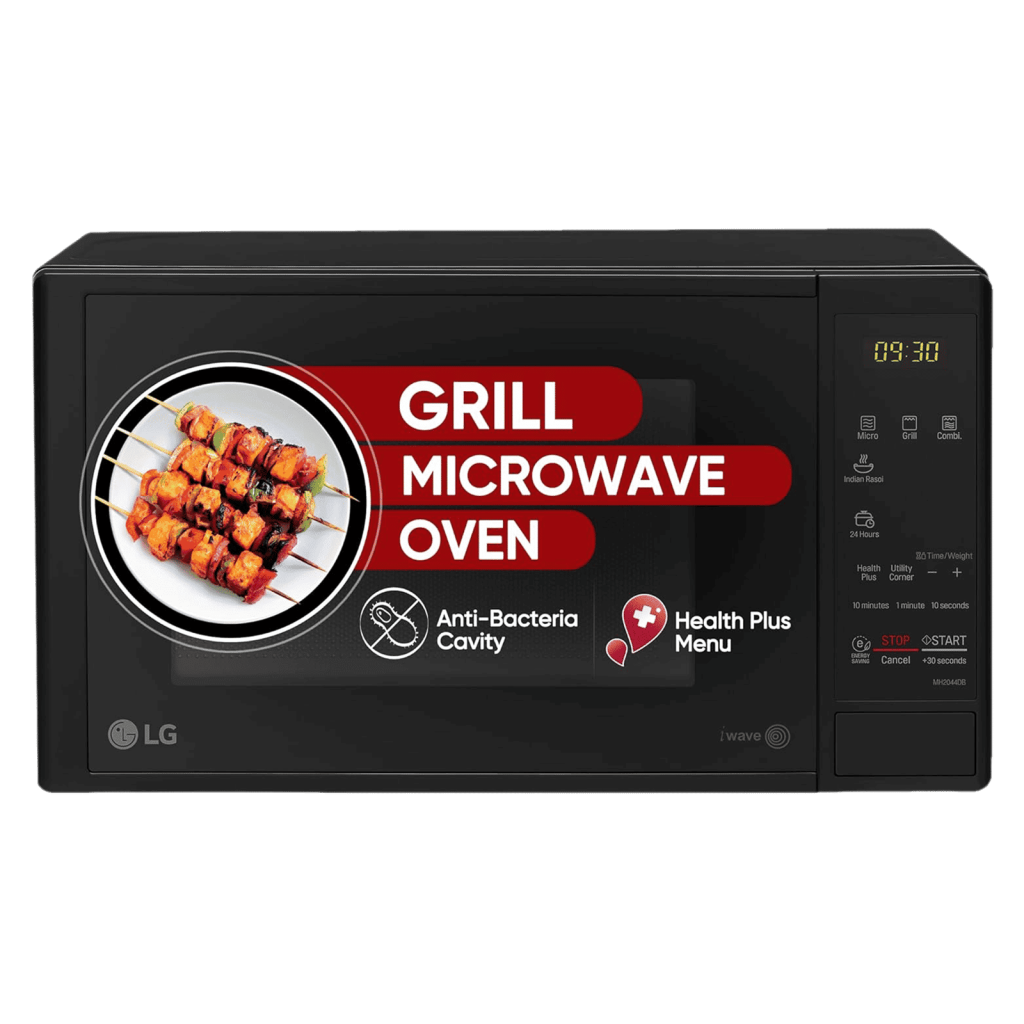
Do you ever wonder how your microwave knows just the right way to heat your food evenly? If you’ve ever found yourself puzzled by cold spots in your leftovers or overcooked edges, you’re not alone.
Enter inverter technology in microwave ovens – a game-changer that’s all about precision and control. Imagine biting into a perfectly warmed meal where every bite is just as delicious as the first. Sounds appealing, right? You’ll discover how inverter technology can transform your cooking experience.
We’ll break down what this means for your kitchen and why it might just be the upgrade you never knew you needed. Stick around to learn how this innovative feature can save you time, improve your meals, and make your life a little bit easier.

Credit: www.newegg.ca
Inverter Technology Basics
Understanding the basics of inverter technology in microwave ovens can change how you view your kitchen appliances. This technology offers a smarter way to cook food by controlling power more precisely. You might wonder how this affects your daily cooking and why it matters.
How Inverter Technology Works
Inverter technology allows the microwave to deliver a continuous and consistent power level. Instead of cycling the magnetron on and off like traditional microwaves, it adjusts the power output smoothly.
This means the microwave can maintain the exact power needed to cook food evenly. You get better control over cooking times and temperatures, which helps prevent overcooking or cold spots in your meals.
Think about reheating leftovers. With inverter technology, your food heats through evenly without hot or cold patches, so every bite tastes just right.
Difference Between Inverter And Traditional Microwaves
| Feature | Inverter Microwave | Traditional Microwave |
|---|---|---|
| Power Control | Continuous, precise adjustment | On/off cycling at full power |
| Cooking Performance | Even heating and better texture | Uneven heating with hot and cold spots |
| Energy Efficiency | More efficient, uses less energy | Less efficient, energy wasted during cycles |
| Defrosting | Gentle and uniform thawing | Partial cooking around edges |
Have you noticed your traditional microwave sometimes leaves food cold in the middle while the edges are hot? That’s a common issue inverter technology fixes.
By giving you more consistent power, inverter microwaves improve cooking results and save energy. Could this be the upgrade your kitchen needs?

Credit: www.youtube.com
Benefits Of Inverter Microwaves
Inverter microwaves bring a range of benefits that can improve your cooking experience significantly. Unlike traditional microwaves that operate with a simple on/off power system, inverter technology allows for continuous and precise power delivery. This means you get better control, efficiency, and results with every use.
Even Cooking And Defrosting
One of the biggest advantages of inverter microwaves is their ability to cook food evenly. Because they provide consistent power, your meals heat throughout without cold spots or overcooked edges. This is especially helpful when defrosting, as food thaws uniformly, reducing the risk of partially cooked or still frozen sections.
Have you ever taken food out of a microwave only to find some parts hot and others ice cold? Inverter technology solves that problem, making your cooking more reliable and less frustrating.
Energy Efficiency
Inverter microwaves use energy more efficiently by adjusting power levels smoothly instead of cycling the magnetron on and off. This means they consume less electricity while delivering the same or better results. Over time, this can lower your energy bills and reduce your environmental footprint.
Think about how often you heat small portions or reheat leftovers. With inverter technology, your microwave uses just the right amount of power, saving energy without compromising on speed or quality.
Precise Temperature Control
Inverter technology allows microwaves to maintain precise temperatures during cooking. This control is crucial for delicate tasks like melting chocolate or cooking fish, where overheating can ruin the dish. You can trust that your food will be cooked exactly as intended, not more or less.
Imagine being able to follow recipes that require gentle heating without worrying about burning or drying out your ingredients. This level of control opens up new possibilities for cooking with your microwave.
Key Features To Look For
Understanding the key features of inverter technology in microwave ovens can help you choose the right model that fits your cooking needs. These features impact how evenly and quickly your food cooks. Let’s break down what matters most when selecting an inverter microwave.
Power Levels And Settings
Inverter technology allows for precise control over power levels, unlike traditional microwaves that cycle power on and off. This means you can cook food at a consistent power without sudden bursts, resulting in evenly heated meals.
Look for models offering multiple power settings, such as low, medium, and high, with incremental adjustments. This flexibility makes a difference when defrosting delicate items or simmering sauces. Ask yourself: do you need fine-tuned control for various recipes, or will basic settings suffice?
Size And Capacity
The size of the microwave and its cooking capacity influence how much food you can prepare at once. Inverter microwaves come in compact to large sizes, so consider your kitchen space and typical meal portions.
If you often cook for a family, a larger capacity model around 1.5 cubic feet or more is practical. For single servings or smaller spaces, a compact unit might be more efficient. Think about what fits your lifestyle and kitchen layout before making a decision.
Additional Cooking Functions
Many inverter microwaves come with extra features that enhance cooking versatility. These can include grilling, convection baking, sensor cooking, and preset menus for common dishes.
These functions save time and reduce guesswork. Imagine defrosting meat evenly or baking a cake without needing a separate oven. Consider which extras you’ll actually use to avoid paying for features that gather dust.

Credit: www.jcperreault.com
Common Applications
Inverter technology changes how microwave ovens deliver power, making cooking more precise and efficient. This precision opens up new possibilities for everyday kitchen tasks. Let’s look at some common applications where this technology really makes a difference in your cooking experience.
Cooking Delicate Foods
Delicate foods like fish or custards need gentle, even heat to avoid overcooking. Inverter microwaves provide a consistent power level that prevents hot spots and uneven cooking. This means your soufflé can rise perfectly without collapsing, and your salmon stays tender instead of turning rubbery.
Defrosting Meat And Vegetables
Have you ever started cooking only to find parts of your meat still frozen? Inverter technology defrosts food gradually and evenly, reducing the risk of partially cooked edges. This slow, controlled thawing keeps vegetables crisp and meat ready for cooking without any frozen centers.
Reheating Without Overcooking
Reheating leftovers usually ends up with dry edges and cold spots in the middle. With inverter microwaves, power adjusts continuously to warm your food evenly. You get hot, juicy meals without the burnt edges or cold bites, making leftovers taste fresh again.
Maintenance And Care Tips
Proper maintenance extends the life of inverter microwave ovens. Simple care keeps the device running smoothly. Regular attention prevents common problems and preserves performance.
Cleaning Inverter Microwaves
Use a soft cloth with mild detergent to clean the inside and outside. Avoid abrasive cleaners that can damage the surface. Clean spills quickly to prevent stains and odors.
- Remove the turntable and wash it separately with warm, soapy water.
- Wipe the door seal gently to maintain a tight closure.
- Clean vents to ensure proper airflow and avoid overheating.
Never immerse the microwave in water or use harsh chemicals. Keep the interior dry after cleaning to prevent damage.
Troubleshooting Common Issues
Check the power connection if the microwave does not start. Ensure the door closes properly; safety locks prevent operation otherwise.
- If cooking is uneven, confirm food placement and use proper containers.
- Strange noises might indicate a misaligned turntable or debris inside.
- Display errors often reset after unplugging the microwave for a few minutes.
Contact a professional if the microwave shows persistent faults or unusual smells. Avoid opening the device yourself to prevent injury.
Choosing The Right Inverter Microwave
Choosing the right inverter microwave involves understanding your needs and priorities. Not all microwaves with inverter technology perform the same. Some offer more features, better build quality, or improved energy efficiency. A well-chosen inverter microwave saves time and cooks food evenly.
Consider how often you use a microwave and what kind of meals you prepare. Size and power levels matter, especially for families or frequent cooks. Comparing options helps find the best fit for your kitchen and budget.
Comparing Brands And Models
Start by checking well-known brands that specialize in kitchen appliances. Look for models that highlight inverter technology in their features. Read user reviews to learn about reliability and performance. Note the differences in power levels and preset cooking modes. Some models offer smart controls or sensor cooking, which can add convenience.
Budget Considerations
Inverter microwaves come in a wide price range. Set a budget before shopping to narrow choices. Higher-priced models often have extra features and better build quality. Lower-priced models cover basic functions well but may lack advanced options. Balance cost against what features matter most for your cooking needs.
Warranty And Support
Check the warranty period offered by the manufacturer. Longer warranties provide peace of mind for repairs or defects. Confirm what the warranty covers, such as parts and labor. Good customer support can make a big difference if issues arise. Look for brands with easy access to service centers and responsive help lines.
Frequently Asked Questions
What Is Inverter Technology In Microwave Ovens?
Inverter technology allows precise power control by adjusting energy flow continuously. This ensures even cooking and better texture in food.
How Does Inverter Microwave Differ From Conventional Microwave?
Inverter microwaves deliver consistent power levels, unlike conventional ones that cycle on and off. This leads to uniform heating and faster cooking.
What Are The Benefits Of Inverter Technology In Microwaves?
Benefits include energy efficiency, faster cooking, and even heat distribution. It also prevents overcooking and preserves food nutrients effectively.
Can Inverter Microwaves Cook Delicate Foods Better?
Yes, inverter microwaves maintain steady power, ideal for delicate foods. This avoids overheating and keeps texture and taste intact.
Conclusion
Inverter technology makes microwave cooking more even and efficient. It helps heat food gently without hot spots. You save energy and get better results every time. This tech also allows precise power control, so food cooks just right. Choosing a microwave with inverter tech means smarter cooking at home.
Simple, reliable, and easy to use—just what you need. Understanding this helps you pick the best microwave for your kitchen.