Ever wondered if your microwave oven is running at its best? Whether you use it to quickly reheat last night’s dinner or pop some popcorn for movie night, your microwave is a crucial kitchen companion.
But just like any appliance, it needs a little attention to ensure it’s working efficiently and safely. In this guide, you’ll discover simple and practical steps to test your microwave oven, ensuring it’s in top-notch condition. Ready to make sure your microwave is performing like a champ?
Let’s dive in and find out how you can keep it in perfect shape!
Prepare For Testing
Preparing for testing a microwave oven is the first key step. This stage ensures accurate results and safe handling. Careful preparation avoids mistakes and protects you from harm. Gather all items and check safety before starting the test. Proper setup helps the process run smoothly and efficiently.
Gather Necessary Tools
Collect the tools needed to test the microwave properly. These include a microwave-safe container, water, a kitchen timer, and a thermometer. A measuring cup helps to pour the right amount of water. Have a clean cloth ready to handle hot items. Keep a notebook to record test results and observations.
Ensure Safety Precautions
Safety must come first during microwave testing. Make sure the microwave is plugged into a working outlet. Check the door seal for cracks or damage. Keep the area around the microwave clear of clutter. Avoid using metal objects inside the microwave. Never leave the microwave unattended while running. Use oven mitts to remove hot containers carefully.

Credit: www.protestesltd.co.uk
Check Microwave Power
Checking the power of your microwave oven is key to ensuring it heats food properly and saves you time. Microwaves can lose strength over time, and this affects how evenly and quickly your meals cook. Testing the power helps you know if your microwave is still working efficiently or if it’s time to consider repairs or replacement.
Measure Cooking Time Accuracy
Start by testing how accurately your microwave follows cooking times. Use a simple test like boiling water. Fill a microwave-safe cup with 1 cup of water and heat it for 1 minute on high power.
After heating, check the water temperature with a kitchen thermometer. It should be about 60–70°C (140–158°F). If it’s much cooler, your microwave might be underpowered or the timer could be off.
Try heating the same amount of water in 30-second intervals to see if the temperature rises consistently. If the temperature jumps unpredictably, your microwave might not be heating evenly or maintaining power.
Test Heating Consistency
Heating consistency is about how evenly your microwave cooks food across the entire plate. Take a microwave-safe plate and spread slices of bread or marshmallows evenly over it.
Heat the plate for 30 seconds on high power and observe which pieces are toasted or melted. Uneven heating shows spots where your microwave’s power waves aren’t reaching effectively.
You can also place a few small cups of water in different spots on the microwave turntable. Heat for 2 minutes and check if the water heats evenly. This test helps you understand if your microwave’s magnetron or turntable has issues.
Have you ever noticed cold spots in your reheated food? Testing power and consistency helps explain why that happens and guides you in getting the best from your microwave.
Assess Turntable Function
Assessing the turntable function of your microwave is a crucial step in ensuring it heats food evenly and works efficiently. The turntable’s job is to rotate your dishes so microwaves reach every part of your meal. If it’s not working properly, you might end up with cold spots or uneven cooking, which can be frustrating and sometimes unsafe.
Inspect Rotation
Start by observing the turntable as you run your microwave. Does it spin smoothly without wobbling or stopping abruptly? A turntable that jerks or makes loud noises might have a faulty motor or a misaligned roller ring underneath.
Try placing a lightweight plate on the turntable and watch carefully. If it stays still or moves unevenly, that’s a clear sign of trouble. You might also hear unusual sounds like grinding or clicking. These could mean the turntable motor needs repair or replacement.
Evaluate Even Heating
Testing even heating is simple and revealing. Place a microwave-safe cup of water in the center of the turntable and heat it for about one minute. Check if the water is heated evenly by stirring and feeling the temperature.
Next, try heating a plate of food with different items spread out. After heating, touch different spots to see if the temperature varies. Uneven heating often indicates the turntable isn’t rotating properly, or the microwave’s wave distribution is off.
Have you ever noticed cold or burnt patches in your reheated meals? This is often caused by turntable issues. Fixing or replacing a malfunctioning turntable can save you from wasting food and money in the long run.
Evaluate Door Seal
The door seal of a microwave oven plays a key role in safety and performance. It keeps microwave energy inside, preventing leaks. A weak or damaged seal can reduce cooking efficiency and cause energy loss. Testing the door seal is important for safe and effective microwave use.
Inspect For Damage
Look closely at the door seal for cracks, tears, or worn areas. Check the rubber gasket around the door edges. Any visible damage means the seal might not work well. Dirt and food debris can also weaken the seal. Clean the gasket gently with a damp cloth. Avoid harsh chemicals that can cause damage.
Confirm Proper Closure
Close the microwave door firmly and check if it fits snugly. The door should click or lock securely in place. A loose or misaligned door can cause the seal to fail. Try opening and closing the door several times to ensure smooth operation. If the door feels loose or hard to close, the seal or latch may need repair or replacement.
Test Control Panel
The control panel is your microwave oven’s command center. Testing it carefully ensures that every function you rely on is working smoothly. A responsive and accurate control panel makes cooking easier and helps avoid frustration.
Verify Button Responsiveness
Start by pressing each button on the control panel. Notice if the buttons respond immediately or if there’s a delay. A lagging or unresponsive button might indicate a problem with the keypad or internal wiring.
Try multiple presses of the same button to see if it consistently registers your input. If you find some buttons don’t respond or require extra force, this could affect your cooking experience. Have you ever pressed a button multiple times only to find the microwave didn’t start? That’s a sign to check responsiveness.
Check Display Accuracy
Look at the microwave’s display while operating various functions. The numbers and symbols should be clear, complete, and easy to read. If parts of the display are dim, flickering, or missing, this can lead to confusion during cooking.
Test the timer by setting different cooking times and observe if the countdown matches your input. An inaccurate display can cause you to overcook or undercook your food. Could a faulty display be the hidden cause behind your unevenly heated meals?
Perform Safety Tests
Performing safety tests on your microwave oven is crucial to protect yourself and your family from potential hazards. These tests help ensure that your appliance is operating correctly and not posing any health risks. Taking a few minutes to check safety features can save you from costly repairs or dangerous situations later.
Check For Radiation Leakage
Microwave ovens emit radiation to heat food, but this radiation should be contained inside the unit. You can use a microwave leakage detector, available online or in hardware stores, to measure any escaping radiation around the door seals and vents. If you don’t have a detector, a simple way is to inspect the door for damage like cracks or bent hinges that might cause leaks.
Have you ever noticed sparks or unusual smells while using your microwave? These can be signs of faulty shielding. Keeping the door clean and ensuring it closes tightly reduces the risk of radiation leakage and keeps your kitchen safe.
Test Auto Shutoff Feature
The auto shutoff feature stops the microwave if the door opens or if the oven overheats. Testing this feature is easy and important. Simply start the microwave with a cup of water inside, then carefully open the door mid-cycle—your microwave should stop immediately.
Another way is to run the microwave empty for a short time (less than 30 seconds) and watch if it shuts off when overheated. This prevents damage to the appliance and reduces fire risk. Have you checked this feature recently? It’s a simple test that could prevent serious accidents.
Troubleshoot Common Issues
Troubleshooting common microwave oven issues helps save time and money. Many problems have simple fixes. Knowing what to check first avoids unnecessary repairs or replacements.
Identify Heating Problems
Check if the microwave heats food properly. If food stays cold, it may be a heating issue. Start by testing with a cup of water. Heat it for one minute. If water does not get warm, the magnetron might be faulty.
Inspect the door seal and latch. A damaged seal stops microwaves from heating. Make sure the door closes firmly. Any gap can cause heating failure. Also, check the fuse inside the microwave. A blown fuse can cut power to the magnetron.
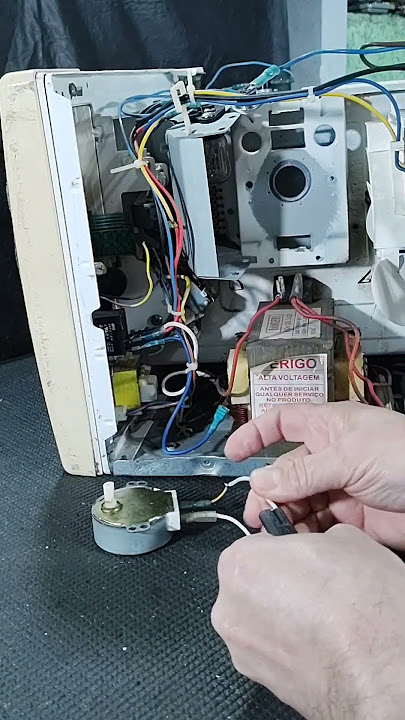
Fix Turntable Malfunctions
The turntable helps food cook evenly. If it does not rotate, food may heat unevenly. First, ensure the turntable is correctly placed on the support ring. Remove and re-seat it if needed.
Look for debris blocking the turntable motor. Clean any crumbs or spills. If the turntable still does not move, test the motor. Listen for humming sounds without movement. A silent or noisy motor may need replacement.

Credit: www.youtube.com

Credit: thelocalguystestandtag.com.au
Frequently Asked Questions
How Do I Check If My Microwave Heats Properly?
Place a cup of water inside and heat it for one minute. If the water feels hot, the microwave is heating correctly. If not, it may need repair or replacement.
What Is The Best Way To Test Microwave Turntable Function?
Turn on the microwave with a microwave-safe plate inside. Observe if the turntable rotates smoothly. If it doesn’t, the motor or mechanism might be faulty.
How Can I Test Microwave Power Levels Accurately?
Use a microwave power meter or heat water at different power settings. Measure temperature changes to verify the power levels are consistent and effective.
How Do I Identify Microwave Leaks Safely?
Use a microwave leakage detector or take the oven to a professional. Avoid using homemade tools as they may be unsafe or inaccurate.
Conclusion
Testing a microwave oven helps keep it safe and working well. Check the power, turntable, and door seal regularly. Simple tests show if the microwave heats food evenly. Always follow safety steps before starting any test. Regular checks can save money and avoid surprises.
Stay confident using your microwave every day. Testing takes just a few minutes but brings peace of mind. Try these easy tips soon to ensure your microwave works right.