
Imagine the aroma of a freshly baked cake wafting through your kitchen, but without the need for a conventional oven. Yes, you read that right!
You can make a delicious cake using just your microwave oven, even if it doesn’t have a convection feature. This guide is perfect for those moments when you’re craving a sweet treat but short on time or kitchen equipment. You’ll discover the secrets to achieving a perfectly baked cake that’s moist, fluffy, and full of flavor, all from the convenience of your microwave.
Ready to uncover the easy steps and expert tips to satisfy your cake cravings? Keep reading, because this is about to become your go-to method for quick and easy homemade desserts.
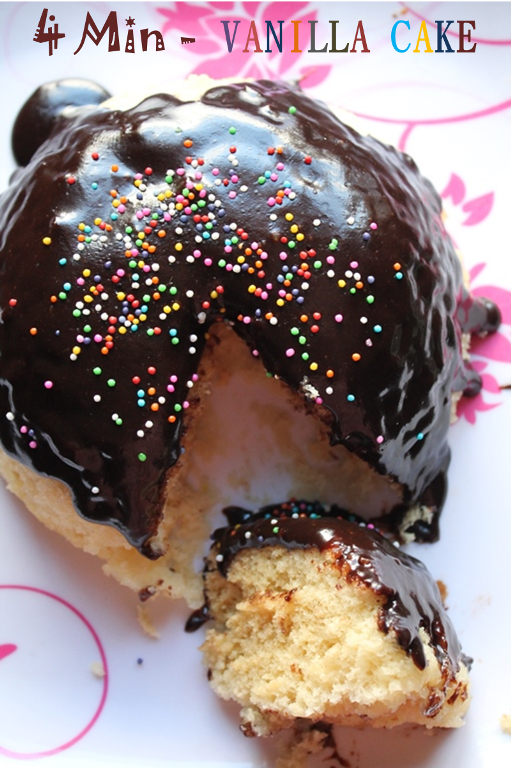
Credit: www.yummytummyaarthi.com
Choosing The Right Ingredients
Choosing the right ingredients is the first and most important step to bake a delicious cake in your microwave oven without convection. The texture, taste, and overall success of your cake depend heavily on what you use. Understanding which ingredients are essential and which can be swapped will save you from common baking pitfalls and help you get that perfect fluffy cake every time.
Essential Baking Ingredients
Some ingredients are non-negotiable for a good microwave cake. Flour, sugar, eggs, baking powder, and milk form the core. Each plays a unique role: flour gives structure, sugar adds sweetness and moisture, eggs bind everything, baking powder helps the cake rise, and milk keeps it tender.
Choose all-purpose flour for most microwave cakes, as it strikes the right balance between density and lightness. Use fresh baking powder to ensure your cake rises well, especially since microwave baking is fast and needs a strong leavening agent.
Don’t overlook the quality of your eggs and milk. Fresh eggs will hold the batter together better, while whole milk adds richness that skim milk can’t match. If you want a lighter cake, you can try low-fat milk, but be ready for a slightly different texture.
Substitutes For Quick Baking
Sometimes you might not have all the standard ingredients at hand. That’s okay. You can still bake a tasty cake by using smart substitutes.
- Flour:Try cake flour or self-rising flour if you don’t have all-purpose flour. Adjust the baking powder accordingly if using self-rising flour.
- Sugar:Honey or maple syrup can replace sugar but reduce the liquid in your recipe slightly to keep the batter from becoming too wet.
- Eggs:Use a mashed banana or unsweetened applesauce as egg substitutes for binding and moisture.
- Milk:Water or any plant-based milk like almond or soy can work in a pinch but expect subtle changes in taste and texture.
Have you ever tried baking with a substitute and got a surprising result? Sometimes, these swaps can make your cake more unique and even better than the original.

Credit: m.youtube.com
Selecting Microwave-safe Containers
Choosing the right container is key for baking a cake in a microwave oven without convection. The container must be safe and suitable for microwave heat. This ensures even cooking and prevents accidents. It also affects the texture and rise of the cake.
Not all containers work well in microwaves. Some can melt, crack, or cause sparks. Using the correct container improves baking results and keeps your microwave safe.
Best Materials For Baking
- Glass: Microwave-safe glass bowls or dishes are excellent. They heat evenly and do not absorb odors.
- Ceramic: Choose ceramic containers labeled microwave-safe. They retain heat well and distribute it evenly.
- Silicone: Flexible silicone molds work well for cakes. They are easy to remove and clean.
- Plastic: Only use plastic containers clearly marked microwave-safe. Avoid thin plastics that may melt.
- Metal: Never use metal containers or foil. They cause sparks and damage the microwave.
Container Size And Shape Tips
- Use a container that fits your microwave turntable. It should allow space for heat circulation.
- Choose a shallow container, about 2 to 3 inches deep. It helps the cake cook evenly.
- Round or square shapes work well. Avoid very tall or narrow containers to prevent uneven baking.
- Leave some space at the top to allow the cake to rise without spilling.
- Check the container’s lid or cover. Use microwave-safe lids or wrap with microwave-safe plastic wrap.
Preparing The Cake Batter
Preparing the cake batter is a crucial step that sets the foundation for your microwave cake. A well-prepared batter ensures your cake rises evenly and has a soft, fluffy texture. Taking the time to mix ingredients properly can make a big difference in your final result.
Mixing Techniques For Smooth Batter
Start by sifting dry ingredients like flour, baking powder, and sugar to avoid lumps. Use a whisk or a fork to blend them well before adding wet ingredients. This helps distribute the leavening agents evenly throughout the batter.
When adding eggs, milk, and oil, pour them slowly while stirring continuously. Stir gently but thoroughly to combine everything into a smooth mixture. Avoid overmixing since it can make the batter tough.
Have you ever noticed how a few lumps can ruin the texture of a cake? Taking a moment to smooth out your batter pays off in the softness and rise of your cake.
Avoiding Common Batter Mistakes
One mistake is adding ingredients all at once, which can cause uneven mixing. Instead, add wet ingredients gradually and stir between additions. This keeps the batter consistent.
Another common error is overbeating the batter. It’s tempting to mix vigorously, but this can develop gluten and make the cake dense. Stop mixing as soon as the ingredients come together.
Also, measuring ingredients inaccurately can throw off the batter balance. Use proper measuring cups and spoons for best results. Have you checked if your flour is packed or loose before measuring?
- Use room temperature eggs and milk to help ingredients blend smoothly.
- Scrape the sides of your bowl to incorporate all ingredients evenly.
- Let the batter rest for a few minutes before microwaving to allow bubbles to settle.
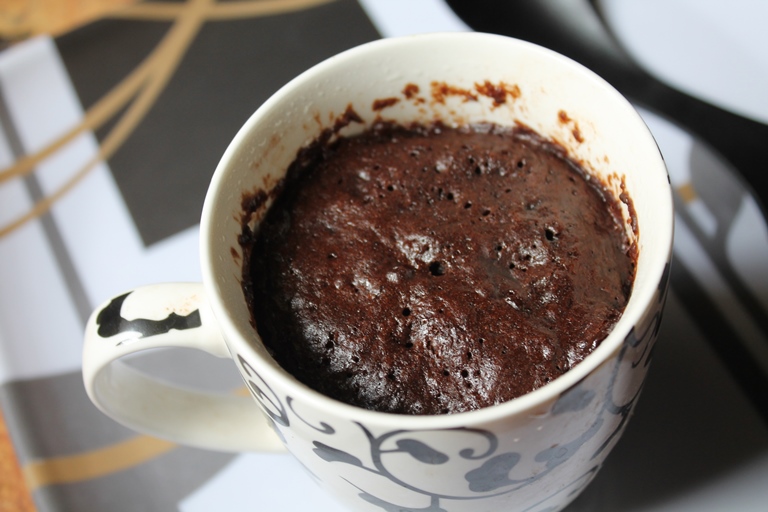
Credit: www.yummytummyaarthi.com
Microwave Baking Settings
Microwave baking settings play a key role in baking a cake without convection. Microwaves heat food differently from traditional ovens. They use electromagnetic waves to warm the water molecules inside the batter. This process is faster but requires careful control of power and time. Proper settings help the cake rise evenly and avoid drying out or overcooking.
Adjusting Power Levels
Most microwave ovens have multiple power levels. Use medium or 50-70% power for baking a cake. High power can cook the outside too fast, leaving the inside raw. Low power allows even cooking and prevents burning. Check your microwave’s manual to find the exact power settings. Adjust based on the cake size and batter thickness.
Recommended Baking Times
Baking time varies with microwave wattage and cake size. Small cakes usually take 4 to 6 minutes. Larger cakes might need 8 to 12 minutes. Start with less time and add more if needed. Use a toothpick to test doneness. If it comes out clean, the cake is ready. Avoid opening the door often to keep heat inside.
Checking Cake Doneness
Knowing when your microwave cake is perfectly done can be tricky, especially without a convection setting. Unlike traditional ovens, microwave ovens cook differently, so relying on baking time alone might leave you with a gooey center or a dry crumb. Checking doneness carefully ensures your cake has the right texture and taste every time.
Simple Testing Methods
One of the easiest ways to check your cake is done is the toothpick test. Insert a clean toothpick or skewer into the center of the cake. If it comes out clean or with just a few moist crumbs, your cake is ready.
You can also gently press the surface of the cake with your finger. If it springs back quickly, it’s baked through. If your finger leaves an indentation, it needs more time.
Another tip: listen closely. If you hear popping or crackling sounds, the cake might still be cooking inside. Silence often means the heat has balanced out.
Signs Of Perfectly Baked Cake
- Even rise:Your cake should have a smooth, domed top without large cracks.
- Firm edges:The sides should pull away slightly from the container.
- Color:A light golden color is a good indicator, but avoid dark or burnt spots.
- Texture:The crumb should be soft but not wet or sticky.
Have you noticed that sometimes your cake looks done but still feels dense inside? That’s a sign to test with a toothpick rather than judging by appearance alone. Your senses combined with simple tests guide you to the perfect microwave cake every time.
Creative Flavor Variations
Creative flavor variations make microwave cakes exciting and unique. Experimenting with different ingredients transforms a simple cake into a delightful treat. Small changes bring big differences in taste and texture.
Try adding fruits, nuts, chocolate, or spices to suit your mood. Each option offers a new experience. These ideas help you customize your cake easily without a convection oven.
Adding Fruits And Nuts
Fresh or dried fruits add natural sweetness and moisture. Chopped nuts bring a crunchy texture and nutty flavor. Combine both for a balanced bite.
- Blueberries, raspberries, or chopped apples work well.
- Use walnuts, almonds, or pecans for crunch.
- Mix fruits and nuts into the batter before microwaving.
- Avoid large chunks to ensure even cooking.
Incorporating Chocolate And Spices
Chocolate adds richness and indulgence to your cake. Spices bring warmth and depth to simple flavors. Pair them for a cozy treat.
- Add cocoa powder or chocolate chips to the batter.
- Try cinnamon, nutmeg, or ginger for spice notes.
- A pinch of salt enhances chocolate and spices.
- Mix ingredients well for even flavor distribution.
Tips For Moist And Fluffy Cake
Baking a cake in a microwave without convection can be quick and simple. Achieving a moist and fluffy texture requires some special care. These tips help keep your cake soft and tender, avoiding dryness and toughness.
Avoiding Overcooking
Microwave ovens cook food very fast. Overcooking can make the cake dry and hard. Use a lower power setting for longer cooking time. Check the cake every 30 seconds near the end. Insert a toothpick in the center; if it comes out clean, the cake is done. Stop cooking immediately to keep moisture inside.
Moisture Retention Techniques
Adding ingredients that hold moisture helps a lot. Use yogurt, sour cream, or applesauce in your batter. These keep the cake soft even after cooking. Cover the cake with microwave-safe plastic wrap while baking. This traps steam, making the cake moist. Let the cake rest covered for a few minutes after cooking. The trapped steam finishes baking the inside gently.
Serving And Storing Microwave Cakes
Serving and storing your microwave cake properly can make all the difference in how delicious it stays and how impressed your guests feel. A beautifully presented cake invites compliments, while smart storage keeps it fresh and ready for another slice later. Let’s look at some easy ways to serve and store your microwave-made masterpiece.
Presentation Ideas
You don’t need fancy tools to make your microwave cake look tempting. Try slicing the cake into neat pieces and arranging them on a bright, colorful plate to catch the eye.
- Add fresh fruits like strawberries or blueberries on top for a pop of color and natural sweetness.
- Drizzle a little chocolate or caramel sauce over the cake to make it visually inviting and tastier.
- Sprinkle some powdered sugar or cocoa powder with a small sieve for a delicate finish.
Have you ever noticed how a simple garnish can turn an ordinary cake into a celebration-worthy dessert? Even a dollop of whipped cream or a few mint leaves can elevate the experience.
Best Storage Practices
Storing your microwave cake correctly helps keep its moist texture and fresh flavor. Let the cake cool completely before covering it to avoid sogginess from trapped steam.
| Storage Method | Best For | Tips |
|---|---|---|
| Room Temperature | Short-term (1-2 days) | Keep in an airtight container away from sunlight and heat |
| Refrigeration | Up to 5 days | Wrap tightly with plastic wrap or store in a sealed container to avoid drying out |
| Freezing | Up to 2 months | Wrap in foil and place in a freezer bag; thaw overnight in the fridge before serving |
Have you tried freezing leftover cake? It’s a great way to avoid waste and always have a quick dessert ready. Just remember that some frostings or fillings may change texture after freezing.
Frequently Asked Questions
How Long To Bake A Cake In A Microwave Without Convection?
Baking time varies by recipe but generally takes 5-10 minutes. Use medium power to avoid overcooking. Check doneness with a toothpick inserted in the center.
Can I Use Regular Cake Recipes For Microwave Baking?
Yes, regular recipes can be adapted by reducing baking time. Microwave heat cooks faster, so monitor your cake closely to prevent drying out.
What Microwave Settings Work Best For Cake Baking?
Use medium or 50% power setting for even cooking. Avoid high power to prevent burning or uneven texture. Stir batter well before microwaving.
How To Prevent A Microwave Cake From Drying Out?
Add moisture-rich ingredients like yogurt or applesauce. Cover the cake with microwave-safe wrap during baking. Avoid overcooking by checking frequently.
Conclusion
Baking a cake in a microwave without convection is easy and quick. Just follow the steps carefully and use the right ingredients. You don’t need special tools or skills. This method saves time and energy. Perfect for a simple treat anytime.
Give it a try and enjoy fresh, warm cake at home. Baking can be fun and stress-free. No oven? No problem. Your tasty cake is just minutes away.