
Are you in the middle of a kitchen remodel or considering a new range hood installation? One crucial detail often overlooked is the height at which you should install your hood above your range.
Getting this right isn’t just about aesthetics; it’s essential for safety, efficiency, and even your cooking experience. We’ll reveal the ideal range hood height to ensure optimal performance and safety. You’ll discover practical tips and insights that could transform your kitchen space into a more enjoyable and functional environment.
Stay with us, and you might just find the perfect solution that makes your kitchen the heart of your home.
Recommended Hood Heights
Choosing the right height for your kitchen hood is essential for effective ventilation. Proper height ensures smoke, steam, and odors are captured quickly. It also affects how well the hood performs and how safe your kitchen remains. Recommended hood heights vary based on the cooktop and hood type. Knowing these guidelines helps you install the hood for best results.
Standard Height Range
The usual height for a kitchen hood is between 24 and 30 inches above the cooktop. This range works well for most electric and gas ranges. It balances strong ventilation with enough space to cook comfortably. Installing the hood too low can block your view and cause heat damage. Too high, and the hood may not capture smoke effectively.
Variations By Cooktop Type
Different cooktops need different hood heights. Gas cooktops produce more heat and flames, so the hood should be closer, around 24 to 27 inches. Electric cooktops run cooler, allowing the hood to sit a bit higher, from 28 to 30 inches. Induction cooktops also work well with hoods placed at 28 to 30 inches. Always check the hood manufacturer’s instructions for specific height recommendations.
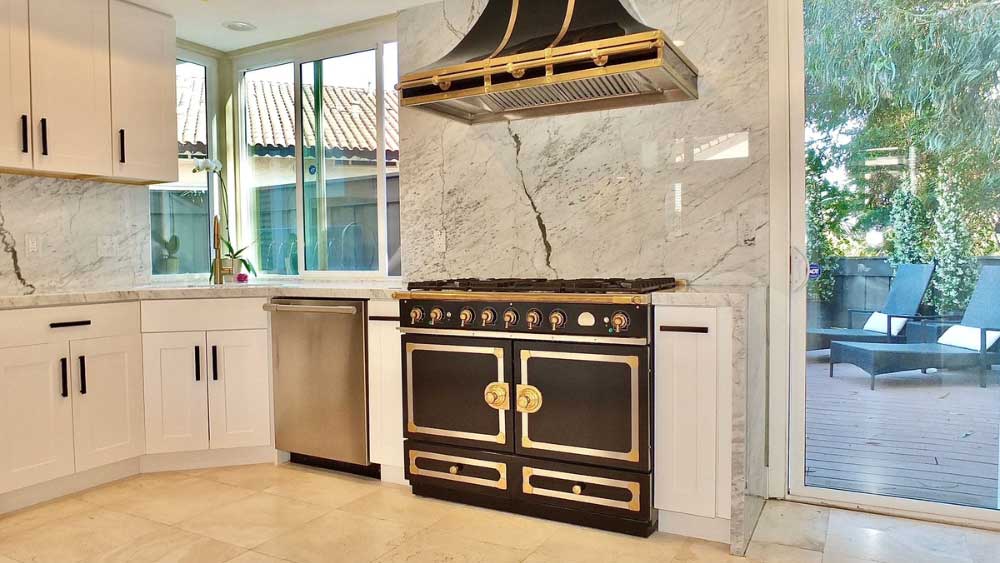
Credit: blog.yaleappliance.com
Factors Affecting Hood Placement
Placing your kitchen hood at the right height is more than just a measurement—it depends on several key factors that affect its efficiency and safety. Understanding these elements helps you avoid common mistakes like poor ventilation or an obstructed cooking space. Let’s take a closer look at what influences the perfect hood placement above your range.
Ceiling Height Considerations
Ceiling height plays a major role in deciding how high your hood should be installed. If you have a standard 8-foot ceiling, the hood typically sits between 24 to 30 inches above the cooktop. But with higher ceilings, you might need a taller hood or an adjustable chimney to maintain proper capture of smoke and steam.
Think about your kitchen’s vertical space. A hood placed too high in a room with tall ceilings can lose its suction power, leaving your kitchen smoky. On the other hand, a hood too low could interfere with your cooking movements or even become a safety hazard.
Ventilation Needs
The strength of your ventilation system directly impacts hood height. Powerful hoods with higher extraction rates can be installed slightly higher because they pull air more efficiently. Less powerful units need to be closer to the range for best results.
Consider the type of cooking you do most often. If you frequently fry or use high heat, you’ll want the hood closer to capture grease and smoke quickly. But if you mostly simmer or boil, you can afford a bit more clearance without losing performance.
Kitchen Layout Impact
The layout of your kitchen changes how your hood fits above the range. In open-plan kitchens, you might want a hood with a larger capture area, which can affect how high it should be mounted. Walls, cabinets, and even lighting fixtures nearby can limit hood placement options.
Ask yourself: Does your hood block sightlines or make the space feel cramped? Sometimes adjusting hood height slightly can improve kitchen flow and comfort without compromising ventilation. Your hood should work with your space, not against it.
Types Of Range Hoods
Choosing the right type of range hood affects both your kitchen’s functionality and style. Each type has unique features that determine how high it should be installed above your range. Understanding these types helps you make the best decision for your cooking space and ventilation needs.
Under-cabinet Hoods
Under-cabinet hoods fit neatly beneath your kitchen cabinets, saving space and blending with your existing design. They are usually installed between 20 to 24 inches above the cooktop for optimal smoke and odor capture.
These hoods work well if you have limited space or want a discreet look. Have you noticed how some compact kitchens still manage to stay fresh? That’s often the result of a well-placed under-cabinet hood.
Wall-mounted Hoods
Wall-mounted hoods attach directly to the wall above your stove and often feature a chimney that extends upward. These are typically placed 24 to 30 inches above the cooking surface to balance efficiency and safety.
If your range is against a wall and you want a statement piece, this type offers both power and style. Think about your kitchen’s layout—does a bold, visible hood enhance your space or clutter it?
Island Hoods
Island hoods hang from the ceiling above a cooktop located on a kitchen island. Because they are exposed on all sides, they usually require installation 30 to 36 inches above the range to effectively capture smoke and steam.
These hoods need to be powerful enough to handle open airflow and provide a clear line of sight across your kitchen. If you cook often on an island, ask yourself: how important is strong ventilation compared to keeping an open, airy feel?
Measuring Hood Height Correctly
Measuring the hood height above a range is key for proper ventilation. The right height ensures smoke and steam get trapped and removed efficiently. Too low or too high can reduce the hood’s performance and safety. Precise measurement helps maintain air quality and protect kitchen surfaces.
Follow clear steps and use simple tools to get the correct hood height. Accurate measuring avoids costly adjustments or replacements later. Here is how to do it properly.
Tools Needed
- Measuring tape or ruler
- Step ladder or stool
- Spirit level (optional for accuracy)
- Pen and paper for notes
Step-by-step Process
- Place the ladder or stool near the cooking range.
- Extend the measuring tape from the cooktop surface upwards.
- Measure the distance from the top of the range to the bottom edge of the hood.
- Check if the measurement falls within the recommended range (usually 24 to 30 inches).
- Use the spirit level to ensure the hood is perfectly horizontal.
- Note the measurements clearly for installation or adjustment.
Safety And Efficiency Tips
Setting the right height for a range hood is key for safety and efficiency. Too low or too high can cause problems. This section covers tips to keep your kitchen safe and your hood working well.
Avoiding Fire Hazards
Keep the hood at a safe distance to stop flames from reaching it. Too close can cause heat damage or fire. Clean grease filters often to prevent buildup. Avoid materials that catch fire near the stove.
Maximizing Airflow
The hood must be high enough to cover all cooking areas. This helps capture smoke and odors better. Too high lowers suction power and lets fumes escape. Use a hood size that matches your range width for best airflow.
Noise Reduction
Install the hood at the right height to reduce loud sounds. A hood too close to pots can cause noise from steam and boiling. Choose models with quiet fans. Regular filter cleaning also helps keep noise low.
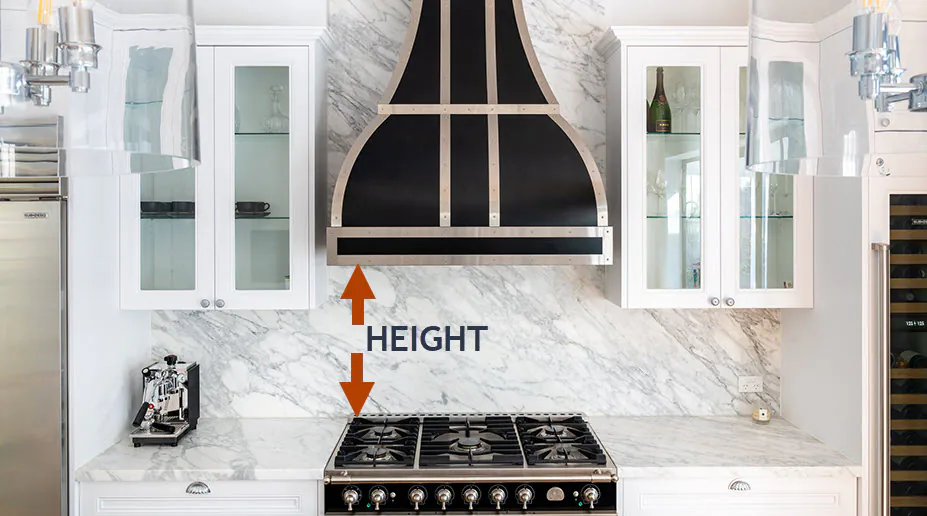
Credit: www.sydneyrangehoods.com.au
Common Installation Mistakes
Installing a range hood might seem straightforward, but many homeowners make mistakes that affect its performance. Getting the height right is crucial for effective ventilation and safety. Overlooking key details can lead to poor air quality and even damage your kitchen setup.
Too High Or Too Low
Setting the hood too high reduces its ability to capture smoke and odors. You might think more clearance is safer, but it often means less efficient ventilation. On the other hand, installing it too low can create a fire hazard and limit your cooking space.
I once saw a setup where the hood was nearly three feet above the stove. Smoke barely made it to the vent, leaving the kitchen smoky for hours. How high is too high for your specific stove and hood model?
Ignoring Manufacturer Guidelines
Every range hood comes with installation instructions tailored to its design. Ignoring these can result in poor airflow, noise issues, or even void your warranty. Some models require specific distances from the cooktop for optimal performance.
If you skip these guidelines, you risk spending more time and money fixing problems later. Have you checked the manual for your hood’s recommended height? Following these instructions ensures safety and efficiency without guesswork.
Adjusting Hood Height For Custom Kitchens
Adjusting the hood height in custom kitchens requires more than just sticking to standard measurements. Your kitchen might have unique features that demand a tailored approach to ensure proper ventilation and safety. Understanding these nuances helps you set the hood at the right height for maximum efficiency.
Non-standard Counter Heights
Custom kitchens often feature counters that are higher or lower than the typical 36 inches. This difference impacts the hood height because the distance from the cooktop to the hood needs to be consistent for effective smoke and odor removal.
For example, if your counters are 42 inches tall, placing the hood at the usual 24 to 30 inches above the cooktop might make it too high relative to your head level. You want the hood to be within a comfortable reach while still capturing all the fumes. Adjust the hood height by measuring from your actual countertop, not just relying on standard guides.
Special Cooking Appliances
Some kitchens include appliances that produce more heat or smoke, such as commercial-grade ranges or built-in grills. These devices require a different hood height to handle the increased ventilation needs.
If you have a high-BTU range, raising your hood slightly can prevent excessive heat damage to the hood itself while ensuring proper capture of smoke. Conversely, a lower hood might work better for appliances that produce less smoke but more steam, like induction cooktops.
Have you considered how your cooking habits and appliance types affect your hood’s placement? Tailoring the hood height to your specific setup can transform your kitchen’s functionality and comfort.
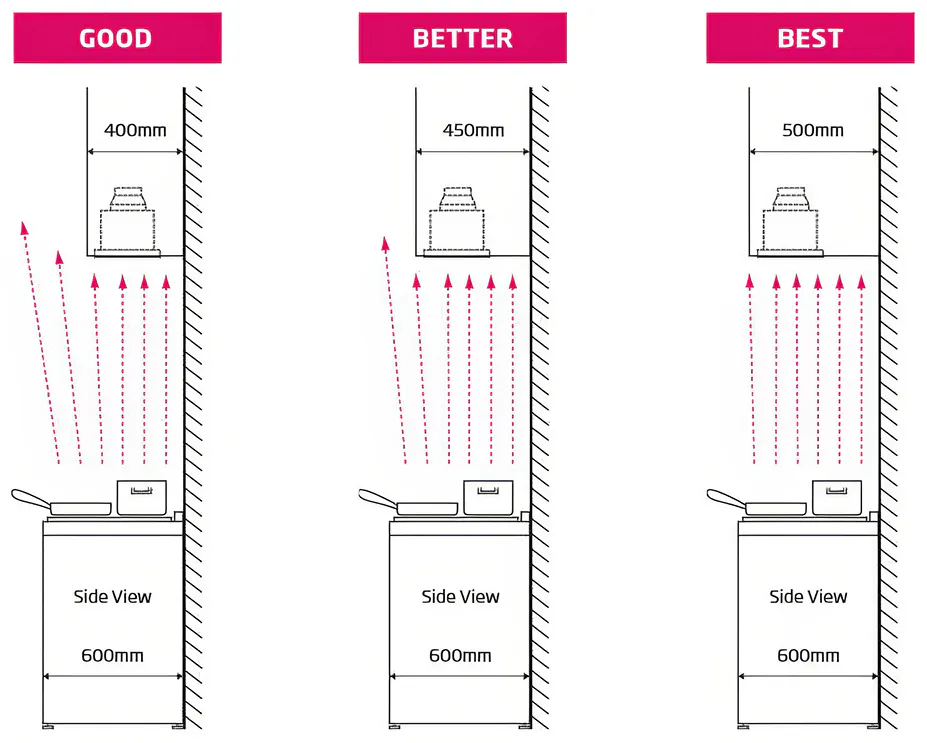
Credit: www.sydneyrangehoods.com.au
Frequently Asked Questions
How High Should A Range Hood Be Installed?
A range hood should be installed 24 to 30 inches above the cooking surface. This height ensures efficient ventilation and prevents smoke buildup while maintaining safety and aesthetics.
Why Is Hood Height Important Above A Range?
Proper hood height maximizes smoke, grease, and odor capture. Too low risks heat damage; too high reduces effectiveness. Correct height balances performance and safety.
What Happens If The Hood Is Too High?
If the hood is too high, it won’t capture smoke effectively. This reduces ventilation efficiency, allowing odors and grease to linger in your kitchen.
Can A Hood Be Installed Lower Than 24 Inches?
Installing a hood lower than 24 inches can cause heat damage and safety hazards. It may also obstruct cooking and reduce comfort.
Conclusion
Choosing the right height for your hood keeps your kitchen fresh and clean. A hood too low can block your view and catch fire. Too high, and it won’t remove smoke well. Aim for the right balance between safety and efficiency.
This simple step improves air quality and cooking comfort. Measure carefully before installation for the best results. A properly placed hood makes cooking safer and more pleasant. Keep these tips in mind for a better kitchen experience.