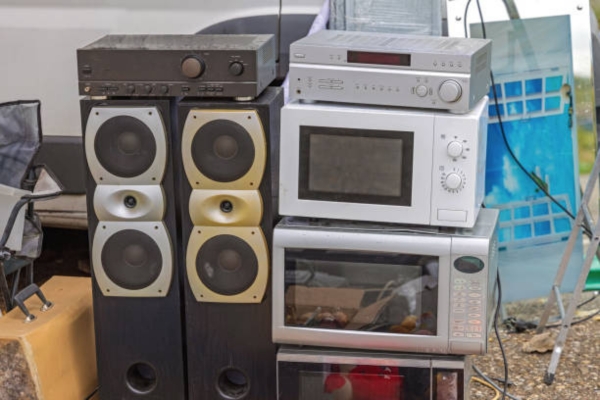
Are you staring at that old microwave oven, wondering what to do with it? You’re not alone.
Many people face the dilemma of disposing of outdated or broken microwaves. Tossing it in the trash might seem easy, but is it the best choice for you and the environment? You’ll discover whether you can recycle a microwave oven and why it matters.
You’ll learn about the impact of improper disposal and uncover eco-friendly options that not only help the planet but might also give you a sense of satisfaction. So, before you make a decision, let’s explore the possibilities together. Your old microwave could have more life than you think!

Credit: gws.sandbox.iam.s.uw.edu
Microwave Recycling Basics
Recycling a microwave oven might seem tricky, but understanding the basics can make the process straightforward and effective. Knowing what materials are inside and how they impact the environment helps you make smarter choices. Let’s break down the essentials so you can handle your old microwave responsibly.
Materials In Microwaves
Your microwave contains a mix of metals, plastics, and electronic parts. The outer shell is usually made of steel or aluminum, which can be recycled easily.
Inside, you’ll find wiring, circuit boards, and a magnetron, which is the part that generates microwaves. These components have valuable metals like copper and rare earth elements.
However, some parts, like certain plastics and electronic components, need special handling to avoid releasing harmful substances. Knowing what’s inside helps you sort and recycle correctly without harming the environment.
Environmental Impact
Throwing microwaves in the trash can cause serious environmental problems. Hazardous materials like lead, mercury, and other toxins can leak and pollute soil and water.
Recycling recovers valuable metals and reduces the need for mining new resources, which lowers energy use and carbon emissions. Have you ever wondered how much energy you could save by recycling just one old microwave?
Proper recycling also keeps harmful chemicals out of landfills, protecting wildlife and human health. Your decision to recycle responsibly makes a real difference beyond just clearing out space at home.

Credit: nixxitjunk.com
Preparing Your Microwave For Recycling
Getting your microwave ready for recycling involves more than just unplugging and tossing it out. Proper preparation ensures safety, protects the environment, and helps recycling centers process the appliance efficiently. Taking a few careful steps before you recycle makes a big difference.
Removing Hazardous Components
Microwaves contain parts that can be harmful if not handled correctly. The first thing you want to do is disconnect and safely remove the power cord to avoid electrical hazards.
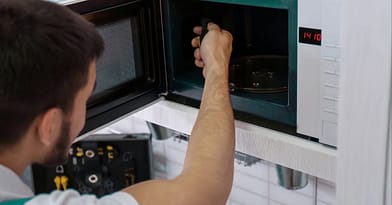
Inside, there’s a capacitor that stores high voltage and can give a dangerous shock even when unplugged. If you’re not experienced, it’s best to leave this to professionals, but knowing it’s there helps you understand why you shouldn’t just dismantle your microwave casually.
Some models also include small amounts of mercury in switches or relays. These need careful handling to prevent environmental contamination. Check with your local recycling center about how to handle these parts safely.
Cleaning And Safety Tips
Before recycling, clean your microwave to remove food residue and odors. Wipe down the interior and exterior with a damp cloth and mild detergent. This step helps recycling staff and prevents pests.
Make sure the microwave is completely dry before taking it to the recycling point. Moisture can cause rust or damage during transportation.
Label your microwave as “For Recycling” if required by your local facility. Also, remove any accessories like turntables or trays and recycle them separately if possible.
Have you ever thought about how much easier recycling becomes when you prepare your appliances properly? Taking these simple steps can save time and reduce risks for everyone involved.
Where To Recycle Microwaves
Knowing where to recycle your old microwave is key to making sure it doesn’t end up harming the environment. Many places accept microwaves for recycling, but options can vary depending on your location. Let’s look at some practical spots where you can drop off your microwave safely and responsibly.
Local Recycling Centers
Most cities and towns have recycling centers that accept electronic waste, including microwaves. These centers often separate different types of materials to recycle metals, plastics, and glass properly.
You can usually find your nearest center by checking your city’s official website or calling the local waste management service. Some centers might charge a small fee, so it’s a good idea to ask in advance.
Retailer Take-back Programs
Many electronics retailers offer take-back or trade-in programs for old appliances. Stores like Best Buy and Home Depot often accept microwaves for recycling when you buy a new one from them.
This is convenient because you can drop off your old microwave right where you shop. Plus, retailers ensure your microwave is recycled according to environmental guidelines.
Special E-waste Events
Keep an eye out for community e-waste collection events, often organized by local governments or environmental groups. These events provide an easy way to recycle bulky items like microwaves free of charge.
Attending these events not only helps you get rid of your microwave but also supports broader recycling efforts in your community. Have you checked if your town has a scheduled e-waste day soon?
Alternatives To Recycling
Microwave ovens don’t always need to go straight to recycling centers. Many microwaves still work well or can be fixed easily. These alternatives help reduce waste and give appliances a longer life. Choosing another path is good for the environment and your community.
Donating Usable Microwaves
Microwaves in good condition can serve others. Charities, shelters, and community centers often need kitchen appliances. Donating a working microwave helps people who cannot buy new ones. It also keeps appliances out of landfills. Before donating, clean the microwave and test it to ensure it works safely.
Repair And Reuse Options
Many microwave problems are easy to fix. Common issues include a broken turntable or faulty door latch. Local repair shops or technicians can help with these. Repairing extends the microwave’s life and saves money. Some parts can be replaced at low cost. Reusing microwaves reduces e-waste and lowers demand for new products.
Common Challenges In Microwave Recycling
Recycling a microwave oven is not as simple as dropping it in a bin. Several challenges make the process complex and sometimes risky. These challenges affect how effectively microwaves can be recycled and how safe the process is for workers and the environment.
Handling Electronic Waste
Microwaves contain many electronic parts and materials. Some parts have hazardous substances like mercury and lead. These need special care during recycling. Workers must dismantle microwaves carefully to avoid exposure to harmful chemicals. The mix of metals, plastics, and electronics makes sorting difficult. Proper handling prevents pollution and protects health.
Regulations And Restrictions
Many countries have strict rules about recycling electronic waste. These rules control how microwaves are collected, processed, and disposed of. Some places require certified recycling centers to handle microwaves. Regulations also limit how hazardous materials can be treated. Following these laws ensures safe recycling but adds complexity. It often means fewer places accept microwaves for recycling.
Benefits Of Proper Microwave Disposal
Disposing of your old microwave the right way can make a bigger difference than you might think. Proper microwave disposal not only helps keep the environment cleaner but also benefits communities and industries that rely on recycled materials. Understanding these benefits can motivate you to choose responsible recycling methods.
Reducing Landfill Waste
Microwaves contain components that do not break down easily in landfills. When you throw them away with regular trash, they add to the growing mountain of electronic waste. This waste can take decades to decompose, often releasing harmful chemicals into the soil and water.
By recycling your microwave, you help reduce the volume of waste sent to landfills. This prevents toxic substances like lead and mercury from leaking into the environment. Have you ever thought about how many microwaves end up in landfills every year and the long-term impact they cause?
Recovering Valuable Materials
Microwaves are packed with materials that can be reused, such as metals, glass, and certain plastics. Recycling allows these materials to be recovered and made into new products, saving natural resources.
For example, copper from microwave wiring can be melted down and reused in electrical components. Recycling also reduces the need for mining raw materials, which often harms ecosystems and uses a lot of energy.
When you recycle your microwave, you contribute to a circular economy where resources are kept in use longer. This reduces demand for new materials and supports sustainable manufacturing. What would happen if everyone started thinking about the value hidden in old electronics like microwaves?
Credit: nixxitjunk.com
Frequently Asked Questions
Can You Recycle A Microwave Oven Safely?
Yes, microwave ovens can be recycled safely at certified e-waste centers. These centers handle hazardous materials and recover valuable metals responsibly.
Where To Recycle Old Microwave Ovens Nearby?
You can recycle old microwaves at local e-waste recycling facilities, electronics stores, or community collection events. Check online for nearby locations.
What Parts Of A Microwave Are Recyclable?
Metal, glass, and electronic components of a microwave are recyclable. Proper recycling separates these materials to reduce environmental impact and recover resources.
Does Recycling A Microwave Reduce Electronic Waste?
Recycling microwaves reduces electronic waste by diverting harmful materials from landfills and promoting resource recovery. It supports sustainable waste management efforts.
Conclusion
Recycling a microwave oven helps protect the environment. It keeps harmful materials out of landfills. Many parts of a microwave can be reused or recycled. Take your old microwave to a local recycling center. Some stores offer recycling programs for electronics.
Proper recycling saves energy and reduces waste. It also helps recover valuable metals and plastics. Small steps like this make a big difference. Choose to recycle your microwave and support a cleaner planet. Simple actions matter for a healthier future.