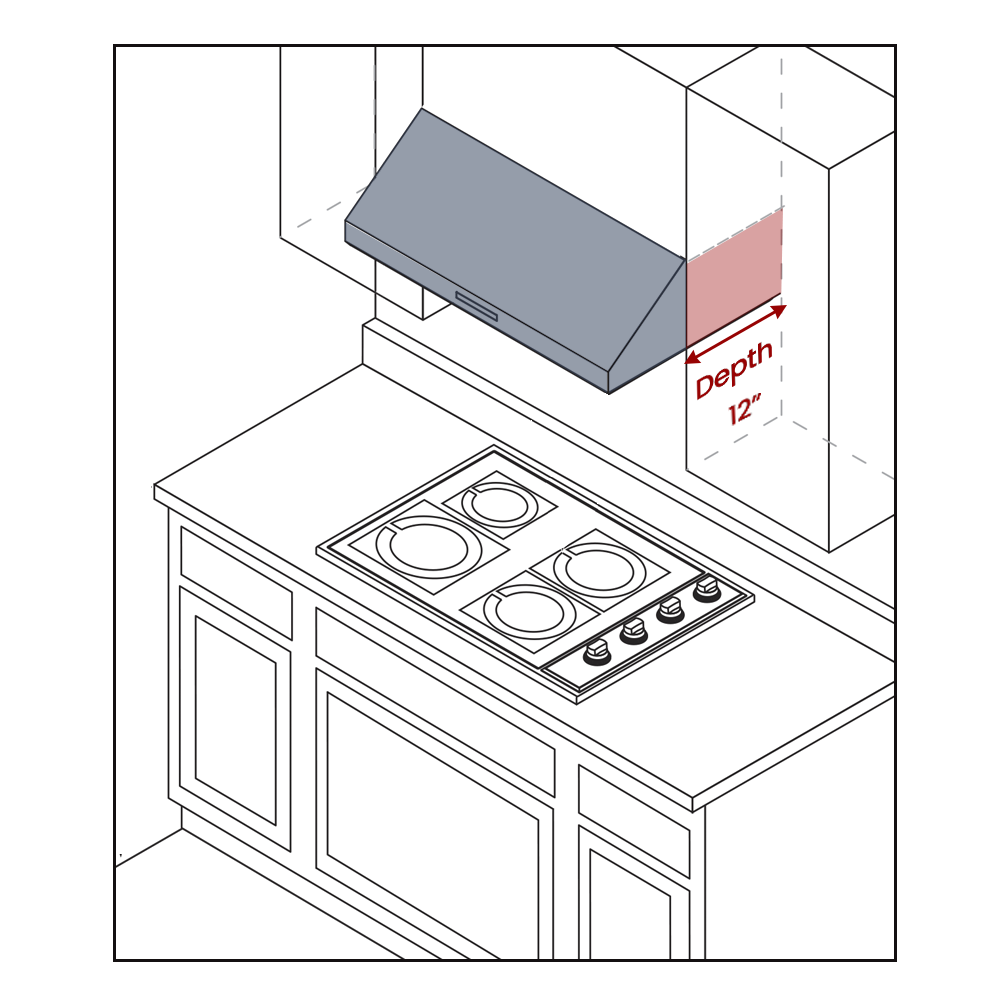
Are you planning a kitchen remodel or simply looking to optimize your cooking space? One question that often arises is: how high should your range hood be above your stove?
Getting this right is crucial for both functionality and aesthetics. A well-placed range hood not only enhances the look of your kitchen but also efficiently captures smoke, steam, and cooking odors. This can make your cooking experience much more pleasant and keep your kitchen air fresh and clean.
You might be surprised at how much of an impact this small detail can have on your daily life. Stick around, and you’ll discover the ideal height for your range hood, ensuring your kitchen is both stylish and practical.
Credit: www.sydneyrangehoods.com.au
Choosing The Right Height
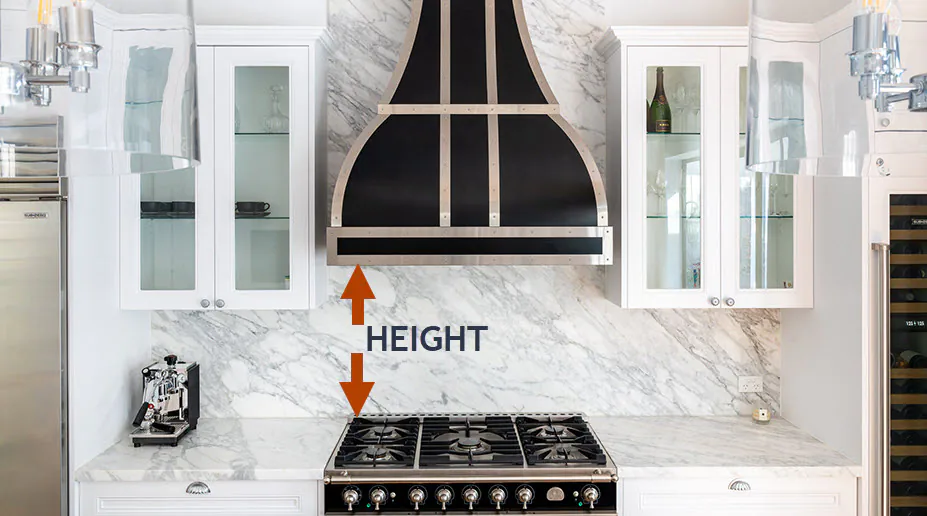
Choosing the right height for your range hood above the stove is crucial for both functionality and safety. Too high, and it won’t capture smoke and odors effectively; too low, and it might interfere with your cooking space or pose a hazard. Finding the perfect balance means understanding standard guidelines, your kitchen setup, and how height affects performance.
Standard Height Recommendations
Most range hoods are installed between 24 to 30 inchesabove the cooking surface. This range suits most residential kitchens and ensures good ventilation without crowding your cooking area.
For electric stoves, the standard height leans closer to 24 inches, while gas stoves typically require a bit more clearance, around 27 to 30 inches, due to higher heat output.
Factors Influencing Height
Your stove type plays a big role. Gas burners produce more heat and flames, demanding a higher hood placement for safety.
Kitchen ceiling height, hood size, and even your cooking style matter. If you often use tall pots or like to cook vigorously, you might want to adjust the hood height accordingly.
Also, consider the hood’s extraction power. Powerful hoods can be installed slightly higher without losing efficiency.
Impact On Performance And Safety
If the hood is too low, it risks catching fire or getting damaged by heat. On the other hand, a hood placed too high may fail to remove smoke and grease effectively.
Proper height ensures better air circulation, reducing lingering odors and preventing grease buildup on walls and cabinets.
Ask yourself: Is your range hood pulling air efficiently? If not, adjusting its height might be the simple fix you need for a safer and cleaner kitchen.
Measuring For Installation
Measuring for the installation of a high range hood above your stove is crucial for both safety and efficiency. Accurate measurements ensure the hood fits perfectly and works effectively to remove smoke and odors. Taking the time to measure carefully can save you from costly mistakes and installation headaches later.
Tools Needed
- Tape measure:A sturdy, retractable tape measure is essential for precise measurements.
- Level:To check that your hood will be installed perfectly horizontal.
- Stud finder:Helps locate studs for secure mounting.
- Marker or pencil:For marking measurement points on the wall.
- Step stool or ladder:To reach higher spots safely.
Having these tools ready before you start measuring saves time and helps you work efficiently. You don’t want to pause midway to find a missing tool.
Step-by-step Measurement Guide
Begin by measuring the width of your stove. The range hood should be at least as wide as the stove or slightly wider.
Next, measure the height from the stovetop to where the bottom of the hood will sit. Most manufacturers recommend 24 to 30 inches for optimal ventilation, but check your hood’s instructions.
Measure the distance between the wall studs where you plan to mount the hood. This will ensure you can anchor it securely.
Don’t forget to account for any cabinets or shelves that might interfere with the hood’s placement.
Common Measurement Mistakes
- Failing to measure the stove width correctly can lead to a hood that’s too small or awkwardly placed.
- Ignoring manufacturer height recommendations can reduce the hood’s effectiveness or create safety issues.
- Not locating studs may result in a poorly supported hood that could fall.
- Forgetting to double-check measurements before drilling can cause unnecessary holes and damage.
Have you ever measured once and regretted it? Taking a moment to measure twice can prevent frustration and extra costs. What’s your experience with installing kitchen appliances? Share your tips or challenges.
Types Of Range Hoods
Choosing the right range hood can make a big difference in your kitchen’s air quality and style. Each type of range hood serves a unique purpose and fits different kitchen layouts. Understanding these options helps you pick one that matches your cooking habits and space.
Wall-mounted Hoods
Wall-mounted hoods are attached directly to the wall above your stove. They often come with a chimney that vents smoke and odors outside, making them very effective. If your stove is against a wall, this type is usually the best fit and offers a bold look to your kitchen.
Think about how much space you have on your walls. A wide wall-mounted hood can cover multiple burners and capture more fumes. Would you prefer a sleek design or a more traditional style? Both are available in this category.
Under-cabinet Hoods
Under-cabinet hoods fit neatly beneath kitchen cabinets, saving space and keeping a low profile. They vent air outside or recirculate it through filters, which is great if you don’t have external ventilation. This type works well in smaller kitchens or where wall space is limited.
These hoods are usually less expensive and easier to install. However, they may not be as powerful as wall-mounted options. Ask yourself if you need strong ventilation for frequent heavy cooking or something simpler.
Island Hoods
If your stove is on a kitchen island, an island hood hangs from the ceiling directly above it. These hoods are designed to be visually striking since they are visible from all sides. They offer strong ventilation and add a modern touch to open-concept kitchens.
Because island hoods require ceiling mounting, installation can be more complex and costly. You’ll want to measure the height carefully to avoid blocking sightlines or creating a hazard. How often do you cook heavy meals that produce a lot of smoke? This can influence your choice here.
Downdraft Hoods
Downdraft hoods are built into the countertop and pull smoke downward, instead of upward. They are a clever solution for kitchens where overhead space is limited or when you want an unobstructed view. These hoods pop up when needed and retract out of sight afterward.
While stylish and space-saving, downdraft hoods typically have less suction power than traditional models. They work best with cooktops that don’t produce heavy smoke or grease. Could a downdraft hood fit your minimalist kitchen design while providing enough ventilation?
Credit: blog.yaleappliance.com
Ventilation And Airflow
Good ventilation and proper airflow are essential for any kitchen setup, especially when you have a high range hood above your stove. They help remove smoke, odors, and harmful particles, making your cooking space healthier and more comfortable. Understanding how ventilation works can save you from lingering smells and reduce the buildup of grease on surfaces.
Ducted Vs. Ductless Systems
Ducted systems push air outside your home through a vent, offering the most effective removal of smoke and odors. They require professional installation and a clear path to an exterior wall or roof. If your kitchen layout doesn’t allow for venting outside, a ductless system with charcoal filters can be a good alternative.
Ductless hoods recirculate air back into the kitchen after filtering it. While easier to install, they don’t remove moisture or heat as efficiently. Think about your kitchen’s design and your cooking habits before choosing between these two options—your choice impacts both air quality and maintenance needs.
Optimal Ventilation Placement
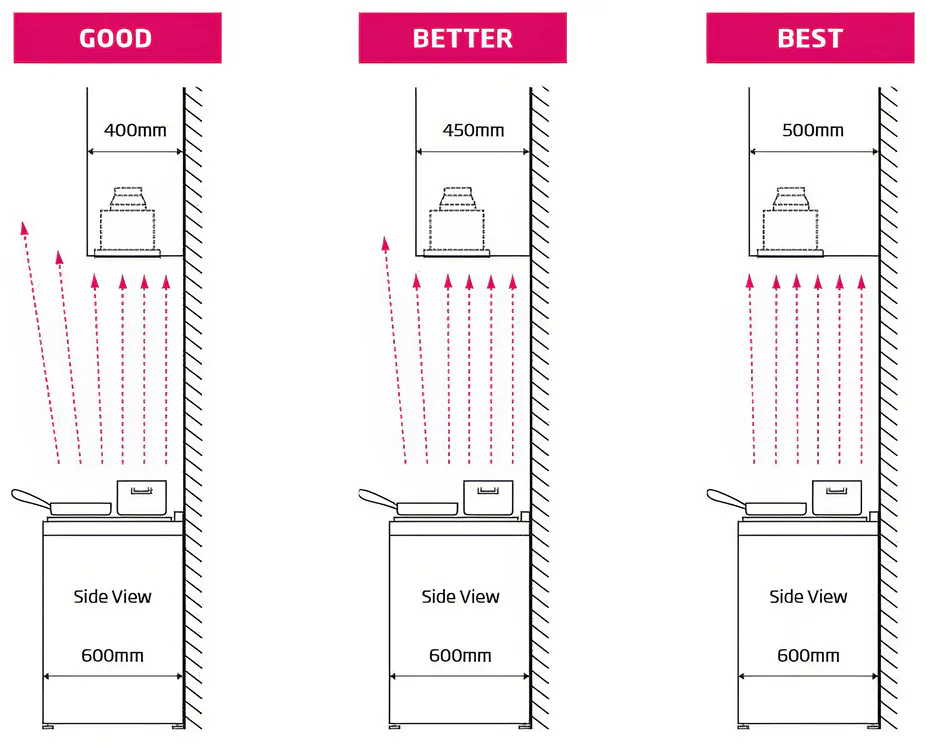
Where you place your range hood affects how well it captures smoke and steam. Positioning it about 24 to 30 inches above the stove works best for most setups. If it’s too high, it won’t capture fumes effectively; too low, and it could interfere with cooking or get damaged by heat.
Consider the hood’s width too—it should be at least as wide as your stove to cover the entire cooking area. Have you checked if your current hood’s placement leaves gaps where smoke can escape? Small adjustments can make a big difference in airflow efficiency.
Maintaining Air Quality
Keeping your range hood clean and filters replaced regularly is key to maintaining good air quality. A clogged filter reduces airflow and lets odors linger. Set a schedule for cleaning grease traps and replacing charcoal or metal filters, depending on your hood type.
Also, don’t forget to run your hood during and after cooking to clear out residual smells and moisture. Do you notice any persistent smells or foggy windows when cooking? These could signal that your ventilation needs attention.
Installation Tips
Installing a high range hood above your stove can transform your kitchen’s air quality and style. However, the process requires careful attention to details that ensure safety and efficiency. Here are some key tips to help you install your range hood correctly and avoid common pitfalls.
Securing The Hood Safely
Your range hood must be firmly anchored to support its weight. Use wall studs or ceiling joists as anchor points rather than drywall alone.
Check the manufacturer’s guidelines for the recommended height above the stove—usually between 24 to 30 inches. This ensures proper ventilation without interfering with your cooking space.
Invest in a stud finder and heavy-duty mounting brackets. These tools make a big difference in achieving a secure installation that will last.
Electrical Considerations
Before installation, verify if your kitchen wiring can handle the power needs of the range hood. Most hoods require a dedicated 120V circuit.
Hire a licensed electrician if you’re unsure about wiring or if new circuits are needed. Improper electrical connections pose fire hazards.
Consider installing a switch in an accessible location for easy operation. Some models also support remote controls or smart home integration for added convenience.
Dealing With Ceiling And Wall Constraints
Your kitchen’s layout might limit where you can place the range hood. Ceilings with beams or angled walls require custom adjustments.
Measure twice and plan your vent path carefully, especially if you need to run ducts through tight spaces. Avoid sharp bends in ductwork to maintain airflow efficiency.
If venting outside is not an option, look for recirculating models with charcoal filters. These still improve air quality but require regular filter changes.
Maintaining Your Range Hood
Maintaining your range hood ensures it works efficiently and lasts longer. Regular care keeps the air clean and your kitchen fresh. Simple upkeep prevents buildup and mechanical problems.
Cleaning Filters And Surfaces
Filters catch grease and dirt. Remove and clean them often to avoid clogs. Use warm, soapy water or a degreaser for metal filters. Plastic filters may need replacement instead of cleaning.
Wipe surfaces with a soft cloth and mild detergent. Avoid abrasive cleaners to protect the finish. Clean the hood’s exterior weekly to keep it shiny and grease-free.
Routine Maintenance Schedule
- Check and clean filters every 1-2 months
- Wipe the hood surface weekly
- Inspect the fan and motor every 6 months
- Replace charcoal filters every 3-6 months if applicable
Following this schedule helps prevent issues and improves air flow. Keep a calendar reminder for these tasks.
Troubleshooting Common Issues
Range hoods may stop working or make noise. Check if the power is on and the fuse is intact. Clean or replace filters if airflow is weak.
Listen for strange sounds that may mean a loose fan or motor problem. Tighten screws or call a technician if needed. Ensure vents are not blocked outside the house.
Design And Aesthetics
The design and aesthetics of a high range hood above your stove play a vital role in shaping your kitchen’s overall look. This appliance isn’t just functional; it can be a stunning centerpiece or a subtle complement to your cooking space. Paying close attention to style, materials, and lighting options can transform your kitchen from ordinary to extraordinary.
Matching Kitchen Style
Choosing a range hood that fits your kitchen style creates harmony in the space. If your kitchen leans toward a modern feel, sleek, minimalist hoods with clean lines work best. For rustic or farmhouse kitchens, consider hoods with distressed wood or copper finishes to add warmth and character.
Think about your existing cabinetry, countertops, and appliances. Does your hood blend in or stand out? A mismatched hood can disrupt the flow, while a well-matched one enhances your kitchen’s personality.
Material And Finish Choices
The material and finish of your range hood affect both durability and visual appeal. Stainless steel remains a popular choice due to its timeless look and easy maintenance. But have you considered glass, copper, or even custom wood options? These can add unique flair and texture.
Matte finishes are great if you want something understated, while polished or brushed metals catch the eye and add shine. Think about how your hood’s finish will age over time and how easy it will be to clean—practical matters that impact daily kitchen life.
Lighting Integration
Lighting built into your range hood serves more than just function—it sets the mood while cooking. Look for hoods with adjustable LED lights that let you control brightness and color temperature. This flexibility helps you switch from bright task lighting to softer ambient light effortlessly.
Consider how the lighting complements other light sources in your kitchen. Does it highlight your stove area without casting shadows? Good lighting can make cooking safer and more enjoyable, so it’s worth investing in a hood that balances style with effective illumination.
Credit: www.sydneyrangehoods.com.au
Frequently Asked Questions
How High Should A Range Hood Be Above The Stove?
A range hood should be installed 24 to 30 inches above the stove. This height ensures effective smoke and odor removal without interfering with cooking.
What Factors Affect Range Hood Height Above Stove?
Factors include stove type, hood design, and local building codes. Proper height balances ventilation efficiency and safety in your kitchen.
Can A Range Hood Be Installed Too High?
Yes, if installed too high, a range hood loses efficiency. Smoke and grease might not be captured effectively, reducing air quality.
Does Range Hood Height Vary By Stove Type?
Yes, gas stoves often require range hoods 24 to 30 inches high. Electric stoves may allow slightly higher installations for optimal performance.
Conclusion
Choosing the right height for your range hood helps keep your kitchen fresh. It stops smoke and smells from spreading. A well-placed hood also protects your stove and walls. Remember to measure carefully before installing. Proper height improves airflow and cooking comfort.
Clean and maintain your hood to keep it working well. Small steps make cooking safer and more enjoyable. Your kitchen will feel cleaner and more inviting every day.