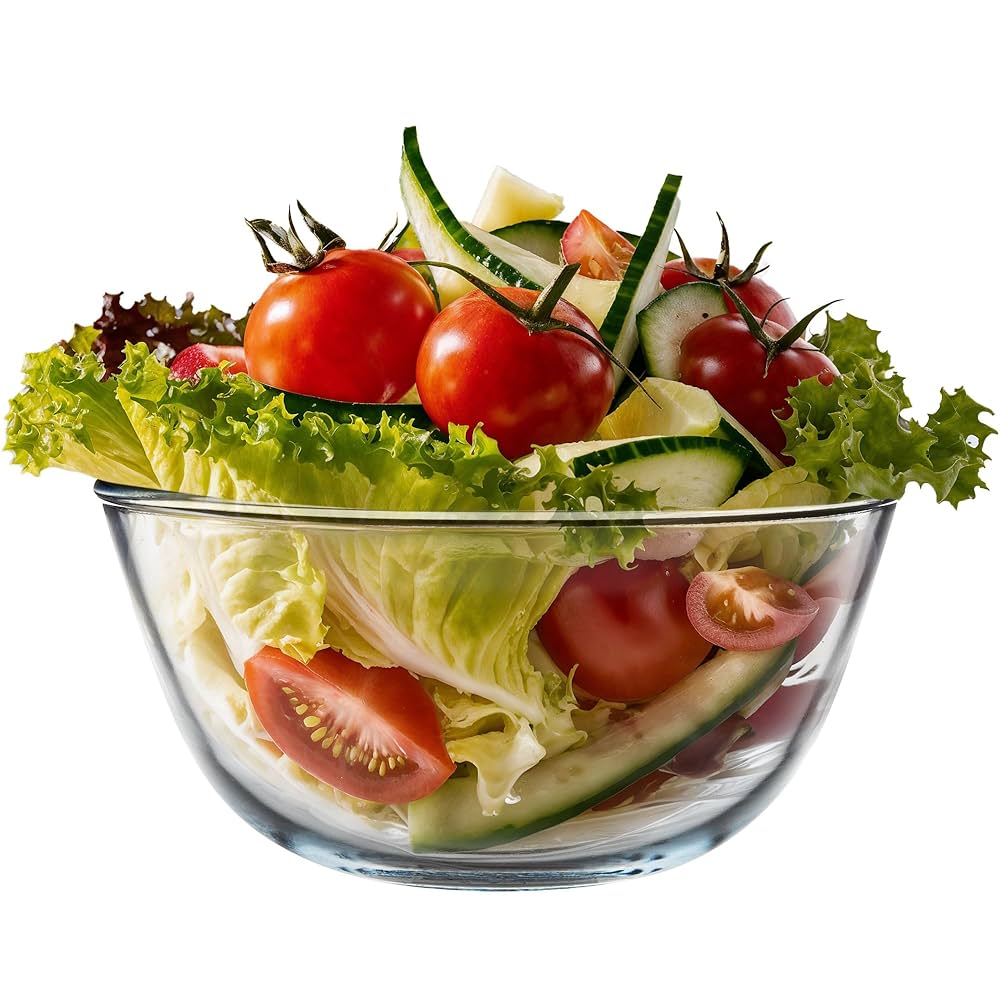
Have you ever found yourself wondering if your trusty microwave bowl can double as an oven dish? You’re not alone.
Many of us have been in that situation where we need to quickly transfer food from the microwave to the oven. But wait, is it safe? The answer isn’t as straightforward as it might seem. We’ll dig into the details of whether microwave bowls are oven safe.
We’ll explore the materials they’re made of, the temperatures they can withstand, and what you should watch out for to avoid a kitchen mishap. Understanding these factors can save you time, money, and possibly a ruined meal. So, if you’re curious about keeping your kitchen adventures safe and hassle-free, keep reading! You might just discover some surprising facts that could change how you use your microwave bowls forever.
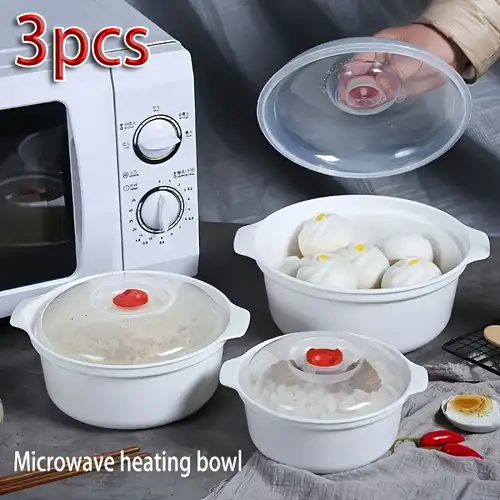
Credit: www.temu.com
Microwave Bowls Basics
Understanding the basics of microwave bowls is essential before deciding if they can safely go into the oven. These bowls are designed specifically for microwave use, and their materials and construction differ significantly from traditional ovenware. Knowing these differences helps you avoid accidents and damage to your kitchenware.
Materials Used In Microwave Bowls
Microwave bowls are usually made from materials that allow microwaves to pass through without causing damage. Common materials include:
- Glass:Tempered glass is popular because it heats evenly and is microwave safe.
- Ceramic:Many ceramics can handle microwave heat but may crack under high temperatures.
- Plastic:Microwave-safe plastics are lightweight and convenient but not all plastics can withstand oven heat.
Each material has its limits. For instance, some plastics might warp or release harmful chemicals if overheated. Always check the label for microwave safety and heat resistance.
How Microwave Bowls Differ From Ovenware
Microwave bowls are built to handle quick bursts of microwave radiation, which heats food differently than an oven. Ovens use dry, radiant heat that can reach much higher temperatures.
This means microwave bowls often lack the thermal resistance needed for oven use. Ovenware, on the other hand, is made from materials like cast iron, stoneware, or specialized glass that withstand sustained high heat.
Have you ever tried putting a plastic microwave bowl in the oven? It’s a recipe for melted messes and ruined cookware. Knowing these key differences helps you choose the right bowl for your cooking method every time.
Oven Safety Factors
Understanding oven safety factors is key before placing any bowl in the oven. You need to know if your bowl can handle the heat without cracking or releasing harmful substances. This knowledge can save you from ruined meals and broken kitchenware.
Heat Resistance Of Common Bowl Materials
Different materials react differently to oven heat. Glass and ceramic bowls often handle oven temperatures well, but not all are created equal. Some glass bowls can tolerate up to 450°F, while others crack at much lower temperatures.
Plastic bowls are generally not oven safe. They can melt or release toxins when exposed to high heat. Metal bowls, like stainless steel, are usually safe but check if they have any coatings that might not be oven friendly.
Have you ever tried baking with a bowl only to find it shattered afterward? That usually happens when the material’s heat resistance is exceeded. Always check the manufacturer’s instructions or look for an oven-safe label before use.
Effects Of Oven Temperature On Bowls
The temperature inside your oven directly affects your bowl’s durability. Rapid temperature changes can cause thermal shock, making even oven-safe bowls crack. For example, taking a cold bowl and placing it in a hot oven can lead to breakage.
Slow and steady heating helps bowls adjust without damage. Keep your oven temperature within the recommended limits for your bowl’s material. If you want to bake at very high temperatures, consider using specialized bakeware designed for that purpose.
What temperature do you usually cook at, and have you noticed any bowl damage? Paying attention to temperature limits can prevent unexpected mishaps in your kitchen and extend the life of your bowls.
Identifying Oven Safe Bowls
Knowing if your microwave bowl is safe for oven use is crucial before heating your food. Using the wrong bowl can lead to cracks, melting, or even dangerous chemical release. Identifying oven-safe bowls helps you avoid these risks and saves you money on replacements.
Labels And Symbols To Look For
Check the bottom or sides of your bowl for any labels or symbols. Common indicators include:
- Oven-safe icon:Often looks like a small oven or a symbol with temperature markings.
- Temperature range:Some bowls specify the maximum temperature they can withstand, such as “Safe up to 450°F.”
- Material type:Glass, ceramic, or specific plastics labeled as “oven-safe” are usually reliable.
If you see words like “microwave safe” but no mention of ovens, treat the bowl with caution. Microwave-safe doesn’t always mean oven-safe, as microwaves heat differently than ovens.
Testing Your Bowl’s Oven Safety
If your bowl lacks clear labels, you can test its oven safety carefully. Start by heating the bowl empty at a low temperature, around 250°F, for 10 minutes. Watch closely for any warping, cracking, or unusual smells.
Another tip is to place the bowl on a middle rack, away from direct heating elements. This reduces the risk of sudden heat shocks.
Remember, if the bowl feels too hot to touch after a few minutes, it might not be suitable for oven use. Would you risk ruining your favorite bowl just to save a few minutes? Testing helps you avoid that gamble.
Risks Of Using Non-oven Safe Bowls
Using bowls that are not designed for oven use can lead to several problems you might not expect. It’s easy to grab a microwave-safe bowl and assume it will handle oven heat just as well. But the risks involved can affect both your kitchen safety and the lifespan of your cookware.
Potential Damage To Bowls
Non-oven safe bowls often contain materials that aren’t built to withstand high temperatures. When exposed to oven heat, these bowls can crack, warp, or even shatter suddenly. Imagine heating your favorite serving bowl only to find it broken when you open the oven—it’s frustrating and costly.
Even if the bowl doesn’t break immediately, repeated exposure to high heat can weaken it over time. This means your once sturdy bowl becomes fragile and unsafe to use. Have you ever noticed tiny cracks or discoloration in a bowl after baking? That’s a clear sign it wasn’t meant for oven use.
Safety Hazards In The Kitchen
Using non-oven safe bowls in the oven doesn’t just risk your bowls—it puts your safety on the line. Bowls can explode or release harmful chemicals when heated beyond their limits. This puts you at risk of burns or inhaling toxic fumes without realizing it.
Think about how quickly an oven heats up and how intense that heat can be. If your bowl isn’t ready for it, it could break inside the oven and cause glass shards or hot food to spill, leading to potential injuries. Are you prepared to handle such a mess or worse, an accident?
Choosing the right oven-safe bowl isn’t just about preserving your kitchenware—it’s about protecting yourself and everyone around you. Next time you reach for a bowl, ask yourself: Is this really safe for the oven?
Safe Practices For Using Microwave Bowls
Using microwave bowls safely means understanding their limits and knowing when to switch to other cookware. Many microwave bowls aren’t designed for oven use, and heating them in a conventional oven can cause cracking, melting, or release harmful chemicals. Knowing safe practices helps you protect your kitchenware and keep your meals safe.
Alternatives For Oven Cooking
If you want to cook or reheat food in the oven, choose materials that handle heat well. Glass, ceramic, and metal bakeware are usually oven-safe and can withstand high temperatures without damage.
- Glass or Pyrex bowls:These are great for baking and reheating. They can go from fridge to oven without issues.
- Ceramic dishes:Look for those labeled “oven safe.” They add style and durability for oven use.
- Metal pans:Perfect for roasting and baking, but avoid using them in microwaves.
Have you ever tried putting a plastic microwave bowl in the oven? It’s a quick way to ruin your cookware and create a mess. Switching to appropriate oven-safe dishes saves you this hassle.
Tips For Transitioning From Microwave To Oven
When moving from microwave to oven cooking, adjust your expectations and techniques. Oven cooking takes longer and heats food more evenly, so watch your cooking times.
- Preheat your oven fully before placing food inside.
- Transfer food from microwave bowls to oven-safe dishes to avoid damage.
- Use foil or lids to prevent drying out during longer cooking times.
- Check food regularly to avoid overcooking or burning.
Think about how your microwave bowl reacts to heat. Does it feel warm or stay cool? This simple test can help you decide if it’s safe to use in the oven or if you need a sturdier dish.

Credit: www.amazon.ca
Maintenance And Care
Taking good care of your microwave bowls can extend their lifespan and keep them safe for use in ovens. Proper maintenance helps avoid cracks, warping, or any damage that could make the bowl unsafe. Are you sure you’re treating your bowls the right way to keep them oven safe?
Cleaning To Preserve Bowl Integrity
Cleaning your microwave bowls gently is key. Avoid harsh scrubbers that can scratch the surface and weaken the material. Instead, use a soft sponge with mild dish soap to remove food residue.
Rinse thoroughly to avoid soap buildup, which can affect the bowl’s performance in the oven. If stains persist, soak the bowl in warm water with baking soda for a few minutes. This natural method lifts stains without damaging the bowl.
Never put your microwave bowl in the dishwasher unless the manufacturer says it’s safe. High heat and strong detergents can degrade some materials quickly.
Storage Recommendations
Store your microwave bowls in a dry, cool place away from direct sunlight. Heat and moisture can weaken their structure over time.
Stack bowls carefully to avoid chipping or cracking. If you have several, place a soft cloth or paper towel between each one.
Think about how often you use your bowls. If you use them daily, keep them within easy reach but still protected. For less frequent use, a secure cabinet space works best.

Credit: www.amazon.ca
Frequently Asked Questions
Are All Microwave Bowls Oven Safe?
No, not all microwave bowls are oven safe. Only bowls labeled as oven-safe or made from heat-resistant materials suit oven use. Always check manufacturer instructions to avoid damage or safety risks.
How To Identify Oven-safe Microwave Bowls?
Look for labels or symbols on the bowl indicating oven safety. Materials like tempered glass, ceramic, and some metals are often oven-safe. Avoid plastic unless explicitly marked as oven-safe.
Can Microwave Bowls Handle High Oven Temperatures?
Most microwave bowls are not designed for high oven temperatures. Only bowls specified as oven-safe can withstand typical oven heat, usually up to 450°F (232°C). Using non-oven-safe bowls risks cracking or melting.
Is Glass Microwave Bowl Safe For Oven Use?
Tempered glass microwave bowls are generally safe for oven use if labeled oven-safe. Regular glass bowls may shatter under oven heat. Always verify the manufacturer’s guidelines before using glass bowls in the oven.
Conclusion
Not all microwave bowls are safe for ovens. Check the label or packaging first. Glass and ceramic bowls often work in ovens. Avoid plastic bowls; they may melt or release toxins. Using the wrong bowl can cause damage or burns.
Always choose bowls marked “oven safe” to stay safe. This small step protects your food and kitchen. Simple and careful choices make cooking easier. Stay safe and enjoy your meals without worry.