
Are you planning a kitchen makeover or simply trying to optimize your cooking space? One crucial detail you might be overlooking is the height of your range hood over the stove.
This seemingly small decision can significantly impact both the efficiency and aesthetics of your kitchen. Get it wrong, and you might face lingering cooking odors, excessive smoke, or even a cluttered look. But when you get it right, you can transform your kitchen into a functional and stylish space that makes cooking a breeze.
Curious about how to strike the perfect balance? Read on, and discover the ideal range hood height that will elevate your kitchen’s performance and design.
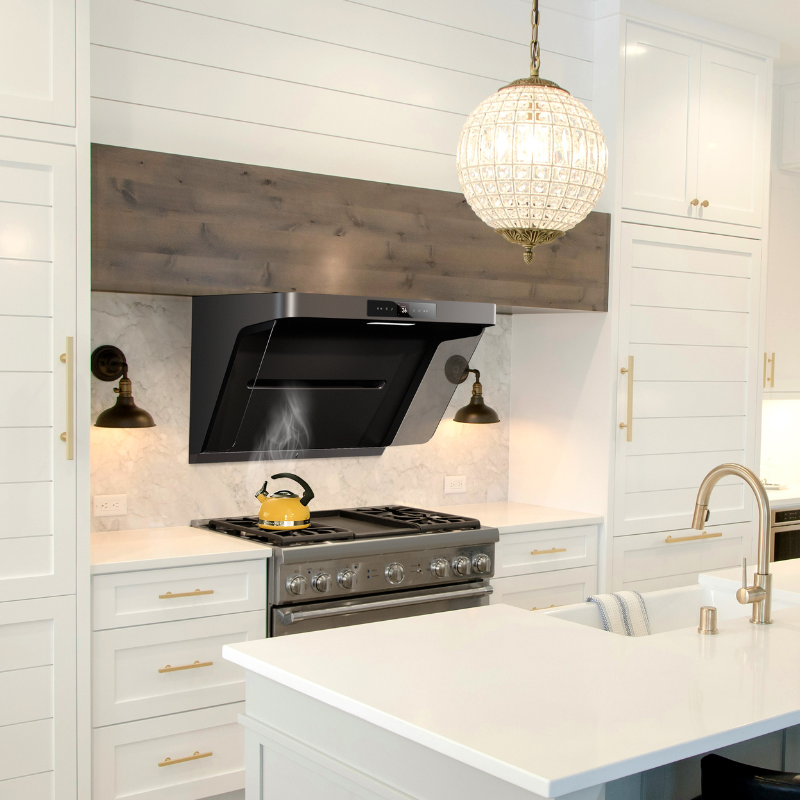
Credit: us.cleadeep.com
Choosing The Right Range Hood
Choosing the right range hood for your kitchen can transform your cooking experience. It’s not just about picking a stylish piece; it’s about matching functionality with your cooking habits. The right hood will keep your kitchen air clean, reduce odors, and even protect your walls and ceilings from grease buildup.
Types Of Range Hoods
There are several types of range hoods to consider, each designed for specific kitchen layouts and ventilation needs.
- Under-Cabinet Hoods:These fit directly under your cabinets and are great for kitchens with limited space.
- Wall-Mounted Hoods:Mounted on the wall, they are perfect for stoves placed against a wall and often serve as a focal point.
- Island Hoods:Designed for stoves located on kitchen islands, they hang from the ceiling and require strong ventilation.
- Downdraft Hoods:These pop up from the counter and pull smoke downward, ideal for open-concept kitchens with limited overhead space.
Think about where your stove is and how much space you have above it before choosing a type.
Benefits Of High Range Hoods
High range hoods offer several advantages that can improve your kitchen’s air quality and your cooking comfort.
- Better Smoke and Odor Removal:Positioned higher, these hoods capture smoke and steam more effectively before they spread.
- Improved Ventilation:They often have more powerful fans, which help keep your kitchen fresh even during heavy cooking.
- Protection for Your Kitchen:By reducing grease and moisture, they help prevent damage to walls and cabinets.
- Enhanced Kitchen Aesthetics:Many high range hoods come in sleek designs that add a modern touch.
Have you noticed how some kitchens feel stuffy after cooking? A high range hood can change that instantly.
Measuring The Stove Area
Measuring the stove area is the first step in choosing the right high range hood. Accurate measurements ensure the hood fits well and functions properly. This process involves checking the stove’s size and the space around it.
Determining Stove Dimensions
Start by measuring the width and depth of the stove. Use a tape measure for precision. Note the stove’s height if it stands out from the countertop. Record these numbers carefully. These dimensions help select a hood that covers the stove fully.
Assessing Surrounding Space
Check the wall or cabinet space above the stove. Measure the distance from the stove top to the ceiling or cabinet bottom. Look for any obstacles like shelves, light fixtures, or vents. Make sure there is enough room for the hood’s height and width. This step avoids installation problems and ensures good airflow.
Optimal Height For Installation
Choosing the right height for installing a high range hood over the stove is crucial. It affects both the hood’s efficiency and your kitchen’s safety. The optimal height ensures smoke, steam, and odors are captured well. It also keeps the cooking area comfortable and avoids any fire hazards.
Recommended Height Ranges
The ideal height for most high range hoods is between 24 and 30 inches above the cooking surface. This range allows the hood to capture smoke and steam effectively without interfering with cooking. For gas stoves, the height should lean toward the higher end to prevent heat damage.
- Electric stoves: 24 to 30 inches
- Gas stoves: 27 to 30 inches
- Professional or commercial stoves: Check manufacturer guidelines
Factors Influencing Height Choice
Several factors affect the best height for your range hood. Consider the following:
- Stove type:Gas stoves produce more heat, needing higher placement.
- Ceiling height:Taller ceilings may require adjustable or custom installations.
- Hood size and power:Larger, more powerful hoods can be mounted higher.
- Kitchen layout:Space constraints or design style can influence height decisions.
- Safety codes:Local building codes may set minimum clearance requirements.
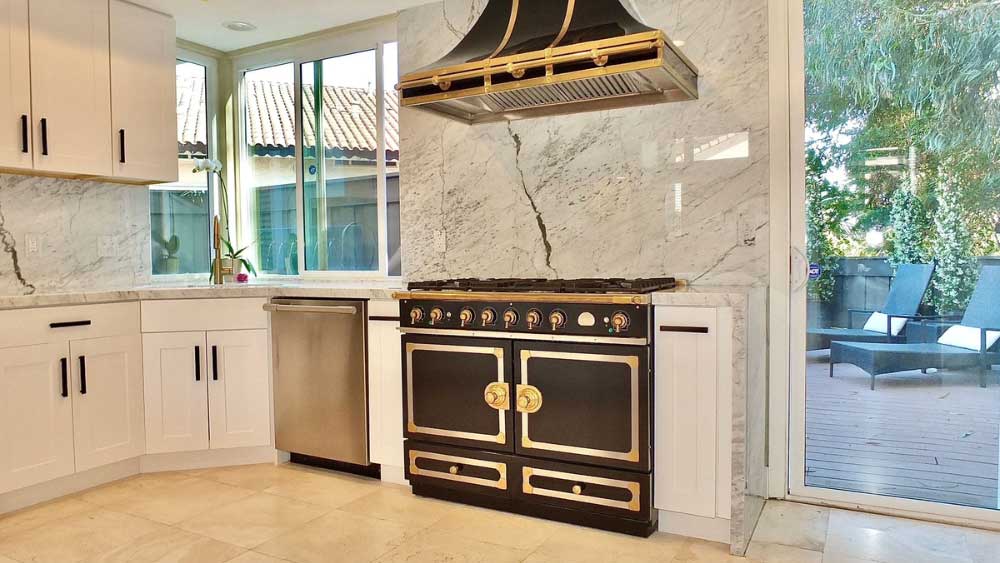
Credit: blog.yaleappliance.com
Installation Tips For Stability
Installing a high range hood over your stove requires careful attention to stability. Without a secure setup, the hood can wobble or even fall, risking damage and safety. Let’s look at key tips to ensure your hood stays firmly in place and works efficiently.
Wall Vs. Island Mounting
Choosing between wall and island mounting affects how you secure your range hood. Wall-mounted hoods attach directly to studs or solid framing, making it easier to find strong support points. Island hoods, hanging from the ceiling, need additional reinforcement since they bear weight without wall support.
Think about your kitchen layout. Do you have a sturdy wall behind the stove? If not, an island mount may be your only option—but it demands careful planning. You’ll often need extra ceiling joists or a mounting frame to hold the hood’s weight safely.
Securing The Hood Properly
Use heavy-duty anchors or screws rated for the hood’s weight. Standard drywall anchors won’t hold up over time. Locate wall studs or ceiling joists with a stud finder to ensure you’re attaching to solid wood.
Double-check the hood’s installation instructions for weight limits and recommended hardware. If your hood is particularly heavy, consider adding a support bracket or a mounting plate to spread the load.
- Mark mounting points precisely before drilling.
- Use a level to keep the hood straight.
- Test the hood’s stability by gently pushing after installation.
Have you ever felt a kitchen hood shake when you pulled on it? That’s a red flag. A properly secured hood should feel rock solid, giving you confidence every time you cook.
Ventilation And Airflow Considerations
Ventilation and airflow play a vital role in the performance of a high range hood over the stove. Proper airflow ensures smoke, steam, and odors leave the kitchen quickly. Good ventilation improves air quality and keeps the cooking area comfortable. Choosing the right setup helps the hood work efficiently and quietly. Understanding airflow paths and ducting options helps avoid common problems.
Ducting Options
Proper ducting is key for effective ventilation. The duct moves air from the hood to the outside. Use smooth, rigid metal ducts for better airflow. Avoid flexible ducts as they create resistance and reduce efficiency. Keep ducts as short and straight as possible. Long ducts or many bends lower airflow and increase noise.
- Use 6-inch or larger ducts for most hoods
- Choose metal ducts over plastic or foil
- Install duct vents with backdraft dampers to stop outside air
- Seal duct joints tightly with metal tape
Avoiding Airflow Obstructions
Obstructions block airflow and reduce the hood’s power. Clean ducts regularly to remove grease and dust buildup. Check ducts for kinks or crushed sections that limit air passage. Avoid installing the hood too far from the stove. This distance reduces the hood’s ability to capture smoke. Keep the kitchen windows and doors closed during cooking to maintain proper pressure balance.
- Inspect ducts for damage or bends
- Clean filters and ducts often
- Ensure no objects block hood intake or vents
- Maintain correct hood height as per manufacturer’s instructions
Safety And Code Compliance
Choosing the right height for your range hood over the stove isn’t just about style or kitchen layout—it directly impacts safety and compliance with building codes. Installing it too low or too high can create fire hazards or violate local regulations. Understanding these safety and code requirements protects your home and keeps your kitchen functioning properly.
Fire Safety Guidelines
Keeping a safe distance between your stove and range hood is crucial to prevent fires. Most manufacturers recommend mounting the hood between 24 and 30 inches above the cooktop. This space allows the hood to capture smoke and grease effectively without being too close to open flames.
Grease buildup on a hood installed too low can ignite easily. Have you ever thought about how often you clean your range hood filters? Regular maintenance can drastically reduce fire risks.
Using materials rated for high heat around your stove and hood adds another layer of safety. Avoid combustible materials near the cooking area to prevent accidental fires.
Local Building Codes
Building codes vary by city and state, so check with your local authority before installation. Many codes specify minimum heights, venting requirements, and electrical standards for range hoods.
Failing to comply with these codes can lead to fines or problems when selling your home. Have you contacted your local building department to verify their specific rules?
Some regions require professional installation and inspections to ensure safety standards are met. Hiring an expert can save you headaches and guarantee your hood is installed correctly and legally.
Maintenance And Cleaning
Proper maintenance and cleaning keep your high range hood working well. Dirt and grease build up quickly in kitchen hoods. This reduces airflow and makes your kitchen smell. Regular care helps the hood last longer. It also keeps your cooking area safe and fresh.
Filter Types And Replacement
Range hoods use different filters to catch grease and smoke. Knowing your filter type helps with cleaning and replacement.
- Mesh filters:Made of aluminum or stainless steel. They trap grease well. Wash them often with warm soapy water.
- Baffle filters:Made of metal slats. They are easy to clean and very durable. Use a degreaser or dishwasher for cleaning.
- Charcoal filters:Used in ductless hoods to remove odors. They cannot be washed. Replace them every 3 to 6 months.
Check the hood manual for filter type and replacement schedule. Timely replacement keeps your hood working efficiently.
Cleaning Frequency Tips
Cleaning frequency depends on how often you cook and what you cook.
- Clean metal filters every 1 to 3 months.
- Replace charcoal filters every 3 to 6 months.
- Wipe the hood surface weekly to remove grease and dust.
- Deep clean the entire hood every 6 months.
Regular cleaning prevents grease buildup. It also stops bad odors and fire risks. Use mild soap and a soft cloth. Avoid abrasive cleaners that can damage the surface.
Common Installation Mistakes
Installing a high range hood over the stove may seem simple. Yet, many make mistakes that affect performance and safety. These errors can reduce airflow, cause smoke buildup, and even damage the hood. Avoiding common installation mistakes ensures the hood works well and lasts long.
Too High Or Too Low Placement
Placing the range hood too high reduces its ability to capture smoke and steam. Smoke can escape before reaching the hood. Putting it too low makes cooking uncomfortable and risks fire hazards. The ideal height is usually between 24 to 30 inches above the stove. Check the manufacturer’s instructions for exact measurements.
Ignoring Ventilation Requirements
Proper ventilation is vital for a high range hood to work effectively. Using the wrong duct size or poor duct routing reduces airflow. Avoid flexible ducts as they trap grease and slow air movement. The vent should lead outside, not into the attic or another room. Ensure a clean, straight duct path for best results.
Enhancing Kitchen Aesthetics
Enhancing your kitchen’s aesthetics with a high range hood over the stove is about more than just function. It’s an opportunity to elevate the entire cooking space’s style and atmosphere. A well-chosen hood can become a striking focal point or blend seamlessly into your existing decor, making your kitchen feel more inviting and polished.
Matching Hood Style To Decor
Your kitchen’s style should guide your choice of range hood. Are you working with a modern, minimalist kitchen? A sleek stainless steel hood with clean lines will complement that look perfectly.
If your kitchen leans toward rustic or farmhouse charm, consider a hood with a wooden or copper finish. It adds warmth and texture that matches wooden cabinets or exposed beams.
Think about the scale and shape too. A large, dramatic hood suits high ceilings and open layouts, while a compact, simple design fits smaller spaces better. How does your current kitchen style reflect your personality, and could your range hood amplify that?
Lighting Options
Lighting under or around your range hood isn’t just practical—it shapes the kitchen’s mood. Bright LED lights directly over the stove improve visibility for cooking, making meal prep safer and easier.
Soft, warm lighting can turn the hood into an ambient light source, perfect for cozy dinners or casual gatherings. Some hoods even offer adjustable brightness, so you control the atmosphere at any time.
Consider lights with dimmer switches or color temperature settings. They let you switch from bright task lighting to a softer glow effortlessly, adding versatility to your kitchen’s vibe.
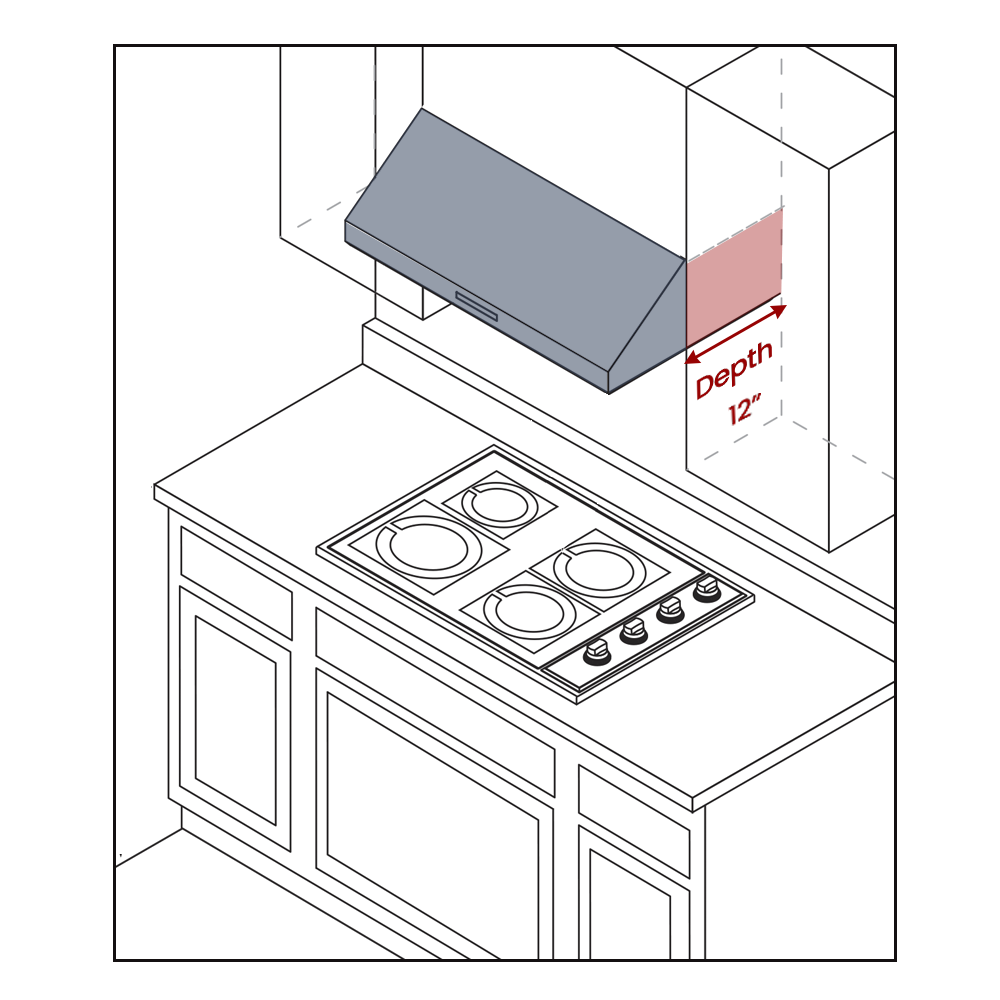
Credit: www.2pacific.com
Frequently Asked Questions
What Is The Ideal Height For A Range Hood Over Stove?
The ideal height for a range hood is 24 to 30 inches above the stove. This height ensures effective smoke and odor capture while maintaining safety and convenience during cooking.
How Does Range Hood Height Affect Ventilation Efficiency?
Proper height maximizes ventilation by capturing smoke and fumes quickly. If too high, it loses suction power; if too low, it obstructs cooking space and poses a safety risk.
Can A Range Hood Be Installed Higher Than Recommended?
Yes, but it reduces efficiency. Installing higher than 30 inches weakens suction, allowing smoke and odors to escape. Always balance height with ventilation strength and kitchen design.
What Factors Determine The Right Range Hood Height?
Factors include stove type, hood power, ceiling height, and cooking habits. High-BTU stoves may need lower hoods for better capture. Consider these for optimal performance and safety.
Conclusion
Choosing the right height for your range hood matters a lot. It helps keep your kitchen clean and fresh. A well-placed hood removes smoke, steam, and smells fast. Too high or too low can cause problems. Aim for the recommended height for best results.
This small step makes cooking safer and more comfortable. Keep these tips in mind when installing your hood. Your kitchen will feel better every time you cook. Simple adjustments bring big benefits.