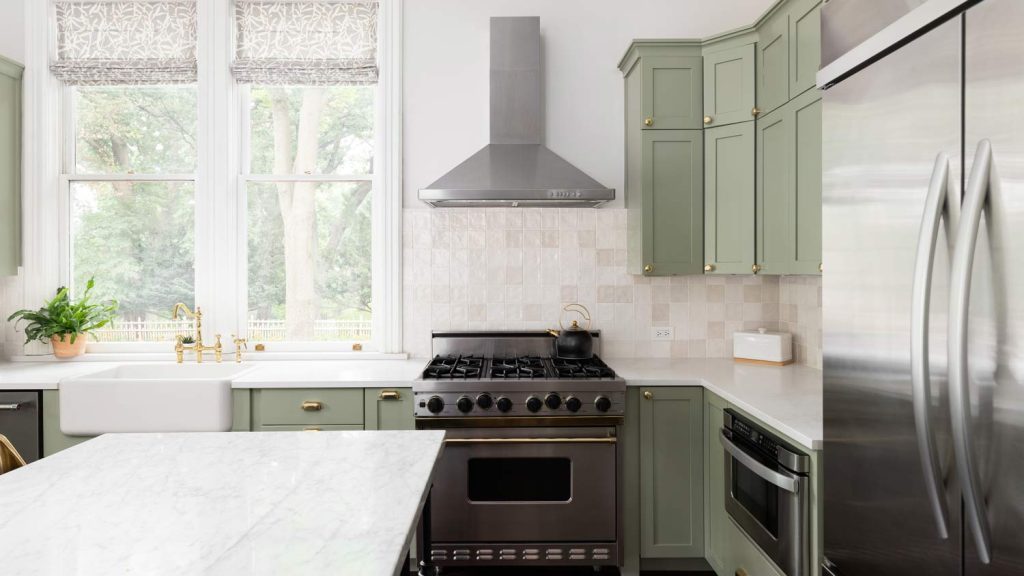
When it comes to your kitchen, you want everything to be just right, especially when it comes to ventilation. That’s where a range hood comes into play.
But how do you know what is a good CFM for a range hood? You might have come across this term while shopping for kitchen appliances, and it can be a bit confusing. Don’t worry! Understanding CFM, which stands for cubic feet per minute, is simpler than you might think.
It’s a measure of how much air your range hood can move. A good CFM ensures that cooking odors, smoke, and steam are quickly and efficiently pulled out of your kitchen. This not only keeps your kitchen smelling fresh but also helps maintain a healthier air quality in your home. Keep reading to discover how to choose the right CFM for your needs and ensure your kitchen remains the heart of your home, free from unwanted smells and smoke.
Cfm And Range Hood Basics
Understanding the basics of CFM and range hoods is essential if you want to keep your kitchen air clean and odor-free. CFM, or cubic feet per minute, tells you how much air your range hood can move. Knowing what CFM means can help you pick the right range hood that matches your cooking style and kitchen size.
What Cfm Measures
CFM measures the volume of air that a range hood can pull out of your kitchen every minute. Imagine it as the power of the hood to clear smoke, steam, and smells while you cook. A higher CFM means the hood moves more air quickly, which is great for heavy cooking.
For example, if you often fry or grill, a hood with a higher CFM will keep your kitchen fresher. On the other hand, simple boiling or simmering may only need a lower CFM. Knowing this helps avoid paying for more power than you really need.
Importance Of Cfm In Ventilation
CFM directly affects how well your kitchen stays free from smoke, grease, and odors. A hood with too low a CFM will leave your kitchen smoky and uncomfortable. Too high a CFM might cause unnecessary noise and energy use.
Think about your kitchen size and cooking habits. If you have a small kitchen but cook a lot, you still need enough CFM to clear the air properly. The right CFM improves air quality and protects your walls and cabinets from grease buildup.
Have you noticed how some kitchens feel stuffy after cooking? That’s often a sign of an underpowered range hood. Matching the CFM to your needs can solve this problem and make cooking more enjoyable.
Factors Influencing Ideal Cfm
Choosing the right CFM for a range hood depends on several key factors. These elements affect how well the hood removes smoke, odors, and grease from your kitchen air. Understanding these factors helps pick a range hood that works efficiently without being too loud or underpowered.
Kitchen Size And Layout
The size of your kitchen influences the airflow needed. Larger kitchens require higher CFM to clear the air effectively. Open layouts allow air to spread, so a stronger hood may be necessary. Smaller kitchens can get by with lower CFM, as the air volume is less. Ceiling height and ventilation ducts also impact the ideal CFM.
Cooking Style And Frequency
Cooking often or using high-heat methods produces more smoke and steam. Frying, grilling, and searing need higher CFM to remove pollutants quickly. Light cooking with boiling or simmering creates less smoke, so a lower CFM might suffice. Think about how much and how you cook when choosing your range hood.
Type Of Cooktop
Gas cooktops release more heat and combustion gases than electric ones. This requires a range hood with higher CFM for proper ventilation. Induction cooktops generate less heat and fumes, so a moderate CFM can work well. The number of burners and burner size also affect the airflow needed.
Choosing The Right Cfm
Choosing the right CFM for a range hood is key to good kitchen ventilation. CFM stands for cubic feet per minute, measuring airflow. It shows how much air the hood can move in one minute. Picking the right CFM keeps your kitchen fresh and smoke-free.
Calculating Required Airflow
Calculate the kitchen size first. Measure the width, length, and height in feet. Multiply these numbers to get the kitchen volume. Next, think about your cooking style. High-heat cooking needs more airflow. Use this simple formula:
- CFM = (Kitchen volume × Air changes per hour) ÷ 60
Air changes per hour means how many times the air should be replaced. Usually, 15 to 20 air changes are enough. This calculation helps choose a hood that clears smoke fast.
Balancing Noise And Power
Higher CFM usually means more noise. A very powerful hood can be loud. Noise can disturb conversations or concentration. Look for models with noise ratings in sones. Lower sones mean quieter operation. Choose a hood that balances airflow and noise. Quiet but effective hoods make cooking more pleasant.
Energy Efficiency Considerations
Energy-efficient hoods save money on power bills. Look for models with good energy ratings. LED lights and variable speed fans use less electricity. Efficient motors deliver strong airflow at lower power. This reduces your kitchen’s carbon footprint. An energy-smart range hood keeps your kitchen green and costs low.

Credit: www.rokhardware.com
Types Of Range Hoods And Their Cfm
Understanding the types of range hoods and their recommended CFM (cubic feet per minute) is essential to ensure your kitchen stays smoke-free and odor-free. Different hood styles suit different kitchen layouts and cooking habits, and each type requires a specific airflow capacity to work effectively. Let’s break down the main types of range hoods and the CFM ranges that usually work best for them.
Under-cabinet Hoods
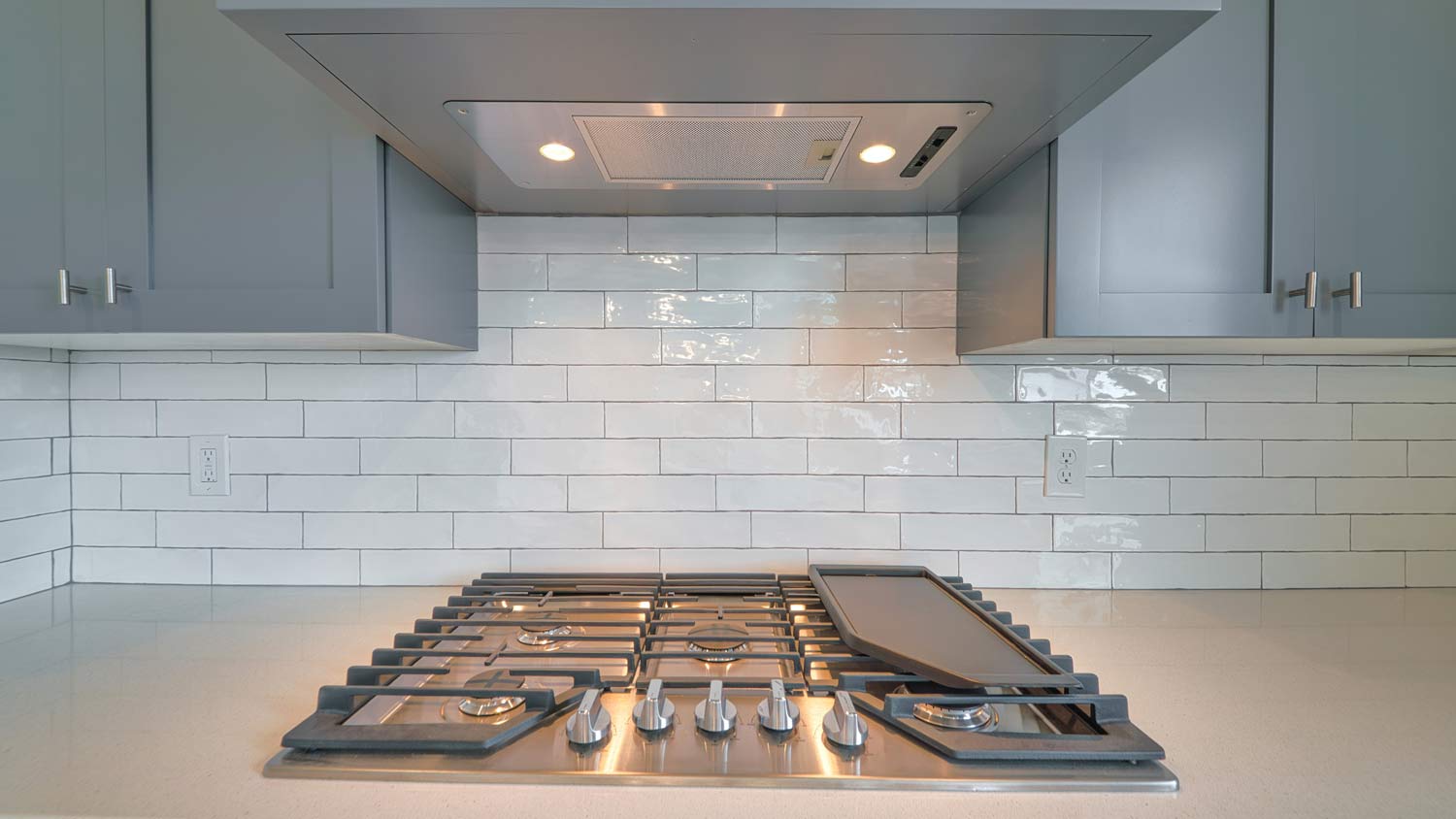
Under-cabinet hoods fit snugly beneath your kitchen cabinets, making them a popular choice for many homes. They typically require a CFM between 300 and 600, depending on your stove size and cooking intensity.
If you often cook with high heat or fry frequently, aim for the higher end of that range. For slower cooking or occasional use, a lower CFM might suffice. Have you noticed your current hood struggles during heavy cooking? Upgrading to a stronger under-cabinet hood can make a big difference.
Wall-mounted Hoods
Wall-mounted hoods are attached directly to the wall above your stove and often become a kitchen centerpiece. These hoods generally need 600 to 900 CFM to handle the ventilation requirements of larger or more powerful cooktops.
Because they are more exposed, they usually have larger fans and better airflow. If your kitchen layout includes a wall-mounted hood, consider your cooking style closely: do you simmer sauces or grill meats often? Choosing the right CFM here can save you from lingering smells and excess smoke.
Island Hoods
Island hoods hang from the ceiling over a cooking island, often requiring the most power due to their open surroundings. They typically require 600 to 1200 CFM to efficiently capture smoke and odors without walls to contain the air.
Think about your kitchen’s air circulation—do drafts or open windows affect airflow? Opting for a higher CFM in island hoods often means better performance, especially if you use a gas stove or cook large meals regularly. Is your current hood struggling to clear the air in your open kitchen space?
Installation Tips For Optimal Performance
Installing a range hood properly ensures it works at its best. Small details during installation affect airflow and noise. Taking care with setup helps remove smoke, odors, and grease efficiently. Follow key tips to get the most from your range hood’s CFM rating.
Proper Duct Sizing
Choose ducts that match the hood’s airflow capacity. Narrow ducts reduce air movement and strain the motor. Use smooth, straight ducts to avoid airflow blockages. Keep duct runs short to improve suction power. Avoid sharp bends and multiple joints for better air flow.
Placement And Height
Install the hood at the right height above the cooktop. Usually, 24 to 30 inches is ideal for gas and electric stoves. Too high lowers suction; too low can cause heat damage. Center the hood over the cooking surface for balanced capture. Position it near the back wall to reduce air leaks.
Maintenance And Cleaning
Clean filters regularly to maintain airflow and reduce fire risk. Wash or replace grease filters as recommended by the manufacturer. Wipe down the hood’s surface to remove buildup. Check ducts for blockages or damage yearly. Proper care keeps your range hood working smoothly and quietly.

Credit: www.youtube.com
Common Mistakes To Avoid
Choosing the right CFM for your range hood is crucial, but many people make avoidable mistakes that reduce its effectiveness. Understanding these common errors can save you from poor kitchen air quality and unnecessary expenses. Let’s look at some pitfalls you should steer clear of to get the best performance from your range hood.
Oversized Or Undersized Cfm
Picking a range hood with too high or too low CFM can cause real issues. An oversized CFM might seem powerful, but it can create excessive noise and waste energy. On the other hand, an undersized CFM won’t remove cooking fumes properly, leaving your kitchen smoky and uncomfortable.
Think about your cooking habits and kitchen size. Are you frying often or just boiling? This affects the needed CFM. A small apartment kitchen doesn’t need the same power as a large open kitchen.
Ignoring Ventilation Path
Even the perfect CFM won’t work if the ventilation path is blocked or poorly designed. A long duct run with many bends reduces airflow drastically. You might buy a top-rated hood but still face lingering odors because the air can’t escape efficiently.
Check your ductwork carefully. Is it straight and short? Are there unnecessary turns or restrictions? Fixing this can improve your hood’s performance without changing the fan.
Neglecting Regular Upkeep
A range hood needs regular cleaning and maintenance to perform well. Grease build-up in filters and ducts reduces airflow and can even cause a fire hazard. Many people forget to clean or replace filters, thinking their hood will work fine on its own.
Set a schedule to clean your filters and inspect the venting system. A little upkeep goes a long way in keeping your kitchen fresh and safe.
Credit: www.angi.com
Frequently Asked Questions
What Does Cfm Mean For A Range Hood?
CFM stands for Cubic Feet per Minute. It measures how much air a range hood can move. A higher CFM means better ventilation and smoke removal from your kitchen.
How To Choose The Right Cfm For Your Kitchen?
Choose CFM based on your stove size and cooking habits. Generally, multiply burner width by 100 for minimum CFM. Larger kitchens or heavy cooking need higher CFM for effective ventilation.
Is Higher Cfm Always Better For Range Hoods?
Not always. Too high CFM can cause noise and excessive air removal. Choose a CFM that balances ventilation needs with noise and energy efficiency.
Can A Low Cfm Range Hood Remove Smoke Effectively?
Low CFM hoods may struggle with heavy smoke or grease. They work best for light cooking. For frequent frying or grilling, a higher CFM is recommended.
Conclusion
Choosing the right CFM for your range hood keeps your kitchen fresh. A good CFM clears smoke, steam, and odors fast. Too low, and air stays trapped inside. Too high, and you waste energy and money. Match the CFM to your stove size and cooking habits.
This balance helps your kitchen stay clean and comfortable. Remember, a proper range hood makes cooking safer and more pleasant. Keep these points in mind for the best air flow in your kitchen.