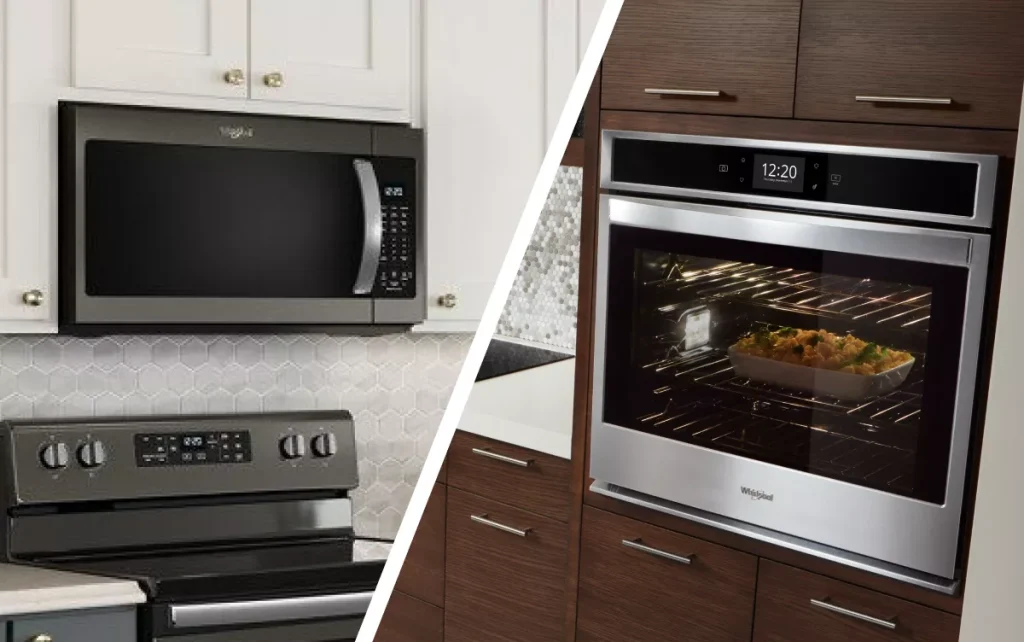
Ever found yourself standing in the kitchen, staring at your microwave and oven, wondering which one to use for your next meal? You’re not alone.
The world of kitchen appliances can be confusing, especially when it comes to understanding the difference between a microwave and an oven. Each has its own unique features and benefits, and knowing which one to use can make a huge difference in your cooking experience.
By the end of this article, you’ll have a clear understanding of their differences, ensuring you make the best choice for your culinary adventures. Ready to discover which appliance suits your needs? Let’s dive in!
Microwave Basics
The microwave is a common kitchen appliance found in many homes. It heats food quickly using a special kind of energy. Understanding how microwaves work helps to see their benefits and limits. This section explains the basic ideas behind microwave ovens.
How Microwaves Work
Microwaves use electromagnetic waves to heat food. These waves make water molecules in food move fast. This movement creates heat, cooking the food from inside out. The process is faster than traditional ovens because it heats food directly.
Common Uses
Microwaves are perfect for reheating leftovers and cooking simple meals. They defrost frozen food quickly and make popcorn. Many people use microwaves to warm drinks or steam vegetables. Their quick heating saves time in busy kitchens.
Advantages
- Fast cooking and reheating
- Energy-efficient for small tasks
- Easy to use with simple controls
- Compact size fits small kitchens
- Less heat added to the kitchen
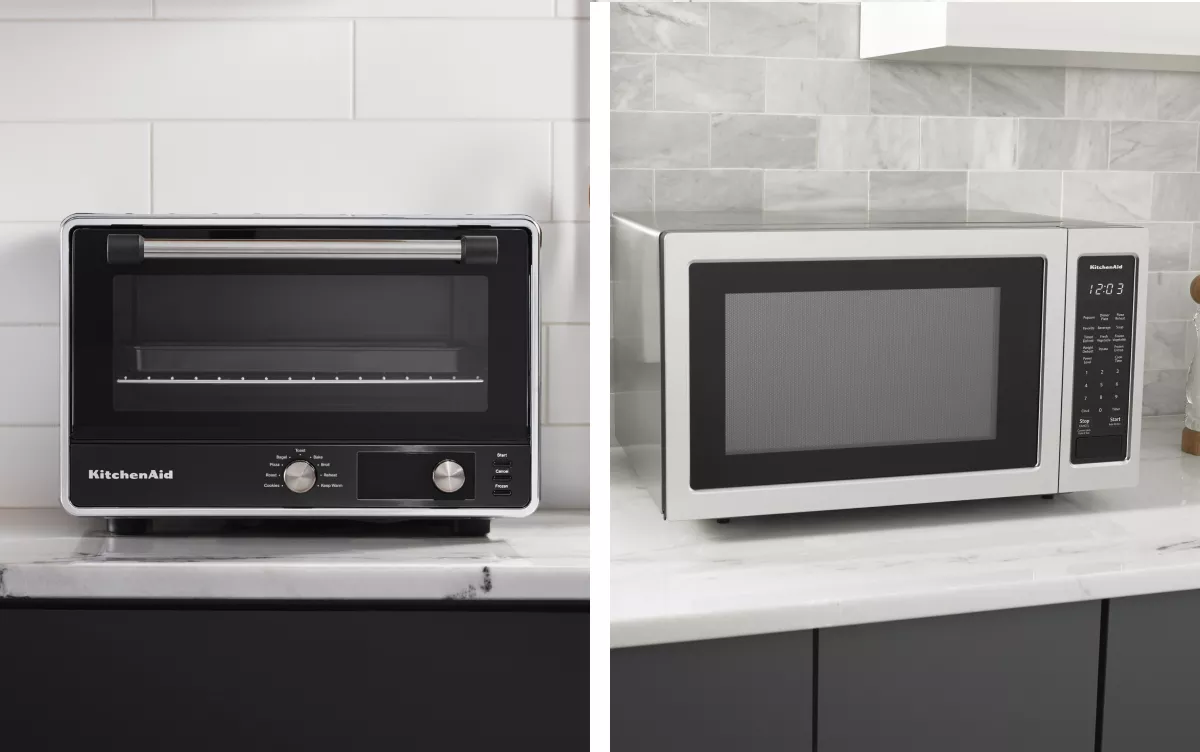
Credit: www.kitchenaid.com
Oven Essentials
Understanding the essentials of an oven can help you decide when to use it instead of a microwave. Ovens have been a staple in kitchens for ages, offering a distinct way to cook food through consistent heat. Knowing how ovens operate and their key advantages can transform your cooking experience.
How Ovens Operate
Ovens cook food by surrounding it with hot air. This heat usually comes from electric elements or gas burners inside the oven chamber. The air circulates, evenly cooking your food from all sides, which helps develop flavors and textures you can’t get from a microwave.
Many ovens also have a fan, called a convection feature, which speeds up cooking by moving the hot air more efficiently. This is why baked goods come out crispy on the outside and soft inside. Have you noticed how your pizza crust crisps better in an oven than a microwave?
Common Uses
Ovens are perfect for baking, roasting, and broiling. You can prepare everything from cakes and cookies to roasted meats and vegetables. If you want a golden-brown crust or a caramelized top, the oven is your go-to appliance.
Think about times you’ve cooked a whole chicken or baked bread. These dishes rely on slow, even heat to develop complex flavors and textures. Can a microwave really give you that same result?
Advantages
- Even Cooking:Heat surrounds your food, reducing cold spots and ensuring thorough cooking.
- Better Texture:Ovens can brown and crisp food, adding layers of flavor and appeal.
- Versatility:From baking pastries to roasting vegetables, ovens handle a wide range of dishes.
- Capacity:Larger ovens allow you to cook multiple dishes at once, saving time for big meals.
Using an oven might take longer than a microwave, but the results often justify the wait. Next time you want to impress with dinner, ask yourself: Is quick enough, or do I want quality that lasts?
Heating Methods Compared
Understanding the different heating methods helps to see how microwaves and ovens cook food. Each uses a unique process to heat meals. These processes affect cooking speed, taste, and texture.
Microwave Radiation
Microwaves use electromagnetic waves to heat food. These waves target water molecules inside the food. The molecules vibrate quickly, creating heat from within. This method cooks food fast and evenly in many cases. It works best for reheating and simple cooking tasks.
Conventional Heat
Ovens use conventional heat through gas or electric elements. Heat moves from the outside to the inside of the food. This process takes longer than microwaving. It allows for browning and crisping, which microwaves cannot do. Ovens are ideal for baking and roasting.
Impact On Food Texture
Microwaves often leave food moist but can make it soggy. They do not create a crispy or browned surface. Ovens produce a crispy, browned texture that many enjoy. The dry heat helps form crusts and caramelization. Texture differences affect the taste and eating experience.
Cooking Speed And Efficiency
Understanding the difference in cooking speed and efficiency between a microwave and an oven can help you choose the right appliance for your kitchen tasks. Both tools serve distinct purposes, and knowing how they perform in terms of time and energy use is key to making smarter cooking decisions. Let’s break down how these appliances compare.
Time Differences
Microwaves cook food much faster than ovens because they use electromagnetic waves to heat water molecules directly. This means your leftovers or frozen meals can be ready in minutes, not hours. On the other hand, ovens rely on hot air circulating around the food, which takes longer to reach the desired temperature.
If you often need to prepare meals quickly, a microwave can be a real time saver. However, for dishes that require slow cooking or browning, the oven’s longer cooking time is necessary for better flavor and texture.
Energy Consumption
Microwaves typically use less energy than ovens because they cook food faster and focus energy directly on the food. An oven heats up the entire cavity, which consumes more electricity over a longer period. This difference can impact your utility bills if you cook frequently.
Think about what you cook most often—if it’s quick reheats or simple meals, your microwave will be more energy-efficient. But if you regularly bake or roast, using an oven might justify the extra energy for the quality results you want.
Safety Considerations
Safety is a key factor when using microwaves and ovens. Both appliances use heat but work differently. Understanding safety helps avoid burns, fires, and other risks in the kitchen. Follow simple rules to keep yourself and your home safe while cooking.
Microwave Safety Tips
- Use microwave-safe containers only. Avoid metal and foil.
- Do not operate the microwave when it is empty.
- Keep the door seals clean and free from damage.
- Stir food to avoid hot spots and steam burns.
- Let food cool before removing to prevent burns.
- Use oven mitts or cloth to handle hot containers.
- Check food temperature before eating to avoid burns.
- Never microwave sealed containers or eggs in shells.
Oven Safety Tips
- Always use oven mitts when handling hot trays or dishes.
- Keep the oven door closed during cooking to maintain heat.
- Do not leave the oven unattended while in use.
- Keep flammable items away from the oven surface.
- Regularly clean the oven to prevent grease fires.
- Use racks properly and avoid overcrowding the oven.
- Turn off the oven immediately after use.
- Ensure good ventilation in the kitchen during baking or roasting.
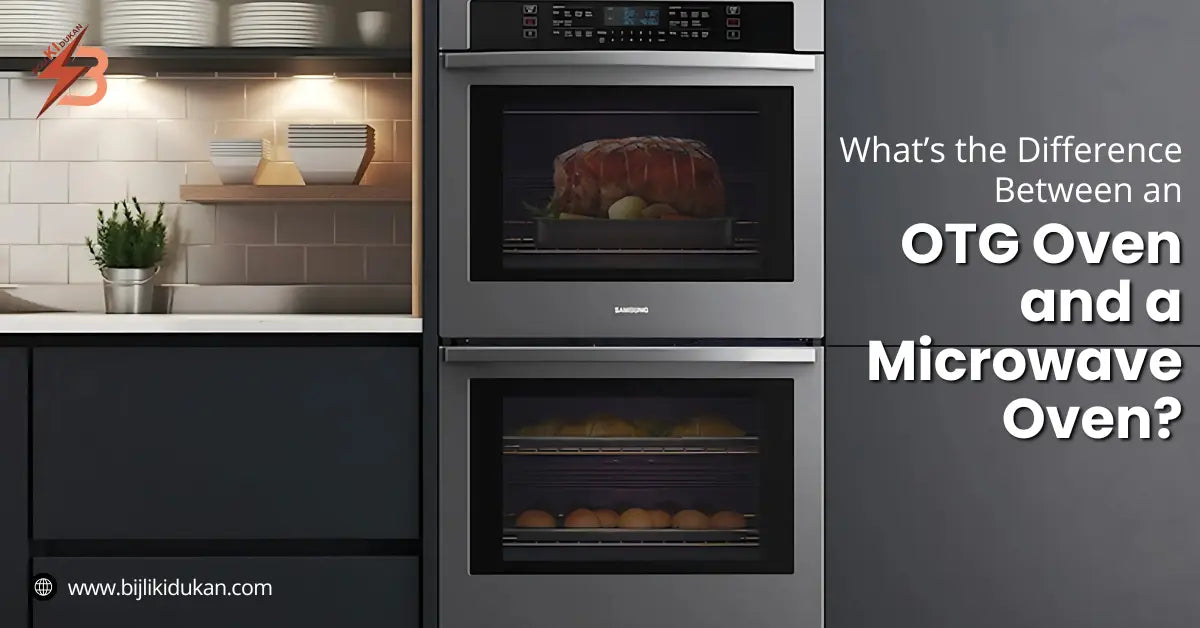
Credit: www.bijlikidukan.com
Cleaning And Maintenance
Cleaning and maintaining your microwave and oven not only keeps them looking good but also extends their lifespan and ensures they function safely. Each appliance has its own quirks when it comes to care, so understanding these can save you time and effort. Let’s dive into practical tips that you can easily apply to keep both appliances in top shape.
Microwave Care
Microwaves are quick to get splattered with food spills, especially when reheating sauces or soups. Wiping the interior after each use prevents odors and buildup that can affect taste and efficiency.
- Use a damp cloth with mild soap to clean the inside regularly.
- Heat a bowl of water with lemon slices inside for a few minutes; the steam loosens grime, making it easier to wipe away.
- Remove and clean the turntable separately to avoid stuck-on food.
Have you noticed a strange smell after heating leftovers? That often signals it’s time for a thorough cleaning. Avoid harsh chemicals; they can damage the microwave’s surface and potentially release harmful fumes during use.
Oven Care
Ovens demand a bit more attention due to higher heat and grease buildup. Regular cleaning prevents smoke and unpleasant smells and improves cooking results.
- Remove racks and soak them in warm, soapy water for easier scrubbing.
- Use a baking soda paste to tackle stubborn grease spots. Apply, let it sit for 20 minutes, then scrub gently.
- Consider self-cleaning modes carefully—they save effort but make sure to ventilate your kitchen well during the process.
Have you ever opened your oven to find burnt food residues? Cleaning right after use can save you from that hassle. Also, check door seals regularly; damaged seals reduce efficiency and can let heat escape.
Choosing Between Microwave And Oven
Choosing between a microwave and an oven depends on what you want to cook and how you want to cook it. Both appliances have unique strengths and suit different cooking styles. Understanding their differences helps you decide which fits your kitchen and lifestyle better.
Based On Cooking Needs
Microwaves heat food quickly. They are great for reheating meals or cooking simple dishes. Ovens cook food evenly and are better for baking, roasting, and grilling. If you want crispy or browned food, an oven is the best choice. Microwaves do not brown or crisp food well.
For busy people, microwaves save time. Ovens offer more cooking options and better texture. Think about what kinds of meals you prepare most often to choose the right appliance.
Budget And Space Factors
Microwaves are usually less expensive than ovens. They also take up less space on the countertop or inside a cabinet. This makes microwaves ideal for small kitchens or tight budgets.
Ovens require more space and a higher budget. Built-in ovens need professional installation. For large families or people who cook often, investing in an oven makes sense. Microwaves suit smaller households or those who cook less frequently.
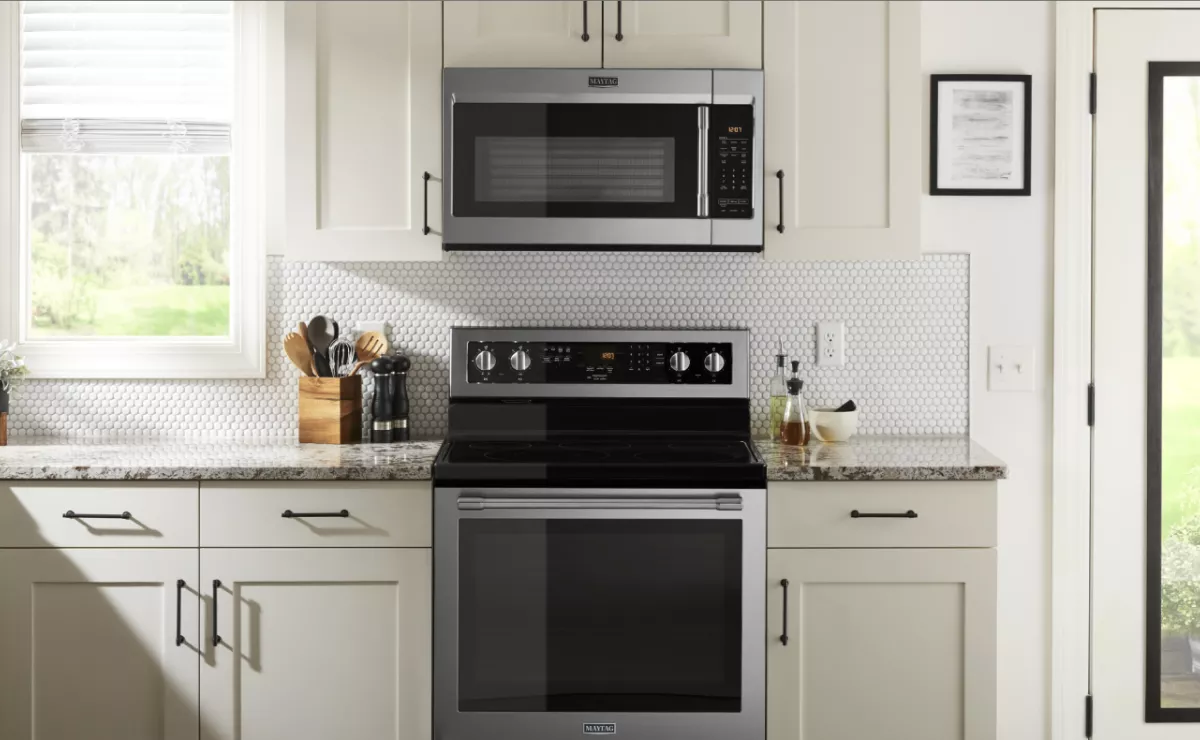
Credit: www.maytag.com
Frequently Asked Questions
What Is The Main Difference Between Microwave And Oven?
A microwave uses electromagnetic waves to heat food quickly. An oven uses hot air or radiant heat to cook food evenly and slowly.
Which Appliance Is Better For Baking, Microwave Or Oven?
Ovens are better for baking because they provide consistent and even heat. Microwaves are not ideal for baking.
How Do Microwave And Oven Differ In Cooking Time?
Microwaves cook food much faster by directly heating water molecules. Ovens take longer by heating the surrounding air.
Can You Use A Microwave As An Oven Substitute?
Microwaves can reheat and cook simple meals but cannot replace ovens for baking or roasting.
Conclusion
Microwaves heat food quickly using waves, while ovens cook with hot air. Microwaves suit reheating and simple meals. Ovens work well for baking and roasting. Both have unique uses in the kitchen. Choose based on your cooking needs and time.
Understanding these differences helps you cook better every day. Simple tools, different results. Use what fits your style and meal plan. Cooking becomes easier with the right appliance.