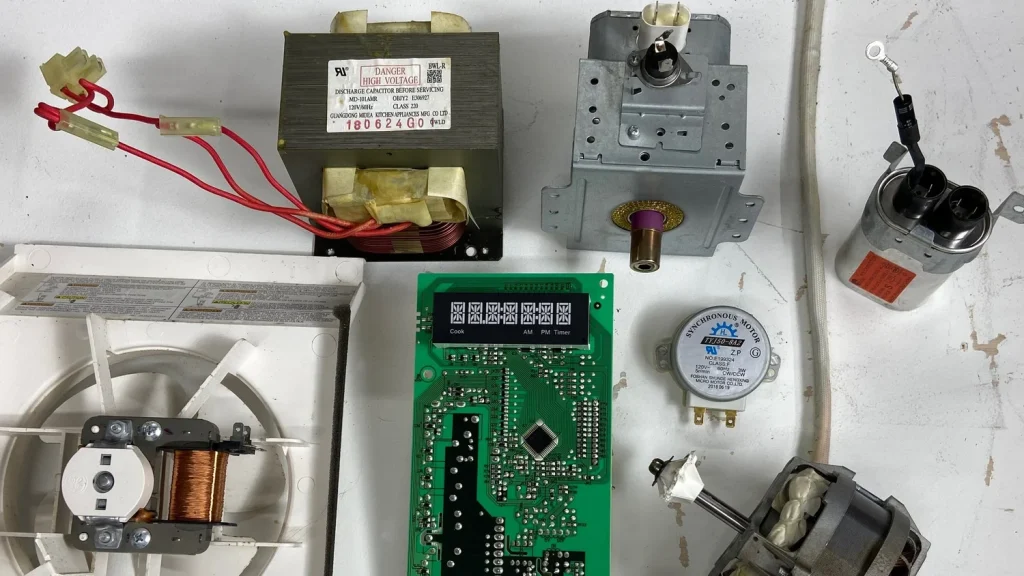
Have you ever been curious about how to safely work on a microwave oven? One of the most important steps in ensuring your safety is learning how to discharge a microwave oven capacitor.
This component can store a dangerous amount of electricity even when the appliance is unplugged. Understanding how to handle it properly is crucial to prevent accidents. In this guide, you’ll discover simple, step-by-step instructions to safely discharge a microwave oven capacitor.
By following these steps, you’ll not only enhance your DIY skills but also ensure your safety while working on your appliance. With the right knowledge, you can tackle any microwave maintenance task with confidence. Keep reading, because mastering this technique could save you from a shocking surprise!
Microwave Capacitor Basics
Understanding the basics of a microwave capacitor is essential before attempting to discharge it safely. This small but powerful component stores electrical energy that helps the microwave function properly. Knowing what it does and the risks involved will prepare you to handle it carefully.
Role In Microwave Oven
The capacitor works alongside the magnetron to generate microwaves that cook your food. It stores high voltage electricity and releases it in bursts to keep the magnetron running smoothly.
Without the capacitor, the magnetron cannot produce the microwave energy needed for heating. Have you ever wondered why your microwave hums even when not heating? The capacitor plays a key part in that process.
Potential Hazards
Microwave capacitors hold a dangerous charge even after the appliance is unplugged. Touching the terminals without discharging can cause severe electric shock.
Many people underestimate how long the charge can last, sometimes minutes to hours. Do you know how to safely check if a capacitor is fully discharged before working on your microwave?
Using insulated tools and following correct procedures is vital to avoid injury. Remember, safety is not optional when handling these components.

Credit: www.amazon.ca
Safety Gear And Precautions
Handling a microwave oven capacitor requires careful attention to safety. Capacitors store high voltage even after power is off. Direct contact can cause severe shocks or injuries. Using proper safety gear and following precautions is critical. Protect yourself and ensure safe work conditions before discharging the capacitor.
Essential Protective Equipment
Always wear insulated gloves to prevent electric shocks. Safety goggles protect your eyes from sparks or debris. Use rubber-soled shoes to reduce grounding risks. Avoid loose clothing or jewelry that could catch or conduct electricity. Have a fire extinguisher nearby for emergencies.
Power Disconnection Steps
Unplug the microwave from the power source before starting any work. Confirm no power is running by testing with a voltage tester. Avoid relying only on the plug; check the internal power switch if accessible. Wait a few minutes after unplugging to let the capacitor discharge naturally. Never touch the capacitor terminals before these steps are complete.
Tools Needed For Discharging
Discharging a microwave oven capacitor is a task that demands the right tools to ensure safety and accuracy. Using improper equipment can lead to electric shocks or damage to your microwave. Having the correct tools on hand not only protects you but also makes the process smoother and more effective.
Insulated Screwdriver
An insulated screwdriver is essential because it prevents electric shock when you touch the capacitor terminals. The insulation on the handle acts as a barrier between you and the electrical current. Without this tool, even a small slip can cause serious injury.
Choose a screwdriver with a rubber or plastic-coated handle designed specifically for electrical work. It’s a small investment that significantly raises your safety level. Have you ever tried working on electronics without proper insulation? It’s risky and not worth it.
Multimeter Use
A multimeter helps you check if the capacitor is fully discharged before you handle it. This tool measures electrical charge, ensuring no residual voltage remains. Using a multimeter prevents surprises and confirms the capacitor is safe to touch.
Look for a multimeter with a voltage setting that matches your capacitor’s range. Take your time to read the voltage across the terminals carefully. This simple step can save you from accidental shocks and give you peace of mind.

Credit: collegeofems.com
Step-by-step Discharge Process
Discharging a microwave oven capacitor is a crucial safety step before any repair or inspection. This process prevents electric shock, which can be severe or even fatal. Let’s break down the discharge process into clear, manageable steps to keep you safe and confident while working.
Locate The Capacitor
First, unplug your microwave and remove its outer casing carefully. The capacitor is usually a cylindrical or rectangular metal component near the magnetron or high-voltage transformer.
It often has two terminals and may be mounted on a metal bracket. If you’re unsure, consult your microwave’s service manual or look for labels indicating “high voltage.”
Discharge Technique
Use a screwdriver with an insulated handle or a resistor rated for high voltage to discharge the capacitor. Connect the screwdriver’s metal shaft between the capacitor terminals, holding the insulated handle firmly.
You should hear a small spark or see a flash, indicating the capacitor is releasing stored energy. If using a resistor, attach it across the terminals and hold it in place for several seconds to safely drain the charge.
Never touch the terminals directly or use metal tools without insulation—your safety depends on it.
Verify Discharge
After discharging, check the capacitor with a multimeter set to the voltage or continuity mode. Measure across the terminals; a reading close to zero volts means the capacitor is safe to handle.
If the voltage is still present, repeat the discharge step carefully. This verification step is non-negotiable—have you ever skipped it and faced a shock? Avoid that risk by double-checking every time.
Troubleshooting Common Issues
Troubleshooting common issues when discharging a microwave oven capacitor is essential for safety and effectiveness. Some problems may cause the capacitor to still hold a charge. Others might involve damaged components affecting the process. Understanding these issues helps prevent accidents and ensures the capacitor is properly discharged.
Capacitor Still Holds Charge
Sometimes the capacitor keeps a charge even after discharging attempts. This happens because capacitors store electricity for a long time. Use a multimeter to check the voltage across the terminals. A reading above zero means it still holds charge.
Use a resistor rated for high voltage to discharge it safely. Never short the terminals with a screwdriver. This can cause sparks or damage. Wait a few minutes and test again. Repeat until the voltage drops close to zero.
Damaged Components
Damaged parts around the capacitor can cause discharge issues. Look for burnt or swollen capacitors. Check wiring for breaks or corrosion. Faulty components may stop the capacitor from releasing energy safely.
Replace any damaged parts before trying to discharge again. Use insulated tools to avoid shocks. Inspect the capacitor’s casing for cracks or leaks. A damaged capacitor should not be used and must be disposed of properly.

Credit: juankuang-capacitor.en.made-in-china.com
Disposal And Replacement Tips
Disposing and replacing a microwave oven capacitor requires care and attention. Proper disposal prevents harm to the environment and people. Choosing the right replacement ensures the microwave works safely and efficiently. Follow these tips to handle disposal and replacement correctly.
Safe Disposal Methods
Capacitors contain hazardous materials. Do not throw them in regular trash. Use these safe disposal options:
- Take the capacitor to an electronic waste recycling center.
- Contact your local hazardous waste collection service.
- Seal the capacitor in a plastic bag before transport.
- Keep it away from children and pets until disposal.
These steps protect the environment and comply with safety rules.
Choosing A Replacement Capacitor
Select a capacitor that matches the original specifications. Check the voltage, capacitance, and size carefully.
- Match the voltage rating exactly or higher.
- Use the same capacitance value (microfarads).
- Confirm physical size fits your microwave model.
- Buy from trusted suppliers or authorized dealers.
Installing the correct capacitor avoids damage and ensures safe operation.
Frequently Asked Questions
How Do You Safely Discharge A Microwave Capacitor?
To discharge a microwave capacitor safely, use an insulated screwdriver with a resistor. Touch the capacitor terminals carefully to avoid shocks. Always unplug the microwave and wear safety gloves before starting.
Why Is Discharging A Microwave Capacitor Important?
Discharging a microwave capacitor prevents electric shock. Capacitors store high voltage even when unplugged. Proper discharge ensures safety during repair or maintenance.
What Tools Are Needed To Discharge A Microwave Capacitor?
You need an insulated screwdriver, resistor (around 20k ohms), and safety gloves. These tools help safely release stored electricity from the capacitor terminals.
Can I Discharge A Microwave Capacitor Without A Resistor?
No, a resistor is essential. It controls the current flow and prevents sparks. Discharging without it can cause damage or electric shock.
Conclusion
Discharging a microwave oven capacitor is important for safety. Always use insulated tools and take your time. Never rush or guess during the process. Double-check that the capacitor holds no charge before touching it. Following these steps helps prevent shocks and injuries.
Stay careful and patient to work safely. Your safety matters most when handling electrical parts.