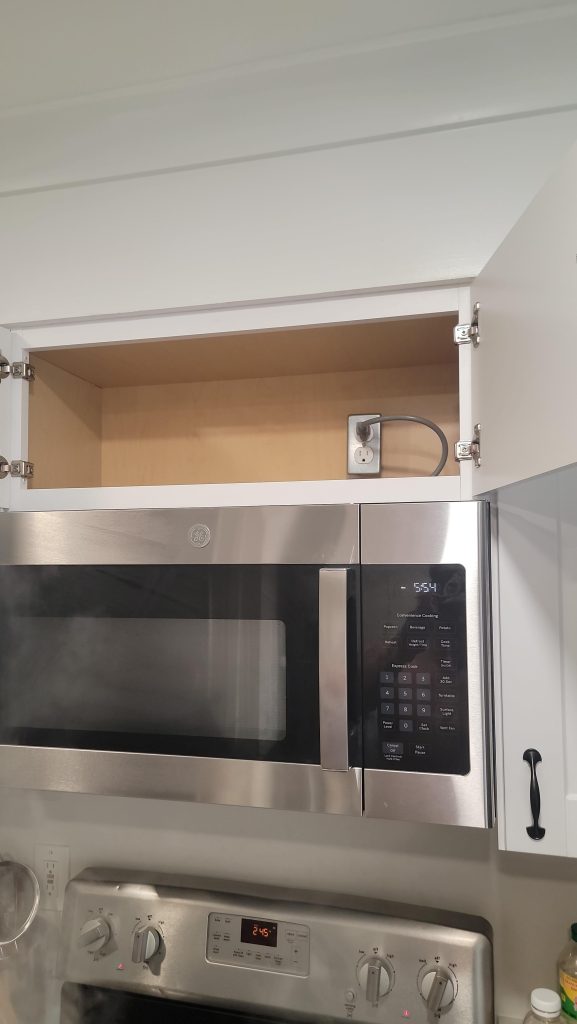
Have you ever wondered if your microwave oven needs to be vented? It’s a question that pops up more often than you’d think, especially if you’re planning a kitchen remodel or moving into a new place.
You might be asking yourself whether venting is necessary, or if it’s just another thing on the list that marketers want you to buy. In this post, we’re diving into the truth behind venting microwave ovens. Understanding this could save you time, money, and a whole lot of hassle.
Plus, it could even impact the way you cook your meals at home. Stick around as we uncover what you really need to know about venting your microwave oven.

Credit: www.reddit.com
How Microwave Ovens Work
Microwave ovens heat food using a special type of energy called microwaves. These microwaves are a form of electromagnetic waves that excite water molecules inside the food. The excited molecules create heat quickly, cooking the food from the inside out. This process makes microwaves fast and efficient for heating meals.
Inside the microwave oven, a device called a magnetron produces the microwaves. These waves bounce around the metal interior and penetrate the food. The oven’s design keeps the microwaves inside to prevent any leaks. This controlled environment helps cook food evenly and safely.
Microwave Energy Generation
The magnetron is the key component. It converts electrical energy into microwave radiation. The waves it creates have a frequency that targets water molecules. This frequency causes the molecules to vibrate rapidly, producing heat.
How Microwaves Heat Food
Microwaves penetrate the food about an inch deep. The water molecules in this area absorb the energy. As they vibrate, they generate heat. This heat then spreads to the rest of the food, warming it thoroughly.
Microwave Oven Ventilation
Microwave ovens produce some heat and steam inside. Some models have built-in vents to release this heat. These vents help keep the oven cool and prevent moisture buildup. Venting also reduces odors and smoke during cooking.
Types Of Microwave Venting
Understanding the types of microwave venting helps you decide what fits best in your kitchen setup. Each type has its own way of handling steam, smoke, and odors while you cook. Knowing these differences can save you from installation headaches and improve your cooking experience.
Vented Microwaves
Vented microwaves connect to an external vent or duct that pushes air outside your home. This setup efficiently removes smoke, steam, and cooking smells, keeping your kitchen air fresh. If your kitchen has existing ductwork or the option to add one, vented microwaves are a solid choice.
However, installing a vented microwave might require professional help and some remodeling. Think about whether you want to deal with the extra work for better ventilation or prefer a simpler setup.
Non-vented Microwaves
Non-vented microwaves, also called recirculating models, filter air through charcoal or mesh filters and then release it back into the kitchen. They don’t need ductwork, making them easier to install and ideal for apartments or spaces without external walls.
Keep in mind, these filters need regular cleaning or replacement to stay effective. If you often cook foods with strong odors or grease, non-vented microwaves might not keep your kitchen air as fresh as vented ones.
Combination Models
Combination models offer the best of both worlds by allowing you to switch between vented and non-vented modes. This flexibility suits homes where ducting might be added later or where you want more control over ventilation.
These microwaves often come with advanced features, but they may cost more upfront. Ask yourself if the added versatility matches your cooking habits and kitchen layout before investing.
When Venting Is Necessary
Knowing when your microwave oven needs venting can save your kitchen from lingering odors and excess moisture. Not all microwaves require venting, but certain setups and cooking styles make it essential. Understanding these situations helps you maintain a cleaner, fresher kitchen environment.
Built-in And Over-the-range Microwaves
Built-in and over-the-range microwaves often come with venting systems designed to remove smoke, steam, and cooking smells. These microwaves are usually installed above your stove, making venting necessary to handle the heat and fumes from stovetop cooking.
If your microwave has a vent, you’ll want to connect it to an external duct or use a recirculating charcoal filter, depending on your kitchen layout. Without proper venting, steam and grease can build up inside the microwave and on nearby surfaces, causing damage over time.
Cooking Habits And Venting Needs
Your cooking style plays a big role in whether venting is necessary. If you often steam vegetables, boil pasta, or cook foods that release strong odors, venting helps remove excess moisture and smells quickly.
On the other hand, if you mostly reheat leftovers or cook simple meals, venting may not be as critical. Think about how much smoke or steam your cooking produces. Does your kitchen feel humid or smell persistent after using the microwave? If yes, venting will improve your kitchen air quality significantly.
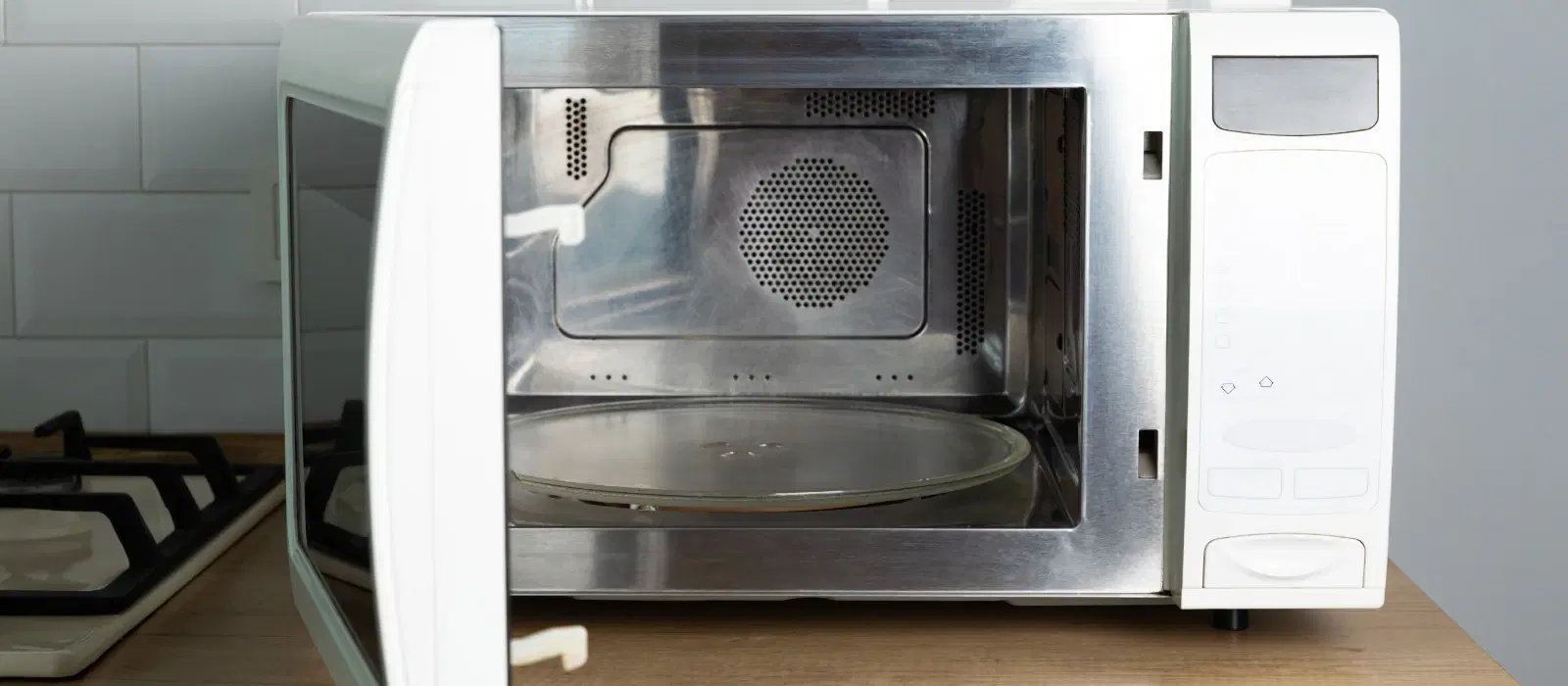
Credit: www.tataneu.com
Benefits Of Venting Microwaves
Venting microwaves offers several important benefits that improve your kitchen environment. It helps keep the air fresh and clean. Venting also protects your kitchen surfaces from damage caused by cooking fumes and grease. These advantages make venting a smart choice for many kitchens.
Reducing Odors And Smoke
Venting microwaves remove unpleasant odors from cooking. Smoke from burnt food or strong spices does not linger. The vent pulls air outside or filters it, keeping your kitchen smelling fresh. This reduces the need for extra cleaning and airing out the room. It creates a more comfortable space for cooking and dining.
Protecting Kitchen Surfaces
Cooking releases grease and moisture that can settle on walls and cabinets. Venting helps capture these particles before they stick. This prevents stains and damage to paint or wood. It also reduces the buildup of grime, which can be hard to clean. Venting extends the life of your kitchen surfaces and keeps them looking new longer.
Installation Considerations
Installing a microwave oven requires more than just finding a spot in your kitchen. You need to think about ventilation and space to ensure safety and performance. Poor installation can lead to overheating, poor air quality, and even damage to your microwave or kitchen walls.
Ducted Vs. Recirculating Vents
Choosing between ducted and recirculating vents affects how your microwave handles steam, smoke, and odors. Ducted vents push air outside your home, which is ideal if you want to keep your kitchen fresh and free of moisture. However, they need a direct path to an exterior wall, which might not be possible in every kitchen layout.
Recirculating vents filter air through charcoal or grease filters and then release it back into the kitchen. This option is easier to install but requires regular filter cleaning or replacement. Think about your kitchen’s layout: can you install a ducted vent easily, or would a recirculating vent save time and hassle?
Placement And Clearance
Where you place your microwave matters for both safety and convenience. Make sure you leave enough clearance around the microwave to allow heat to escape. Most manufacturers recommend at least 3 inches of space on all sides.
Also, consider the height. If the microwave is too high, it can be hard to reach safely, especially when handling hot dishes. On the other hand, placing it too low might waste valuable countertop space.
Have you checked the manufacturer’s installation instructions for minimum clearance requirements? Ignoring them can lead to overheating and shorten the life of your microwave. Planning carefully saves you from headaches later.
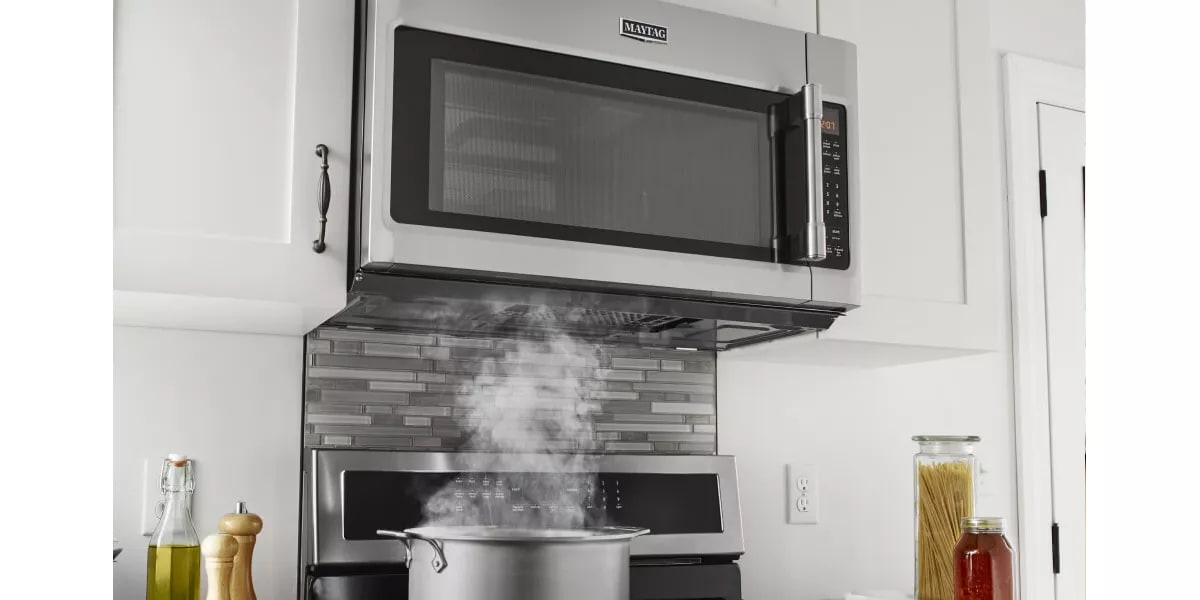
Credit: www.maytag.com
Common Misconceptions
Many people believe microwave ovens need to be vented like traditional stoves or ovens, but this is not always true. Misunderstandings about how microwaves work often lead to unnecessary worry or improper installations. Let’s clear up some of the most common myths surrounding microwave ventilation to help you make informed choices for your kitchen.
Microwaves Produce Smoke And Fumes That Must Be Vented
Microwaves heat food using electromagnetic waves, not open flames or direct heat. This means they don’t usually create smoke or fumes that require venting like a gas stove would.
However, if you’re using your microwave to cook or reheat greasy foods that might splatter, a small vent or exhaust fan can help manage odors and moisture. But for most everyday uses, venting is not essential.
All Over-the-range Microwaves Have Built-in Vents
Not all over-the-range microwaves come with effective ventilation systems. Some models recirculate air through charcoal filters without venting it outside, which might not remove moisture or odors completely.
If you expect your microwave to handle strong cooking smells, check if it vents externally or just recycles air. This distinction can affect your kitchen’s air quality and comfort.
A Microwave Without A Vent Can Cause Mold And Mildew
People often worry that lack of venting will trap moisture, leading to mold. While moisture buildup is possible in poorly ventilated kitchens, it’s rarely caused solely by the microwave.
Proper kitchen ventilation overall matters more. Opening windows or using a hood vent above your stove can prevent moisture problems better than relying on your microwave’s vent.
Microwaves Need Vents Because They Get Too Hot
Microwaves have built-in cooling fans designed to keep the appliance itself safe during use. This internal cooling system means external venting isn’t necessary to prevent overheating.
The heat generated mainly comes from the food, not the microwave unit. So, external vents serve more to manage kitchen air than to cool the microwave.
Maintaining Microwave Vent Systems
Maintaining your microwave’s vent system is key to keeping it running safely and efficiently. Neglecting this part can lead to poor air circulation, unpleasant odors, and even damage to your kitchen walls or cabinets. Regular care not only extends the life of your appliance but also ensures your cooking space stays fresh and clean.
Cleaning Filters
Filters trap grease and food particles, so cleaning them frequently is essential. You can remove most filters easily—check your microwave’s manual for guidance. Wash metal filters with warm, soapy water and let them dry completely before reinstalling.
Charcoal filters cannot be cleaned and must be replaced every few months depending on use. If you notice a persistent burnt smell or reduced ventilation, it might be time to swap them out. Do you know how often you last cleaned or replaced your microwave’s filters?
Checking For Blockages
Blockages in the vent ducts restrict airflow and cause your microwave to work harder than necessary. You can inspect the vent openings on the microwave and the exterior vent cap on your wall or roof. Remove any debris like dust, lint, or insect nests carefully using a soft brush or vacuum.
If the vent feels clogged or airflow seems weak, consider calling a professional to check inside the ducts. Have you ever noticed your microwave overheating or making unusual noises? These can be signs that the vent system needs attention.
Frequently Asked Questions
Do Microwave Ovens Require External Venting?
Most microwave ovens do not require external venting. They use a recirculating vent system with filters to clean the air. Only built-in or over-the-range microwaves might need venting to remove smoke or odors. Check your microwave model’s instructions for specific venting needs.
How Does Venting Affect Microwave Oven Safety?
Venting helps remove heat, steam, and cooking odors. Proper venting reduces moisture buildup and prevents kitchen damage. Without venting, grease and smoke can accumulate, causing odors or fire hazards. Over-the-range microwaves with vent fans improve air quality and safety.
Can Microwave Ovens Function Without Ventilation?
Yes, most microwaves work fine without external ventilation. They rely on internal fans and charcoal filters to control odors. However, over-the-range microwaves with built-in vents improve air circulation. Venting is more crucial for heavy cooking or grease-producing foods.
What Types Of Microwaves Need Venting?
Over-the-range microwaves typically need venting to the outside or recirculation. Built-in microwaves may require venting based on installation. Countertop microwaves generally do not need venting. Always follow manufacturer guidelines for proper venting and installation.
Conclusion
Microwave ovens usually do not need extra venting. Most models have built-in vents to handle steam and heat. Still, kitchens with little airflow might benefit from a vented microwave. Choosing the right microwave depends on your kitchen setup and cooking habits.
Proper ventilation helps keep your kitchen fresh and clean. Think about your space before buying a microwave oven. This way, you avoid moisture and odors while cooking. Simple steps make your kitchen safer and more comfortable.