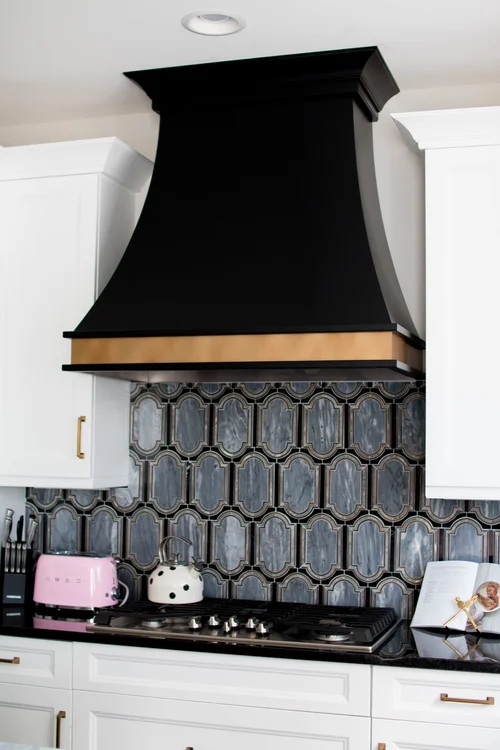
When it comes to creating a dream kitchen, every detail counts. One of the most crucial yet often overlooked features is the range hood.
You might wonder why it deserves your attention. Well, imagine cooking your favorite dish without the unwanted lingering odors or smoke clouding your space. That’s the magic of a good range hood. But with so many options available, how do you choose the right one?
What are the key features you should focus on? By understanding what to look for in a range hood, you can ensure a cleaner, fresher kitchen environment. Stay with us, as we delve into the essential factors that will guide you to the perfect choice, enhancing not just your kitchen’s functionality, but also its style and comfort.
Types Of Range Hoods
Choosing the right type of range hood can change how your kitchen feels and functions. Each style offers unique benefits that suit different kitchen layouts and cooking habits. Understanding these options helps you pick one that fits your space and meets your needs.
Wall-mounted Hoods
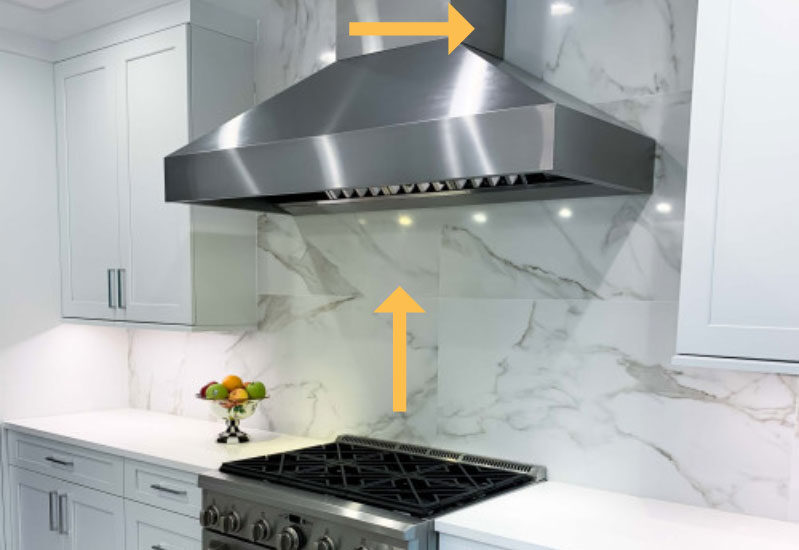
Wall-mounted hoods attach directly to the wall above your stove. They are great if your stove is against a wall and you want a strong ventilation system. These hoods often have a powerful fan and a striking design that can become a kitchen focal point.
Have you noticed how some kitchens have that sleek, modern look with a stainless steel hood standing out? That’s usually a wall-mounted hood at work, pulling smoke and odors up and away efficiently.
Under-cabinet Hoods
Under-cabinet hoods fit snugly beneath your kitchen cabinets. They save space and blend into your existing cabinetry for a cleaner look. If you want something less visible but still effective, this type could work well for you.
Keep in mind, these hoods might have less powerful fans compared to wall-mounted models but are perfect for moderate cooking needs. They also often come with built-in lighting, adding extra brightness to your cooking area.
Island Hoods
Island hoods hang from the ceiling above a cooktop located on a kitchen island. This type is ideal if your stove is in the center of the room and you need ventilation from above. Island hoods usually have a bold design because they are visible from all sides.
Think about your kitchen layout—does your cooking happen in the middle of the room? If yes, an island hood might be your best friend for keeping the air fresh and clean.
Downdraft Hoods
Downdraft hoods are hidden in the countertop and rise only when you need them. This option suits kitchens where a traditional hood might block views or disrupt the space. They pull smoke and steam downwards instead of upwards.
While they are less common, downdraft hoods can be very effective in certain layouts. Ask yourself if you want a hood that disappears when not in use and whether your kitchen design supports this unique setup.
Ventilation Power
Ventilation power is a key factor in choosing the right range hood. It ensures smoke, odors, and grease leave your kitchen fast. Proper ventilation keeps air clean and your cooking area fresh. A range hood with enough power makes cooking safer and more pleasant.
Cfm Ratings Explained
CFM stands for cubic feet per minute. It measures how much air the hood moves each minute. A higher CFM means stronger ventilation. For most kitchens, a range hood with 300 to 600 CFM works well. Larger kitchens or heavy cooking need higher CFM ratings.
To calculate needed CFM:
- Multiply the width, depth, and height of your kitchen.
- Multiply the result by the number of air changes per hour (usually 15).
- Divide by 60 to get the CFM.
This gives a good estimate of ventilation power for your space.
Choosing Based On Cooking Style
Your cooking style affects the ventilation power needed. Light cooking, like boiling or steaming, needs less power. Heavy cooking, such as frying or grilling, creates more smoke. It requires a stronger range hood.
Consider these points:
- Frequent frying or grilling needs at least 600 CFM.
- Simple cooking may work with 300 to 400 CFM.
- Gas stoves often need higher CFM than electric ones.
Match your hood’s power to your cooking habits for best results.
Noise Levels
Noise levels play a big role in choosing a range hood. A loud hood can disturb your kitchen time and conversations. Quiet models help keep your kitchen calm and peaceful. Understanding noise ratings and features can guide you to a better choice.
Decibel Ratings
Decibel (dB) ratings measure how loud a range hood is. The lower the decibel number, the quieter the hood. Typical range hoods run between 40 and 70 dB. Around 40-50 dB is similar to a quiet office or library. Over 60 dB can feel noisy and distracting.
Check product labels or manuals for decibel levels. Compare these numbers across models to find quieter options. Keep in mind, louder models may offer stronger suction but cause more noise.
Quiet Operation Features
Some range hoods have special parts to reduce noise. Look for features like:
- Brushless motors that run smoothly and quietly
- Sound-absorbing insulation inside the hood
- Variable speed settings to lower fan speed and noise
- Anti-vibration mounts to reduce rattling sounds
These features help keep noise low without losing power. Choosing a range hood with quiet operation means less distraction while cooking.
Filter Options
Choosing the right filter for your range hood affects air quality and maintenance. Filters trap grease, smoke, and odors from cooking. Different filters suit different cooking styles and kitchen needs. Understanding filter types helps pick the best option for your home.
Metal Mesh Filters
Metal mesh filters are common in many range hoods. They capture grease and oil particles effectively. Made from aluminum or stainless steel, these filters are durable and long-lasting. They allow good airflow, helping the hood work efficiently.
These filters are reusable and easy to clean. You can wash them with warm water and soap. Some are dishwasher safe, which saves time. Regular cleaning keeps them working well and prevents buildup.
Charcoal Filters
Charcoal filters remove odors and smoke from the air. They use activated carbon to absorb smells. These filters do not trap grease, so they often work with metal mesh filters.
Charcoal filters are not washable. They need replacement every few months. Their lifespan depends on cooking frequency and type of food. They are ideal for kitchens without outside venting.
Ease Of Cleaning
Cleaning filters is key to maintaining your range hood’s performance. Filters that are easy to remove and clean save time and effort. Metal mesh filters clean well with simple washing methods.
Check if the filter fits your dishwasher or needs hand washing. Charcoal filters require regular replacement, which involves less cleaning but ongoing costs. Choose filters that match your cleaning preferences and lifestyle.
Lighting Features
Lighting features in a range hood play a crucial role in your cooking experience. Good lighting helps you see what you’re doing clearly, making food preparation safer and more enjoyable. It’s not just about brightness; the type and adjustability of the lights can greatly impact your kitchen atmosphere and efficiency.
Types Of Lights
Range hoods come with different lighting options such as LED, halogen, and incandescent bulbs.
- LED lightsare energy-efficient and last a long time. They provide bright, clear light without heating up your cooking area.
- Halogen bulbsoffer a warm glow and good brightness but use more energy and can get hot.
- Incandescent bulbsare less common now because they consume more power and have shorter lifespans, but they do offer a cozy light.
Think about how you use your kitchen. Do you want bright, white light that mimics daylight, or a softer, warmer glow? Choosing the right type affects both your cooking precision and your kitchen’s ambiance.
Adjustable Brightness
Not all lighting needs to be at full strength all the time. Adjustable brightness lets you control the light level based on what you’re cooking or the time of day.
Some range hoods come with dimmers or multiple lighting settings. This flexibility can reduce glare while still giving you enough light to see details clearly.
Imagine simmering a sauce at night. You don’t need harsh overhead light, but a gentle glow helps you monitor the food without disturbing the relaxed mood. Do you prefer lights that you can easily adjust, or are fixed settings enough for your needs?
Credit: blog.yaleappliance.com
Size And Design
Choosing the right size and design for your range hood is key to both functionality and style in your kitchen. A well-sized hood will efficiently capture smoke and odors, while the design complements your cooking space’s look. Let’s break down how to get these two crucial elements just right for your home.
Matching Cooktop Size
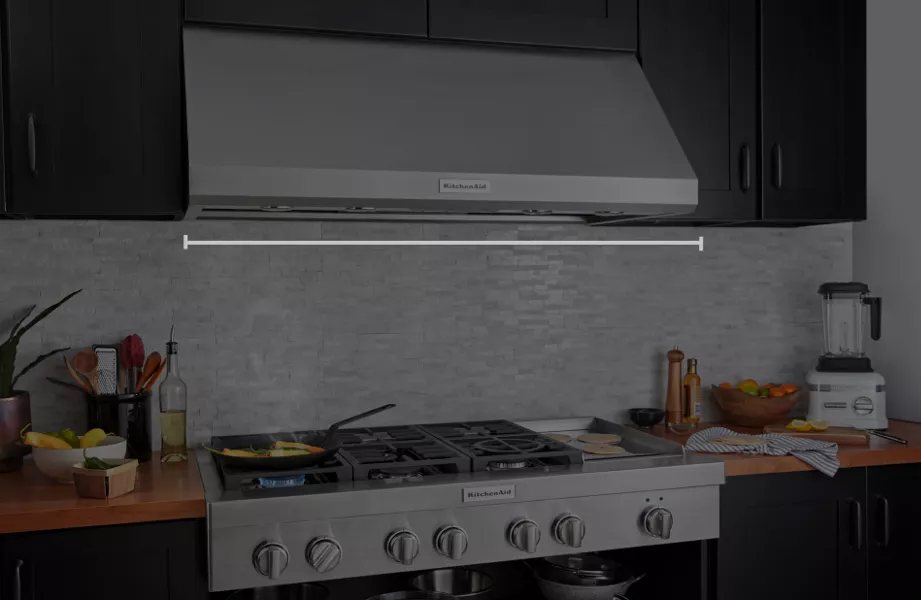
Your range hood should be as wide as your cooktop or slightly wider. This ensures it captures all the steam and smoke without leaving gaps. For example, if you have a 30-inch cooktop, aim for a 30 to 36-inch hood.
Going smaller than your cooktop can reduce efficiency. On the other hand, a hood that’s too large might overpower the kitchen visually and waste energy. Think about your cooking habits—do you often use multiple burners at once? That might mean you need a larger hood to keep your kitchen fresh.
Material And Finish Choices
The material and finish of your range hood affect both durability and style. Stainless steel is a popular choice because it’s easy to clean and matches most appliances. However, if you want something unique, consider copper or painted finishes.
Remember, your hood’s finish should coordinate with other kitchen elements like cabinet handles, faucets, or light fixtures. This creates a cohesive look that feels intentional. What materials do you already have in your kitchen? Matching or contrasting can both work well depending on your style.
Control Types
Choosing the right control type for your range hood affects how easily you operate it every day. Controls are more than just buttons; they shape your cooking experience and convenience. Consider how you interact with your kitchen gadgets and what feels most natural for you.
Push Buttons
Push buttons are the classic choice for range hoods. They offer clear tactile feedback, so you know immediately when a setting changes.
These controls are straightforward and usually very durable. If you prefer something simple and reliable, push buttons might be the best fit.
Have you ever struggled with a slick touch panel while your hands are messy? Push buttons don’t require perfect precision, which can be a big plus during busy cooking sessions.
Touch Controls
Touch controls provide a sleek, modern look that many homeowners love. They allow for smooth, easy operation and often include features like dimming lights or variable fan speeds.
However, touch panels can be less responsive if your fingers are wet or greasy. Cleaning is easy but requires regular wiping to keep the surface clear.
If you value style and easy access to multiple functions, touch controls offer a nice balance. Would you prefer a minimalist design or something more tactile?
Remote And Smart Controls
Remote and smart controls bring convenience to the next level. You can adjust fan speed or lighting without leaving your seat or even before entering the kitchen.
Some models connect to your smartphone or voice assistants, letting you control the hood with simple commands. This is especially useful if you cook often and want hands-free operation.
Keep in mind, these features often come at a higher price and may require Wi-Fi setup. But if you enjoy tech that adapts to your lifestyle, smart controls can make a big difference.

Credit: simplifykitchenco.com
Energy Efficiency
Energy efficiency in a range hood isn’t just about saving on your electricity bill—it’s about creating a smarter kitchen that works better for you. Choosing an energy-efficient model reduces waste and helps maintain a comfortable environment while cooking. But how do you identify a range hood that truly saves energy without compromising performance?
Energy Star Ratings
Look for range hoods with the Energy Starlabel. This certification means the appliance meets strict energy efficiency guidelines set by the U.S. Environmental Protection Agency.
Energy Star-rated range hoods use advanced motors and controls to reduce power consumption. This translates into significant savings over time, especially if you cook frequently.
Would you prefer a range hood that quietly handles smoke and odors using less energy? Models with this rating often deliver powerful ventilation while using up to 70% less energy than standard units.
Led Lighting Benefits
Lighting is a key feature of any range hood, and choosing one with LED lights makes a big difference in energy use.
LED bulbs use far less electricity than traditional incandescent or halogen bulbs. They also last much longer, which means fewer replacements and less hassle for you.
Besides efficiency, LED lighting provides bright, clear illumination over your cooking area. This helps you see better when preparing meals, improving safety and precision.
Could a simple lighting upgrade reduce your kitchen’s energy footprint? Opting for a range hood with LED lighting is an easy way to do just that while enhancing your cooking experience.
Installation Considerations
Installing a range hood requires careful thought to ensure it fits your kitchen setup. Consider how the hood vents air and the ease of installation. These factors affect performance and convenience.
Ducted Vs. Ductless Setup
Ducted range hoods vent air outside your home. They remove smoke, heat, and odors effectively. This setup needs a duct system and proper vent placement.
Ductless hoods filter air through charcoal or carbon filters. They recirculate clean air back into the kitchen. This option suits kitchens without external vent access.
- Ducted:Better air removal, requires ductwork installation.
- Ductless:Easier to install, needs regular filter changes.
Professional Vs. Diy Installation
Professional installation ensures the range hood is safely and correctly installed. Experts handle electrical wiring and ductwork, reducing risks.
DIY installation saves money and can be satisfying. It suits those with basic tools and skills. Follow the manufacturer’s instructions closely for safety.
- Professional:More costly, guarantees correct setup.
- DIY:Cost-effective, requires time and care.
Credit: www.kitchenaid.com
Frequently Asked Questions
What Size Range Hood Do I Need For My Stove?
Choose a range hood at least as wide as your stove. Ideally, it should be 3 inches wider on each side. This ensures effective smoke and odor capture. Proper sizing improves ventilation efficiency and kitchen air quality.
How Much Ventilation Power Is Enough For A Range Hood?
Aim for a range hood with 100 CFM per linear foot of stove. Higher CFM means better air extraction. Consider your cooking style and kitchen size to pick the right power level.
Should I Choose Ducted Or Ductless Range Hoods?
Ducted hoods vent air outside, offering better odor removal. Ductless hoods recirculate filtered air, easier to install. Choose based on your kitchen layout, ventilation needs, and installation preferences.
What Noise Level Is Acceptable For A Range Hood?
Look for a range hood with noise levels below 60 decibels. Lower noise ensures a comfortable cooking environment. Many models offer quieter operation without sacrificing performance.
Conclusion
Choosing the right range hood makes cooking safer and cleaner. Focus on size, power, noise, and style. A good hood removes smoke and odors quickly. Easy cleaning and good lighting matter a lot too. Think about your kitchen space and cooking habits.
A suitable range hood helps keep your kitchen fresh. Take time to compare options before buying. This small effort leads to a better cooking experience.