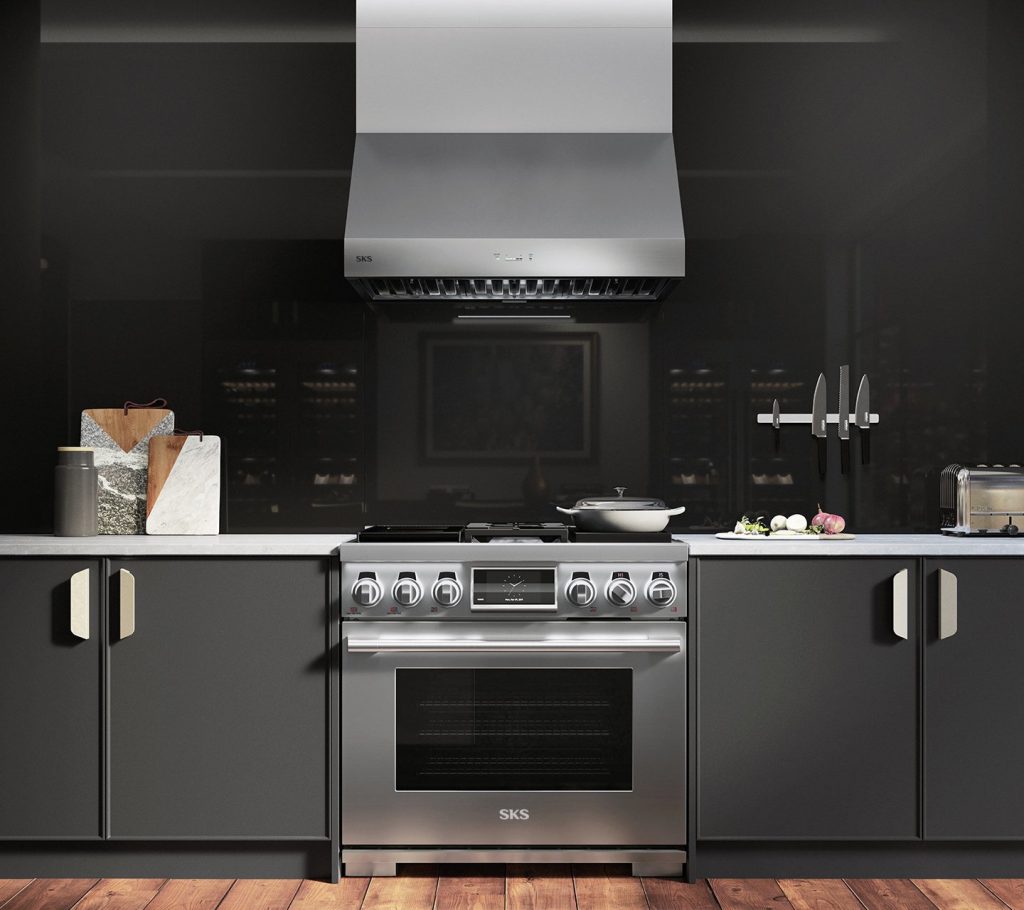
Imagine cooking your favorite meal without worrying about smoke, steam, or lingering odors. Sounds perfect, right?
That’s the magic of a range hood. But what exactly is a range hood, and why should you care? You’ll discover how this essential kitchen appliance can transform your cooking space into a haven of cleanliness and comfort. You’ll learn not only what a range hood is, but also how it benefits your daily life by improving air quality and enhancing kitchen aesthetics.
Stay with us, and you’ll see why a range hood might just be the missing piece in your dream kitchen.
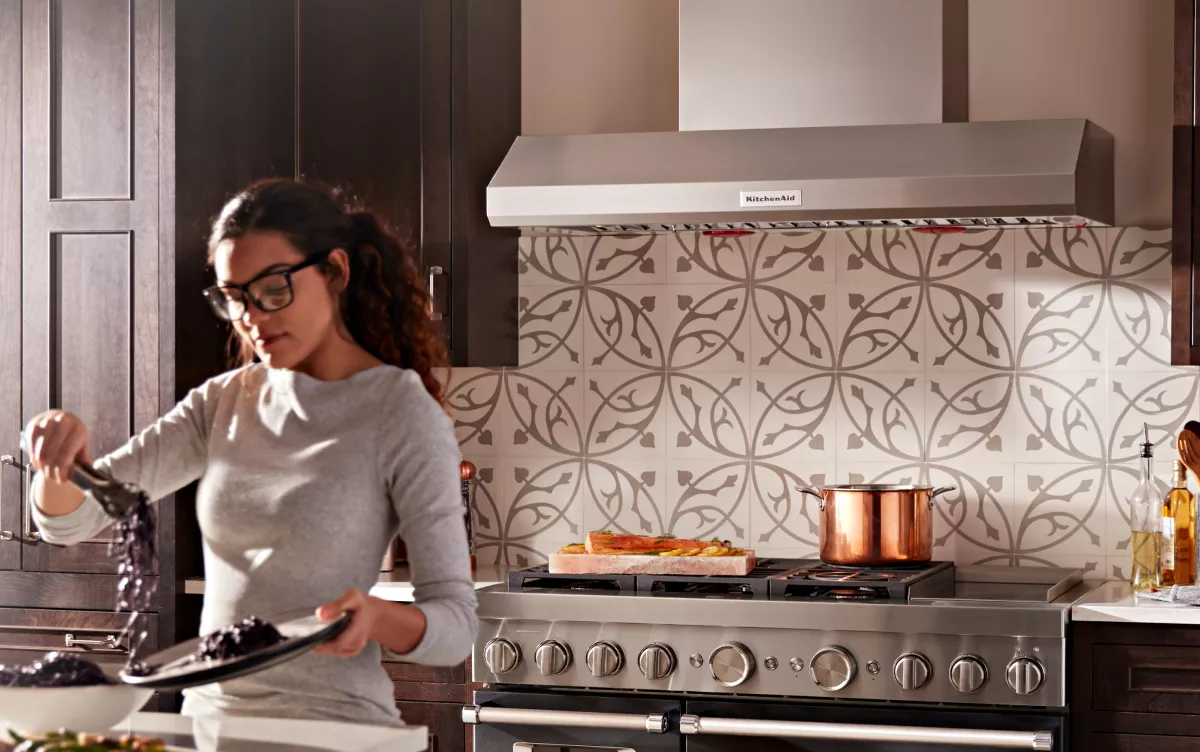
Credit: www.kitchenaid.com
What A Range Hood Does
A range hood is a kitchen appliance that helps keep the air clean and fresh. It works by pulling out smoke, steam, and smells created while cooking. This device makes the kitchen more comfortable and safer to cook in. Understanding what a range hood does can help you see why it is important in every kitchen.
Removing Smoke And Odors
Range hoods remove smoke produced by frying, grilling, or boiling. They suck up cooking smells that can linger in the kitchen and home. This stops the air from becoming heavy or unpleasant. It helps your kitchen stay fresh even after cooking strong-smelling foods.
Reducing Heat And Moisture
Cooking creates heat and moisture, which can make the kitchen uncomfortable. A range hood pulls out hot air and steam quickly. This keeps the kitchen cooler and reduces dampness. Less moisture helps prevent mold and damage to walls or cabinets.
Improving Air Quality
Range hoods filter out harmful particles and gases in the air. They remove grease and tiny dust from cooking fumes. This leads to cleaner air, making it easier to breathe. Good air quality also helps reduce allergies and respiratory problems.
Credit: www.abt.com
Types Of Range Hoods
Range hoods come in different designs to fit various kitchen layouts and needs. Each type offers unique features and installation styles. Choosing the right type improves air quality and kitchen comfort.
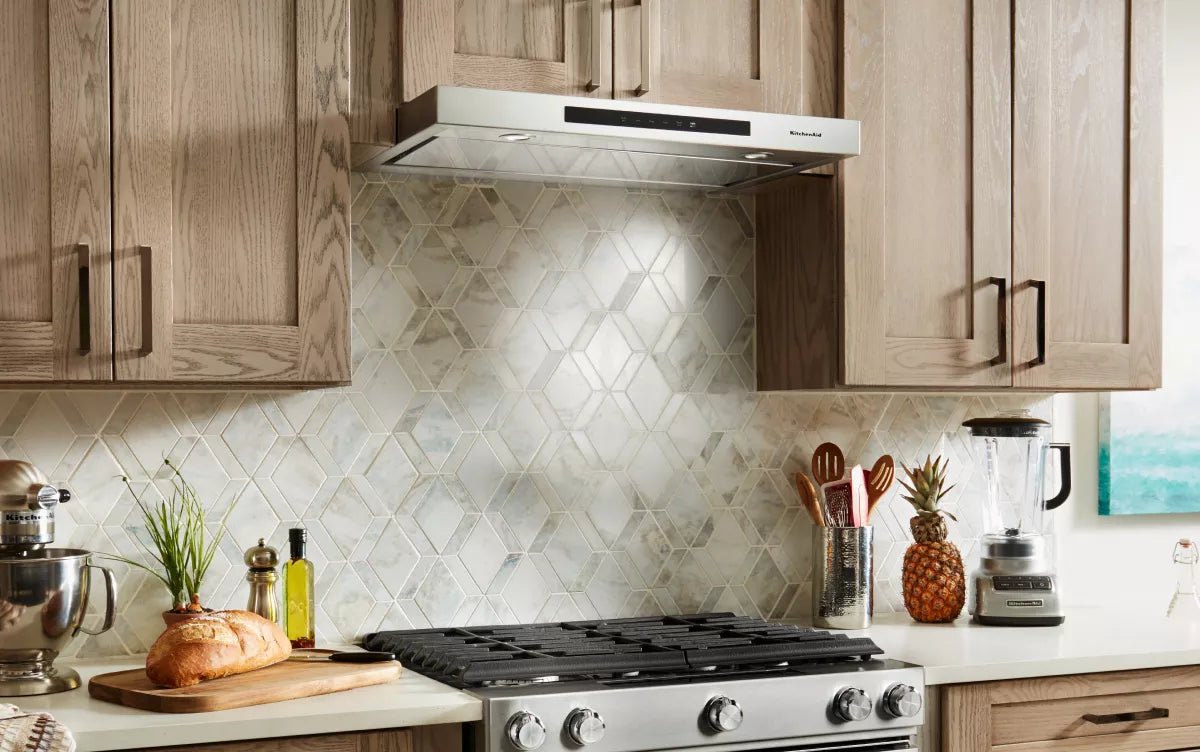
Under-cabinet Hoods
Under-cabinet hoods fit beneath kitchen cabinets. They save space and blend with cabinetry. These hoods are common in smaller kitchens. They provide good ventilation and lighting over the stove.
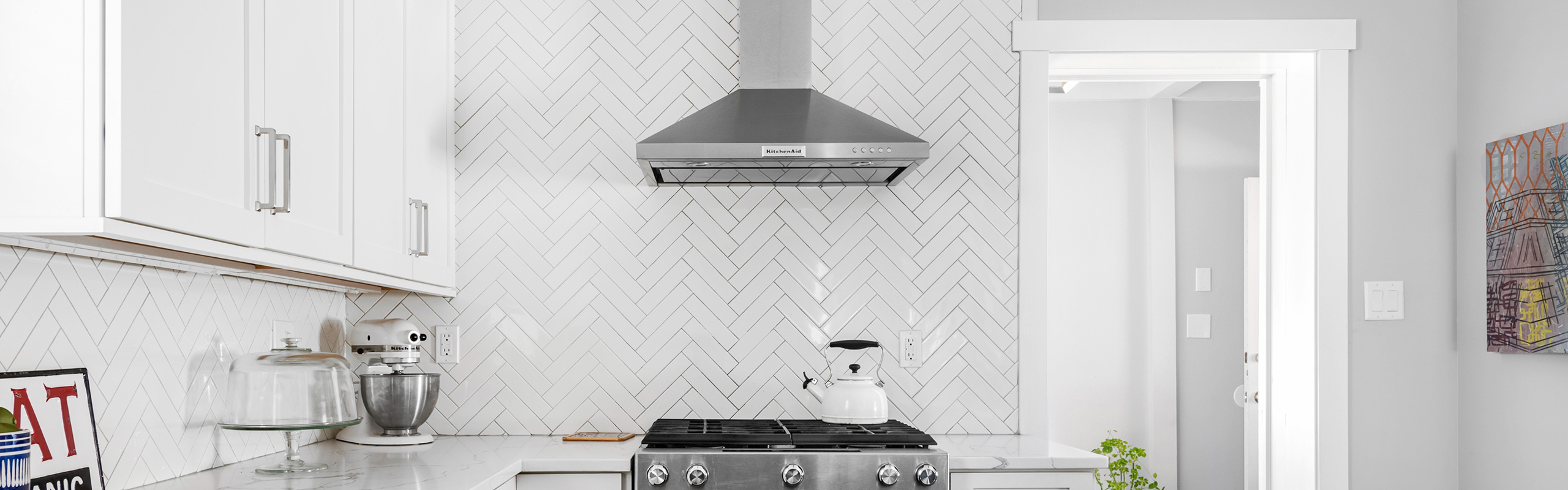
Wall-mounted Hoods
Wall-mounted hoods attach directly to the wall above the stove. They often have a chimney that vents outside. These hoods can be stylish and powerful. They work well in kitchens where cabinets do not surround the stove.
Island Hoods
Island hoods hang from the ceiling above an island cooktop. They offer ventilation in open kitchens. These hoods come in various shapes and sizes. They become a kitchen focal point while removing smoke and odors.
Downdraft Hoods
Downdraft hoods pull air downward through vents behind the cooktop. They are hidden when not in use. These hoods suit kitchens without overhead space for traditional hoods. They help keep counters clear and air fresh.
Key Features To Consider
Choosing the right range hood means knowing what features matter most. These features affect how well the hood cleans your kitchen air. They also impact noise, maintenance, and how your cooking area looks. Focus on a few key points for the best fit.
Ventilation Power And Cfm
Ventilation power shows how much air the hood moves. It is measured in CFM (cubic feet per minute). Higher CFM means stronger air suction. A good range hood should match your stove’s size and cooking style. For heavy cooking, choose at least 400 CFM. For light cooking, 200-300 CFM can work well.
Noise Levels
Noise can be a big issue in kitchens. Look for a range hood with low decibel (dB) ratings. Quiet models run around 40-60 dB. Loud hoods can disturb conversations and relax time. Check product reviews for real noise feedback.
Filter Types
Filters trap grease, smoke, and odors. Common types include:
- Mesh filters – easy to clean and effective.
- Charcoal filters – remove odors well but need replacement.
- Baffle filters – durable and good for heavy grease.
Choose filters that fit your cooking needs and maintenance habits.
Lighting Options
Good lighting helps see your cooking clearly. Many range hoods have built-in lights. LED lights save energy and last longer. Some models offer adjustable brightness. Pick a hood with lighting that suits your kitchen’s style and use.
Credit: akicon.com
Benefits Of Kitchen Ventilation
Kitchen ventilation plays a key role in maintaining a safe and comfortable cooking space. Proper ventilation removes smoke, odors, and airborne grease from the kitchen. It helps improve air quality and keeps the environment fresh. Beyond air cleaning, ventilation protects kitchen surfaces and enhances cooking comfort.
Health Advantages
Ventilation reduces harmful gases and smoke in the kitchen air. It lowers the risk of breathing problems and allergies. Removing moisture also prevents mold growth. Clean air supports a healthier home environment for everyone.
Protecting Kitchen Surfaces
Ventilation stops grease and moisture from settling on walls and cabinets. This prevents stains and damage to paint or wood. Keeping surfaces clean extends their lifespan. It also reduces frequent cleaning needs.
Enhancing Cooking Experience
Good ventilation removes strong cooking smells quickly. It keeps the kitchen comfortable and smoke-free. This allows cooks to focus on their tasks. A fresh kitchen improves the overall cooking mood.
Energy Efficiency
Modern kitchen vents use less power while working effectively. Efficient ventilation reduces heat buildup, lowering cooling costs. It helps maintain a balanced indoor temperature. Energy-saving vents contribute to lower utility bills.
Installation And Maintenance Tips
Installing and maintaining a range hood correctly ensures better air quality and kitchen safety. Proper setup enhances its performance and extends its life. Regular upkeep keeps it efficient and prevents odors or grease buildup.
Proper Placement
Place the range hood 24 to 30 inches above the cooking surface. This height captures smoke and steam effectively. Avoid placing it too high or low, as it reduces efficiency. Center the hood over the stove for best results.
Ducted Vs. Ductless Systems
Ducted hoods vent air outside, removing heat and odors completely. They require ductwork and professional installation. Ductless hoods filter air and recirculate it back inside. They are easier to install but less effective at removing moisture and smoke.
Cleaning Filters
Clean filters every month to keep airflow clear. Metal filters can be washed with warm, soapy water. Charcoal filters need replacement every 3 to 6 months. Dirty filters block air and reduce suction power.
Routine Inspections
Inspect the range hood every few months. Check for loose screws and clean the fan blades. Test the lights and switches to ensure they work well. Early detection of problems avoids costly repairs later.
Choosing The Right Range Hood
Choosing the right range hood can transform your cooking experience by improving air quality and adding style to your kitchen. It’s not just about picking the most powerful or the flashiest model. You need to consider practical factors that fit your space, budget, and personal taste.
Matching Kitchen Size
Size matters when selecting a range hood. A small kitchen won’t benefit from an oversized hood that overwhelms the space and wastes energy. Conversely, a large kitchen or a powerful stove needs a hood with enough capacity to clear smoke and odors efficiently.
Measure your cooktop width and look for a hood that’s at least the same size or slightly wider. This ensures better coverage and performance. Ask yourself: does the hood’s airflow capacity match the size and type of cooking you do daily?
Budget Considerations
Range hoods come in a wide price range—from affordable models to high-end designer pieces. Decide how much you’re willing to invest before you start shopping. Remember, a higher price doesn’t always mean better performance.
Think about what features matter most to you: noise level, ease of cleaning, lighting, or smart controls. Sometimes spending a bit more upfront saves money later on repairs or replacements. What features can you not live without?
Style And Design
Your range hood should complement your kitchen’s overall look. Whether you prefer sleek stainless steel, classic wood finishes, or bold colors, options abound. The right style can make your range hood a centerpiece rather than an afterthought.
Consider the hood’s shape too—wall-mounted, island, under-cabinet, or insert models each suit different layouts. Visualize how it fits with your cabinets, countertops, and appliances. Does the style enhance your kitchen’s personality or clash with it?
Brand Reputation
Choosing a brand known for quality and customer service reduces the risk of disappointment. Some brands excel in durability and quiet operation, while others offer innovative features or better warranties.
Read reviews and ask around for real user experiences. A reliable brand often means easier access to replacement parts and professional support. Are you comfortable investing in a brand that stands behind its products?
Frequently Asked Questions
What Is A Range Hood Used For?
A range hood removes smoke, odors, and grease from cooking air. It improves kitchen air quality and ventilation. It also helps reduce heat and moisture while cooking, making the kitchen more comfortable and clean.
How Does A Range Hood Work?
A range hood uses a fan and filters to capture airborne grease, smoke, and odors. It either vents air outside or recirculates it after filtering. This process keeps kitchen air fresh and reduces contaminants.
What Are Common Types Of Range Hoods?
Common types include wall-mounted, island, under-cabinet, and downdraft hoods. Each type suits different kitchen layouts and ventilation needs. Choosing the right hood depends on cooking style and kitchen design.
Why Is Range Hood Ventilation Important?
Proper ventilation removes harmful pollutants and excess heat from cooking. It prevents smoke buildup and improves indoor air quality. Effective ventilation also protects kitchen surfaces from grease and moisture damage.
Conclusion
A range hood helps keep your kitchen air fresh and clean. It removes smoke, steam, and odors while cooking. This device also reduces grease buildup on walls and cabinets. Choosing the right range hood improves your cooking experience. It makes your kitchen safer and more comfortable.
Remember, a good range hood is a smart kitchen addition. It works quietly and efficiently to protect your home. Simple, useful, and effective—range hoods make cooking better every day.