Are you planning a kitchen upgrade or building a new home? If so, you might be considering installing a range hood.
But how much should you budget for this essential kitchen appliance? Understanding the cost of installing a range hood can be confusing, with so many options and factors to consider. This guide is here to help you navigate through the maze of pricing, ensuring you get the best value for your money.
We’ll break down the costs, highlight what influences the price, and offer tips to help you make an informed decision. By the end of this post, you’ll have a clear picture of what to expect, helping you plan your kitchen project with confidence. Ready to dive in and discover how much it really costs to install a range hood? Let’s get started!
Range Hood Types And Costs
Choosing the right range hood involves understanding the different types available and their associated costs. Each style offers unique features and fits specific kitchen layouts. Knowing these options helps you budget wisely and pick a hood that matches your cooking habits and space.
Wall-mounted Hoods
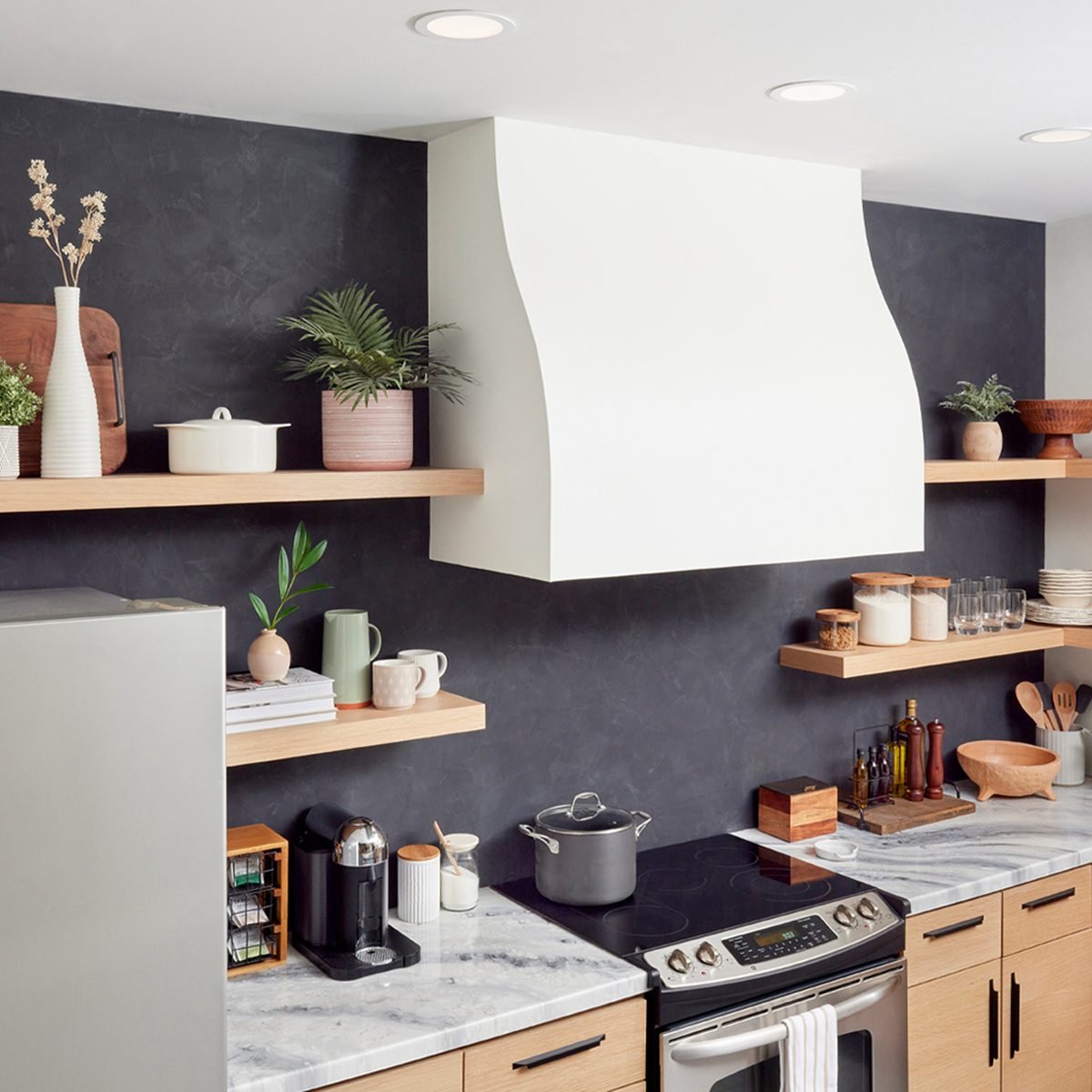
Wall-mounted hoods attach directly to the wall above your stove. They are popular for their strong ventilation and stylish designs. Prices generally range from $300 to $1,200, depending on size and brand.
If your stove is against a wall and you want powerful extraction, this type suits you well. Installation can be straightforward if ductwork is already in place, but costs rise with complex venting.
Under-cabinet Hoods
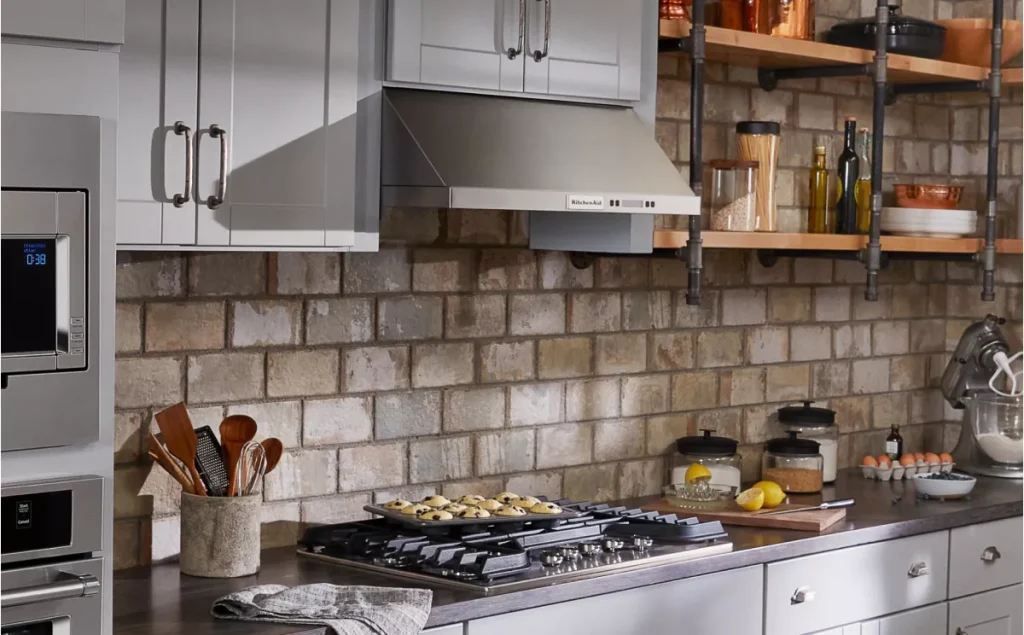
Under-cabinet hoods fit beneath your kitchen cabinets, offering a compact look. They cost between $150 and $700, making them a budget-friendly choice. These are ideal if you want ventilation without sacrificing overhead storage.
Keep in mind, installation might require modifications to your cabinets. You should consider the hood’s noise level since some models can be loud in smaller kitchens.
Island Hoods
Island hoods hang from the ceiling over a cooking island. They tend to be more expensive, with prices from $700 up to $2,500. Their design focuses on aesthetics and powerful ventilation for open kitchen layouts.
Are you cooking on an island? Then this type ensures smoke and odors don’t spread across your open space. However, installation involves ceiling support and ductwork, which can increase costs.
Downdraft Hoods
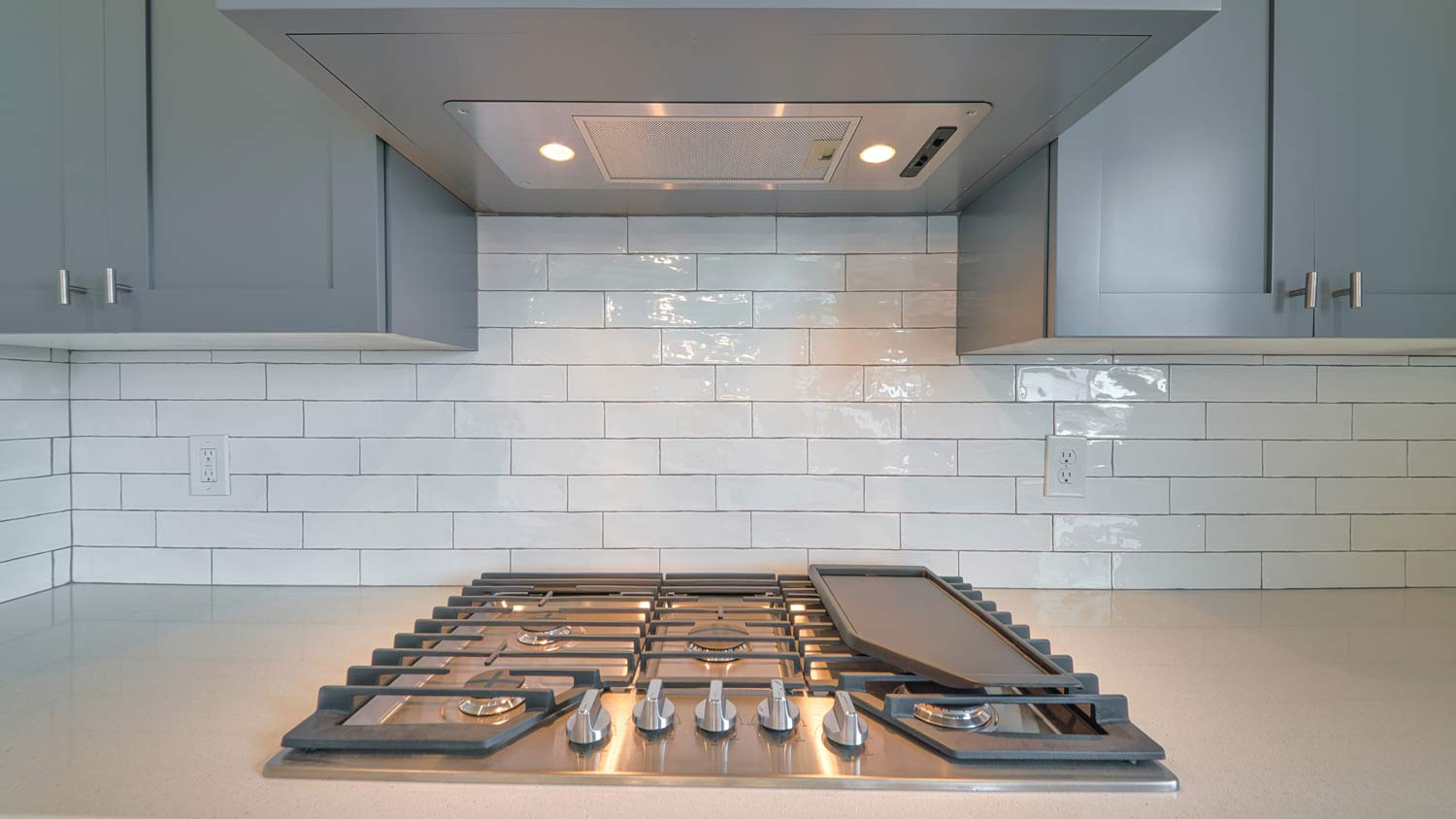
Downdraft hoods retract into the countertop and pull air downwards. They cost between $400 and $1,200, often used where overhead hoods aren’t feasible. This can be a smart choice for sleek kitchens with limited upper space.
Think about how often you cook heavy-smoke meals; downdrafts may struggle with heavy ventilation. Their installation is more complex and often pricier due to the hidden mechanism.
Credit: www.angi.com
Factors Influencing Installation Costs
Several factors affect the total cost of installing a range hood. Understanding these elements helps estimate your budget better. Costs vary based on the complexity of the installation and your kitchen’s setup.
Some homes need extra work to fit the new hood. Others may need electrical or structural changes. Each factor adds different amounts to the final price.
Ductwork Requirements
Installing or modifying ductwork can increase costs significantly. Running ducts through walls or ceilings takes time and skill. Longer or more complex duct routes raise labor and material expenses.
Some kitchens have no existing ducts, requiring new vents. Venting to the outside is essential for proper airflow. Improper ductwork lowers the hood’s efficiency.
Electrical Upgrades
Range hoods need proper electrical connections and sometimes new circuits. Older homes may lack adequate wiring or outlets. An electrician may install dedicated breakers or outlets, adding to costs.
Upgrading electrical systems ensures safety and compliance with codes. This work usually requires permits and inspections, which can raise expenses.
Kitchen Layout Challenges
Kitchen design affects installation ease and price. Tight spaces, unusual angles, or high ceilings require more labor. Moving cabinets or appliances can add complexity and cost.
Custom installations or adjustments to existing structures take extra time. This work demands skill and precision, influencing the total bill.
Permits And Inspections
Local building codes often require permits for range hood installation. These permits cover electrical and ventilation work. Obtaining permits involves fees that vary by location.
Inspections ensure the installation meets safety and code standards. Failing inspections means corrections, increasing time and cost. Always check local rules before starting the project.
Diy Vs Professional Installation
Deciding between DIY and professional installation for your range hood affects cost, time, and results. Both options have clear benefits and challenges. Choosing the right approach depends on your skills, tools, and kitchen setup.
Pros And Cons Of Diy
- Pros:Save money on labor costs. Learn new skills. Complete the project on your schedule.
- Cons:Requires tools and experience. Risk of improper installation. May void warranty or cause safety issues.
When To Hire A Pro
- Complex ductwork or electrical wiring needed.
- Unfamiliar with local building codes.
- Limited tools or time for the project.
- Want a guaranteed, safe installation.
Average Labor Costs
| Installation Type | Cost Range | Notes |
|---|---|---|
| Basic Wall-Mounted Hood | $150 – $300 | Simple venting, minimal wiring |
| Under-Cabinet Hood | $100 – $250 | Less complex, often plug-in models |
| Island or Ceiling-Mounted Hood | $300 – $600 | Requires ceiling support and ductwork |
Credit: www.familyhandyman.com
Additional Costs To Consider
Installing a range hood involves more than just the initial price tag. Several extra costs can affect your total spending. These additional expenses often catch homeowners by surprise. Planning for these can help you manage your budget better and avoid unexpected bills. Here are some common extra costs to consider.
Ventilation Accessories
Ventilation accessories improve the performance of your range hood. Ductwork, vents, and covers may need to be purchased separately. The type of ducting material influences the cost. Flexible ducts cost less but may reduce efficiency. Rigid metal ducts last longer but are pricier. Wall or roof caps are also necessary for proper airflow. These parts can add a few hundred dollars to your project.
Noise Reduction Features
Range hoods can be noisy, especially powerful models. Noise reduction features help create a quieter kitchen. Sound-absorbing liners and quieter motors come at an extra cost. Some hoods include built-in noise dampeners for a higher price. Investing in these features improves comfort during cooking. Consider your noise tolerance before choosing extras.
Maintenance And Repairs
Regular maintenance keeps your range hood working well. Cleaning filters and checking fan performance are common tasks. Some parts wear out over time and need replacement. Filters, lights, and motors may require repairs or swaps. Budgeting for maintenance avoids costly repairs later. Hiring a professional for upkeep can add to your expenses.
Cost Estimates By Range Hood Size
Range hood costs vary based on the size you need. Size impacts the price of both the hood and its installation. Smaller models usually cost less but have limited power. Larger hoods cover more area and cost more to install. Understanding price ranges by size helps plan your budget well.
Small Range Hoods
Small range hoods suit compact kitchens or small cooktops. Their size usually ranges from 20 to 30 inches. Installation costs for small hoods tend to be lower due to simpler setups. Expect total costs between $150 and $400. These hoods offer basic ventilation and are easier to maintain.
Medium Range Hoods
Medium range hoods fit standard kitchens and cooktops around 30 to 36 inches. They provide better airflow and more features than small models. Installation can be more complex, raising labor costs slightly. Total expenses typically fall between $400 and $800. These hoods balance power, size, and price well.
Large Range Hoods
Large range hoods cover cooktops 36 inches or wider. They deliver strong ventilation for heavy cooking. Installation is often the most expensive due to size and ductwork needs. Expect costs from $800 up to $2,000 or more. These hoods suit professional-style kitchens or open floor plans.

Credit: www.create-enjoy.com
Tips To Save On Installation
Saving money on range hood installation is possible with smart choices. Focus on energy efficiency, timing, and combining projects. These strategies reduce costs and improve long-term value.
Choosing Energy-efficient Models
Energy-efficient range hoods use less power and reduce utility bills. Models with good energy ratings often qualify for rebates. They also require less maintenance over time. This choice cuts costs beyond just installation.
Bundling With Kitchen Renovations
Installing a range hood during kitchen remodeling lowers labor expenses. Contractors charge less when handling multiple tasks together. Planning installation with other updates maximizes budget efficiency. It avoids paying separate fees for each job.
Seasonal Discounts And Deals
Manufacturers and stores offer discounts during certain seasons. Shopping during sales events cuts appliance and installation costs. Keep an eye on holiday sales and clearance offers. Timing your purchase can save a significant amount.
Frequently Asked Questions
How Much Does Range Hood Installation Cost?
Range hood installation typically costs between $200 and $1,000. The price depends on the hood type, complexity, and labor charges. Ducted hoods usually cost more than ductless models due to venting requirements. Always get multiple quotes for accurate pricing.
What Factors Affect Range Hood Installation Price?
Installation cost varies by hood size, type, and venting needs. Labor rates in your area and any electrical work also impact the price. Complex installations requiring wall modifications or custom ductwork increase costs. Choosing a professional installer ensures safety and quality.
Can I Install A Range Hood Myself?
DIY installation is possible for ductless range hoods with basic skills. However, ducted hoods require venting expertise and electrical work. Improper installation risks poor ventilation and safety hazards. Hiring a licensed professional is recommended for best results.
How Long Does Range Hood Installation Take?
Installation usually takes 2 to 4 hours, depending on complexity. Simple ductless models install faster, while ducted hoods with vent routing take longer. Scheduling a professional ensures efficient and safe installation within this timeframe.
Conclusion
Installing a range hood can improve your kitchen’s air quality. Costs vary depending on size, style, and installation needs. Expect to pay for the hood, ductwork, and labor. Choosing the right model helps balance price and performance. Plan your budget before starting the project.
A well-installed range hood keeps your kitchen fresh and clean. Consider all factors to make a smart decision. This investment adds comfort and value to your home.