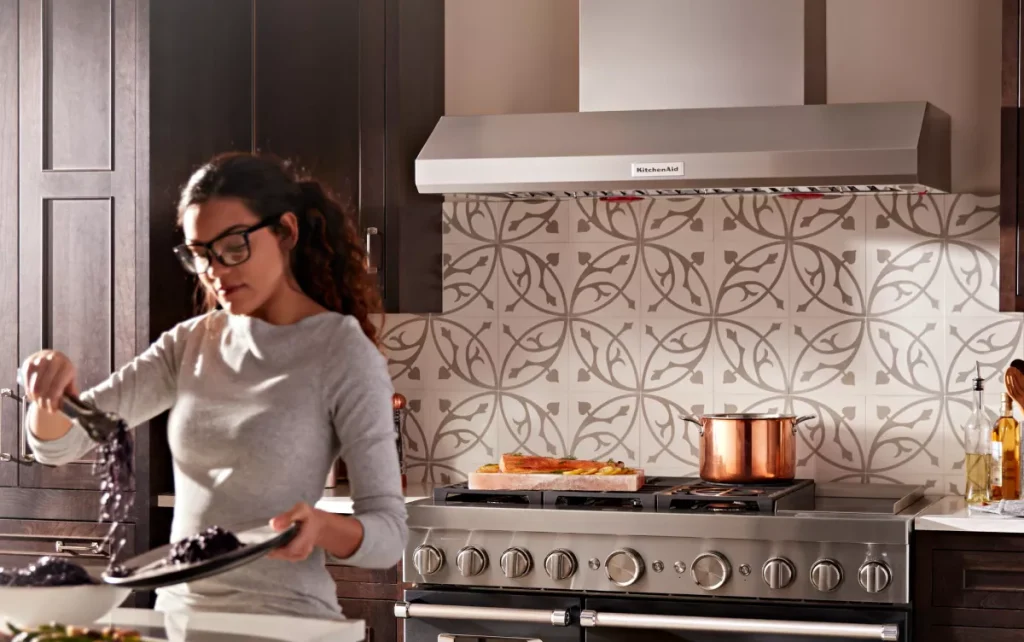
Have you ever found yourself cooking a delicious meal, only to be overwhelmed by the lingering smells and smoke in your kitchen? Or perhaps you’re tired of greasy residue sticking to your cabinets?
If so, you might be in need of a range hood. But what exactly is a range hood, and how can it transform your cooking experience? Imagine a kitchen where the air is fresh, and your space is free from unwanted odors and grease.
A range hood can make that a reality. We will demystify what a range hood is, why it’s essential, and how it can enhance not just your cooking, but your entire kitchen environment. Stick around, and discover how a range hood could be the key to unlocking a cleaner, healthier kitchen for you and your family.
Credit: prolinerangehoods.com
Range Hood Basics
A range hood is a kitchen appliance that helps keep the air clean. It removes smoke, steam, and odors while cooking. This device improves air quality and keeps your kitchen fresh.
Understanding range hood basics helps you choose the right model. It also shows how these devices keep your kitchen safe and comfortable.
What Is A Range Hood
A range hood is a vent installed above your stove or cooktop. It pulls out smoke, grease, and cooking smells from the air. This helps prevent buildup on kitchen walls and ceilings. Range hoods also reduce heat and moisture while cooking.
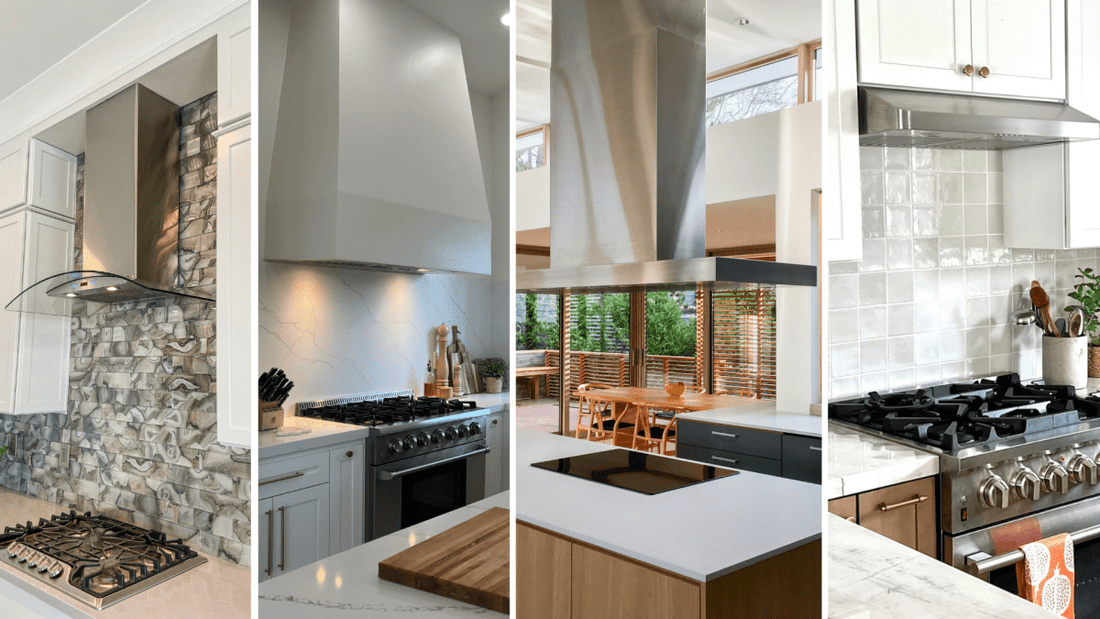
Types Of Range Hoods
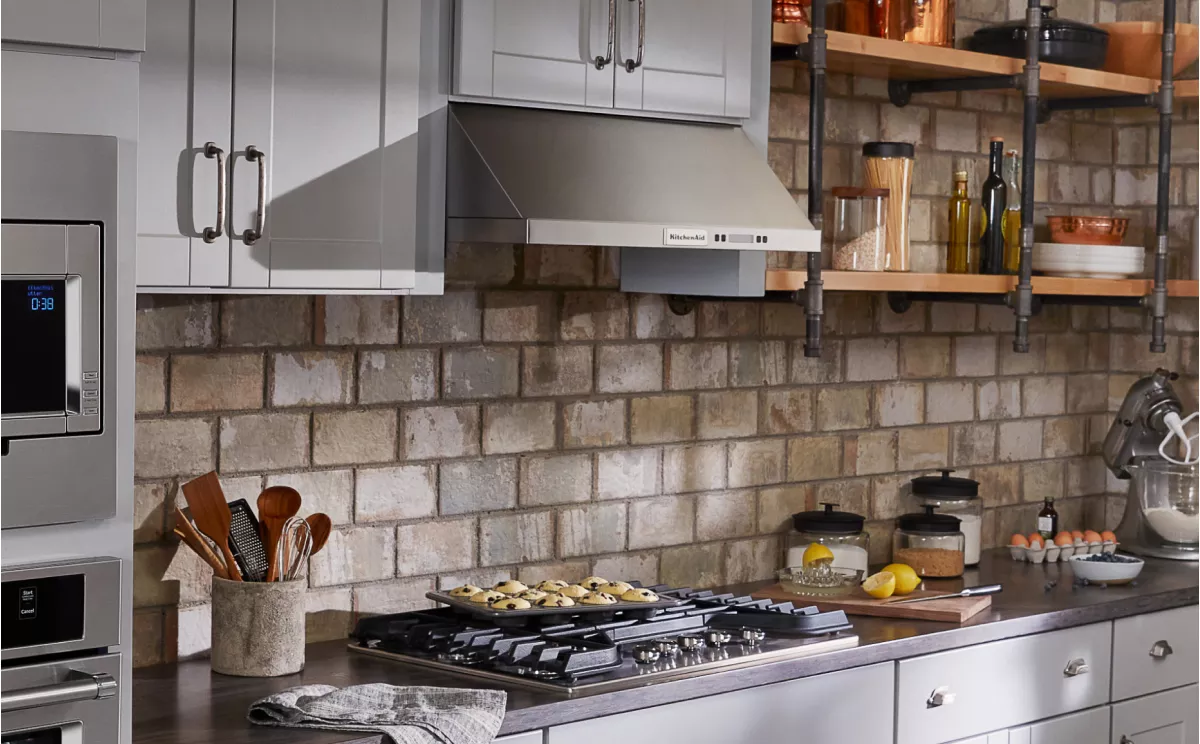
- Under-Cabinet:Fits under kitchen cabinets. Common and space-saving.
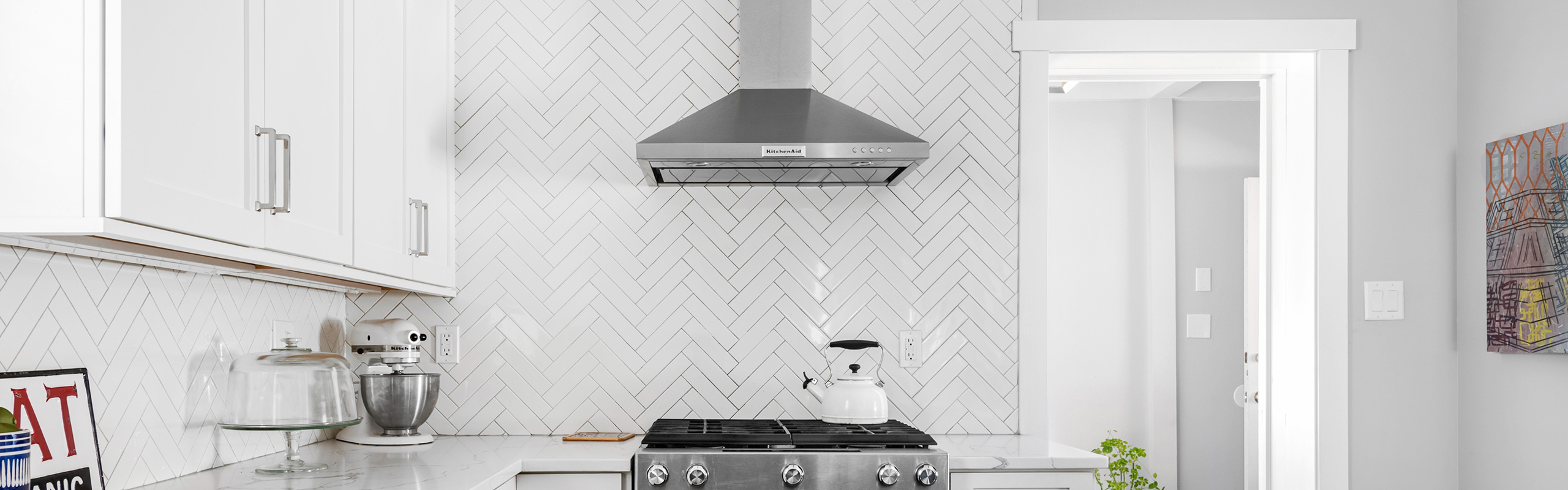
- Wall-Mounted:Attached to the wall above the stove. Often stylish and powerful.
- Island:Suspended from the ceiling above an island cooktop. Great for open kitchens.
- Downdraft:Installed behind the cooktop. Pulls air down instead of up.
How Range Hoods Work
Range hoods use a fan to pull air through filters. The filters catch grease and particles. Then, the air is either vented outside or cleaned and recirculated.
There are two main systems:
- Vented:Sends air outside through ducts. Very effective at removing smoke.
- Ductless:Uses charcoal filters to clean air. Recirculates air back into the kitchen.
Kitchen Ventilation Benefits
Kitchen ventilation plays a vital role in maintaining a healthy and comfortable cooking space. Proper ventilation removes unwanted particles and keeps the air fresh. It also helps control temperature and moisture levels. A range hood is an essential tool that enhances kitchen ventilation. Let’s explore its benefits in detail.
Improving Air Quality
Range hoods help remove harmful particles from the air. Cooking releases grease, smoke, and gases that reduce air quality. The hood captures these pollutants and vents them outside. This process keeps the kitchen air clean and safe to breathe. Improved air quality reduces health risks and prevents allergies.
Reducing Smoke And Odors
Smoke and strong smells often linger after cooking. Range hoods quickly draw out smoke and odors. This stops smells from spreading to other rooms. It creates a more pleasant environment for family and guests. Removing smoke also protects walls and ceilings from stains.
Controlling Heat And Moisture
Cooking generates heat and moisture that can make kitchens uncomfortable. Range hoods remove excess heat, making the kitchen cooler. They also reduce humidity, preventing mold and mildew growth. Controlling moisture extends the life of cabinets and appliances. A well-ventilated kitchen feels fresher and more inviting.
Choosing The Right Range Hood
Choosing the right range hood is more than just picking a device that looks good above your stove. It’s about finding one that fits your cooking habits, kitchen size, and style preferences. A well-chosen range hood keeps your kitchen air fresh and your space comfortable, so you want to get it just right.
Size And Coverage
Your range hood should cover the entire cooking surface to capture smoke and odors effectively. If your stove is 30 inches wide, opt for a hood at least the same width or slightly wider. A smaller hood might leave some areas uncovered, allowing grease and smells to linger in your kitchen.
Think about the height too. A hood placed too high won’t extract well, while one too low could get in your way. Measure carefully and consider your own cooking style—do you often grill or fry? Those activities create more smoke and need better coverage.
Ventilation Power
Ventilation power is measured in cubic feet per minute (CFM). Higher CFM means more air is moved, which is crucial if you cook frequently or use high-heat methods. A good rule is about 100 CFM per 10,000 BTUs of your stove, but you might want more if you have heavy cooking habits.
Remember, a powerful fan can clear air faster, but it also demands a stronger duct system. Check if your kitchen setup supports this or if you need to upgrade your ducts. Otherwise, you won’t get the full benefit of a high-CFM hood.
Noise Levels
Range hoods can get noisy, especially at high speeds. Noise is measured in sones; lower sones mean quieter operation. If you enjoy a peaceful kitchen or often chat while cooking, look for models rated 3 sones or less.
Some brands offer sound insulation or variable speed controls to help balance power and quietness. Have you ever stopped cooking because the hood was too loud? Finding a quiet yet effective model makes a huge difference in your daily kitchen comfort.
Design And Style Options
Your range hood can be a focal point or blend seamlessly with your kitchen. There are wall-mounted, island, under-cabinet, and insert styles to fit different layouts. Choose a finish—stainless steel, black, white, or custom colors—that matches your cabinets and appliances.
Consider practical design elements too, like easy-to-clean surfaces and accessible controls. A sleek touch panel might look great, but make sure it’s user-friendly. Your range hood should enhance your kitchen’s look without compromising function.
Installation Considerations
Installing a range hood is more than just picking a stylish model. You need to think about how it fits in your kitchen, how it vents, and how easy it will be to keep clean. These factors affect both performance and your daily cooking experience.
Ducted Vs. Ductless Systems
Choosing between ducted and ductless range hoods changes the installation process significantly. Ducted systems push air outside, which means you’ll need to plan for venting through an exterior wall or roof. This often requires professional help and can be limited by your kitchen’s layout.
Ductless models recycle air through filters and don’t require external venting. They are easier to install but need regular filter changes to work well. Think about your kitchen’s structure and how much ventilation you need before deciding.
Placement Tips
Where you place your range hood affects how well it removes smoke and odors. Ideally, it should be centered over your cooktop and mounted 24 to 30 inches above it. Too high, and it won’t capture fumes effectively; too low, and it might interfere with your cooking space.
Consider obstacles like cabinets or low ceilings that might limit your options. Also, check if the wall or ceiling can support the hood’s weight and if there’s easy access to power outlets. These small details save you headaches later.
Maintenance And Cleaning
Regular upkeep keeps your range hood working smoothly and prolongs its life. Ducted hoods need the ducts checked for blockages, while ductless models require frequent filter cleaning or replacement. Grease buildup can reduce efficiency and cause unpleasant smells.
Ask yourself how much time you want to spend cleaning. Stainless steel surfaces wipe down easily, but some filters need soaking or dishwasher cycles. Choosing the right type now can save you effort every week.
Energy Efficiency And Safety
Energy efficiency and safety are two crucial factors to consider when choosing a range hood for your kitchen. A range hood not only helps keep your cooking area clean but also impacts your home’s energy consumption and safety standards. Understanding these aspects can help you make smarter choices that protect your family and lower your utility bills.
Energy Saving Features
Modern range hoods come equipped with energy-saving features like LED lighting and variable speed fans. LED lights use less power and last longer than traditional bulbs, cutting down your electricity use. Variable speed fans allow you to adjust airflow based on your cooking needs, preventing unnecessary energy waste.
Have you noticed how some range hoods run at full speed all the time? That can increase your energy bills without improving ventilation. Choosing a model with smart controls or timers can reduce power use by turning off the fan when it’s not needed.
Fire Safety Benefits
Range hoods play a vital role in fire safety by removing grease, smoke, and heat from your cooking area. This helps reduce the risk of grease fires, which are a common cause of kitchen accidents. A clean, well-maintained hood minimizes grease buildup that can easily ignite.
Many range hoods include automatic shut-off features that activate if overheating occurs, adding an extra layer of protection. Are you regularly cleaning your hood filters? Neglecting this simple step can increase fire hazards significantly.
Compliance With Building Codes
Installing a range hood that meets local building codes ensures your kitchen ventilation is safe and effective. Building codes often specify the minimum ventilation rates and installation standards to prevent indoor air quality issues. Using a compliant range hood avoids costly fines and safety risks.
Before buying, check if your chosen model has certifications like UL or ENERGY STAR, which indicate adherence to safety and efficiency standards. Have you consulted with a professional about proper installation? Incorrect placement can reduce performance and fail to meet code requirements.
Credit: www.kitchenaid.com
Credit: www.abt.com
Frequently Asked Questions
What Is The Primary Function Of A Range Hood?
A range hood removes smoke, odors, and airborne grease from your kitchen. It improves air quality and keeps the cooking area clean. This device helps maintain a healthier and more comfortable cooking environment.
How Does A Range Hood Improve Kitchen Air Quality?
Range hoods ventilate by capturing and exhausting cooking fumes outside or filtering air. They reduce harmful pollutants and moisture. This prevents lingering smells, smoke buildup, and potential mold growth in your kitchen.
What Types Of Range Hoods Are Available?
Common types include wall-mounted, under-cabinet, island, and downdraft range hoods. Each type suits different kitchen layouts and ventilation needs. Choosing the right one depends on your kitchen design and cooking habits.
Are Range Hoods Energy Efficient?
Modern range hoods often feature energy-efficient fans and LED lighting. These help reduce electricity use while maintaining performance. Energy-efficient models save money and support eco-friendly kitchen practices.
Conclusion
A range hood helps keep your kitchen air clean and fresh. It removes smoke, steam, and cooking smells fast. This makes cooking safer and more comfortable. Choosing the right range hood depends on your kitchen size and cooking habits. Installing one improves air quality and reduces grease buildup.
It also helps protect your walls and ceilings from damage. Overall, a range hood is a smart addition to any kitchen. It keeps your space healthier and easier to maintain. Simple and effective.