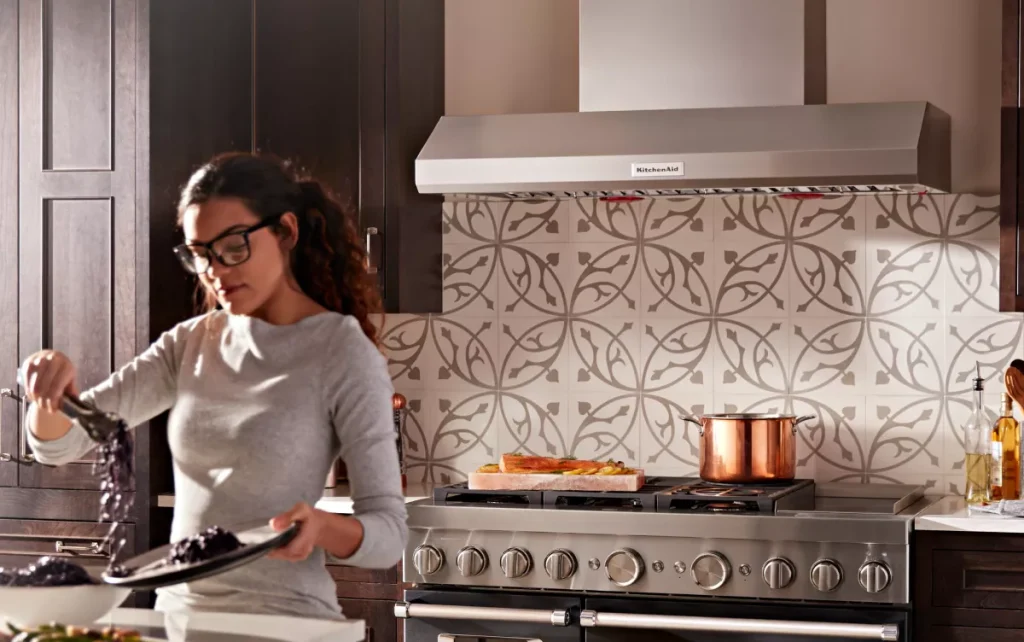
Have you ever wondered how your kitchen stays fresh and free from lingering cooking odors? The secret lies in a simple yet essential appliance: the range hood.
Whether you’re a culinary enthusiast or a casual cook, understanding how a range hood works can transform your kitchen experience. Imagine cooking your favorite meals without worrying about smoke, steam, or stubborn smells. Intrigued? You’re about to discover the magic behind this kitchen hero and why it’s a must-have for every home.
Dive in, and let’s uncover how a range hood makes your cooking space cleaner, fresher, and more enjoyable.
Range Hood Basics
A range hood is an essential kitchen appliance. It helps remove smoke, heat, and odors from cooking. Understanding how it works can improve kitchen air quality. Range hoods keep your cooking space fresh and clean. They come in different styles and sizes to fit any kitchen.
Purpose And Benefits
Range hoods pull out airborne grease, steam, and smoke. This prevents buildup on kitchen surfaces. They reduce cooking odors that linger in your home. Range hoods also improve air circulation. This helps maintain a comfortable kitchen temperature. Proper ventilation can prevent mold and mildew growth. It protects your walls and cabinets from damage. Some models include lights to brighten your cooking area. Overall, range hoods create a safer and cleaner cooking environment.
Types Of Range Hoods
There are several types of range hoods to choose from:
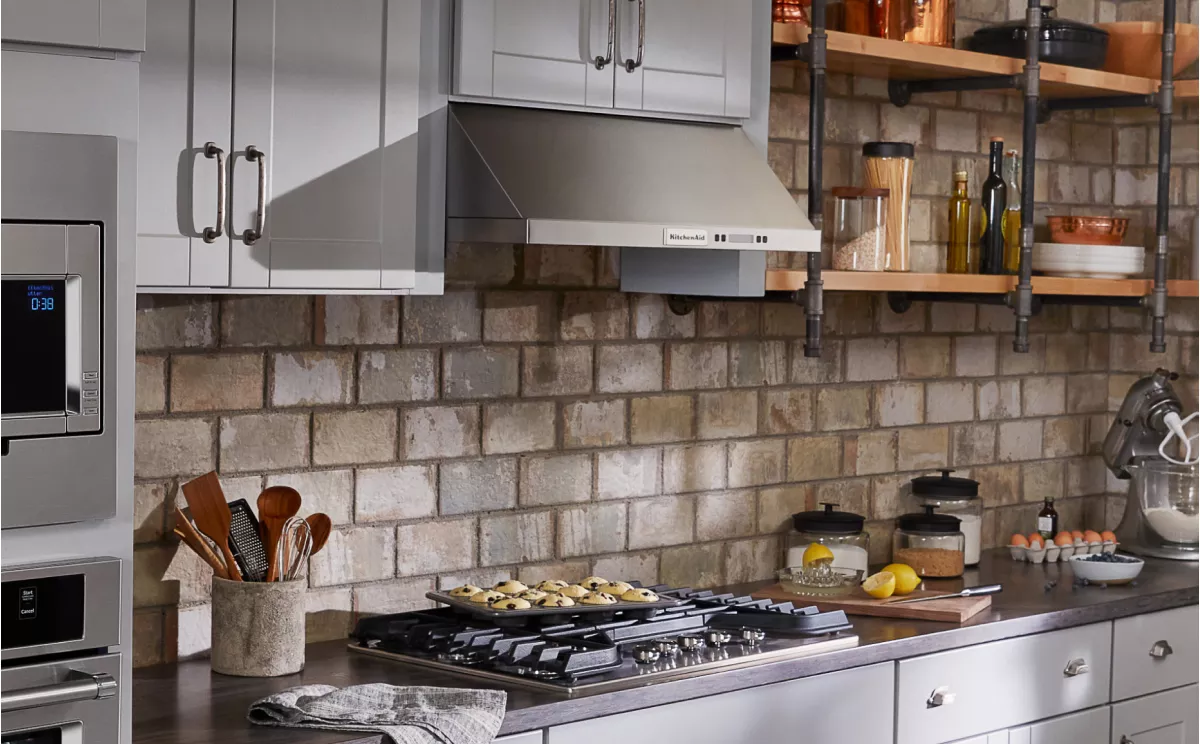
- Under-cabinet hoods:Installed beneath kitchen cabinets, common in many homes.
- Wall-mounted hoods:Attached to the wall above the stove, often a focal point.
- Island hoods:Hang from the ceiling over a kitchen island stove.
- Ductless hoods:Filter air and recirculate it back without outside venting.
- Ducted hoods:Vent air outside through ducts for strong air removal.
Choosing the right type depends on your kitchen layout and ventilation needs. Each offers distinct advantages for air quality and style.
Key Components
The key components of a range hood work together to keep your kitchen air clean. Each part plays a specific role in removing smoke, odors, and grease from cooking. Understanding these parts helps you maintain and choose the right range hood for your kitchen.
Fan And Motor
The fan and motor are the heart of the range hood. The motor powers the fan blades to pull air upward. This movement removes smoke, steam, and airborne grease. Fans come in different speeds for better control. A strong motor means better air cleaning.
Filters
Filters trap grease and particles from the air. Most range hoods have metal mesh or baffle filters. These are easy to remove and clean. Some models use charcoal filters to absorb odors. Clean filters keep the hood working well and improve air quality.
Ductwork
Ductwork directs the air outside your home. It connects the range hood to a vent on the wall or roof. Proper duct size and smooth paths help air flow easily. Good ductwork reduces noise and prevents smoke from staying in the kitchen. Some range hoods are ductless and recycle air through filters.
Ventilation Methods
Understanding how a range hood ventilates your kitchen helps you choose the best option for your space. Ventilation methods determine how effectively smoke, odors, and grease are removed while you cook. Let’s break down the two main types of ventilation systems so you can decide which fits your needs and kitchen setup.
Ducted Systems
Ducted range hoods pull air from your kitchen and vent it outside through a duct. This method removes smoke, heat, and odors completely from your home, improving indoor air quality. The ductwork can be installed through an exterior wall or the roof, depending on your kitchen layout.
Because the air is vented outdoors, ducted systems are usually more powerful and quieter. However, installation can be more complex and costly due to the need for proper duct routing. If you’ve ever cooked something spicy and felt the smell linger for hours, a ducted system can eliminate that problem effectively.
Ductless Systems
Ductless range hoods, also called recirculating hoods, filter the air through charcoal and grease filters before releasing it back into your kitchen. These systems don’t require external venting, making installation easier and more flexible.
While ductless hoods don’t remove heat or moisture from the kitchen, they can still reduce odors and grease buildup. You’ll need to replace or clean the filters regularly to maintain performance. Consider a ductless hood if your kitchen can’t accommodate ductwork but be aware it won’t clear the air as thoroughly as a ducted system.
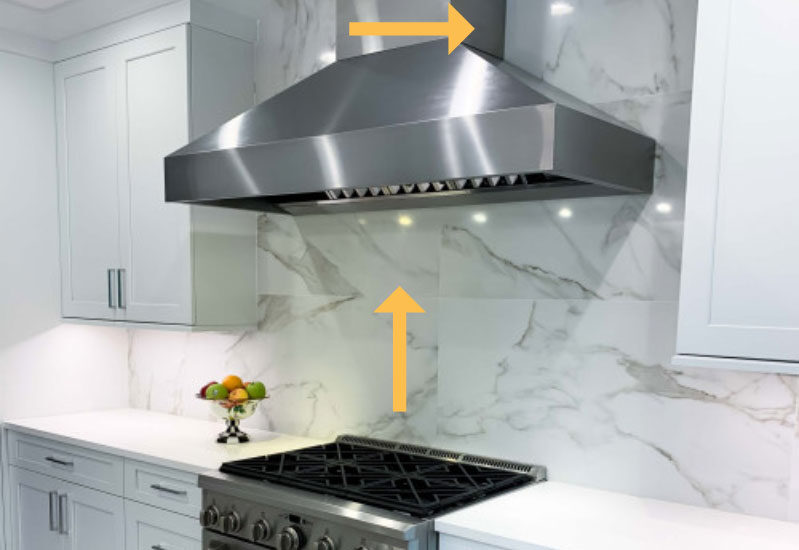
Credit: blog.yaleappliance.com
How Air Is Cleared
Understanding how air is cleared by a range hood can change the way you cook and breathe in your kitchen. It’s not just about turning on a fan; it’s a smart system designed to keep your kitchen fresh and safe. Let’s look closer at how this process works and why it matters to you.
Airflow Process
The range hood starts by pulling air from your cooking area. This air contains smoke, steam, and tiny particles released during cooking. The hood’s fan creates a strong airflow that sucks this air upward.
Once the air is drawn in, it passes through filters. These filters trap grease and larger particles, preventing them from clogging your ventilation system. Clean filters mean your range hood works better and lasts longer.
After filtering, the air either vents outside your home or recirculates back inside after passing through additional filters. Which option your hood uses depends on its design and your kitchen setup.
Removing Smoke And Odors
Smoke and odors are the most noticeable problems when cooking. Your range hood tackles these by capturing the pollutants at their source before they spread. This helps keep your kitchen air clean and your home smelling fresh.
Activated carbon filters play a key role when air recirculates. They absorb odors and harmful gases, improving indoor air quality. If your kitchen tends to hold onto smells, upgrading to a hood with these filters can make a big difference.
Think about the last time you cooked something with a strong smell. Did it linger long after you finished? A well-functioning range hood ensures those odors don’t stick around, making your cooking experience more enjoyable.
Choosing The Right Hood
Choosing the right range hood is crucial for your kitchen’s comfort and efficiency. It’s not just about style; the hood needs to match your cooking habits and kitchen size. Paying attention to specific features can save you from noise headaches, energy waste, and poor air quality.
Size And Power
Your range hood should be at least as wide as your cooktop. If your stove is 30 inches wide, pick a hood that’s 30 inches or wider to capture all smoke and steam effectively.
Power is measured in cubic feet per minute (CFM). Higher CFM means stronger suction. If you cook often or use high heat, aim for a hood with 400 CFM or more. For occasional cooking, a lower CFM might be enough.
Noise Levels
No one wants a loud fan drowning out conversation while cooking. Look for the sone rating to understand noise levels; lower numbers mean quieter operation.
Some hoods have multiple speed settings, so you can use a quieter setting during light cooking. Have you noticed how some kitchens feel chaotic just because of noisy ventilation? Choosing a quiet hood makes a big difference.
Energy Efficiency
Energy-efficient range hoods reduce electricity use and lower your utility bills. Look for models with LED lighting and efficient motors.
Energy Star certified hoods meet strict energy-saving guidelines. This choice not only helps the environment but also adds value to your home. Have you considered how a small change in your kitchen appliances can impact your energy footprint?
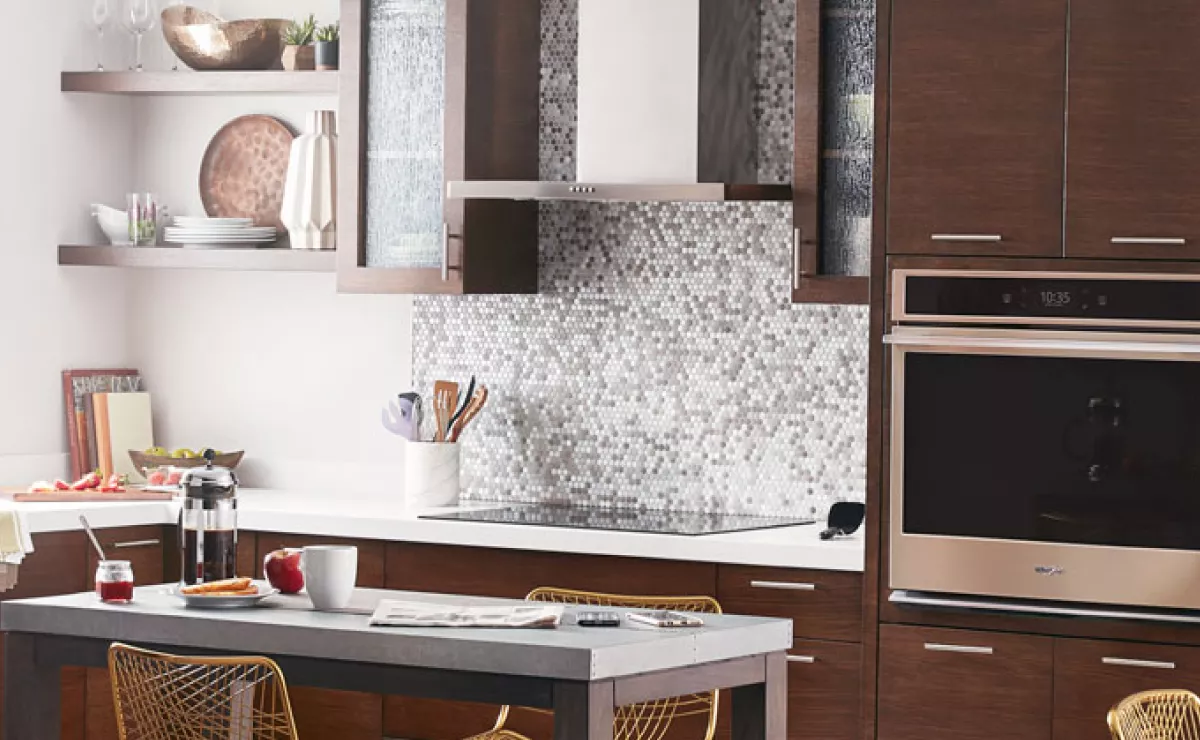
Credit: www.maytag.com
Maintenance Tips
Proper maintenance keeps your range hood working well and lasting longer. Regular care prevents buildup and ensures good air flow. Below are key tips for maintaining your range hood efficiently.
Cleaning Filters
Filters trap grease and smoke from cooking. Clean them often to avoid blockages. Remove filters and soak them in hot soapy water. Scrub gently with a brush to remove grease. Some filters are dishwasher safe. Check your model’s instructions before washing this way. Dry filters completely before reinstalling to prevent mold.
Inspecting Ducts
Ducts carry air outside. Check ducts for dust, grease, or damage twice a year. Use a flashlight to look inside. Clean any buildup with a vacuum or brush. Damaged ducts reduce air flow and waste energy. Replace or repair ducts if you find holes or cracks. Proper duct care keeps the system working well.
Replacing Parts
Parts like lights, fans, and switches can wear out. Replace bulbs with the correct type for your hood. If the fan sounds strange or slows down, it may need a new motor. Check switches and buttons for proper function. Use original parts for best results. Keep a maintenance log to track replacements and repairs.
Common Issues And Fixes
Range hoods are essential for keeping your kitchen air clean, but they can develop issues that reduce their effectiveness. Understanding common problems and how to fix them helps you maintain a fresh cooking space. Let’s take a closer look at some typical troubles and straightforward solutions.
Poor Ventilation
Poor ventilation often means your range hood isn’t removing smoke or odors efficiently. This can happen if the filters are clogged with grease or dust. Cleaning or replacing filters regularly can restore proper airflow.
Another cause is a blocked or improperly installed duct. Check for any obstructions or kinks in the vent pipe. If your kitchen layout limits ductwork, consider switching to a recirculating hood with charcoal filters for better odor control.
Excess Noise
If your range hood sounds louder than usual, it might be time to inspect the fan and motor. Dirt buildup can cause the fan blades to become unbalanced, creating more noise. Cleaning the fan blades carefully can reduce this.
Loose screws or parts inside the hood can also rattle during operation. Tighten any loose components you find. Have you noticed your hood making a grinding sound? This could mean the motor bearings are worn and might need professional replacement.
Fan Malfunctions
Your hood’s fan may fail to start or work inconsistently due to electrical issues. Check the power supply and ensure the switch is functioning properly. Sometimes a simple reset or replacing a blown fuse does the trick.
Over time, the motor itself can wear out, especially with heavy use. If the fan speed drops or stops frequently, it could be time for a motor replacement. Don’t ignore these signs; a faulty fan can cause poor ventilation and increase kitchen humidity.
Credit: www.kitchenaid.com
Frequently Asked Questions
How Does A Range Hood Remove Cooking Odors?
A range hood removes odors by drawing air through filters. It traps grease and smoke, then vents clean air outside or recirculates it after filtering. This process effectively reduces cooking smells and keeps your kitchen air fresh and clean.
What Types Of Range Hoods Are Available?
There are three main types: ducted, ductless, and convertible. Ducted hoods vent air outside, ductless use filters to recirculate air, and convertible models can switch between both. Each type suits different kitchen setups and ventilation needs.
How Often Should Range Hood Filters Be Cleaned?
Filters should be cleaned every 1 to 3 months. Regular cleaning ensures efficient airflow and prevents grease buildup. Metal filters can be washed with warm, soapy water, while charcoal filters need replacement as recommended by the manufacturer.
Can A Range Hood Improve Kitchen Air Quality?
Yes, range hoods improve air quality by removing smoke, steam, and airborne grease. They reduce indoor pollutants and moisture, which helps prevent mold and keeps your kitchen environment healthier and more comfortable.
Conclusion
A range hood helps keep your kitchen air clean and fresh. It removes smoke, steam, and cooking smells quickly. The fan pulls air through filters to catch grease and particles. Venting the air outside prevents buildup inside your home. Choosing the right range hood improves cooking comfort and safety.
Regular cleaning keeps it working well and lasting longer. Understanding how it works helps you pick the best model for your needs. A good range hood makes cooking easier and your kitchen healthier. Simple but effective.