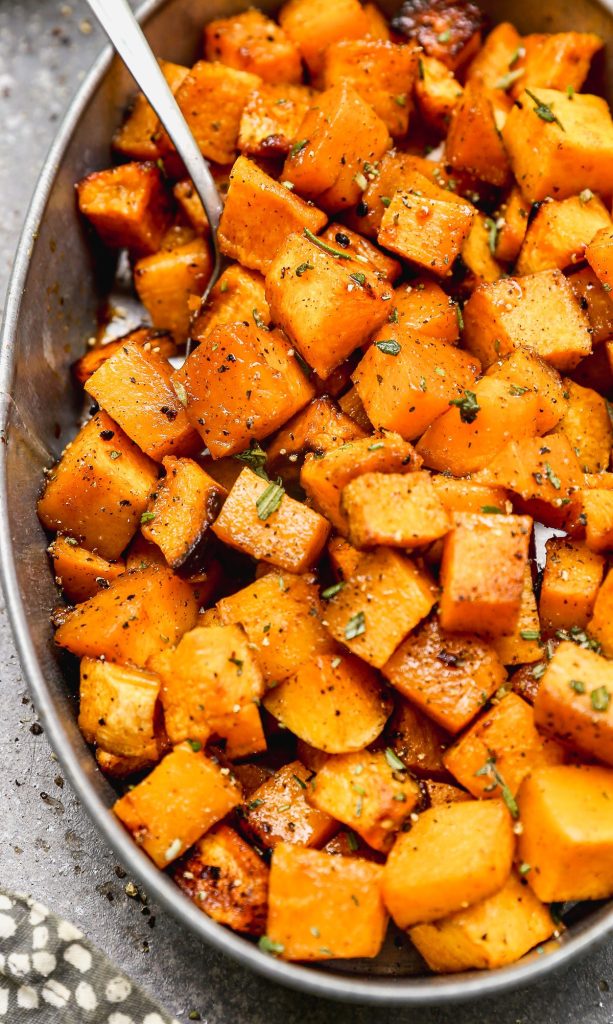
Are you ready to transform a simple butternut squash into a delicious meal with minimal effort? Imagine coming home after a long day and craving something warm, nutritious, and satisfying.
But the thought of spending hours in the kitchen seems daunting. What if I told you there’s a quicker, hassle-free way to enjoy this autumn favorite without compromising on taste? That’s right, you can cook butternut squash in your microwave oven in just minutes! This method not only saves time but also brings out the natural sweetness of the squash, making it a perfect addition to your dinner table.
Stick around as we dive into this simple, yet game-changing technique that will have you savoring every bite.
Choosing The Right Butternut Squash
Choosing the right butternut squash sets the foundation for a delicious microwave-cooked dish. Picking a fresh, ripe squash not only enhances flavor but also ensures even cooking. Knowing what to look for can save you from a mushy or bland meal, turning your cooking experience into a success story.
Selecting Fresh Squash
Look for butternut squash with a matte, creamy beige skin. Shiny surfaces often mean the squash is underripe. The skin should be firm and free from soft spots or bruises.
Check the weight. A fresh squash feels heavy for its size, indicating dense, moist flesh inside. Avoid any that feel light or hollow.
Run your fingers over the stem end. A dry, corky stem suggests maturity, which usually means better flavor. If the stem is missing or green, the squash might have been picked too early.
Preparing For Cooking
Start by washing the squash thoroughly to remove dirt and debris. Use a vegetable brush if needed. This simple step helps avoid any grit in your final dish.
Cutting butternut squash can be tricky due to its tough skin. Use a sharp, sturdy knife and cut off both ends first. Then, peel the skin with a vegetable peeler or carefully slice it off.
After peeling, chop the squash into evenly sized cubes. This ensures all pieces cook at the same rate in the microwave. Have you noticed how uneven chunks can leave some parts undercooked while others turn mushy?
Microwave Preparation Tips
Preparing butternut squash for the microwave is simple with the right steps. Safe cutting and peeling help avoid injuries. Using the correct containers keeps cooking safe and effective. Follow these tips to make your microwave cooking smooth and easy.
Cutting And Peeling Safely
Use a sharp knife for clean cuts. A dull knife can slip and cause accidents. Cut off both ends of the squash first to create a stable base. Peel the skin using a vegetable peeler or sharp knife. Hold the squash firmly on a cutting board. Cut the squash into smaller, even pieces for quick cooking. Always keep your fingers away from the blade while cutting.
Using Microwave-safe Containers
Choose containers labeled microwave-safe to avoid melting or chemicals leaching. Glass, ceramic, and certain plastics work well. Avoid metal containers or foil in the microwave. Use a microwave-safe lid or cover the container with microwave-safe plastic wrap. Leave a small gap to let steam escape. This prevents spills and helps cook evenly. Clean containers before use to avoid odors or stains. Proper containers improve cooking results and safety.
Cooking Methods In Microwave
Cooking butternut squash in the microwave saves time and keeps the kitchen cool. There are different ways to cook it using your microwave, each bringing out unique flavors and textures. Understanding these methods helps you choose the best one for your meal and schedule.
Steaming Technique
Steaming butternut squash in the microwave is quick and preserves its natural sweetness. Start by peeling and cutting the squash into cubes or slices. Place the pieces in a microwave-safe bowl with a little water—about two to three tablespoons works well.
Cover the bowl with a microwave-safe lid or plastic wrap, leaving a small vent for steam to escape. Microwave on high for 5 to 7 minutes, checking halfway through to stir or rearrange the pieces. This method keeps the squash tender and moist, perfect for mashing or adding to salads.
Have you noticed how steaming preserves the bright color of vegetables? It’s a simple trick to keep your dishes appealing as well as nutritious.
Roasting Alternative
If you want a deeper, caramelized flavor, try a roasting-like method in the microwave. Cut the squash into thin slices or small cubes for even cooking. Toss them with a little olive oil, salt, and your favorite spices.
Arrange the pieces on a microwave-safe plate in a single layer to avoid sogginess. Microwave on high for about 8 to 10 minutes, turning the pieces halfway through to get a slightly crispy texture. This method mimics roasting and adds a rich, nutty taste without heating up your oven.
Would you experiment with different spice blends to change the flavor profile? A pinch of cinnamon or smoked paprika can make a big difference.
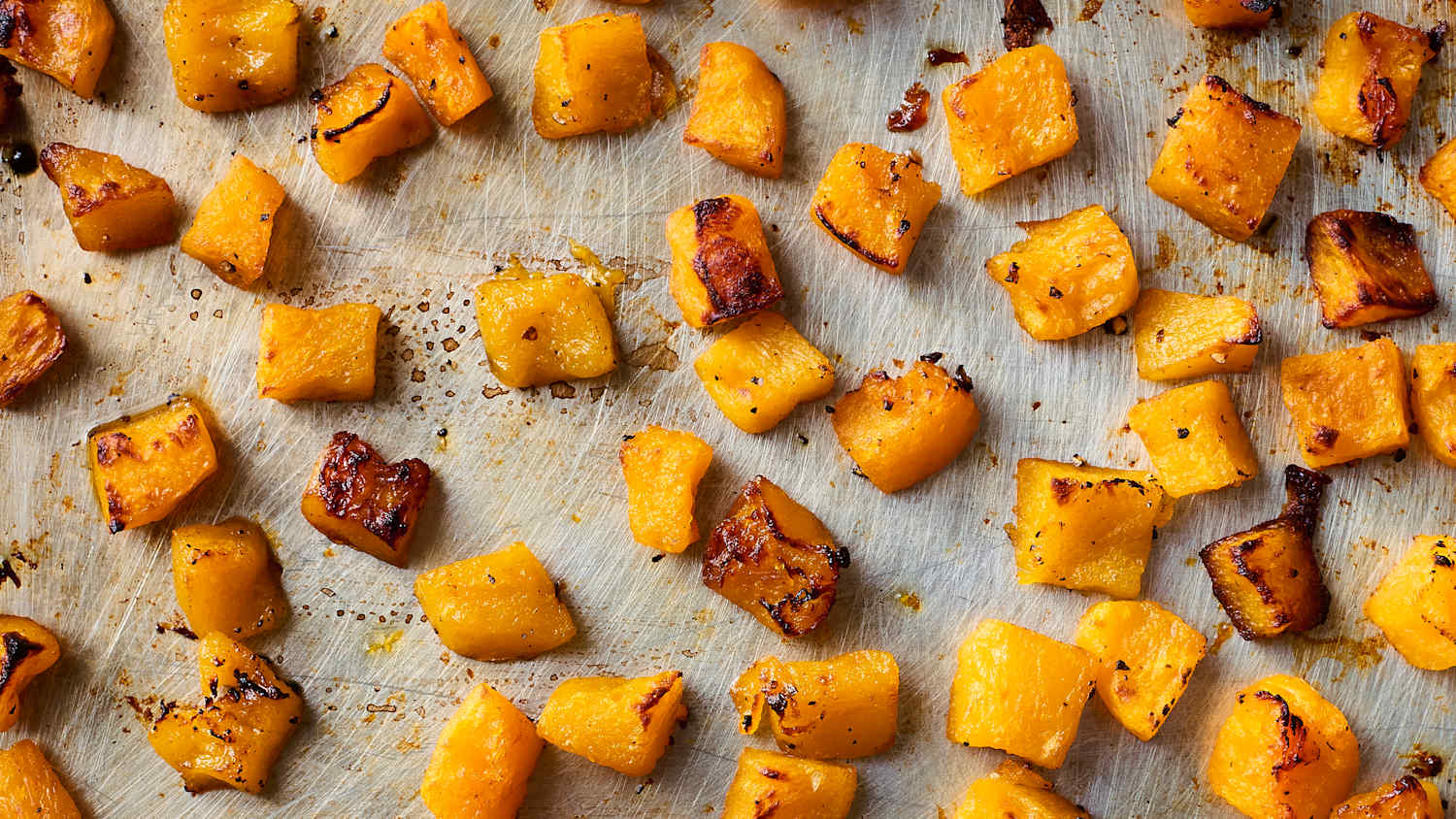
Credit: www.thekitchn.com
Timing And Power Settings
Timing and power settings are key to cooking butternut squash well in a microwave. The right combination ensures the squash cooks evenly and stays tender. Too much time or high power can make it dry or tough. Too little time leaves it hard and undercooked. Adjustments depend on the size of the squash and the strength of your microwave.
Adjusting Based On Squash Size
Smaller squash cooks faster than larger ones. Cut the squash into halves or cubes for quicker cooking. For a whole small squash, set the microwave power to 70-80% and cook for about 8-10 minutes.
Larger pieces need more time. Use medium power to avoid overcooking the edges. For halves or large chunks, start with 10-12 minutes and add time as needed. Remember, microwaves vary, so check often.
Checking Doneness
Test the squash by poking it with a fork. It should slide in easily without resistance. If it feels firm, cook for 2-3 more minutes and check again. The flesh should be soft and slightly translucent.
Cut a small piece to taste. It should be tender and sweet. Avoid overcooking to keep the texture pleasant. Let the squash rest for a minute after cooking to finish softening.
Seasoning And Flavor Ideas
Seasoning butternut squash enhances its natural sweetness and adds depth. You can keep it simple or experiment with bold flavors. The microwave cooks the squash quickly, so seasoning before or after cooking works well. Use spices and herbs to create a tasty dish that fits your mood.
Simple Spices
- Salt and pepper highlight butternut’s natural taste.
- Cinnamon adds warmth and a hint of sweetness.
- Nutmeg pairs well with the creamy texture.
- Paprika gives a mild smoky flavor.
- Chili powder adds a gentle kick for spice lovers.
Herbs And Toppings
- Fresh parsley or cilantro brightens the dish.
- Thyme offers an earthy, slightly minty taste.
- Rosemary adds a pine-like aroma and flavor.
- Toasted nuts like pecans or walnuts add crunch.
- A drizzle of olive oil or melted butter enriches the flavor.
- Grated Parmesan cheese adds a savory touch.
Serving Suggestions
Serving butternut squash cooked in the microwave opens up many delicious possibilities. Its naturally sweet and nutty flavor pairs well with a variety of dishes. You can easily enhance your meals by choosing the right sides or adding it to your favorite recipes.
Side Dishes Pairing
Think about pairing your butternut squash with fresh, vibrant flavors. A simple green salad with lemon vinaigrette adds brightness and balances the squash’s sweetness. Roasted Brussels sprouts or steamed broccoli also complement its texture and taste perfectly.
If you prefer grains, quinoa or wild rice work wonderfully as side dishes. Their earthy notes deepen the meal’s flavor profile. Adding a sprinkle of toasted nuts or seeds on the squash can add a satisfying crunch that elevates the whole plate.
Incorporating Into Meals
Have you tried adding microwave-cooked butternut squash to soups or stews? It melts into the broth and adds natural sweetness without extra sugar. Puree it for a creamy base or toss cubes into a hearty vegetable stew for extra body.
You can also mix the squash into pasta dishes or grain bowls. Stir it into risotto or blend it into a sauce for a smooth, velvety texture. Even scrambled eggs or omelets gain a sweet and savory twist with a few cubes mixed in.
Troubleshooting Common Issues
Cooking butternut squash in the microwave is quick and easy. Some common problems might happen, like overcooking or uneven cooking. Knowing how to fix these issues helps you get perfect squash every time. Below are simple tips to avoid these problems and enjoy your squash.
Avoiding Overcooking
Overcooked butternut squash becomes mushy and loses flavor. To avoid this, cut the squash into even pieces. Use a microwave-safe dish and cover it to keep moisture inside. Cook in short bursts of 2 to 3 minutes. Check the squash often by poking it with a fork. Stop cooking as soon as it feels tender but still firm.
Handling Uneven Cooking
Microwaves sometimes cook food unevenly. This can leave some parts undercooked while others are soft. Stir or turn the squash pieces halfway through cooking. Arrange the pieces in a single layer for better heat distribution. Use a microwave turntable if your oven has one. If not, rotate the dish manually to help even cooking.
Credit: www.wellplated.com

Credit: dishedbykate.com
Frequently Asked Questions
How Long Does Butternut Squash Take In Microwave?
Microwaving butternut squash usually takes 8 to 12 minutes. Time depends on the size and microwave power. Cut squash into cubes for even cooking. Check tenderness with a fork before serving.
Should I Peel Butternut Squash Before Microwaving?
Peeling before microwaving is optional but recommended. The skin is tough and less edible. Peeling helps cook squash evenly and improves texture. Use a vegetable peeler or knife to remove skin safely.
Can I Microwave Whole Butternut Squash?
Microwaving whole squash is possible but slower. Pierce the skin several times to prevent steam buildup. Cooking time extends to 10-15 minutes per side. Cutting it in half speeds up cooking and ensures even heat.
How To Avoid Soggy Butternut Squash In Microwave?
Avoid sogginess by draining excess water after microwaving. Use a microwave-safe vented cover to trap steam without condensation. Cook in short intervals and check texture often. Overcooking causes mushy squash.
Conclusion
Cooking butternut squash in the microwave saves time and effort. It cooks fast and stays tender without much fuss. You only need a few simple steps and basic tools. This method works well for quick meals or snacks. Try it today to enjoy sweet, soft squash easily.
Perfect for busy days when you want healthy food fast. Give your meals a tasty boost with this easy technique. Cooking squash has never felt so simple and quick. Enjoy your delicious creation!