
Have you ever craved a delicious homemade cake but felt deterred by the thought of using your traditional oven? You’re not alone.
Many people wonder if there’s a quicker, simpler way to enjoy a freshly baked cake without all the hassle. Imagine satisfying your sweet tooth with minimal effort, using just a microwave oven. Intrigued? You should be. This kitchen staple might just be the game-changer you need for effortless baking.
We’ll explore whether your microwave oven can truly deliver a delightful cake that rivals those baked in a conventional oven. Get ready to discover a new way of baking that could revolutionize your dessert game forever.
Credit: www.shopsilica.com
How Microwaves Cook Food
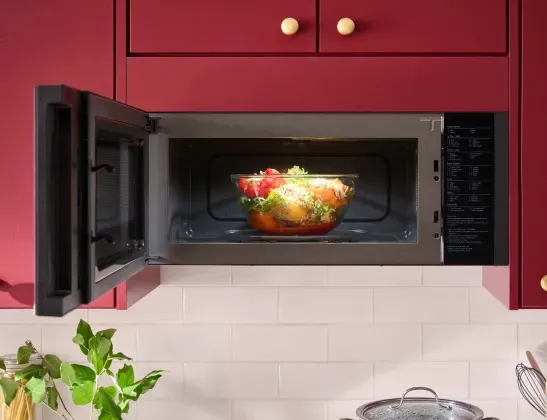
Microwave ovens cook food differently than traditional ovens. They use waves of energy that heat food quickly from the inside out. This unique method affects how well microwaves bake cakes and other dishes.
Microwave Energy Basics
Microwaves use electromagnetic waves to cook food. These waves are a type of energy that moves at the speed of light. When microwaves enter food, they make water molecules move fast. This movement creates heat inside the food.
The heat cooks the food evenly if the energy spreads well. Microwaves do not heat air like regular ovens do. Instead, they heat the food directly, saving time and energy.
Heat Distribution In Microwaves
Heat spreads differently in a microwave than in a traditional oven. Microwaves can create hot and cold spots inside the food. This happens because the waves bounce inside the oven cavity.
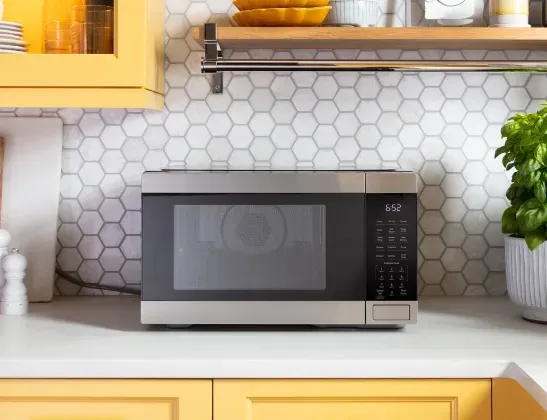
Most microwaves have a turntable to rotate food. This helps spread heat more evenly. Still, baking a cake in a microwave can be tricky. The heat may not reach all parts of the batter equally.
Understanding this helps explain why microwave baking results differ. The quick heat can make cakes cook faster but sometimes unevenly.
Credit: www.shopsilica.com
Baking Vs. Microwaving
Baking and microwaving might both seem like quick ways to make a cake, but they work in very different ways. Understanding these differences can help you decide which method suits your time, taste, and texture preferences. Have you ever wondered why a microwave cake feels different from one baked in an oven?
Differences In Cooking Methods
Baking uses dry heat that surrounds the food evenly, usually in an oven. This heat slowly cooks the batter, allowing it to rise and develop a crust. The process takes longer but creates a firm structure.
Microwaving, on the other hand, uses electromagnetic waves that excite water molecules in the batter. This heats the cake from the inside out, often much faster than baking. However, microwaves do not brown or crisp the cake’s surface.
Think about how a microwave heats leftovers quickly but doesn’t make them crispy. The same principle applies to cakes, which affects how they turn out.
Effects On Texture And Flavor
Baked cakes usually have a fluffy crumb and a slightly crunchy crust. The longer cooking time allows flavors to develop and deepen, giving a richer taste. You might notice a more pleasing aroma and a satisfying bite.
Microwave cakes tend to be denser and moister, sometimes even a bit rubbery. Because microwaves cook so fast, the flavors don’t have as much time to meld together. The lack of browning means you miss out on that toasty, caramelized flavor.
Have you ever tried a microwave cake that was surprisingly soft but lacked that classic cake taste? That’s the trade-off you face when choosing speed over traditional texture and flavor.
Can You Bake A Cake In A Microwave?
Baking a cake in a microwave might sound unusual, but it is possible. Microwaves cook food quickly by using electromagnetic waves. This method heats food from the inside out, which changes the texture and cooking time compared to an oven.
Cakes baked in a microwave are usually smaller and softer. They are great for quick treats or when you do not want to heat up the whole kitchen. Understanding what types of cakes work best helps improve results and avoid disappointment.
Types Of Cakes Suitable For Microwaves
- Simple sponge cakes: Light and fluffy, these cook evenly in microwaves.
- Mug cakes: Single-serving cakes made in a mug, perfect for quick baking.
- Chocolate cakes: Rich and moist, they adapt well to microwave cooking.
- Fruit cakes: Small fruit cakes can be microwaved with good results.
- Basic vanilla or butter cakes: These work well due to their simple ingredients.
Common Microwave Cake Recipes
- Chocolate mug cake: A fast and easy recipe requiring minimal ingredients.
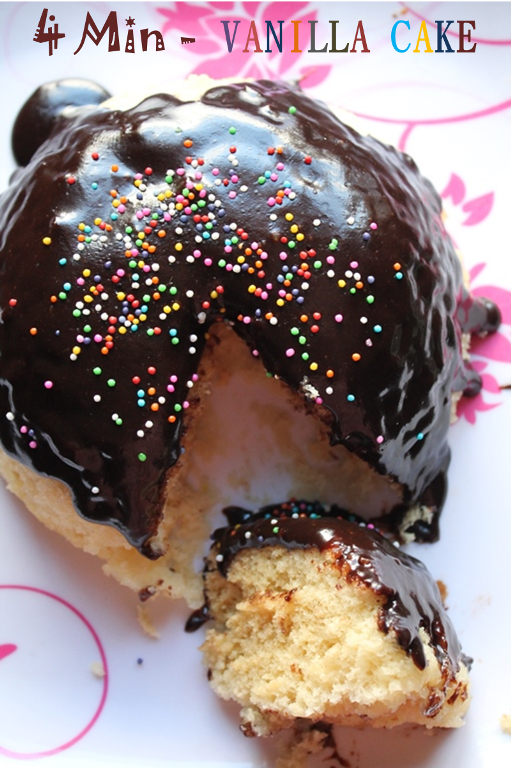
- Vanilla mug cake: Simple and sweet, perfect for beginners.
- Banana cake: Uses ripe bananas and cooks quickly in the microwave.
- Carrot cake mug recipe: A small version of classic carrot cake with nuts.
- Lemon drizzle mug cake: Light with a tangy lemon flavor, cooked in minutes.
Tips For Microwave Cake Success
Baking a cake in a microwave can be a game-changer for quick treats, but it requires some smart tweaks to get it right. You need to rethink your usual baking approach to avoid a dry or unevenly cooked cake. Here are some practical tips that can help you master microwave cake baking and impress yourself with the results.
Choosing The Right Ingredients
Microwaves cook differently than ovens, so ingredient choices matter a lot. Use ingredients that hold moisture well, like yogurt or applesauce, to keep your cake soft. Avoid too much baking powder or soda; microwave cakes don’t need as much rise because they cook fast.
Think about sugar too—granulated sugar melts quickly, which helps with texture. If you want a richer taste, adding a bit of butter or oil makes a big difference. Have you tried swapping milk with buttermilk or cream for extra tenderness?
Adjusting Cooking Time And Power
Microwave ovens vary in power, so you must adjust cooking time and settings. Start with medium power instead of full blast to prevent overcooking the edges while the center stays raw. It’s better to cook in short bursts and check your cake often.
Use a toothpick to test doneness, but don’t expect the same timing as a traditional oven. Your cake might be ready in 3 to 5 minutes depending on your microwave’s wattage and the cake size. Have you noticed how even a 30-second difference can change the texture?
Using Proper Cookware
Not all containers are microwave-friendly for baking. Choose glass or ceramic bowls labeled safe for microwave use to ensure even cooking. Avoid metal pans completely, as they can cause sparks and damage your microwave.
Size matters too: use smaller, shallow dishes to let heat reach the batter evenly. Silicone molds are also a great option—they’re flexible and distribute heat well. Have you tried different containers to see which gives the best rise and crumb?
Limitations Of Microwave Baking
Baking a cake in a microwave oven seems like a quick solution, but it comes with its own set of limitations. Understanding these challenges can save you from unexpected results and frustration. Let’s take a closer look at the key issues you might face when using a microwave for baking.
Texture And Crust Challenges
Microwaves heat food differently than traditional ovens. Instead of baking from the outside in, microwaves cook by agitating water molecules, which often results in uneven texture.
Your cake may come out dense or rubbery rather than light and fluffy. The lack of a dry heat environment means you won’t get the crispy crust or golden brown exterior that makes a cake appealing.
Have you noticed how some microwave cakes feel more like steamed pudding? That’s because moisture gets trapped inside, preventing the usual browning and crust formation.
Size And Shape Restrictions
Microwave ovens have limited space, which restricts the size and shape of cakes you can bake. Large or tall cakes often don’t cook evenly, leaving raw spots or overly dry edges.
Round or square containers that fit well inside the microwave work best. Odd shapes or thick layers can cause uneven cooking because microwaves don’t distribute heat uniformly.
Think about the last time you tried baking a thick cake in your microwave—did the center cook properly without overcooking the edges? This is a common challenge that often requires trial and error.
Microwave Baking Vs. Conventional Oven
Baking a cake in a microwave differs greatly from using a conventional oven. Each method has unique effects on the cake’s texture, taste, and appearance. Understanding these differences helps choose the best option for your needs. Microwave baking offers speed and simplicity. Conventional ovens provide more control and traditional results.
Taste And Appearance Comparison
Cakes baked in a microwave tend to be moist but may lack the golden crust. The texture is often softer and sometimes denser. Conventional oven cakes usually have a crispy outer layer and a fluffy inside. The slow heat allows flavors to develop fully. Microwave cakes might taste a bit different due to quick cooking. Traditional ovens create a more even rise and color.
Convenience And Speed
Microwave baking is much faster. A cake can be ready in just a few minutes. It requires less preparation and fewer tools. This method suits quick snacks or small portions. Conventional ovens take longer, typically 20–40 minutes. They need preheating and more attention during baking. Oven baking is better for large cakes or detailed recipes. Microwaves save time and energy but offer less flexibility.
Innovations In Microwave Baking
Microwave ovens have evolved beyond reheating and defrosting. Baking cakes in a microwave is now more precise and easier. New features and cooking methods help achieve better texture and taste. These changes make microwave baking a popular choice for quick desserts. The innovations enhance the baking experience without the long wait times of traditional ovens.
Microwave Oven Features For Baking
Modern microwave ovens include features designed for baking tasks:
- Convection mode for even heat distribution
- Pre-programmed baking settings for cakes and pastries
- Temperature control for precise baking
- Combination cooking using microwave and grill elements
- Rotating turntables for uniform cooking
These features improve cake baking by providing consistent heat and better control. The convection mode mimics a traditional oven’s airflow. This helps cakes rise evenly and develop a golden crust.
New Recipes And Techniques
Recipe developers create microwave-specific cake recipes. These recipes use ingredients that cook well with microwave heat. Techniques focus on reducing cooking time while maintaining softness.
- Using smaller baking molds for faster cooking
- Adjusting batter moisture for quicker setting
- Layering ingredients to avoid overcooking
- Microwave steaming for moist cake textures
Experimenting with these techniques leads to delicious cakes ready in minutes. Microwave baking is a practical way to enjoy fresh cakes without a traditional oven.
Credit: www.yummytummyaarthi.com
Frequently Asked Questions
Can A Microwave Oven Bake A Cake Properly?
Yes, a microwave oven can bake a cake properly. It uses microwave radiation to heat the batter quickly. However, the texture differs from traditional baking and requires specific recipes for best results.
How Long Does It Take To Bake A Cake In A Microwave?
Microwave cake baking usually takes 3 to 5 minutes. The exact time depends on power settings and cake size. Always check the cake’s doneness with a toothpick before removing it.
What Type Of Cake Is Best For Microwave Baking?
Simple, moist cakes like chocolate mug cakes or sponge cakes work best. They cook evenly and avoid drying out, making them ideal for microwave baking.
Can I Use The Same Recipe For Oven And Microwave Cakes?
No, oven recipes often need adjustments for microwaves. Microwave cakes require less liquid and shorter cooking times for proper texture and doneness.
Conclusion
Microwave ovens can bake cakes with the right recipe and time. The texture may differ from oven-baked cakes but still tastes good. Using a microwave saves time and energy. It suits quick baking needs or small portions. Experimenting helps find the best settings for your microwave.
Baking a cake in a microwave is simple and fun. Give it a try and enjoy a warm, homemade treat.