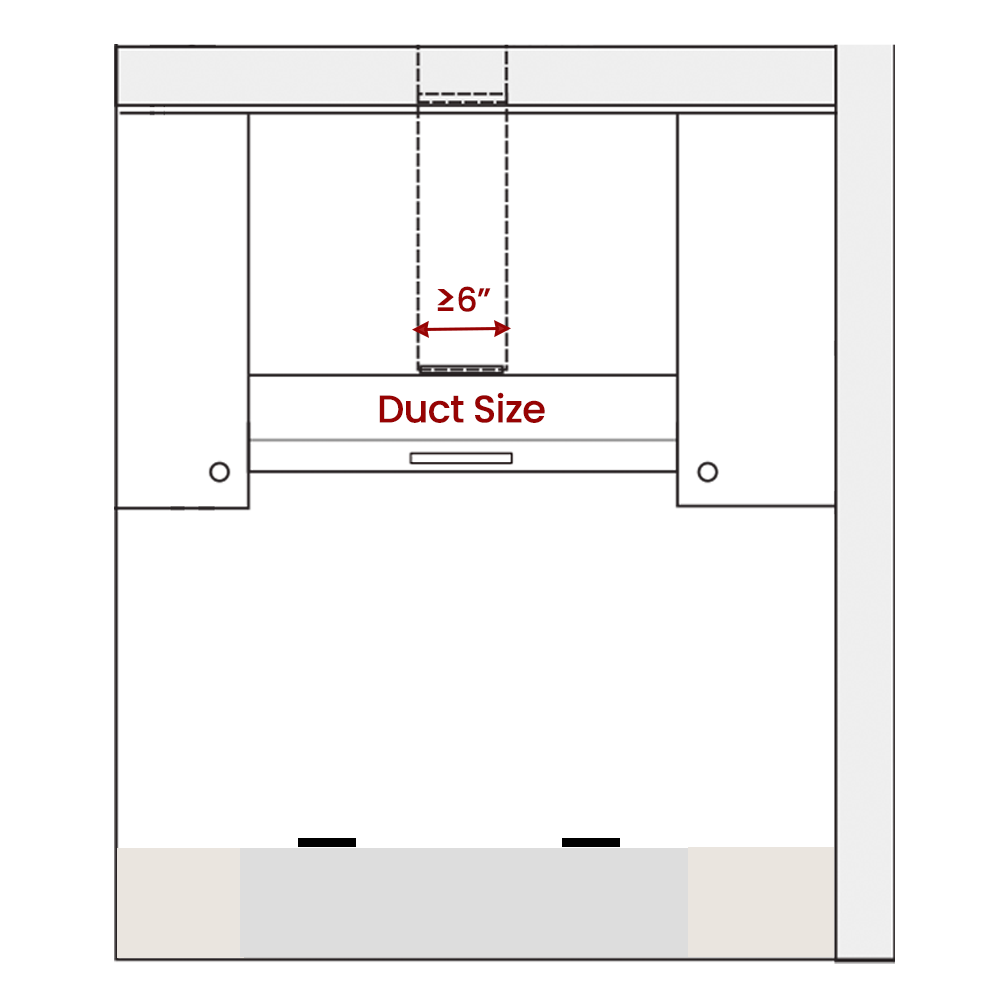
Are you planning to install a new range hood in your kitchen? One crucial factor you might be overlooking is the size of the duct.
Choosing the right duct size is essential for ensuring your range hood works efficiently, keeping your kitchen fresh and free from unwanted odors. But how do you determine the perfect size for your duct? Don’t worry, you’re not alone in this.
Many homeowners struggle with this decision, and making the wrong choice can lead to poor ventilation and costly repairs. You’ll discover everything you need to know about selecting the right duct size for your range hood, helping you make an informed decision that ensures optimal performance and peace of mind. Dive in to find the solution that fits your needs perfectly!
Range Hood Basics
Understanding the basics of range hoods helps you choose the right duct size. A range hood removes smoke, steam, and odors from your kitchen. Proper ventilation keeps air fresh and your cooking area clean. Knowing the types of range hoods and why ventilation matters is key to good kitchen design.
Types Of Range Hoods
Range hoods come in several styles to fit different kitchens. Wall-mounted hoods attach above the stove on a wall. Island hoods hang from the ceiling over an island cooktop. Under-cabinet hoods fit beneath kitchen cabinets. Downdraft hoods pull air down and out behind the stove. Each type needs the right duct size for best performance.
Importance Of Proper Ventilation
Good ventilation removes heat, smoke, and grease from cooking. It stops odors from spreading throughout the house. Proper airflow prevents moisture buildup and mold growth. Using the correct duct size helps the hood work efficiently. It also reduces noise and saves energy. Ventilation improves kitchen air quality and comfort.
Credit: www.amazon.ca
Duct Size And Airflow
Choosing the right duct size for your range hood is crucial because it directly impacts how well your kitchen stays smoke-free and odor-free. The duct size controls the airflow, which determines the efficiency of your ventilation system. Ignoring this can lead to poor performance and even damage your range hood over time.
How Duct Size Affects Performance
The diameter of the duct influences how easily air moves through it. Smaller ducts restrict airflow, causing your range hood to work harder and less effectively. Larger ducts allow air to flow smoothly, reducing noise and improving ventilation.
Think about your kitchen’s layout. If the duct is too narrow, it can create back pressure, making your range hood less efficient. Have you ever noticed your kitchen still smells smoky after cooking? The duct size might be the culprit.
Cfm And Its Role In Ventilation
CFM stands for cubic feet per minute, which measures how much air your range hood can move. The higher the CFM, the stronger the ventilation. But a powerful range hood with a small duct won’t perform well because the airflow is restricted.
Match the CFM rating of your hood with the appropriate duct size to maximize performance. For example:
| Range Hood CFM | Recommended Duct Size |
|---|---|
| Up to 300 CFM | 6-inch diameter |
| 300-400 CFM | 7-inch diameter |
| Over 400 CFM | 8-inch diameter or larger |
Does your current duct size match your range hood’s CFM? If not, you could be wasting energy and money while struggling with poor ventilation.
Common Duct Sizes
Choosing the right duct size for a range hood is vital for proper ventilation. Common duct sizes come in several standard options that fit most kitchen setups. Selecting the correct diameter ensures efficient airflow and reduces noise.
Understanding these common sizes helps in making the right choice. It also prevents problems like poor ventilation or excessive grease buildup.
Standard Diameter Options
Most range hoods use ducts with diameters of 6, 7, or 8 inches. The 6-inch duct is common for small to medium range hoods. It works well for moderate cooking needs.
An 8-inch duct is popular for larger, more powerful hoods. It offers better airflow and handles more smoke and steam. Some hoods may also use 10-inch ducts, but these are less common.
- 6 inches: Suitable for small kitchens and light cooking.
- 7 inches: A middle ground for moderate use.
- 8 inches: Best for high-performance range hoods.
When To Use Larger Ducts
Larger ducts are necessary for heavy cooking or commercial kitchens. They allow more air to move quickly, keeping the kitchen fresh. Use a duct larger than 8 inches if your range hood is very powerful.
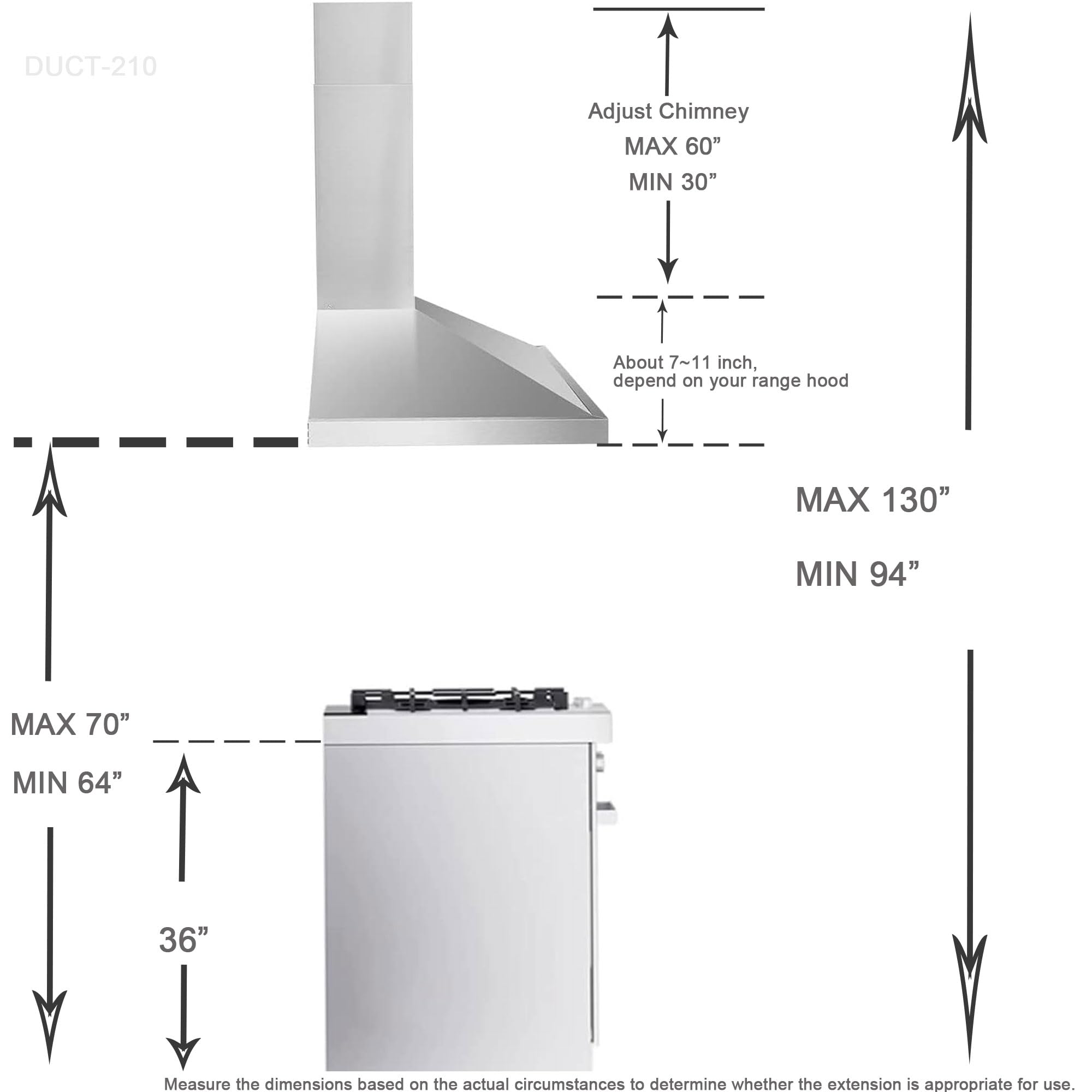
Long duct runs or multiple bends also require bigger ducts. This helps maintain airflow despite resistance. Oversizing prevents noise and strain on the hood’s fan.
Always check your range hood’s specifications for recommended duct size. Installing the right size improves performance and extends the hood’s life.
Credit: www.2pacific.com
Measuring For The Right Duct
Choosing the right duct size for your range hood starts with accurate measurement. Proper measurement ensures the hood works efficiently and reduces noise. Incorrect sizing can lead to poor ventilation and higher energy use.
Measure carefully to fit your kitchen layout and duct path. Consider every detail to avoid costly fixes later.
Assessing Kitchen Layout
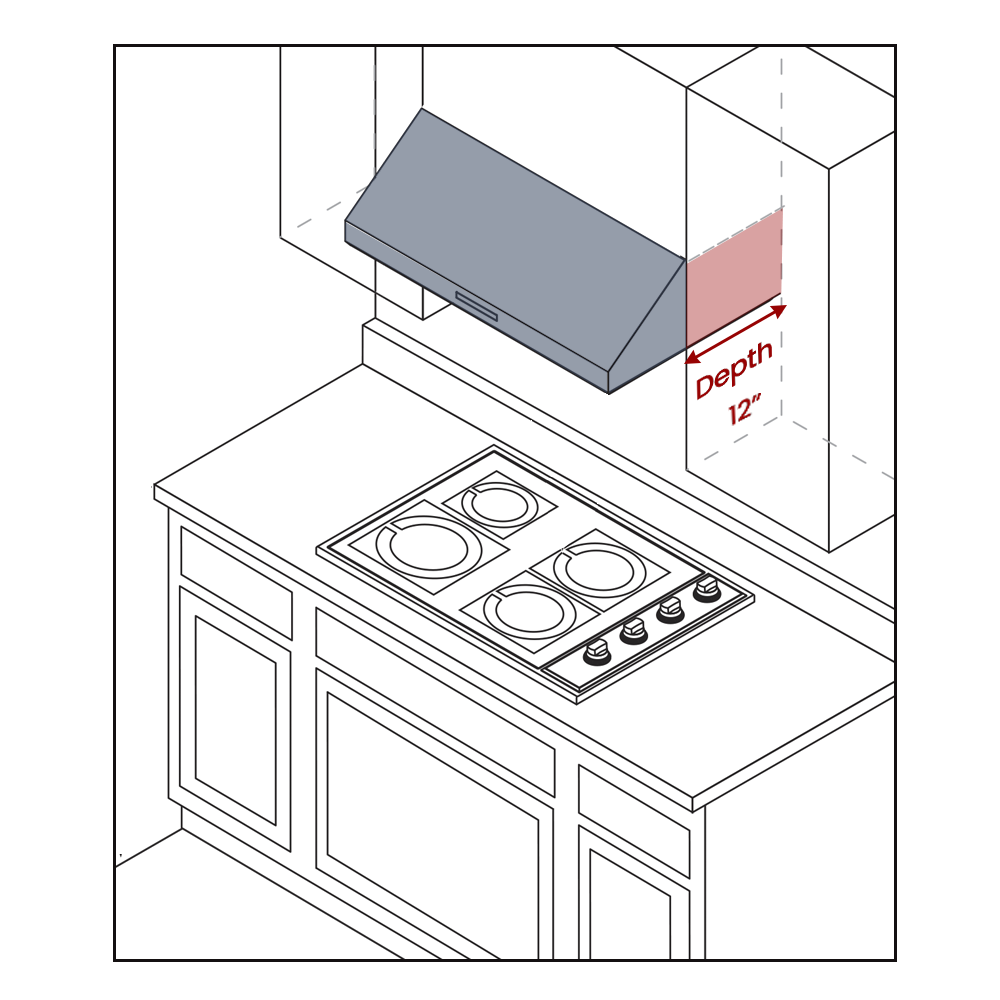
Check the location of your range and nearby walls. Note any cabinets or appliances that may block duct placement. Identify the most direct path from the hood to the outside vent. Avoid long or complicated routes. Plan for easy access to clean the duct in the future.
Calculating Duct Length And Bends
Measure the total duct length from the hood to the outside vent. Count every bend or turn in the duct path. Each bend reduces airflow and requires a larger duct size. Use this simple formula:
| Element | Equivalent Length (feet) |
|---|---|
| Straight Duct | Actual length |
| 90° Bend | 5 feet |
| 45° Bend | 2.5 feet |
Add these lengths to find total equivalent duct length. Use this total to select the duct size that maintains strong airflow.
Material Choices For Ducts
Choosing the right material for your range hood duct is key for proper ventilation. The material affects airflow, installation ease, and lifespan. Two main options exist: metal and flexible ducting. Each has unique features that suit different needs and spaces. Understanding these materials helps you pick the best fit for your kitchen.
Metal Vs. Flexible Ducting
Metal ducts are usually made of aluminum or galvanized steel. They offer smooth surfaces that improve airflow. Metal ducts resist heat well, making them safe for kitchen use. Installation can be more complex due to their rigidity.
Flexible ducts are made of plastic or metal wrapped in a flexible coil. They bend easily, allowing installation in tight spots. Airflow can slow down because of ridges inside the duct. Flexible ducts are less durable than metal but easier to install.
Durability And Maintenance
Metal ducts last longer and resist damage from heat and cleaning. They require less frequent replacement and hold up well against grease buildup. Cleaning metal ducts is simple with standard tools.
Flexible ducts can wear out faster. They may tear or get crushed, reducing airflow. Grease can build up in their grooves, needing careful cleaning. Regular checks help keep flexible ducts working well.
Installation Tips
Proper installation is key for a range hood to work well. It helps the hood move air efficiently and keeps your kitchen fresh. Small details during installation can make a big difference in performance and noise levels. Focus on reducing airflow problems and protecting the ducts from leaks and damage.
Minimizing Airflow Restrictions
Keep the duct as straight as possible. Sharp bends reduce airflow and make the fan work harder. Use smooth duct surfaces instead of flexible ducts to avoid air blockage. Choose the right duct size to match your range hood’s power. Larger ducts let air flow easier and reduce noise.
Avoid too many turns or long duct runs. Each bend slows down air movement. Use gradual curves if bends are necessary. Check for any obstacles inside the duct before sealing it. Clear ducts mean better suction and less energy use.
Sealing And Insulating Ducts
Seal all duct joints tightly with foil tape. This stops air leaks that lower performance. Do not use duct tape as it can lose stickiness over time. Proper sealing keeps the system efficient and quiet.
Insulate ducts running through unheated spaces. This prevents condensation inside the ducts. Moisture can cause mold and damage the ductwork. Use insulation sleeves or wrap insulation around the duct. Well-insulated ducts maintain airflow and protect your home.
Common Mistakes To Avoid
Choosing the right duct size for your range hood is crucial, but many homeowners make avoidable mistakes that reduce efficiency and cause frustration. These errors not only affect your kitchen’s ventilation but also impact the lifespan of your range hood.
Understanding common pitfalls can save you time, money, and unnecessary headaches. Let’s look at two major mistakes to steer clear of when selecting your duct size.
Using Undersized Ducts
Many people pick ducts that are too small, thinking a tighter fit will work fine. However, undersized ducts restrict airflow and force your range hood to work harder.
This can lead to poor ventilation, lingering cooking odors, and even damage to the fan motor over time. For instance, if your range hood requires a 6-inch duct but you use a 4-inch one, you’re reducing airflow significantly.
Ask yourself: Are you sacrificing performance for a quick fix? Always match the duct size recommended by the manufacturer to ensure your system works properly.
Ignoring Local Building Codes
Skipping local building codes is a common mistake that can cause serious issues. These codes often specify duct size, material, and installation methods for safety and efficiency.
Ignoring them might lead to failed inspections or even fire hazards. I once helped a friend who used a flexible plastic duct instead of a metal one, violating code and risking heat buildup.
Don’t overlook the rules—check your local regulations before buying or installing ducts. It’s better to invest a little time upfront than face costly changes later.
Upgrading Your Range Hood Duct
Upgrading your range hood duct can significantly improve your kitchen’s air quality and overall cooking experience. Many homeowners overlook the importance of duct size, but choosing the right size affects performance and efficiency. Let’s look at how you can tell if it’s time for an upgrade and why proper sizing matters.
Signs You Need A Bigger Duct
Is your kitchen still smoky or filled with cooking odors even after using the range hood? That’s a common sign your duct might be too small. A smaller duct restricts airflow, causing poor ventilation and making your hood work harder.
Other signs include:
- Excessive noise from the range hood fan
- Visible grease buildup inside the duct
- Frequent fogging of windows and mirrors nearby
If you notice these issues, consider checking the duct size against your range hood’s airflow requirements. Upgrading to a larger duct often solves these problems quickly.
Benefits Of Proper Sizing
Choosing the right duct size improves airflow, making your range hood more effective at removing smoke and odors. It also reduces strain on the fan, which can extend the life of your range hood.
Proper sizing can lead to:
- Lower energy costs due to increased efficiency
- Less maintenance with reduced grease buildup
- A quieter kitchen environment
Have you ever experienced a kitchen that feels stuffy despite the range hood running? Upgrading the duct size can change that experience dramatically. Investing in the correct duct size is a simple step that pays off every time you cook.

Credit: www.reddit.com
Frequently Asked Questions
What Size Duct Is Best For A Range Hood?
A 6-inch duct is commonly recommended for most range hoods. Larger ducts, like 8 inches, are ideal for high CFM hoods. Proper duct size ensures efficient airflow and reduces noise.
Can I Use A Smaller Duct For My Range Hood?
Using a smaller duct reduces airflow efficiency and increases noise. It can strain the fan motor and cause poor ventilation. Always follow manufacturer guidelines for duct size.
How Does Duct Size Affect Range Hood Performance?
Duct size directly impacts airflow capacity and noise levels. Larger ducts allow smoother airflow and better ventilation. Incorrect duct size can reduce hood efficiency and increase energy consumption.
Is 4-inch Ducting Suitable For Range Hoods?
4-inch ducts are generally too small for standard range hoods. They restrict airflow and can cause poor smoke and odor removal. Use 6-inch or larger ducts for effective performance.
Conclusion
Choosing the right duct size for your range hood matters a lot. It helps the hood work well and keeps your kitchen fresh. Too small ducts can cause poor airflow and noise. Too big ducts waste space and money. A 6-inch duct fits most standard hoods, but bigger ones may need 8-inch ducts.
Check your range hood’s manual before buying. Proper duct size means better air quality and less cooking smell. Simple steps like this make your kitchen safer and cleaner. Easy and smart!