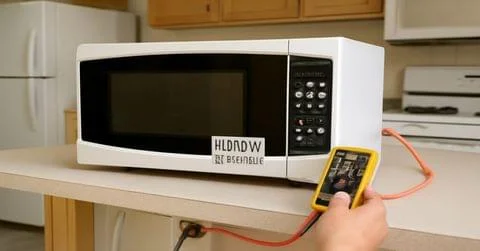
Have you ever wondered how much power your microwave oven uses? Understanding the amps your microwave draws can be crucial for managing your home’s electrical load and ensuring safety.
You might be surprised to learn that this common kitchen appliance can significantly impact your energy consumption. By knowing exactly how many amps your microwave uses, you can make informed decisions about your energy usage, potentially saving money on your electricity bill and preventing electrical overloads.
We’ll break down everything you need to know about microwave amps in simple terms, so you can keep your kitchen running smoothly and safely. Stick around to discover tips that could make a big difference in your daily life!

Credit: www.allelcoelec.com
Microwave Power And Amps
Understanding how many amps a microwave oven draws helps with safe electrical use. The power rating of a microwave tells us about its energy consumption and current draw. Knowing the relationship between watts and amps is key to this.
Watts And Electrical Current
Watts measure the power a microwave uses. Amps measure the electrical current flowing through the circuit. Power equals voltage times current. This means watts depend on amps and voltage. Household voltage in the U.S. is usually 120 volts.
Typical Microwave Wattage
Most microwaves have power ratings between 600 and 1200 watts. Small models might use around 600 watts. Larger or more powerful microwaves can reach up to 1200 watts or more. The wattage affects cooking speed and electricity use.
Calculating Amps From Watts
To find amps, divide watts by voltage. For example:
| Wattage | Voltage | Amps |
|---|---|---|
| 900 W | 120 V | 900 ÷ 120 = 7.5 A |
| 1200 W | 120 V | 1200 ÷ 120 = 10 A |
This simple calculation shows the current a microwave draws while running. It helps ensure the circuit can handle the load safely.

Credit: leaptrend.com
Standard Microwave Amperage
Understanding the standard amperage of a microwave oven helps you manage your kitchen’s electrical load better. Knowing how much current your microwave draws can prevent circuit overloads and ensure safety. Let’s break down what you can expect from different types of microwaves.
Low-power Microwaves
Low-power microwaves typically draw less current because they use less wattage. These models usually range from 600 to 900 watts and draw about 5 to 7 amps. They’re perfect for small tasks like reheating coffee or melting butter without consuming too much electricity.
Have you noticed how quickly your small microwave heats water? That’s because it’s designed to use less power efficiently, which also means it’s less likely to trip your circuit breaker.
High-power Microwaves
High-power microwaves use more wattage, often between 1000 and 1500 watts. These ovens can draw 10 to 15 amps, depending on their power rating and features. They cook food faster and are ideal for larger meals or families who need quick results.
If you’ve ever had your microwave trip the breaker during cooking, it was likely a high-power model drawing more amps than your circuit could handle. Knowing this helps you plan your kitchen’s electrical setup better.
Average Current Draw
Most standard microwaves fall into the 7 to 12 amps range during operation. This average depends largely on the wattage and efficiency of the microwave. Always check the label or manual to find the exact amperage for your model.
To put it simply, if your microwave is rated at 1200 watts on a 120-volt circuit, it will draw about 10 amps (1200 ÷ 120 = 10). This calculation is handy when you want to avoid overloading your kitchen circuits.
Voltage And Circuit Requirements
Understanding the voltage and circuit requirements is key to safely using a microwave oven. Microwaves need specific electrical settings to work correctly and avoid hazards. Checking the power supply and circuit setup helps prevent damage and ensures efficient operation.
Household Voltage Standards
Most homes use either 110-120 volts or 220-240 volts. Microwaves typically run on 110-120 volts in North America. In Europe and many other places, they use 220-240 volts. Knowing your home’s voltage helps match the microwave’s power needs. A mismatch can cause poor performance or electrical issues.
Recommended Circuit Breakers
Microwaves usually require a dedicated circuit breaker. This breaker protects the appliance and wiring from overload. Commonly, a 15- or 20-amp breaker is suitable for most microwave ovens. The exact breaker size depends on the microwave’s wattage and current draw. Using the correct breaker size avoids tripping and electrical fires.
Safety Precautions
- Always use a grounded outlet to prevent shocks.
- Do not plug the microwave into an extension cord.
- Ensure the circuit is rated for the microwave’s amperage.
- Check for damaged cords or plugs before use.
- Consult a professional electrician if unsure about wiring.

Credit: www.allelcoelec.com
Factors Affecting Amp Draw
The amount of current a microwave oven draws depends on several key factors. These factors influence its electrical consumption and how many amps it pulls from the power source. Understanding them can help you estimate the microwave’s power needs more accurately.
Microwave Features And Accessories
Different microwaves have various features that affect amp draw. Models with convection settings, grills, or sensors use more electricity. Accessories like turntables and lights also add to the total current. More features usually mean higher amp draw during operation.
Age And Condition
Older microwaves tend to be less efficient and may draw more amps. Worn-out parts or poor maintenance can increase electrical use. Newer models often have improved technology that reduces current draw. Keeping your microwave in good condition helps maintain its efficiency.
Power Settings
The selected power level greatly affects how many amps the microwave uses. High power settings require more current to heat food quickly. Lower power settings reduce amp draw by cycling the magnetron on and off. Adjusting power levels can control energy consumption effectively.
Measuring Microwave Amps
Measuring the amps drawn by a microwave oven helps understand its power use. This measurement reveals how much current the microwave needs to work properly. Knowing this can prevent electrical overloads and ensure safe operation.
Different tools and techniques exist to measure the current accurately. Each method has its own advantages and level of complexity. Choose the one that fits your skills and available tools.
Using A Clamp Meter
A clamp meter measures current without disconnecting the microwave. It works by clamping around one wire of the microwave’s power cord.
- Switch the microwave on and set the clamp meter to AC amps.
- Open the clamp jaws and place them around the live wire only.
- Read the current directly from the meter’s display.
This method is safe and quick. It does not interrupt power flow and requires no wiring changes.
Multimeter Method
A multimeter can measure amps but needs careful handling. It requires breaking the circuit to connect the meter in series.
- Turn off the microwave and unplug it first.
- Set the multimeter to the highest AC amp range.
- Disconnect one wire and connect the multimeter leads in series.
- Plug in the microwave and turn it on to read the current.
This method is more involved and riskier. Only attempt it if you understand electrical safety well.
Professional Testing
Hiring a professional electrician ensures accurate and safe measurement. Professionals use advanced tools and follow strict safety rules.
- They can test microwave amps without damaging appliances or wiring.
- They verify if the microwave’s current draw matches manufacturer specs.
- They identify electrical issues that could cause problems later.
Professional testing is best for complex cases or if you lack proper tools.
Reducing Electrical Load
Reducing the electrical load of your microwave oven not only saves energy but also lowers your utility bills and prevents circuit overloads. Understanding how to manage this load effectively can make a significant difference in your home’s overall power consumption. Let’s look at practical ways you can reduce the amps your microwave draws without sacrificing performance.
Energy Efficient Models
Choosing an energy-efficient microwave can cut down the amps drawn during operation. Look for models with the ENERGY STAR label, which meet strict efficiency guidelines. These microwaves use less power by improving magnetron design and insulation, reducing electricity use by up to 30% compared to older models.
Have you checked the wattage on your current microwave? Lower wattage models usually draw fewer amps but might take longer to cook food. Finding the right balance between power and energy use can help you save without frustration.
Proper Usage Tips
How you use your microwave affects its electrical load. Avoid running it empty, as this wastes energy and can damage the appliance. Use microwave-safe covers to trap steam and heat, which cooks food faster and reduces cooking time.
Try defrosting items at lower power settings to prevent sudden high energy surges. Also, grouping cooking tasks together instead of running the microwave multiple times can reduce overall amp draw across the day.
Maintenance For Efficiency
Keeping your microwave clean and well-maintained helps it run efficiently and draw fewer amps. Food particles inside can absorb energy, forcing the microwave to work harder. Regularly wipe down the interior and check the door seals to ensure proper operation.
Have you noticed your microwave taking longer to heat food? It might be time for a professional check-up. Faulty components can increase electrical load and reduce efficiency, costing you more in the long run.
Frequently Asked Questions
How Many Amps Does A Typical Microwave Use?
A typical microwave oven uses between 5 to 15 amps depending on its wattage. Most common models draw around 10 amps during operation.
Does Microwave Wattage Affect Its Amp Draw?
Yes, higher wattage microwaves draw more amps. For example, a 1000-watt microwave generally uses about 8 to 10 amps.
Can A Microwave Overload A Household Circuit?
Yes, if the microwave draws more amps than the circuit rating, it can trip the breaker or cause overload.
How To Calculate Microwave Amp Draw From Wattage?
Divide the microwave’s wattage by your home voltage (usually 120V). For example, 1200W ÷ 120V = 10 amps.
Conclusion
A microwave oven usually draws between 5 and 15 amps. This depends on the model and its power rating. Knowing the amps helps you use the right circuit and avoid problems. Always check your microwave’s label for exact information. Using the correct circuit keeps your kitchen safe.
Now, you have a clear idea about microwave amperage. This makes choosing and using your microwave easier. Simple and safe.