Are you wondering how many CFM your range hood really needs? Choosing the right airflow for your kitchen can feel confusing, but it’s one of the most important decisions you’ll make.
Too little power, and your kitchen will fill with smoke and odors. Too much, and you’ll waste energy and money. You’ll discover exactly how to find the perfect CFM for your range hood—so your kitchen stays fresh, clean, and comfortable every time you cook.
Keep reading to make sure you get it right the first time.
What Is Cfm In Range Hoods
Understanding the term CFMis key when choosing the right range hood for your kitchen. CFM stands for cubic feet per minute, which measures how much air the hood can move. This number helps you figure out how effective your range hood will be at clearing smoke, odors, and grease while you cook.
Cfm And Airflow Basics
CFM indicates the volume of air a range hood can pull out of your kitchen every minute. A higher CFM means stronger airflow, which can quickly remove cooking fumes. But, it’s not just about having the highest number—you need the right CFM based on your stove size and cooking habits.
For example, if you have a small electric stove, a range hood with 300-400 CFM might be enough. However, if you use a gas stove or frequently cook meals that create a lot of smoke, you’ll need a higher CFM to keep your kitchen air fresh.
Why Cfm Matters
Choosing the wrong CFM can lead to problems you might not expect. If the CFM is too low, your kitchen will fill with smoke and odors, making cooking uncomfortable. Too high, and you might face excessive noise or drafts that disrupt your cooking space.
Have you ever noticed a range hood that’s too loud or doesn’t seem to clear the air? That’s often because the CFM wasn’t matched to the kitchen’s needs. Getting the right balance improves your cooking experience and helps maintain a clean, healthy kitchen environment.
Credit: prolinerangehoods.com
Factors Influencing Cfm Needs
Several factors determine how many cubic feet per minute (CFM) a range hood needs. These factors help ensure the hood removes smoke, odors, and steam effectively. Understanding them helps pick the right CFM for your kitchen and cooking habits.
Kitchen Size And Layout
The size of the kitchen affects how much air the hood must move. Larger kitchens need higher CFM to clear air quickly. Open layouts may require more power because air flows freely and spreads odors. Small kitchens need less CFM since air is contained in a smaller space.
Cooking Style And Frequency
Heavy cooking styles, like frying or grilling, produce more smoke and grease. These styles demand higher CFM to keep the air clean. Cooking often also raises CFM needs to avoid lingering smells. Light cooking, such as boiling or steaming, needs less ventilation power.
Range Size And Type
The size of your cooking range impacts CFM requirements directly. Larger ranges, especially those wider than 30 inches, need stronger hoods. Gas ranges tend to produce more heat and fumes, requiring higher CFM. Electric ranges usually need less ventilation than gas.
Calculating Required Cfm
Calculating the required CFM (cubic feet per minute) for a range hood helps ensure effective kitchen ventilation. The right CFM moves smoke, odors, and moisture out efficiently. It depends on the stove size, cooking habits, and duct setup.
Simple Cfm Estimation Formula
Start by measuring the stove’s width in inches. Multiply the width by 100 to get a basic CFM estimate. For example, a 30-inch stove needs about 3,000 CFM.
- Stove width (in inches) × 100 = Estimated CFM
This formula suits electric stoves with normal cooking. Gas stoves or heavy cooking require higher CFM.
Adjusting For Ventilation Type
Consider the ventilation style when adjusting the CFM. Ducted range hoods use outside air and need accurate CFM. Ductless hoods recycle air, so they need less airflow but more filtering power.
For ductless hoods, reduce estimated CFM by 30-50%. For ducted systems, keep or increase CFM based on cooking intensity.
Considering Duct Length And Bends
Long duct runs and bends reduce airflow. Add extra CFM to compensate for resistance. Each 10 feet of duct or a 90-degree bend can lower airflow by 10-20%.
| Factor | Adjustment |
|---|---|
| Every 10 feet of duct | Increase CFM by 10% |
| Each 90-degree bend | Increase CFM by 10-20% |
Calculate total adjustments and add them to the base CFM estimate. This ensures the hood performs well in real conditions.
Credit: homeoutletdirect.ca
Types Of Range Hoods And Their Cfm
Choosing the right range hood means understanding the type that fits your kitchen layout and how much airflow it delivers, measured in CFM (cubic feet per minute). Different styles of range hoods have varying CFM needs based on their placement and cooking habits. Let’s look at common types of range hoods and what CFM levels you should consider for each.
Under-cabinet Hoods
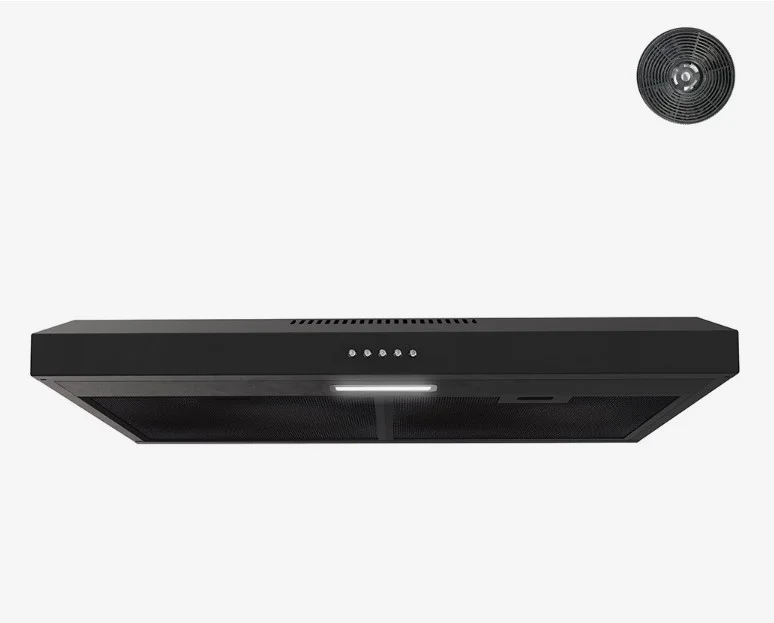
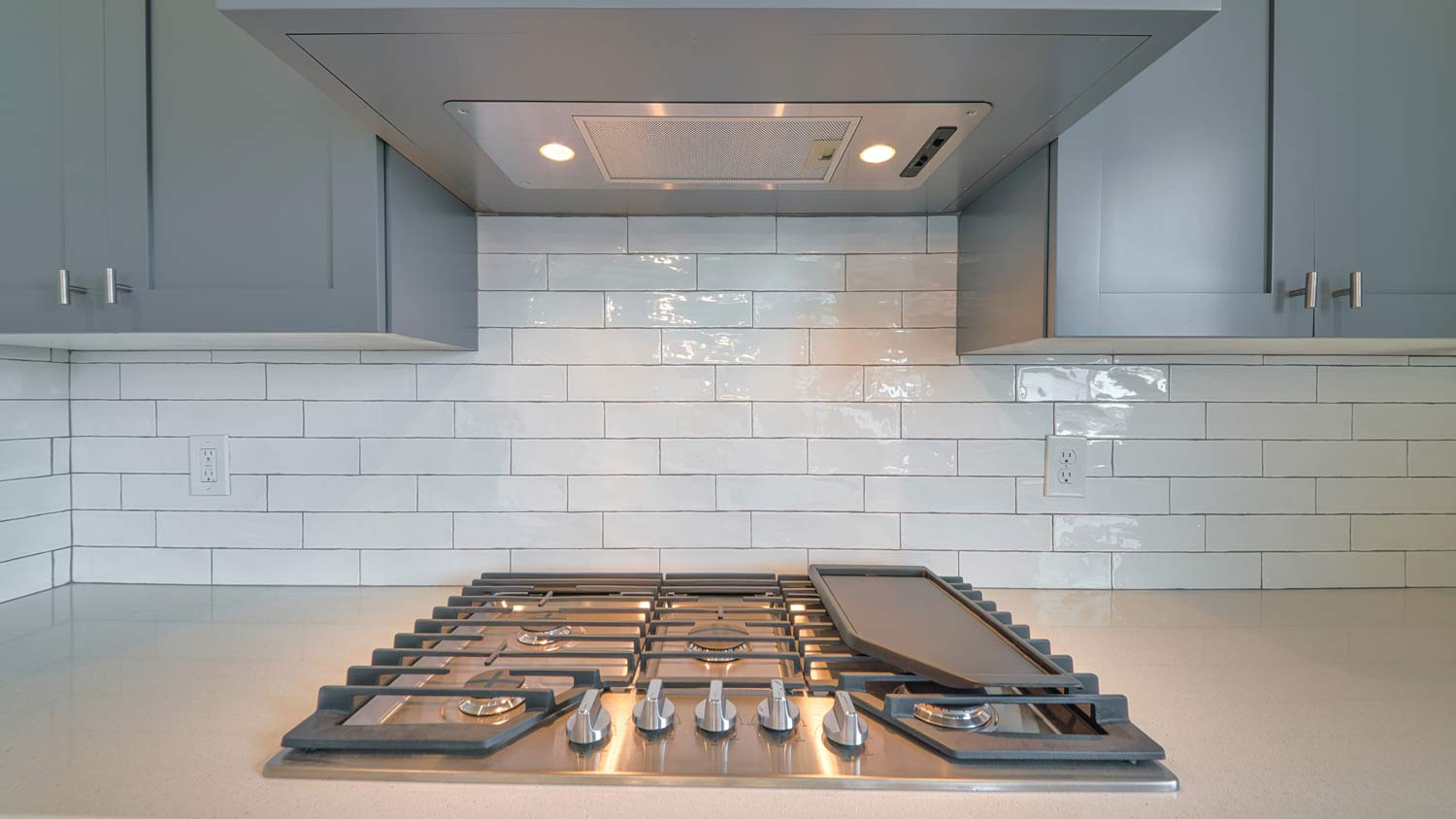
Under-cabinet hoods are installed directly beneath kitchen cabinets, making them a popular choice for traditional kitchens. They usually require a moderate CFM, typically between 300 and 600 CFM, depending on your cooking intensity. If you cook with a lot of frying or grilling, aim for the higher end of that range to keep smoke and odors under control.
Wall-mounted Hoods
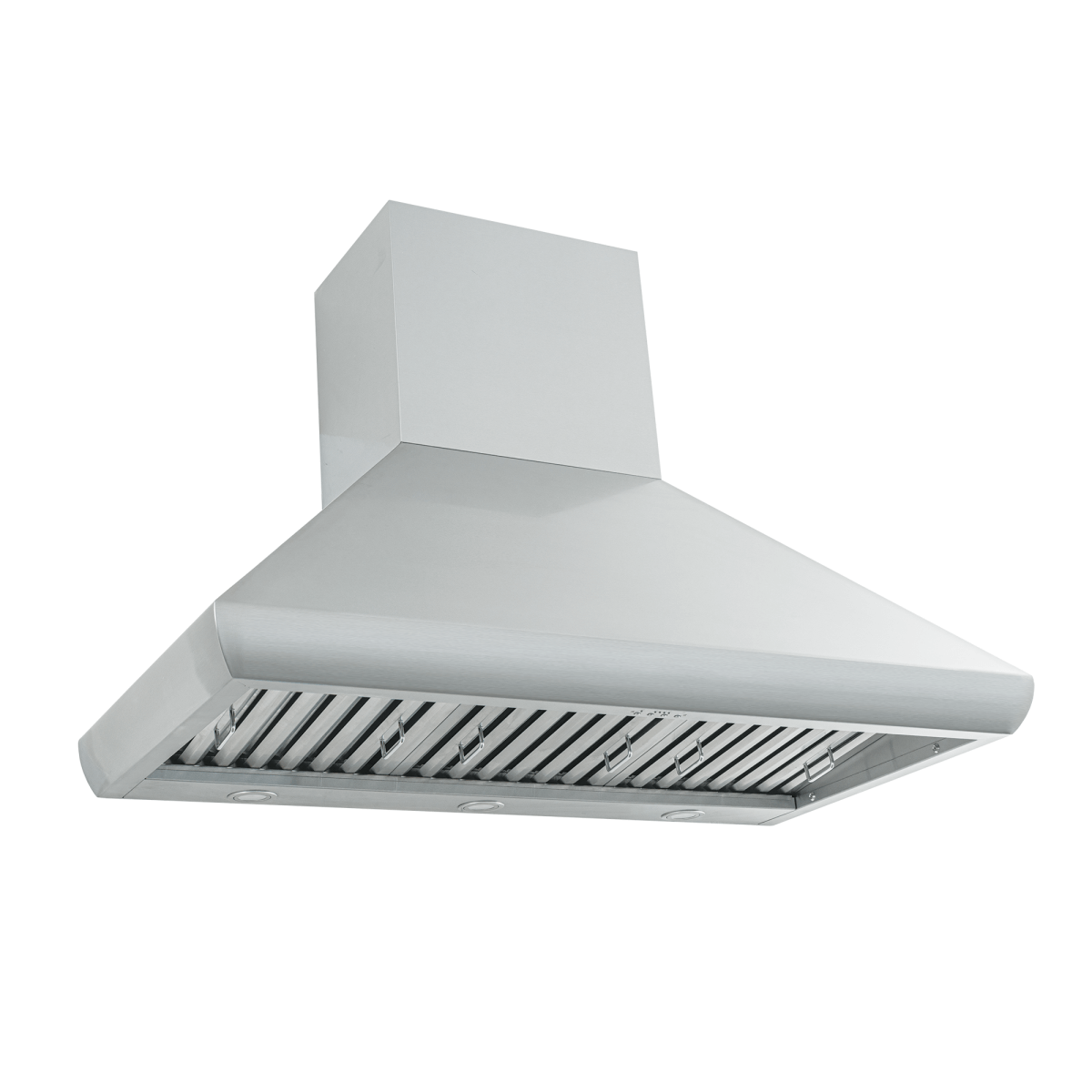
Wall-mounted hoods are attached to the wall above your stove and often feature a larger hood surface. These can handle higher CFM levels, usually between 600 and 900 CFM, because they cover more area and need to pull air from a wider space. If your kitchen has high ceilings, a powerful wall-mounted hood is a smart choice to ensure efficient ventilation.
Island Hoods
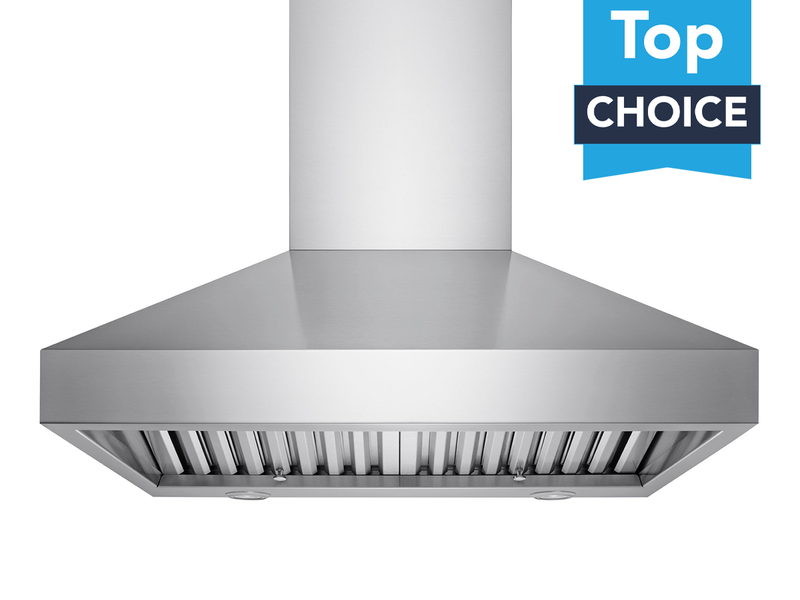
Island hoods hang from the ceiling over an island cooktop, making their airflow needs a bit more demanding. Since they are open on all sides, they require a higher CFM, often between 800 and 1200 CFM, to effectively clear smoke and steam. The larger the cooking surface on your island, the more powerful your hood should be to keep your kitchen fresh.
Downdraft Systems
Downdraft systems pull air downwards through vents located behind or beside the cooktop instead of above. These systems generally have lower CFM ratings, around 200 to 500 CFM, but they can struggle with heavy smoke or grease. If you prefer a cleaner look with no overhead hood, be ready to cook lightly or accept less powerful ventilation.
Energy Efficiency And Noise Levels
Choosing the right CFM for your range hood isn’t just about how powerful it is. You also need to think about energy efficiency and noise levels. These factors affect your kitchen’s comfort and your utility bills, so striking the right balance is key.
Balancing Power And Efficiency
Higher CFM means stronger airflow, but it usually comes with higher energy consumption. Imagine running a powerful fan all day—it cools quickly but uses more electricity. The same goes for your range hood.
Look for models with energy-efficient motors that deliver strong suction without spiking energy use. Variable speed settings can also help—you only use full power when needed, saving energy during lighter cooking.
Ask yourself: Do you cook heavy meals often, or mostly light snacks? This helps decide the right CFM that won’t waste energy. A 300-400 CFM hood can be plenty for everyday cooking, but a 600+ CFM might be necessary for frequent frying or grilling.
Sound Ratings And Comfort
Noise is often overlooked but can make a big difference in your kitchen experience. A loud hood can drown out conversations or music, making cooking less enjoyable.
Look for sound ratings measured in sones—a lower number means quieter operation. For example, 1.5 sones is about the noise of a quiet refrigerator, while 6 sones is more like a vacuum cleaner.
Consider models that balance noise and performance. Sometimes a slightly lower CFM with quieter operation is better than a noisy powerful fan. Your kitchen should feel comfortable, not like a construction zone.
What noise level would you find acceptable during cooking? Testing different models in-store can help you find a hood that fits your comfort zone.
Installation Tips To Optimize Cfm
Optimizing the CFM of your range hood during installation ensures strong ventilation. Proper setup helps the hood work efficiently. It removes smoke, odors, and heat better. Here are key tips to get the best performance from your range hood.
Proper Hood Height
Place the hood at the right height above the cooktop. Too high reduces suction power. Too low blocks your view and creates hazards. The ideal height is usually between 24 and 30 inches. Check the manufacturer’s instructions for exact measurements.
Ducting Best Practices
Use smooth, straight ducts to allow air to flow easily. Avoid sharp bends, long runs, and small ducts. These reduce airflow and lower CFM. Use rigid metal ducts instead of flexible ones. Seal all connections tightly to prevent leaks.
Maintenance For Performance
Clean filters regularly to keep airflow strong. Grease buildup blocks air and reduces suction. Replace filters if they are worn out. Check the ductwork yearly for blockages or damage. Proper maintenance keeps your range hood working at full CFM capacity.
Common Mistakes In Choosing Cfm
Choosing the right CFM (cubic feet per minute) for your range hood is more than just picking a number. Many people make avoidable mistakes that lead to poor ventilation or unnecessary expenses. Understanding these common errors can save you from frustration and help you get the best performance for your kitchen.
Underestimating Ventilation Needs
One of the biggest mistakes is underestimating how much ventilation your kitchen actually requires. If you cook a lot or use high-BTU burners, a low CFM won’t clear out smoke and odors effectively. I once installed a range hood with 300 CFM thinking it was enough, but the kitchen stayed smoky until I upgraded to 600 CFM.
Think about your cooking habits. Do you often fry or grill? Do you have an open kitchen layout? These factors demand higher CFM to maintain air quality. Don’t guess—measure your kitchen size and cooking intensity to find the right airflow.
Ignoring Noise And Energy Factors
Choosing a range hood based solely on CFM without considering noise can lead to daily annoyance. High CFM models often run louder, which can disrupt conversations or make cooking stressful. It’s important to balance airflow with noise levels so your kitchen stays comfortable.
Energy consumption is another factor that many overlook. A powerful range hood with high CFM might draw more electricity, increasing your utility bills. Look for models with energy-efficient motors and variable speed controls to save money without sacrificing performance.
Credit: www.angi.com
Frequently Asked Questions
What Is The Ideal Cfm For A Kitchen Range Hood?
The ideal CFM depends on your cooktop size and cooking style. Generally, 100 CFM per linear foot of cooktop is recommended for effective ventilation. For heavy cooking, consider higher CFM to remove smoke, odors, and grease efficiently.
How To Calculate Cfm Needed For Range Hood?
Multiply your cooktop width in feet by 100 CFM for a basic estimate. Adjust higher if you cook frequently or use high heat. This ensures your range hood ventilates air properly and keeps your kitchen smoke-free.
Does Higher Cfm Mean Better Range Hood Performance?
Not always. Higher CFM improves ventilation but may cause noise and energy use. Choose a balanced CFM based on kitchen size, cooking habits, and noise tolerance for optimal performance.
Can A Low Cfm Range Hood Handle Heavy Cooking?
Low CFM hoods struggle with strong odors and smoke from heavy cooking. For frequent frying or grilling, select a range hood with higher CFM to maintain clean air and reduce grease buildup.
Conclusion
Choosing the right CFM for your range hood matters a lot. It keeps your kitchen fresh and clean. Too low, and smoke stays; too high, and noise grows. Think about your stove size and cooking habits. A balanced airflow helps remove odors and steam fast.
A good range hood makes cooking more pleasant every day. Now, you know how to pick the right CFM. Breathe easy and cook with comfort. Simple steps lead to better kitchen air.