
Imagine having a sudden craving for a piece of delicious cake, but the thought of preheating the oven and waiting for an hour seems too much. What if there was a quicker way to satisfy your sweet tooth?
That’s where your trusty microwave oven comes into play. You might be wondering, “Can I really bake a cake in a microwave oven? ” The answer might surprise you. By the end of this article, not only will you know the answer, but you’ll also discover how easy it can be to whip up a tasty cake with just the push of a button.
So, if you’re ready to explore this delicious possibility and save time in the kitchen, keep reading!
Microwave Cake Basics
Baking a cake in a microwave oven is surprisingly simple once you understand the basics. It’s a quick way to satisfy your sweet tooth without heating up the entire kitchen. Before you start, knowing how microwave baking works and what ingredients to pick can make a big difference in your cake’s texture and taste.
How Microwave Baking Works
Microwave ovens cook food by using electromagnetic waves that excite water molecules inside the batter. This process generates heat quickly and evenly, but it’s different from the dry heat in conventional ovens.
Because microwaves heat from the inside out, cakes cook much faster. That means your batter sets quickly, so you need to watch the timing closely to avoid overcooking.
Have you noticed how microwave-baked cakes often have a different texture? They tend to be moister and sometimes denser, which can be great or not, depending on your preference.
Choosing The Right Ingredients
Not every cake recipe works well in a microwave. You want ingredients that can handle rapid cooking and moisture retention.
- Flour:Use all-purpose flour for a good balance. Too much gluten can make the cake tough, so avoid bread flour.
- Leavening agents:Baking powder or baking soda helps your cake rise quickly. Make sure they’re fresh for the best results.
- Fats:Butter or oil adds moisture. Oil often works better in microwave cakes because it stays liquid and keeps the cake soft.
- Liquids:Milk or water hydrates the flour and activates leavening. You can also use yogurt or buttermilk for extra tenderness.
- Eggs:They bind ingredients and add structure. Using one or two eggs depending on the recipe usually works well.
Think about your favorite cake flavors—do you prefer chocolate, vanilla, or something fruit-based? Adjusting ingredients for microwave baking can help keep those flavors vibrant and enjoyable.

Credit: www.youtube.com
Best Microwave Cake Recipes
Baking cake in a microwave oven can be a game-changer, especially when you’re short on time or don’t want to heat up the whole kitchen. The best microwave cake recipes offer quick, tasty results without complicated steps. Whether you want a single serving or a healthier treat, there’s a microwave cake recipe that fits your craving.
Mug Cakes For One
Mug cakes are perfect when you want a fresh, warm dessert in minutes. You only need a few simple ingredients like flour, sugar, cocoa powder, and milk. The beauty is you mix everything directly in a mug and microwave it for about 1 to 2 minutes.
Have you tried adding peanut butter or a sprinkle of chocolate chips to your mug cake? It’s a quick way to customize your treat without extra effort. Plus, cleaning up is super easy since you only used one mug!
Quick Chocolate Cake
A quick chocolate cake in the microwave can satisfy your sweet tooth instantly. Use basic pantry staples: cocoa powder, sugar, eggs, and butter. Mix them well, pour into a microwave-safe dish, and cook for 3 to 5 minutes.
Try topping it with a dollop of whipped cream or a scoop of ice cream. This simple dessert makes you wonder why you ever waited for the oven to heat up. Would you believe it tastes just as rich as a traditional baked cake?
Healthy Microwave Cake Options
You can enjoy a healthier cake without sacrificing flavor or texture. Substitute refined flour with whole wheat or oat flour, and replace sugar with natural sweeteners like honey or mashed bananas. Adding Greek yogurt or applesauce keeps the cake moist and nutritious.
Why not experiment with adding nuts or fresh fruits? These ingredients boost the flavor and add extra nutrients. It’s proof that microwave cakes can be both quick and good for you.
Essential Microwave Baking Tips
Baking a cake in a microwave oven can feel like a quick fix, but it demands attention to detail. The microwave’s unique heating style means you need to adapt your approach to get the best results. Let’s look at key tips that will help you bake a moist, fluffy cake without any hiccups.
Using Microwave-safe Containers
Only use containers labeled as microwave-safe. Glass or ceramic dishes work best because they distribute heat evenly. Plastic containers can melt or leach chemicals, which is unsafe and ruins your cake.
Choose a container that fits well inside your microwave without touching the sides. This ensures your cake cooks evenly. Also, avoid metal pans—they cause sparks and can damage your microwave.
Adjusting Cooking Times
Microwaves vary widely in power, so cooking times aren’t one-size-fits-all. Start with the recipe’s suggested time but check your cake often by inserting a toothpick. If it comes out clean, your cake is done.
Microwave heat penetrates food differently than an oven, often cooking faster. It’s better to undercook slightly and add more time if needed. This helps prevent overcooking, which leads to dry cakes.
Avoiding Common Mistakes
- Overmixing batter:It traps too much air, causing your cake to rise then collapse.
- Using too large containers:This can make the cake thin and dry.
- Ignoring standing time:Let your cake rest for a few minutes after microwaving to finish cooking evenly.
Have you ever baked a cake in the microwave only to find it rubbery or uneven? These pitfalls are easy to avoid with the right approach, and once you get it right, microwave baking can save you a lot of time without sacrificing taste.

Credit: www.youtube.com
Enhancing Flavor And Texture
Baking a cake in a microwave oven is quick and easy. Still, getting the flavor and texture right takes some tips. Enhancing moisture and richness improves the taste. Creative toppings and decorations make the cake look and taste better.
Adding Moisture And Richness
Microwave cakes can dry out fast. Adding ingredients like yogurt or applesauce keeps them moist. These add natural sweetness and soft texture. Using melted butter or oil adds richness to the cake. Avoid overcooking to keep the cake tender. Stir batter gently for even texture. Small changes in moisture make a big difference.
Toppings And Decorations
Toppings add flavor and visual appeal. Simple options like fresh fruit brighten taste and color. A drizzle of chocolate or caramel sauce adds richness. Whipped cream or frosting softens each bite. Nuts or sprinkles add a crunchy texture contrast. Decorating lets you customize your cake. It makes microwave baking feel special and fun.
Troubleshooting Microwave Cakes
Baking a cake in a microwave can be quick and convenient. Yet, sometimes the results may not be perfect. Troubleshooting helps fix common problems and improves your microwave cake baking skills. Understanding what causes issues like uneven cooking or poor texture makes a big difference.
Fixing Undercooked Or Overcooked Cakes
Microwave cakes often cook unevenly. The edges might be dry while the center stays raw. To fix this, try these tips:
- Reduce the power level to 70-80% to cook more evenly.
- Check the cake halfway through cooking to avoid overcooking.
- Use a microwave-safe plate to allow heat circulation.
- Cover the cake with a microwave-safe lid or wrap to keep moisture.
Use a toothpick to test doneness. Insert it in the center; it should come out clean or with a few crumbs. If undercooked, continue microwaving in short bursts of 10 seconds.
Dealing With Dry Or Dense Texture
Microwave cakes can turn dry or dense due to quick cooking or incorrect ingredients. To improve texture:
- Add a little extra liquid like milk or water to the batter.
- Mix the batter gently, avoiding overmixing.
- Use fresh baking powder or baking soda for better rise.
- Try adding a small amount of oil or butter for moistness.
Let the cake rest a few minutes after microwaving. This helps moisture distribute evenly. Adjust time and ingredients gradually to find what works best for your microwave.
Microwave Vs Oven Baking
Baking a cake in a microwave oven versus a conventional oven can lead to very different experiences and results. Each method has its own advantages and drawbacks that affect how your cake turns out. Understanding these differences can help you choose the best approach for your baking needs.
Speed And Convenience
Microwave baking is incredibly fast. You can have a cake ready in just a few minutes, which is perfect if you’re in a hurry or craving a quick treat.
On the other hand, conventional ovens take longer to heat and bake. But they allow you to bake larger cakes and multiple items at once.
Think about what matters more to you: quick results or the ability to bake bigger batches? Your choice depends on your time constraints and what you want to achieve in the kitchen.
Texture And Taste Differences
Cakes baked in microwaves often have a different texture. They tend to be more moist but can sometimes end up gummy or unevenly cooked.
Conventional ovens provide even heat, which helps create a better crumb and a nicely browned crust. This usually results in a richer flavor and more satisfying bite.
Does the texture of your cake matter more than the speed? If you prioritize taste and classic cake qualities, an oven might be your better option. But if you want convenience and don’t mind a slightly different texture, the microwave can surprise you.
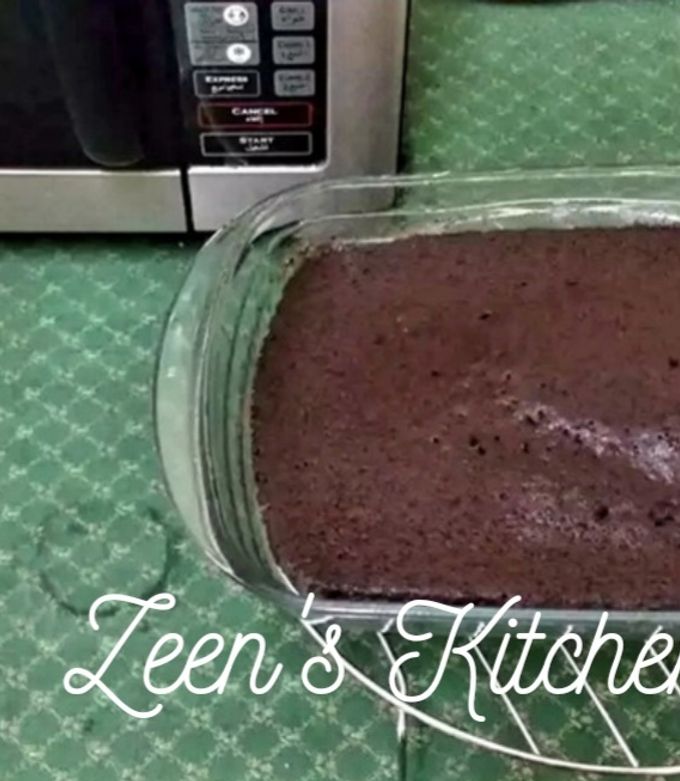
Credit: cookpad.com
Frequently Asked Questions
Can I Bake A Cake In A Microwave Oven?
Yes, you can bake a cake in a microwave oven. Use microwave-safe containers and adjust the cooking time. Microwave baking is faster but may affect texture. Always follow specific microwave cake recipes for best results.
How Long Does A Microwave Cake Take To Bake?
Microwave cakes typically take 3 to 5 minutes to bake. Time varies based on power wattage and cake size. Check doneness with a toothpick to avoid overcooking. Adjust time for smaller or larger portions accordingly.
Is Microwave Baking Healthier Than Conventional Baking?
Microwave baking is not necessarily healthier. It uses less oil and time but retains similar ingredients. The healthiness depends on your recipe, not the appliance. Both methods can produce healthy or indulgent cakes.
What Type Of Cake Is Best For Microwave Baking?
Simple cakes like mug cakes, sponge cakes, and brownies work best. These recipes suit quick cooking and microwave heat distribution. Dense cakes may not cook evenly in a microwave oven.
Conclusion
Baking a cake in a microwave oven is simple and quick. You can enjoy a fresh cake without waiting long. Just follow the right steps for best results. The microwave saves time and uses less energy too. This method works well for small cakes and snacks.
Try it yourself and enjoy homemade treats anytime. Baking in a microwave can be fun and easy. Give it a shot and see how tasty it turns out!