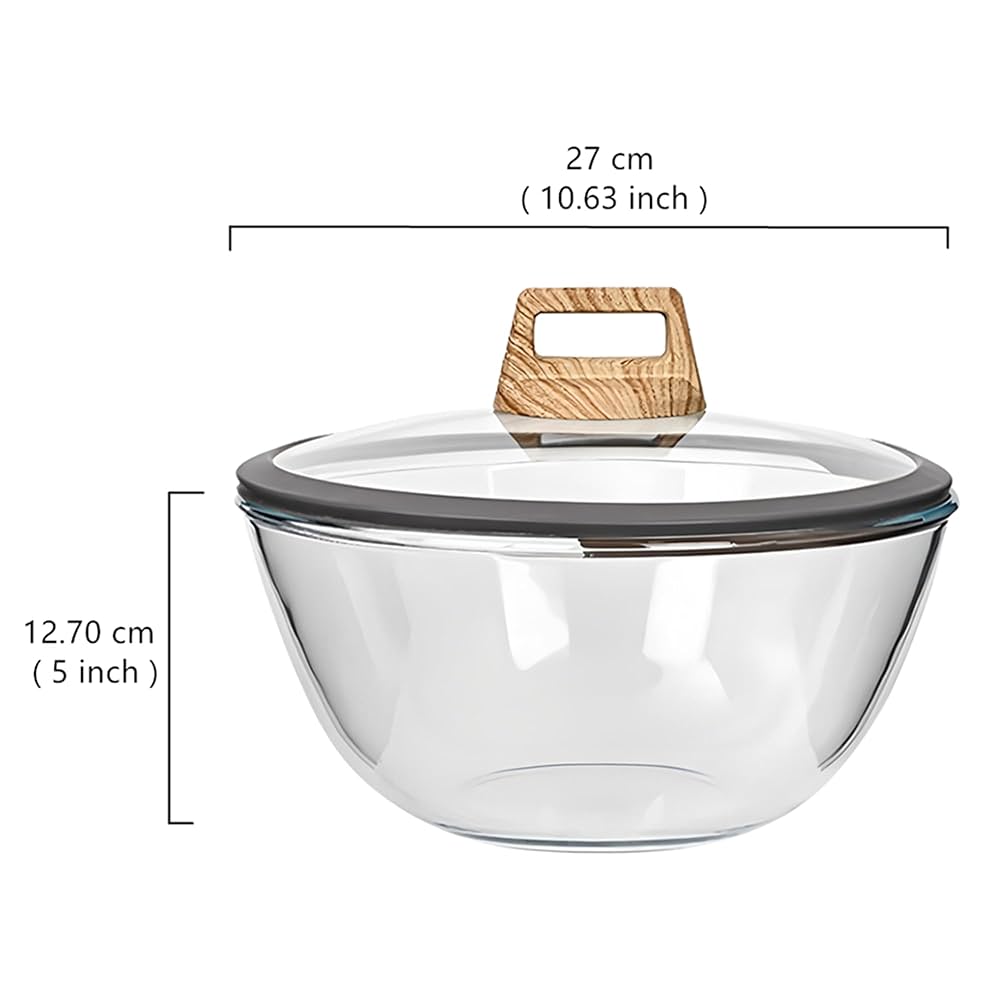
Have you ever wondered if your microwave-safe bowls can handle the heat of your oven? It’s a common question that pops up in many kitchens.
You might think that if a bowl can withstand the microwave, it should be just fine in the oven. But the truth is, it’s not that simple. Using the wrong bowl can lead to cracked dishes, ruined meals, or even safety hazards.
Before you put your favorite bowl into the oven, it’s crucial to know whether it’s truly up to the task. We’ll unravel the mystery and help you make informed decisions for safe and successful cooking. Dive in and discover the key differences that could save your dishes—and your day!

Credit: www.amazon.ca
Microwave Safe Vs Oven Safe
Understanding the difference between microwave safe and oven safe bowls is key for safe cooking. Both types of bowls serve different purposes and have unique features. Using the wrong bowl can cause damage or even accidents in your kitchen.
Material Differences
Microwave safe bowls are usually made from plastic, glass, or ceramic. These materials allow microwaves to heat food without melting or cracking.
Oven safe bowls often use thicker glass, metal, or stoneware. These materials can handle direct heat from the oven.
Not all materials that work in microwaves can be used in ovens. Metal bowls, for example, are unsafe in microwaves but perfect for ovens.
Heat Resistance Levels
Microwave safe bowls tolerate lower heat levels. They handle heat generated by microwaves, which is less intense.
Oven safe bowls can endure much higher temperatures. Ovens can reach 400°F or more, requiring stronger materials.
Using microwave safe bowls in an oven may cause melting or cracking. Oven safe bowls are designed to withstand this heat.
Common Misconceptions
- Microwave safe means oven safe – not true.
- All glass bowls are oven safe – only some types are.
- Plastic bowls can go in the oven if microwave safe – plastic melts easily.
Always check the label or manufacturer’s instructions before using bowls in ovens or microwaves.
Types Of Microwave Safe Bowls
Choosing the right microwave safe bowl can make a big difference in both cooking results and safety. Not all microwave safe bowls are created equal, and their material affects whether they can also handle oven heat. Understanding the types of microwave safe bowls helps you pick the best option for your kitchen tasks and avoid surprises.
Glass Bowls
Glass bowls are a popular choice because they handle microwave heat evenly without absorbing energy. Most tempered glass bowls are microwave safe and can often go into the oven as well, but check the manufacturer’s label before using them in high oven temperatures.
One thing to watch for is sudden temperature changes—moving a glass bowl from the microwave straight into a hot oven might cause it to crack. If you want versatility, glass bowls can be a reliable option, especially for reheating and baking at moderate temperatures.
Ceramic Bowls
Ceramic bowls come in many styles and can be microwave safe, but their oven safety depends on the glaze and material. Some ceramic bowls are designed for oven use, while others might crack or even shatter if exposed to direct oven heat.
When I first started using ceramic bowls, I assumed all were oven safe. After one cracked unexpectedly, I learned to always check for oven-safe labels or test gradually with low heat. Ceramic bowls with no metal trim or decoration are usually safer bets.
Plastic Bowls
Plastic bowls are convenient and lightweight, but their microwave safety varies widely. Many plastics labeled microwave safe are not designed for oven use at all and will melt or release harmful chemicals if heated in an oven.
If you use plastic bowls, ask yourself: Is it really necessary to put them in the oven? Often, transferring food to a glass or ceramic dish is a safer and more practical approach. Always look for clear labeling, and when in doubt, avoid using plastic in the oven.
Oven Safety For Different Bowls
Oven safety varies with the type of bowl used. Not all microwave-safe bowls are fit for the oven. Knowing which bowls handle oven heat helps prevent damage and accidents. This section explains oven safety for common bowl materials.
Glass And Pyrex
Glass and Pyrex bowls are often oven-safe. They handle high temperatures well. Look for labels that confirm oven safety. Avoid sudden temperature changes to prevent cracking. Place bowls on a baking sheet for stability. Pyrex is durable but not unbreakable. Use caution when removing hot glass bowls.
Ceramic And Stoneware
Ceramic and stoneware bowls can be oven-safe. Check for manufacturer instructions before use. These materials heat evenly and retain warmth. Some ceramics may crack under extreme heat. Avoid thermal shock by not placing cold bowls in a hot oven. Glazed ceramics usually resist oven heat better. Use oven mitts to handle hot bowls safely.
Plastic Risks
Plastic bowls are generally unsafe in ovens. Most plastics melt or warp at oven temperatures. Even microwave-safe plastics may not tolerate oven heat. Avoid using plastic in conventional ovens to prevent toxic fumes. Use glass or ceramic alternatives for baking. Always check labels for heat resistance. When in doubt, do not use plastic in the oven.

Credit: www.amazon.com
Identifying Oven Safe Labels
Identifying oven safe labels on bowls is essential for safe cooking. Not all microwave-safe bowls can go into the oven. Knowing which symbols and guidelines to follow helps prevent accidents or damage.
Reading the labels carefully saves time and money. It also protects your cookware and food from harm.
Symbols To Look For
Oven safe bowls usually have clear symbols on the bottom or packaging. These symbols show if the bowl can handle oven heat.
- A small oven icon means the bowl is oven safe.
- Temperature limits may be shown, such as “Up to 400°F”.
- Absence of a microwave symbol but presence of an oven symbol indicates oven safety only.
- A crossed-out microwave or oven icon means do not use in that appliance.
Check for these symbols before placing any bowl in the oven.
Manufacturer Guidelines
Manufacturers provide specific instructions for their products. These guidelines often include oven use details.
Look for labels, manuals, or online product pages. They explain maximum temperatures and safe cooking times.
Follow these rules strictly to avoid breaking or melting bowls. Using bowls beyond the recommended limits can cause cracks or hazardous fumes.
When in doubt, contact the manufacturer for clarification. This ensures safe and proper use of your cookware.
Risks Of Using Microwave Safe Bowls In Oven
Using microwave safe bowls in a conventional oven carries several risks. These bowls are designed for microwave heat, which is different from oven heat. The materials may not handle the dry, intense heat of an oven well. This can cause damage to the bowl and create safety issues in the kitchen.
Cracking And Breaking
Microwave safe bowls often cannot withstand high oven temperatures. The glass or plastic may crack or shatter suddenly. Thermal shock happens when the bowl heats unevenly or too fast. Broken pieces can cause injury or ruin your food. Always check the bowl’s label for oven safety before use.
Chemical Leaching
Some plastic bowls release harmful chemicals when heated in an oven. Microwave safe plastics are not tested for oven heat levels. These chemicals can mix into your food and pose health risks. Avoid using plastic bowls in the oven to keep your meals safe.
Fire Hazards
Oven heat can cause some microwave safe bowls to catch fire. Plastic bowls may melt and ignite at high temperatures. This creates dangerous smoke and fire risks. Never leave plastic bowls unattended in the oven. Use only oven-safe containers designed for high heat.
Best Practices For Safe Use
Using microwave safe bowls in the oven needs care. Follow simple rules to keep your bowls safe and your food perfect. These practices help avoid damage and accidents.
Checking Bowl Specifications
Look for labels on the bowl. Words like “microwave safe” or “oven safe” matter. Check the bottom or packaging for instructions. Some bowls work only in microwaves, not ovens. Confirm before using.
Avoiding Thermal Shock
Thermal shock happens when bowls change temperature too fast. Do not take a cold bowl directly into a hot oven. Avoid putting hot bowls on cold surfaces. Let bowls warm up or cool down slowly. This stops cracking or breaking.
Temperature Limits
Every bowl has a heat limit. Exceeding it causes damage. Glass bowls often handle up to 400°F (204°C). Plastic bowls may melt at lower temperatures. Check the maximum temperature on the label. Use bowls only within safe heat ranges.
Alternatives For Oven Cooking
If you’ve ever wondered whether your microwave-safe bowls can handle oven heat, you’re not alone. Many people mistakenly assume that microwave-safe means oven-safe, but that’s often not true. Thankfully, there are reliable alternatives for oven cooking that keep your meals safe and delicious.
Oven-safe Cookware Options
Choosing the right cookware is key for oven use. Look for items labeled explicitly as oven-safe. Materials like glass, ceramic, cast iron, and certain metals handle high temperatures well.
Glass bakeware, such as Pyrex, is a popular choice because it distributes heat evenly. Ceramic dishes add a touch of elegance and can go from oven to table. Cast iron skillets are versatile and retain heat exceptionally well, making them perfect for roasting or baking.
Have you ever tried baking in a metal pan and noticed your food cooks faster? That’s because metal heats up quickly and promotes browning. Just make sure the pan doesn’t have any plastic or wooden handles that could melt or burn.
Using Aluminum Foil Or Pans
Aluminum foil is a handy tool in the kitchen, especially when you need a quick oven-safe option. You can create makeshift baking trays by shaping foil over a baking sheet, or cover dishes to keep moisture in.
Aluminum pans are inexpensive and disposable, making them great for roasting vegetables or baking casseroles without worrying about cleanup. However, avoid using foil directly on acidic foods like tomatoes or citrus, as it can react and affect taste.
Next time you find yourself without oven-safe cookware, ask: Can aluminum foil or pans solve my problem without compromising my meal? Often, these simple tools provide a quick and effective solution.

Credit: www.amazon.ca
Frequently Asked Questions
Are Microwave Safe Bowls Always Oven Safe?
No, microwave safe bowls are not always oven safe. Microwave safe means they tolerate microwave heat, but not all can withstand oven temperatures. Check the manufacturer’s label for oven safety before use.
Can Glass Microwave Bowls Be Used In Ovens?
Some glass microwave bowls are oven safe, but not all. Tempered glass or borosilicate glass usually handle oven heat. Always verify the product specifications to ensure oven safety.
What Materials Make Bowls Safe For Oven Use?
Ceramic, tempered glass, and metal bowls are generally oven safe. Plastic or thin glass bowls meant for microwaves usually aren’t oven safe. Look for clear oven-safe labeling before using.
How To Identify If A Bowl Is Oven Safe?
Look for an oven-safe symbol or label on the bowl. Manufacturer instructions often specify oven and microwave safety. When in doubt, avoid using the bowl in the oven to prevent damage.
Conclusion
Microwave safe bowls are not always oven safe. Check the label before heating in an oven. Some materials can crack or melt under high heat. Glass and ceramic bowls often work in microwaves but not in ovens. Use bowls designed specifically for oven use to stay safe.
Avoid guessing to prevent accidents or damage. Always follow the manufacturer’s instructions carefully. Safe cooking means knowing which bowls to use and when. Stay cautious and protect your kitchen tools. Safety first, every time you cook or heat food.