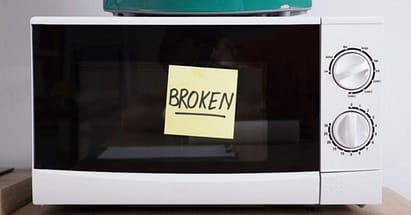
Have you ever wondered what to do with an old microwave oven that’s just taking up space in your kitchen? You’re not alone.
Disposing of a microwave isn’t as straightforward as tossing it in the trash. In fact, doing so can harm the environment and might even be illegal in some areas. But don’t worry, you’re about to discover the best ways to get rid of your microwave safely and responsibly.
Imagine not only freeing up space in your home but also making a positive impact on the planet. Intrigued? Keep reading to learn the surprisingly simple steps you can take to dispose of your microwave without a hitch.
Microwave Oven Disposal Options
Proper disposal of a microwave oven is important for safety and environmental reasons. Several options exist to help you get rid of your old microwave in a responsible way. Each option offers a chance to reduce waste and protect natural resources.
Recycling Centers Near You
Many local recycling centers accept microwave ovens. These centers break down the appliance to recover metals and plastics. Recycling helps keep harmful substances out of landfills. Search online or ask your local waste authority for nearby centers. Some centers may have specific drop-off days or requirements. Prepare the microwave by unplugging it and removing any food or debris.
Donation And Reuse Possibilities
Microwaves that still work can be donated. Charities, shelters, or community centers often accept them. Donating extends the appliance’s life and helps people in need. Check the microwave’s condition before donating. Clean it thoroughly and include any accessories. Some organizations may have size or age limits for donations.
Manufacturer Take-back Programs
Some microwave manufacturers offer take-back programs. These programs allow you to return old appliances for recycling. Visit the manufacturer’s website to learn about their program. Follow their instructions for packaging and shipping. This option ensures proper disposal and may include incentives or discounts on new products.

Credit: samrinc.com
Preparing Your Microwave For Disposal
Preparing your microwave for disposal is an important step. It ensures safety and helps with proper recycling. Taking a few simple actions can prevent harm and protect the environment. Follow these tips to get your microwave ready for its next stage.
Removing Hazardous Components
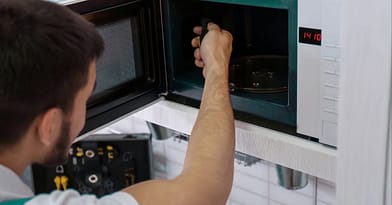
Microwaves contain parts that can be harmful. These include the capacitor and the magnetron. Both hold electrical charges and can cause shocks. Carefully unplug the microwave before opening it. Use insulated gloves to remove these components. Dispose of them following local hazardous waste rules.
Cleaning And Safe Handling
Clean the microwave inside and out. Remove food spills and debris. This reduces odors and pests during disposal. Use mild soap and water with a cloth. Avoid harsh chemicals that can damage the surfaces. Handle the appliance gently to avoid breaking glass or sharp edges.
Data Security Concerns
Some modern microwaves have smart features. They may store personal data or connect to Wi-Fi. Check the user manual for data removal instructions. Perform a factory reset if available. Remove any memory cards or storage devices before disposal. This protects your privacy and personal information.
Eco-friendly Disposal Tips
Disposing of your old microwave oven responsibly can make a big difference for the environment. Instead of tossing it in the trash, consider eco-friendly options that reduce harmful waste and give your appliance a second life. These tips help you handle your microwave in a way that benefits the planet and often your community as well.
Reducing Electronic Waste
Electronic waste is one of the fastest-growing waste streams worldwide. You can help by ensuring your microwave doesn’t end up in a landfill where toxic materials like heavy metals can leak into the soil.
Start by checking if your local waste facility accepts microwaves for special disposal. Many cities have designated e-waste collection days or drop-off centers that keep electronics out of landfills.
Have you thought about how many appliances you’ve discarded over the years? Each one adds up, so taking a moment to dispose of your microwave correctly can reduce your personal e-waste footprint significantly.
Using Certified E-waste Recyclers
Certified recyclers follow strict guidelines to safely break down and recycle electronic devices. They recover valuable materials like metals and plastics, keeping harmful substances from polluting the environment.
Look for recyclers with certifications such as R2 or e-Stewards. These ensure the company handles your microwave responsibly and avoids exporting waste to countries with lax regulations.
Recycling your microwave through certified programs often comes with added benefits, like data security and proper disposal of hazardous components. This choice supports a cleaner, safer recycling industry.
Repurposing Microwave Parts
Before recycling, consider if any parts of your microwave can be reused or repurposed. Components like the turntable, glass plate, or metal casing can find new uses around your home or in DIY projects.
For example, the microwave’s glass tray can become a unique serving platter or a plant saucer. Metal parts can be cleaned and used in craft or repair projects.
Could you give your microwave a second life by turning parts into something useful? This not only cuts down waste but sparks creativity and resourcefulness in your daily life.
Credit: nixxitjunk.com
Legal Regulations And Guidelines
Disposing of a microwave oven requires following legal regulations and guidelines. These rules help protect the environment and public health. Understanding these laws ensures safe and proper disposal. Ignoring regulations can lead to fines or environmental harm.
Local Disposal Laws
Each area has specific laws about electronic waste disposal. Many cities require microwave ovens to be dropped off at special recycling centers. Some places ban throwing microwaves in regular trash. Check with your local waste management office for rules. They often provide free or low-cost disposal options. Following local laws avoids penalties and supports community health.
Environmental Impact Considerations
Microwave ovens contain materials that harm the environment if not handled properly. Metals, plastics, and electronic parts can pollute soil and water. Hazardous substances like mercury or lead may be inside some models. Recycling helps recover valuable materials and reduces landfill waste. Proper disposal reduces pollution and conserves resources. Responsible handling protects wildlife and human health.
Costs And Potential Savings
Disposing of a microwave oven can involve different costs and savings. Understanding these helps you choose the best way to get rid of your old appliance. Some options cost nothing, while others require small fees. Knowing where you can save money makes the process easier and more affordable.
Free Disposal Options
Many places offer free microwave disposal. Local waste centers often accept old microwaves at no charge. Some retailers take back appliances when you buy a new one. Community recycling events also allow free drop-offs. Check with your city or county for available programs. Free options help you avoid extra expenses and protect the environment.
Fees For Hazardous Waste Handling
Microwaves contain parts that need special care. Some disposal sites charge fees to handle these safely. Fees vary by location and facility rules. Hazardous waste fees cover safe removal of materials like metals and electronics. It ensures these parts do not harm the environment. Prepare for small charges when using certain disposal services.
Incentives For Recycling Electronics
Some programs offer money or discounts for recycling microwaves. Manufacturers or local governments may provide rebates. These incentives encourage proper recycling and reduce landfill waste. You might get store credit or a small payment. Check online or ask at electronic stores about current offers. Recycling incentives can lower your disposal costs and benefit the planet.

Credit: providentjunk.ca
Frequently Asked Questions
How To Safely Dispose Of A Microwave Oven?
To safely dispose of a microwave, avoid throwing it in regular trash. Check local e-waste recycling programs or donation centers. Remove the plug and follow instructions at collection sites. Proper disposal prevents hazardous materials from harming the environment.
Can I Recycle A Microwave Oven?
Yes, microwaves contain recyclable metals and electronics. Take your microwave to an authorized e-waste recycling center. They safely extract valuable parts and prevent toxic substances from polluting landfills. Recycling helps conserve resources and reduces environmental impact.
Where To Donate A Working Microwave Oven?
You can donate working microwaves to local charities, shelters, or thrift stores. Many organizations accept small appliances to help people in need. Before donating, clean the microwave and ensure it functions properly. Donations extend the appliance’s life and support community members.
Is It Legal To Throw Microwaves In The Trash?
Throwing microwaves in regular trash is often illegal due to hazardous materials. Many regions have strict e-waste disposal laws. Always check local regulations and use approved disposal methods. Proper handling protects public health and the environment.
Conclusion
Disposing of a microwave oven can be easy and safe. Start by checking local recycling rules. Many places have special drop-off points for electronics. Remove any batteries or cords before disposal. Avoid throwing microwaves in the trash to protect the environment.
Recycling helps recover valuable materials. It also keeps harmful chemicals from polluting soil and water. Taking a little time to dispose of your microwave properly makes a big difference. Small steps like these help keep our planet clean and safe for everyone.