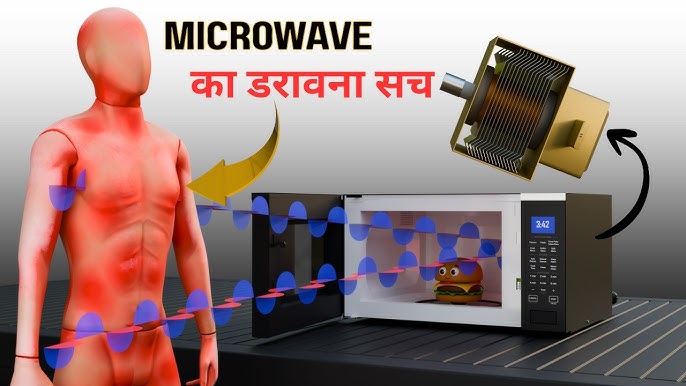
Have you ever wondered what makes your microwave oven heat up your food so quickly and efficiently? The answer lies within a fascinating device called the magnetron.
Understanding what a magnetron is and how it works can transform your perspective on this everyday kitchen appliance. Imagine unlocking the secrets behind those rapid cooking times and consistent results. Intrigued? You should be. By delving into the world of the magnetron, you’ll not only satisfy your curiosity but also gain a deeper appreciation for the technology that simplifies your life.
Stick around to discover how this essential component turns electricity into the microwaves that heat your meals perfectly every time.

Credit: www.reddit.com
Magnetron Basics
The magnetron is the heart of your microwave oven. It’s a small, powerful device that produces the microwaves needed to heat your food quickly. Understanding its basics can help you appreciate how your microwave works and why it heats food so efficiently.
What A Magnetron Does
The magnetron converts electrical energy into microwave radiation. These microwaves bounce around inside the oven cavity, causing water molecules in your food to vibrate and generate heat. Without the magnetron, your microwave oven wouldn’t be able to cook or warm anything.
Core Components
The magnetron consists of a few key parts:
- Cathode:Emits electrons when heated.
- Anode:Surrounds the cathode and contains resonant cavities.
- Magnets:Create a magnetic field that directs the electron movement.
Each component works together to produce consistent microwave energy. The magnets are especially important as they control the path of electrons, making sure the microwave output is stable.
How It Generates Microwaves
Inside the magnetron, the cathode releases electrons that move toward the anode. The magnetic field forces these electrons to spiral instead of moving straight. This spiral movement excites the resonant cavities in the anode, creating microwave radiation.
Think about how this process happens thousands of times per second, pumping out a steady stream of energy to heat your food evenly. Have you ever noticed how quickly a microwave heats compared to a conventional oven? That’s the magnetron at work, delivering focused energy to your meal.
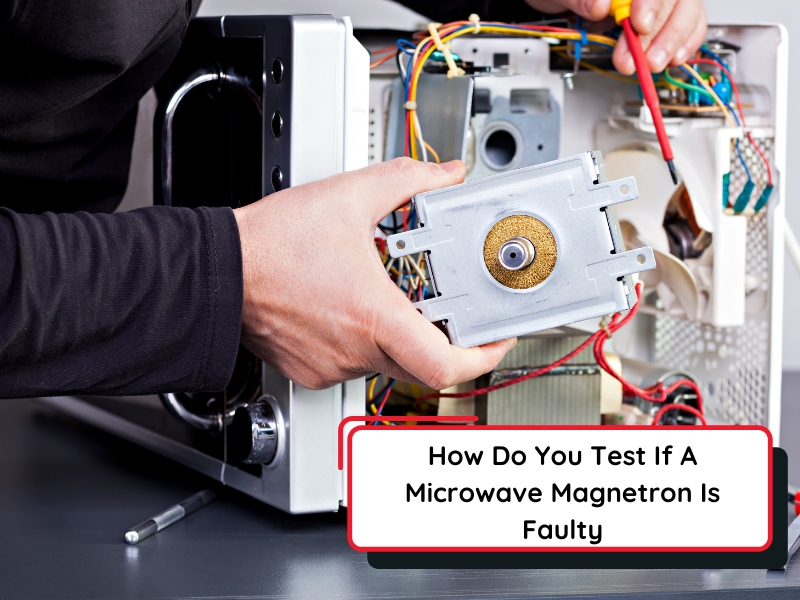
Credit: microwavefactory.com.au
Role In Microwave Ovens
The magnetron is the heart of your microwave oven. It plays a crucial role in transforming electrical energy into the microwave radiation that cooks your food. Understanding how it works can help you appreciate why your microwave heats food so quickly and efficiently.
Microwave Production Process
The magnetron generates microwaves by using a stream of electrons interacting with a magnetic field inside a vacuum tube. This interaction creates high-frequency electromagnetic waves. These waves are then channeled into the cooking chamber where they penetrate your food.
Think about the last time you heated leftovers. The waves produced by the magnetron caused water molecules in your food to vibrate rapidly, creating heat. This precise production of microwaves is what makes quick heating possible.
Heat Generation Mechanism
Microwaves produced by the magnetron cause water, fat, and sugar molecules in food to oscillate. This movement generates friction, which in turn produces heat. Unlike traditional ovens that heat from the outside in, microwaves heat food from the inside out.
You might wonder why some parts of your food get hotter than others. That’s because the distribution of microwaves can vary inside the oven, which is why many models have a rotating turntable. This rotation helps distribute the microwaves more evenly.
Impact On Cooking Efficiency
The magnetron’s ability to produce consistent microwave radiation directly affects cooking speed and energy use. A well-functioning magnetron can cook food faster, saving you time and electricity. If your microwave starts taking longer to heat, it might be a sign the magnetron is wearing out.
Have you noticed uneven cooking or longer heating times? These issues often trace back to the magnetron’s performance. Keeping this component in good shape is key to maintaining your microwave’s efficiency and your kitchen’s convenience.
Technical Details
Understanding the technical details of a magnetron can change how you view your microwave oven. This component is the heart of the device, responsible for generating the microwaves that heat your food. Let’s break down the technical aspects into manageable parts so you can appreciate what happens behind the scenes every time you press start.
Magnetron Structure
A magnetron is a vacuum tube with a few key parts: a cathode, an anode, and magnets.
- Cathode:This is the central filament that emits electrons when heated.
- Anode:Surrounding the cathode, it has cavities that help generate microwaves.
- Magnets:Placed around the tube, these create a magnetic field that forces electrons to move in a circular path.
This circular movement produces microwave energy, which then gets directed into the cooking chamber. The design is compact yet powerful, allowing your microwave to heat food quickly and efficiently.
Power Supply Requirements
The magnetron needs a high-voltage power supply to operate properly.
- Typically, it uses around 3,000 to 4,000 voltsto generate microwaves.
- This power is supplied by a transformer connected to your home’s electric source.
- Safety components like fuses and capacitors help regulate this power and protect the device from damage.
If you’ve ever wondered why repairing a microwave can be dangerous, this high voltage is the reason. Always ensure a professional handles any repairs involving the magnetron.
Frequency And Wavelength
The magnetron emits microwaves at a specific frequency and wavelength, which directly affect how food is heated.
- The common frequency is about 2.45 gigahertz (GHz).
- This corresponds to a wavelength of roughly 12.24 centimeters.
- This frequency is ideal for agitating water molecules in food, producing heat efficiently.
Have you noticed how some foods heat unevenly? Understanding these frequencies explains why rotating trays are essential—they help distribute microwave energy more evenly across your meal.
Common Issues
The magnetron is a vital part of a microwave oven. It creates the microwaves that heat food. When the magnetron has issues, the microwave may stop working properly. Common problems with the magnetron can cause uneven cooking, strange noises, or no heat at all.
Signs Of Magnetron Failure
- Food takes much longer to cook.
- Microwave runs but does not heat.
- Strange buzzing or humming noises inside.
- Microwave shuts off suddenly during use.
- Visible sparks or burning smell from the microwave.
Troubleshooting Tips
- Check if the power outlet works with other devices.
- Ensure the door is fully closed and the latch works.
- Look for signs of damage inside the microwave cavity.
- Test if the microwave heats different types of food.
- Listen carefully for unusual sounds during operation.
When To Replace
Replace the magnetron if the microwave does not heat after basic checks. Do not keep using a microwave that makes sparks or smells burnt. Replacing the magnetron requires professional help for safety. Continuing to use a faulty magnetron can damage the microwave further. Consider replacement if repair costs are too high or parts are unavailable.
Safety Considerations
Understanding the safety considerations around the magnetron in your microwave oven is essential. This component generates microwaves that cook your food, but it also requires careful handling to avoid risks. Let’s look closely at how you can stay safe and protect your household.
Handling Precautions
The magnetron contains high voltage parts even when unplugged. Always ensure the microwave is disconnected from power before any repair or inspection. Touching the magnetron without proper knowledge can cause electric shock or damage to the component.
If you ever open your microwave, avoid touching the magnetron’s terminals or cooling fins. Use insulated tools and wear gloves to minimize risk. Remember, safety gear isn’t optional here—it’s a must.
Radiation Concerns
Microwaves produced by the magnetron are non-ionizing and generally safe when contained within the oven. However, a damaged door seal or casing can allow microwave leakage, which may cause burns or eye injuries over time.
Have you ever noticed a crack or a loose latch on your microwave door? That’s a red flag. Regularly check for damage and avoid using the microwave if the door doesn’t close tightly. Your health depends on it.
Proper Disposal
The magnetron contains materials like beryllium oxide, which is toxic if broken or inhaled. Throwing away a microwave without proper disposal can harm the environment and pose health risks to waste handlers.
Look for local electronic waste recycling programs that accept microwaves. Never dismantle the magnetron yourself unless you have professional training. Responsible disposal protects both you and the planet.
Advancements And Alternatives
The magnetron has been the heart of microwave ovens for decades, but technology never stands still. Recent advancements have introduced new ways to generate heat and alternatives that challenge traditional magnetrons. These changes aim to improve efficiency, cooking quality, and energy use.
New Technologies In Microwave Heating
Solid-state microwave generators are gaining attention as a modern alternative to magnetrons. Unlike magnetrons, these use semiconductor devices to produce microwaves, offering better control over frequency and power.
This precise control means you can cook food more evenly and avoid hotspots. Some models even allow you to adjust the microwave power dynamically during cooking, which improves texture and taste.
Energy Efficiency Improvements
Microwave ovens with improved magnetrons and solid-state sources consume less electricity while delivering the same cooking results. Manufacturers are focusing on reducing standby power and optimizing energy use during operation.
Smart sensors now detect moisture and temperature inside the oven, adjusting power output accordingly. This leads to less wasted energy and a shorter cooking time, saving money on your utility bills.
Future Trends
Looking ahead, microwave technology may merge with smart home systems to offer personalized cooking programs. Imagine your microwave communicating with your smartphone or fridge to suggest recipes and set cooking modes automatically.
Another exciting trend is combining microwave heating with other methods, like convection or infrared, to achieve better results. Could your next microwave become a multi-cooker that adapts to any recipe?

Credit: www.searshomeservices.com
Frequently Asked Questions
What Is The Function Of A Magnetron In Microwaves?
A magnetron generates microwave radiation to cook food. It converts electrical energy into high-frequency waves. These waves heat food efficiently by agitating water molecules inside.
How Does A Magnetron Produce Microwave Energy?
A magnetron uses a magnetic field and electric current to create microwaves. Electrons spiral inside the tube, generating high-frequency electromagnetic waves. These waves are directed into the cooking chamber.
Why Is The Magnetron Important In Microwave Ovens?
The magnetron is the heart of a microwave oven. It produces the microwaves that heat food quickly and evenly. Without it, the microwave cannot function or cook food.
Can A Faulty Magnetron Affect Microwave Performance?
Yes, a damaged magnetron reduces microwave efficiency. It may cause uneven cooking or no heating at all. Replacing the magnetron is often necessary for proper microwave operation.
Conclusion
The magnetron plays a key role in microwave ovens. It creates the microwaves that heat your food fast. Without it, your microwave would not work. Knowing how it works helps you understand your appliance better. Next time you heat a meal, remember this small but powerful part.
It makes cooking quick and easy every day. Simple science at work in your kitchen.