Have you ever found yourself staring at your microwave oven, puzzled by the term “inverter”? You’re not alone.
Many of us use microwaves daily without fully understanding the technology behind them. But what if unlocking this knowledge could transform the way you cook, making your meals tastier and your cooking more efficient? We’re diving into what “inverter” really means for your microwave oven and why it matters to you.
Discover how this technology can change your cooking experience, enhancing both the quality of your meals and your time in the kitchen. Stick around, because by the end of this read, you’ll know exactly why an inverter microwave might just be your new best friend.

Credit: www.amazon.com
Inverter Technology Basics
Understanding inverter technology in microwave ovens can change how you cook at home. It offers a smarter way to control power, leading to better results in less time. Let’s break down what this technology means and how it affects your microwave’s performance.
How Inverters Work
Traditional microwaves use a simple on-and-off power system. This means they deliver full power, then pause, cycling repeatedly to cook food. Inverter microwaves, however, supply a steady stream of power at varying levels.
Think of it like a dimmer switch on a light instead of just off or on. This steady power allows for more precise cooking, especially for delicate foods like fish or melted chocolate. Have you noticed uneven heating in your meals? Inverter technology helps fix that by maintaining consistent energy.
Difference From Traditional Microwaves
Traditional models can overcook edges while leaving the inside cold because of their power cycling. Inverter microwaves avoid this by adjusting power smoothly without stopping, which results in evenly cooked food. This means no more reheating or cold spots.
Another difference is cooking speed. Inverters often reduce cooking time since they don’t waste energy cycling off and on. This can save you time during busy days or when you need a quick snack.
- Even cooking without hot or cold spots
- More energy-efficient use of power
- Better control over delicate foods
- Faster cooking times overall
Have you ever wondered why some microwaved meals feel rubbery or uneven? Inverter technology might be the answer to improving your everyday cooking experience.
Benefits Of Inverter Microwaves
Inverter microwaves bring a new level of control and efficiency to your kitchen. Unlike traditional microwaves that operate at full power or off, inverter technology allows the microwave to adjust power levels smoothly. This means you get more consistent cooking, better results, and less wasted energy.
Precise Temperature Control
With inverter technology, your microwave can deliver power at varying levels instead of just turning on and off. This precision lets you cook delicate foods, like fish or melted chocolate, without overcooking. Have you ever struggled to soften butter or reheat leftovers evenly? Inverter microwaves solve that problem by maintaining steady temperatures.
Even Cooking Results
Traditional microwaves often leave cold spots or overheated edges. Inverter microwaves reduce this issue by providing consistent power throughout the cooking cycle. This means your food heats evenly, so every bite tastes just right. Imagine heating a bowl of soup where the center is piping hot and the edges are still cold—this won’t happen with inverter technology.
Energy Efficiency
Inverter microwaves use energy more effectively by adjusting power output to what the food actually needs. This avoids unnecessary bursts of full power that waste electricity. Over time, this can reduce your energy bills and lower your environmental impact. Wouldn’t it feel good to save money while cooking your meals perfectly?
Common Features In Inverter Microwaves
Inverter microwaves come with features that improve cooking control and efficiency. These features help achieve better results with less energy waste. The technology allows precise power adjustments and smarter cooking options.
Variable Power Levels
Inverter microwaves adjust power smoothly, not just in fixed steps. This means food cooks evenly without cold spots. You can choose exact power levels for different recipes. It prevents overcooking or undercooking by providing consistent heat.
Compact Design
Inverter technology lets manufacturers create smaller, lighter microwaves. The compact design fits well in kitchens with limited space. Despite the small size, these microwaves offer full cooking power. They save countertop space without sacrificing performance.
Advanced Cooking Modes
These microwaves include preset modes for specific foods. Modes like defrost, reheat, and popcorn use inverter power control. They ensure food cooks just right every time. Some models offer sensor cooking to adjust time automatically.

Credit: www.searshomeservices.com
Choosing The Right Inverter Microwave
Choosing the right inverter microwave means balancing your kitchen needs with features that match your cooking style. Not all inverter microwaves are created equal, and picking the best one can save you time and energy. Think about what matters most—size, power, or price—and how each factor fits into your daily routine.
Size And Capacity
Consider how much space you have on your countertop and how much food you usually heat or cook. Inverter microwaves come in various sizes, from compact models perfect for small kitchens to larger ones that handle big dishes. If you often prepare meals for a family, a microwave with at least 1.5 cubic feet capacity might be necessary.
Have you measured the spot where your microwave will live? This simple step helps avoid surprises when your new appliance arrives.
Power Output
The power output, measured in watts, affects cooking speed and efficiency. Inverter microwaves typically range from 600 to 1200 watts. Higher wattage means faster cooking but can also increase energy use.
Think about what you cook most often. Do you need quick reheating, or do you use your microwave for complex recipes? Choosing the right power level ensures food heats evenly without overcooking.
Price Range
Inverter microwaves vary widely in price, influenced by brand, size, and features. You can find models under $100 that suit basic needs, while premium options with advanced controls may cost over $300.
Set a budget before shopping and look for models offering the best value. Sometimes, spending a bit more upfront means better durability and features that save money in the long run.
Maintenance Tips
Maintaining your inverter microwave oven ensures it works efficiently and lasts longer. Regular care helps prevent common problems and keeps your food cooking evenly. Let’s look at easy ways you can take care of your microwave daily.
Cleaning Guidelines
Keep the inside of your microwave clean to avoid odors and stains. Use a soft cloth with mild soap and warm water to wipe the interior after each use. Avoid harsh chemicals or abrasive scrubbers that can damage the surface.
For stubborn food splatters, heat a bowl of water with lemon slices inside the microwave for a few minutes. The steam loosens grime and makes wiping easier. Don’t forget to clean the door seals gently to maintain a good seal and prevent heat loss.
Remember to clean the exterior regularly too. Wipe the control panel carefully to avoid moisture entering the buttons. A clean microwave not only looks good but also works better.
Troubleshooting Common Issues
If your microwave isn’t heating properly, check if the inverter technology is functioning by observing cooking consistency. Uneven heating can signal a problem with the inverter circuit or magnetron.
Have you noticed unusual noises or a burning smell? These signs suggest you should unplug the microwave and call a technician. Attempting repairs yourself can be dangerous with inverter models due to high voltage components.
Sometimes, a simple reset can fix minor glitches. Unplug your microwave for a few minutes, then plug it back in and test. If problems persist, professional help is the safest option to keep your appliance running smoothly.
Popular Brands And Models
Popular brands offer many microwave ovens with inverter technology. These models provide even heating and better cooking control. Consumers find them efficient for everyday use. Choosing from well-known brands ensures quality and reliability. Each brand has unique features and price points to suit different needs.
Top Inverter Microwaves On The Market
- Panasonic NN-SN966S – Large capacity and precise power control.
- Samsung MS14K6000AS – Stylish design with easy-to-use controls.
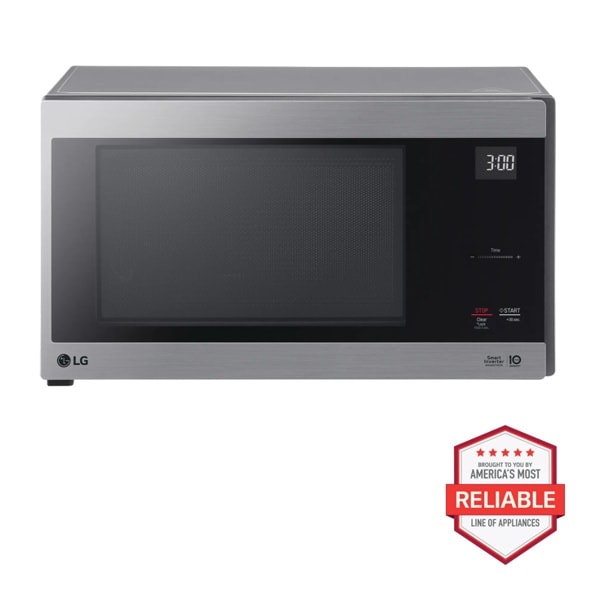
- LG NeoChef LMC1575ST – Compact size with smart inverter technology.
- Sharp R-21LCFS – Durable and straightforward for basic cooking.
- Breville Quick Touch BMO734XL – Sensor cooking with smooth power adjustments.
Customer Reviews And Ratings
Users praise inverter microwaves for consistent heating and faster cooking. Many highlight quieter operation and energy savings. Some reviews mention a higher price but value the improved performance. Ratings often show strong satisfaction in ease of use and food quality. Negative feedback mostly relates to size or complex settings, depending on the model.

Credit: www.reddit.com
Frequently Asked Questions
What Does Inverter Technology Mean In Microwaves?
Inverter technology in microwaves delivers a steady power supply. It allows precise temperature control and even cooking. Unlike traditional microwaves, it avoids power fluctuations, resulting in better food texture and taste.
How Does An Inverter Microwave Differ From A Regular One?
An inverter microwave offers consistent heating, while regular ones cycle power on and off. This means inverter microwaves cook food evenly, prevent overcooking, and maintain nutrients better than conventional microwaves.
Are Inverter Microwaves More Energy-efficient?
Yes, inverter microwaves use power more efficiently. They adjust energy output based on cooking needs, reducing electricity waste. This leads to lower energy bills and a smaller environmental footprint.
Can Inverter Microwaves Cook Delicate Foods Better?
Absolutely. Inverter microwaves provide gentle, even heat ideal for delicate foods. They prevent overheating, ensuring items like fish and vegetables retain flavor and texture without drying out or becoming tough.
Conclusion
An inverter in a microwave changes how power is delivered. It helps cook food evenly and gently. This means no cold spots or overcooked edges. You get better results, especially with delicate dishes. Inverter microwaves also save energy and time.
Knowing this can help you choose the right microwave. A simple feature, but it makes a big difference in cooking. Understanding inverter technology helps you cook smarter and easier every day.