Are you staring at that old microwave oven, wondering how to finally get rid of it? You’re not alone.
Many people find themselves stuck with outdated appliances, unsure of the best way to dispose of them. Tossing it in the trash might seem easy, but it’s not environmentally friendly or sometimes even legal. The good news? There are simple, responsible, and even beneficial ways to part with your microwave.
This guide will walk you through the best options, making the process straightforward and hassle-free. Curious to discover the most effective methods? Keep reading to find the perfect solution for you.
Safe Microwave Disposal Methods
Proper disposal of a microwave oven protects the environment and ensures safety. Microwaves contain metals and chemicals that need special handling. Safe microwave disposal methods prevent harmful waste from entering landfills. Follow these options to dispose of your microwave responsibly.
Local Recycling Programs
Many communities offer local recycling programs for electronics. These programs accept microwaves and other household appliances. They separate valuable metals and plastics for reuse. Check your city or town’s website for drop-off locations. Some programs even provide curbside pickup services for large items.
Electronic Waste Centers
Electronic waste centers specialize in handling old electronics. They have equipment to safely dismantle microwaves. These centers recycle components like circuit boards and metal parts. Visit your nearest e-waste center to drop off your microwave. This option often supports environmental sustainability efforts.
Hazardous Waste Collection
Microwaves may contain hazardous substances that require special disposal. Hazardous waste collection events or facilities accept these items. They handle materials like capacitors and heavy metals carefully. Contact your local waste management authority to find collection dates. This method ensures harmful parts do not harm people or nature.

Credit: shopping.yahoo.com
Donation And Reuse Options
Getting rid of your microwave oven doesn’t have to mean throwing it away. Donation and reuse options give your appliance a second life and help others in need. Plus, you reduce waste and make a positive impact on your community.
Charity Organizations
Many charity groups accept working microwaves to support families who can’t afford new appliances. You can contact local shelters, churches, or nonprofit thrift stores to see if they need a microwave. Donating your microwave this way helps someone set up a home or stay warm with quick meals.
Before donating, make sure your microwave is clean and functioning properly. Have you checked if the timer and buttons still work smoothly? A simple test can save the charity from dealing with broken equipment.
Community Sharing Platforms
Online platforms like Freecycle, Nextdoor, or local Facebook groups offer a great way to give away your microwave for free. These sites connect you directly with neighbors who might need an affordable appliance. Sometimes, people prefer picking up items nearby rather than buying new.
Listing your microwave with clear photos and honest details increases your chances of finding a quick home for it. What if someone just a few blocks away is searching for exactly what you have? Sharing locally saves resources and builds community trust.
Repair And Resale
If your microwave needs a little fixing, consider repairing it before selling or donating. Small repairs like replacing a fuse or cleaning the interior can make a big difference. Local repair shops or DIY tutorials can guide you through simple fixes.
Once repaired, you can sell the microwave through online marketplaces like eBay or Craigslist. This option not only puts money back in your pocket but also extends the appliance’s lifespan. Would you be surprised how many buyers look for affordable, gently used microwaves?
Preparing Your Microwave For Disposal
Preparing your microwave for disposal is more important than many realize. It ensures safety, prevents environmental harm, and makes the process smoother for you and the disposal service. Taking a few careful steps before getting rid of your microwave can save you time and hassle.
Unplugging And Cleaning
Start by unplugging your microwave from the power outlet. Leaving it plugged in poses a risk of electric shock during handling or transport.
Next, clean the inside thoroughly. Food particles and spills can attract pests or cause unpleasant odors if left behind. Use a damp cloth with mild detergent and let it dry completely before moving on.
Removing Batteries And Accessories
Check your microwave for any removable batteries, especially if it has a digital display or remote control. Batteries can leak harmful chemicals if damaged during disposal.
Also, remove any accessories like turntables, trays, or racks. These parts often need to be recycled separately or cleaned before disposal. Keep track of these pieces to avoid losing them.
Checking For Hazardous Materials
Microwaves sometimes contain hazardous materials like capacitors or certain electronic components. These parts require special handling to avoid environmental damage.
Look for labels or consult the user manual to identify such materials. If you’re unsure, contact your local waste management authority for guidance on safe disposal options.
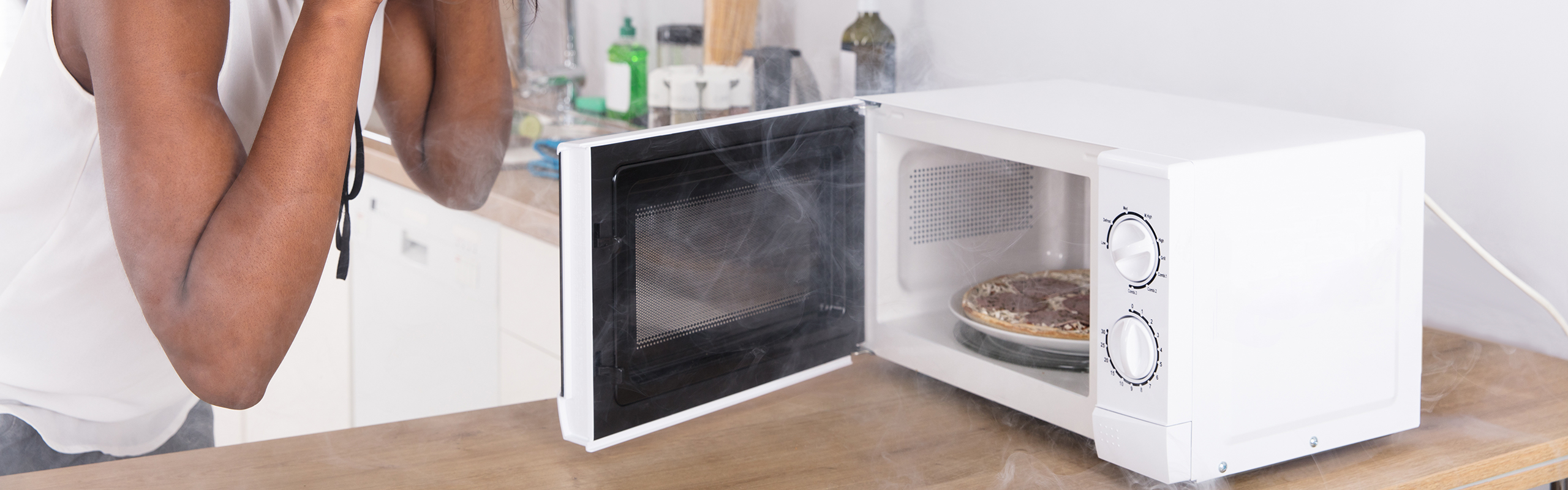
Credit: www.abt.com
Creative Repurposing Ideas
Getting rid of an old microwave oven doesn’t have to mean tossing it out. You can give it a new life with some creative repurposing. This approach not only reduces waste but also adds unique, functional pieces to your home.
Garden Planters
Old microwave ovens make surprisingly good garden planters. Remove the door and the internal components to create a sturdy box perfect for small plants or herbs.
Place it in your garden or on a balcony to add a quirky touch. You can paint it with weatherproof paint to brighten up your outdoor space. Have you ever tried growing your own herbs in an unexpected container?
Storage Solutions
The microwave cavity offers a ready-made storage space. Use it to organize tools, art supplies, or even kitchen gadgets.
Stack several cleaned-out microwaves to create a modular shelving unit. Adding shelves inside can increase storage capacity. This way, you get a unique, industrial-style organizer without spending extra money.
Art And Craft Projects
Microwave ovens can become canvases for your creativity. The metal and glass parts can be transformed into art pieces, lamps, or photo frames.
Try making a vintage-style light box by installing LED strips inside the cavity. You can also use the door’s glass panel for stained-glass art. What kind of art would you create from a discarded appliance?
Avoiding Environmental Harm
Getting rid of a microwave oven responsibly means thinking about its impact on the environment. Many parts inside a microwave can be harmful if not handled correctly. You have the power to reduce pollution and protect natural resources by choosing the right disposal methods.
Proper Handling Of Electronic Components
Microwave ovens contain electronic parts like circuit boards and capacitors that can leak toxic chemicals. These components require careful handling to prevent soil and water contamination. Before disposal, make sure these parts are removed or treated by professionals who understand electronic waste.
Have you checked if your local recycling center accepts electronic components? Many centers have special bins or collection days for e-waste. Don’t toss your microwave in regular trash, as that can cause serious environmental damage.
Avoiding Landfills
Throwing microwaves into landfills adds to the growing problem of electronic waste pollution. Landfills are not designed to break down hazardous materials safely. Instead, your microwave’s metals and plastics can release harmful substances over time.
Think about how much waste you create and where it ends up. Could your old microwave be transformed into new products? Choosing alternatives to landfill disposal helps conserve valuable materials and reduces pollution risks.
Supporting Eco-friendly Disposal Services
Many companies and organizations offer eco-friendly disposal or recycling services for old electronics. These services ensure that microwaves are dismantled safely and valuable materials are recovered. You might even find local programs that pick up your appliance from home.
Supporting these services not only protects the environment but also encourages more businesses to adopt green practices. Have you looked into eco-friendly disposal options near you? Taking that step makes a big difference in how your old microwave impacts the planet.

Credit: www.amazon.com
Frequently Asked Questions
How Can I Safely Dispose Of A Microwave Oven?
You can safely dispose of a microwave by taking it to an electronic recycling center. Many local facilities accept old appliances. Avoid throwing it in the regular trash due to hazardous materials. Some stores also offer trade-in or take-back programs for old microwaves.
Where To Donate A Used Microwave Oven?
You can donate a used microwave to local charities, shelters, or community centers. Ensure it is clean and in working condition. Some thrift stores also accept microwaves for resale. Donating helps reduce waste and supports those in need.
Can I Sell My Old Microwave Oven Online?
Yes, you can sell your old microwave on platforms like eBay, Craigslist, or Facebook Marketplace. Make sure to provide clear photos and accurate descriptions. Selling helps you earn money and gives the appliance a second life.
What Should I Remove Before Recycling A Microwave?
Before recycling, remove the power cord and any detachable parts. Clean the interior and exterior thoroughly. Some recycling centers require these steps for safety. Check your local guidelines for any specific preparation instructions.
Conclusion
Getting rid of a microwave oven does not have to be hard. You can donate it if it still works well. Recycling centers take old electronics safely. Some stores offer trade-in programs too. Always check local rules for disposing of appliances.
Removing your microwave this way helps the environment. It also keeps your home free of clutter. Choose the option that fits your needs best. Stay safe and act responsibly with old devices. Simple steps make the process quick and easy.