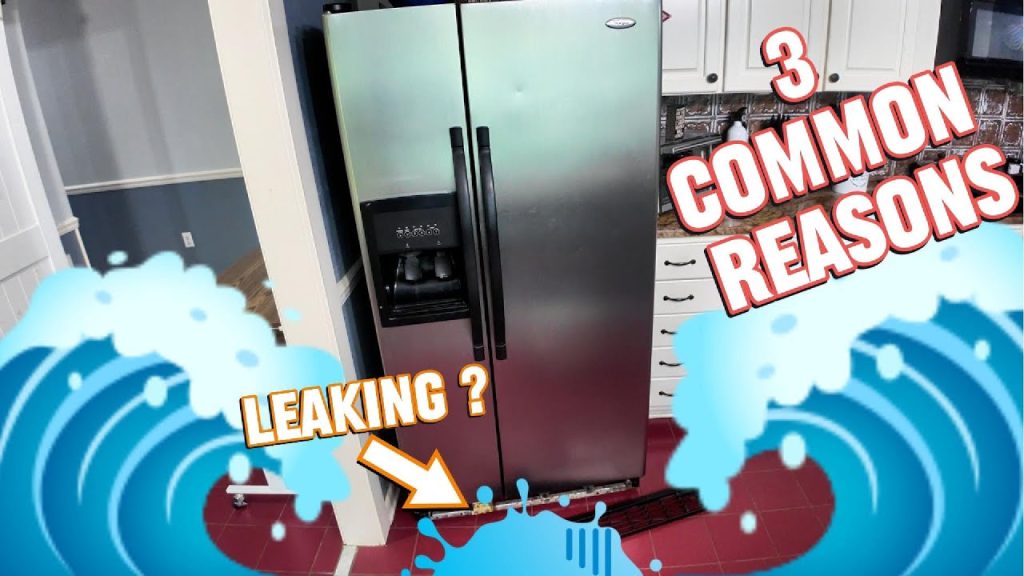
If you’ve ever noticed a puddle forming around your refrigerator, you’re not alone. Leaking water is a common problem, but understanding why it happens can save you from unnecessary stress and expensive repairs.
You might find yourself wondering whether it’s a minor issue or a sign of something more serious. The good news? You’re about to uncover the reasons behind this pesky problem. Imagine having the peace of mind that comes with knowing exactly what to do when your fridge starts to leak.
We’ll explore the potential causes and guide you through practical solutions that can keep your kitchen dry and your appliance running smoothly. So, are you ready to dive in and discover the secrets to a leak-free refrigerator? Keep reading to find out more!
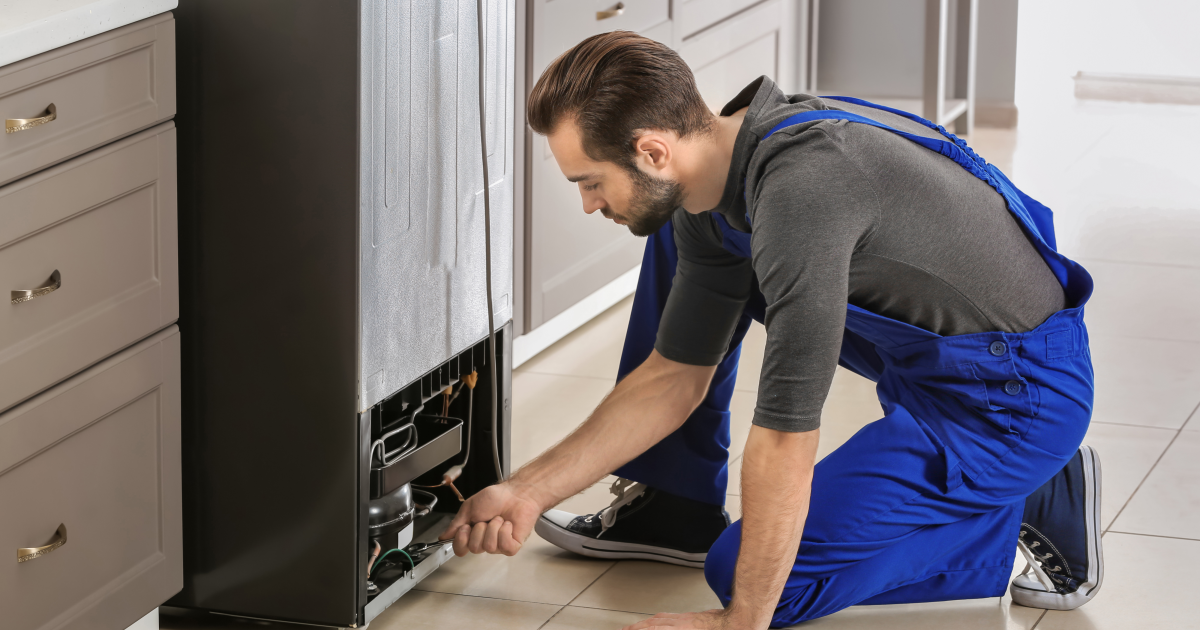
Credit: dengarden.com
Common Causes Of Refrigerator Leaks
Water leaking from a refrigerator is a common issue. It can cause damage to your floor and spoil food. Knowing the usual causes helps fix the problem quickly. Most leaks come from simple issues that you can solve yourself.
Clogged Defrost Drain
Frost melts during the defrost cycle. The water flows down the defrost drain. A clog blocks this water, causing it to pool inside. Clear the drain to stop leaks and keep your fridge dry.
Damaged Door Seals
Door seals keep cold air inside the fridge. Damaged seals let warm air in. This causes condensation and water buildup. Check seals for cracks or gaps and replace if needed.
Blocked Or Frozen Drain Pan
The drain pan collects water that drips inside. Sometimes it gets blocked or freezes. This causes water to overflow and leak out. Clean or thaw the pan to fix the leak.
Faulty Water Filter Or Line
Water filters and lines supply ice makers and water dispensers. A faulty filter or loose line can leak water. Inspect these parts and replace damaged filters or tighten connections.
Improper Leveling
A fridge that is not level can cause water to spill. Water flows to one side instead of the drain. Use a level tool and adjust the fridge feet for balance.

Credit: www.searshomeservices.com
Identifying Leak Sources
Water leaking from your refrigerator can be frustrating and confusing. To fix the problem, you first need to pinpoint exactly where the water is coming from. Identifying the leak sources helps avoid unnecessary repairs and keeps your fridge running smoothly.
Checking Inside The Fridge
Open your fridge and look for any signs of water pooling or moisture buildup. Pay close attention to the shelves and drawers—sometimes melted frost or spills can collect unnoticed.
Check the door seals for cracks or gaps. Damaged seals allow warm air in, causing condensation that might drip inside.
Have you ever noticed water collecting at the bottom after defrosting? That’s often a clue that drainage inside the fridge is blocked or slow.
Inspecting The Drainage System
Most refrigerators have a drainage hole and drip pan where excess water flows out during defrost cycles. Over time, this drain can get clogged with dirt or food particles.
Try locating the drain hole and gently clear it with a pipe cleaner or a small brush. If water is backing up here, it will leak inside or outside your fridge.
Don’t forget to empty and clean the drip pan regularly. A full or dirty pan can cause overflow, leading to leaks on your kitchen floor.
Examining External Water Lines
If your fridge has an ice maker or water dispenser, check the water supply lines outside the fridge. Leaks often occur at connection points or due to worn-out tubing.
Inspect hoses for cracks, kinks, or loose fittings. Tighten any loose connections with a wrench but avoid overtightening, which can cause damage.
Have you noticed water pooling behind the fridge? This is a common sign of an external water line leak. Taking a moment to examine these lines can save you from costly water damage later.
Simple Fixes For Water Leaks
Water leaks from your refrigerator can be annoying and sometimes cause damage to your kitchen floor. Fortunately, many leaks have simple fixes that you can tackle yourself without needing an expensive repair call. Let’s dive into some practical solutions that often stop leaks quickly and keep your fridge running smoothly.
Clearing The Defrost Drain
One common cause of leaks is a clogged defrost drain. This drain carries water from the defrost cycle to a pan underneath the fridge. If it’s blocked, water builds up and starts leaking inside.
Try using a turkey baster or a pipe cleaner to clear any debris or ice blocking the drain hole. Running warm water down the drain can also help melt stubborn ice clogs. After clearing, watch for leaks during the next defrost cycle to see if the issue is resolved.
Replacing Door Gaskets
Damaged door gaskets can let warm air in, causing condensation and water buildup inside. Check your fridge’s door seals for cracks, tears, or dirt that might prevent a tight seal.
Cleaning the gaskets with warm, soapy water often improves the seal, but if they’re damaged, replacing them is a smart move. New gaskets are usually affordable and easy to install yourself. Have you noticed frost or moisture near the door? That’s a good clue your gaskets need attention.
Cleaning The Drain Pan
The drain pan collects water that evaporates from the fridge. Sometimes, it gets full or dirty and causes leaks. Pull out the pan carefully and clean it with warm water and mild soap.
Inspect the pan for cracks or holes that might need patching or replacing. Keeping the pan clean ensures water evaporates properly and doesn’t overflow onto your floor.
Changing The Water Filter
If your fridge has a water dispenser or ice maker, a clogged or improperly installed water filter can cause leaks. Check the filter for dirt or damage and replace it according to the manufacturer’s instructions.
Make sure the new filter fits tightly to prevent drips or leaks. If you notice water pooling near the filter area, this simple fix might be exactly what you need.
Adjusting Refrigerator Level
A fridge that isn’t level can cause water to pool and leak. Use a level tool to check if your appliance sits evenly on the floor. Adjust the front or back feet to balance the fridge properly.
When your refrigerator is level, water flows correctly to the drain pan instead of spilling out. Have you tried this quick check? It often surprises people how much it helps.

Credit: leaders.jo
Preventing Future Leaks
Preventing future leaks in your refrigerator is easier than you might think. Small habits and regular checks can save you from the hassle of water pooling on your kitchen floor. Let’s look at practical ways you can keep your fridge dry and functioning properly.
Regular Maintenance Tips
Cleaning the refrigerator’s drip pan and drain hole regularly is crucial. These parts collect condensation, and if blocked, water will leak inside or outside the fridge.
Check the door seals for cracks or gaps. If the seal is damaged, warm air can enter, causing excess condensation and leaks.
Have you ever noticed frost buildup in your freezer? That’s a sign your defrost system might need attention. Fixing this early prevents water from pooling as ice melts unexpectedly.
Proper Food Storage Practices
Overloading your fridge can block air vents and cause uneven cooling. This leads to excess moisture and water leaks.
Use airtight containers to store food. This minimizes moisture release inside the fridge and reduces condensation problems.
Try to avoid placing hot or uncovered foods directly into the fridge. Doing so increases humidity levels, which can cause water to accumulate.
Monitoring Temperature Settings
Setting your fridge temperature too low or too high can cause issues. Ideal fridge temperature is around 37°F (3°C), and freezer should be at 0°F (-18°C).
If your fridge is too cold, it might cause frost buildup and leaking during defrost cycles. Too warm, and it encourages condensation and water pooling.
Use a separate thermometer to double-check your fridge’s internal temperature. Are you confident your settings are spot on? This simple step helps you avoid leaks caused by incorrect temperature.
Frequently Asked Questions
Why Is My Refrigerator Leaking Water Inside?
Water inside your fridge usually leaks due to a clogged or frozen defrost drain. It blocks water flow, causing pooling. Regularly clean the drain to prevent leaks and maintain efficient cooling.
Can A Faulty Door Seal Cause Water Leaks?
Yes, a damaged door seal lets warm air in, causing condensation inside. This moisture can drip and appear as water leaks. Replace worn seals to keep your fridge airtight and leak-free.
How Does A Blocked Defrost Drain Cause Leaks?
A blocked defrost drain traps melted water, preventing drainage into the drip pan. This water then leaks inside your fridge. Cleaning the drain hole clears blockages, ensuring proper water flow and avoiding leaks.
Does Overfilling The Fridge Lead To Water Leaks?
Overfilling restricts air circulation, increasing condensation inside the fridge. Excess moisture can turn into water leaks. Avoid overcrowding to maintain airflow and prevent water buildup.
Conclusion
Water leaks from refrigerators happen for a few clear reasons. Clogged drains or broken seals often cause these leaks. Regular cleaning and quick fixes can stop water from pooling. Ignoring leaks can lead to bigger problems over time. Watch for signs and act fast to protect your fridge.
Simple care keeps your appliance working well and your kitchen dry. A little effort goes a long way in avoiding leaks. Stay alert and maintain your refrigerator to prevent water damage.