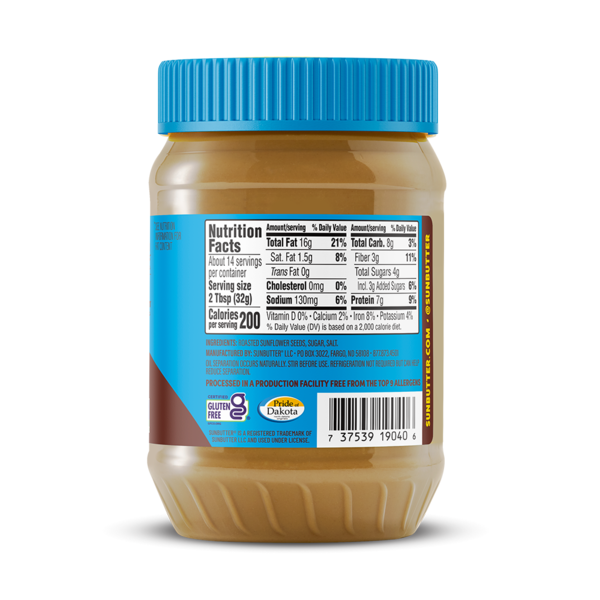
Do you find yourself wondering if your sunflower seed butter needs a spot in the refrigerator? You’re not alone.
Many people are unsure about the best way to store this delicious and nutritious spread. Proper storage is key to maintaining its flavor and freshness, but opinions seem to vary. We’ll dive into the facts and dispel any confusion. Get ready to discover the simple truth that will help you enjoy your sunflower seed butter to the fullest.
Keep reading to ensure every spoonful remains as tasty as the first!
Storage Basics
Storing sunflower seed butter properly helps keep it fresh and tasty. Understanding basic storage rules can prevent spoilage and maintain flavor. The key factors include temperature, exposure to air, and moisture. These affect the texture and safety of the butter.
Shelf Life At Room Temperature
Sunflower seed butter can last several weeks outside the fridge. Keep it in a cool, dry place away from direct sunlight. A pantry or cupboard works well. Make sure the lid is tightly closed to avoid air contact. This prevents the butter from drying out or going rancid quickly.
Impact Of Heat And Humidity
High heat and moisture speed up spoilage. Warm temperatures can cause oil separation and a change in taste. Humid air promotes mold growth on the surface. Avoid storing sunflower seed butter near stoves or windows. Use airtight containers to block moisture and keep the butter fresh longer.

Credit: www.youtube.com
Refrigeration Benefits
Refrigerating sunflower seed butter offers several benefits that keep it tasty and safe to eat. Cooler temperatures slow down spoilage and help maintain the butter’s texture and flavor. Many people wonder if refrigeration is necessary, but understanding its advantages can help you store sunflower seed butter properly.
Extending Freshness
Storing sunflower seed butter in the fridge extends its shelf life. The cold environment slows bacterial growth and mold development. This keeps the butter fresh for weeks or even months beyond its usual room temperature lifespan. You can enjoy the rich, nutty taste longer without worrying about spoilage.
Preventing Oil Separation
Oil separation is common in natural seed butters. Refrigeration helps keep the oil mixed with the solid parts. The cooler temperature thickens the butter, reducing the need to stir it frequently. This means less mess and easier spreading each time you open the jar.
When Refrigeration Is Necessary
Knowing when to refrigerate sunflower seed butter helps keep it fresh and tasty. Storage needs change based on the type of butter and its packaging. Proper care can prevent spoilage and maintain flavor.
Sunflower seed butter varies in ingredients and processing. These differences affect how long it stays good without refrigeration. Understanding these factors guides the best storage choice.
Natural Vs. Processed Varieties
Natural sunflower seed butter contains no preservatives. It usually separates, with oil rising to the top. This type spoils faster at room temperature.
Processed varieties often have added stabilizers and preservatives. These ingredients help keep the butter stable without refrigeration. Processed butters resist spoilage longer.
- Natural butter needs refrigeration to stay fresh after opening.
- Processed butter can last longer without refrigeration, but cooling is safer.
Opened Vs. Unopened Jars
Unopened jars have a sealed environment. They can stay at room temperature until the best-by date. The seal prevents air and bacteria from entering.
Once opened, exposure to air and moisture begins. This speeds up spoilage and can cause rancidity. Refrigeration slows down this process.
- Store unopened jars in a cool, dark place.
- Refrigerate opened jars to extend freshness and prevent mold.
Signs Of Spoilage
Recognizing the signs of spoilage in sunflower seed butter helps keep it safe to eat. Spoiled butter can cause stomach upset or unpleasant taste experiences. Check for clear indicators before using stored sunflower seed butter.
Changes In Smell And Taste
Fresh sunflower seed butter has a mild, nutty aroma. A sour or rancid smell suggests it has gone bad. The taste may also turn bitter or off. Trust your nose and taste buds to spot these changes.
Mold And Texture Changes
Look for any mold spots on the surface or edges. Mold can appear as white, green, or black patches. The texture might become oily, dry, or clumpy. Such changes mean the butter is no longer good.
Tips For Optimal Storage
Proper storage keeps sunflower seed butter fresh and tasty longer. It helps prevent spoilage and maintains the best texture. Follow simple tips to store it safely and enjoy every spoonful.
Choosing The Right Container
Select a container that seals tightly to keep air out. Glass jars with screw-on lids work well. Plastic containers with secure lids can also protect the butter from moisture. Avoid containers that allow light inside, as light can affect flavor. Keep the container clean and dry before adding the butter.
Avoiding Contamination
Use a clean spoon each time you scoop out butter. Avoid dipping fingers or dirty utensils into the container. This prevents bacteria from entering and spoiling the butter. Store the butter away from strong-smelling foods to keep its natural taste. Close the lid tightly after every use to block air and moisture.
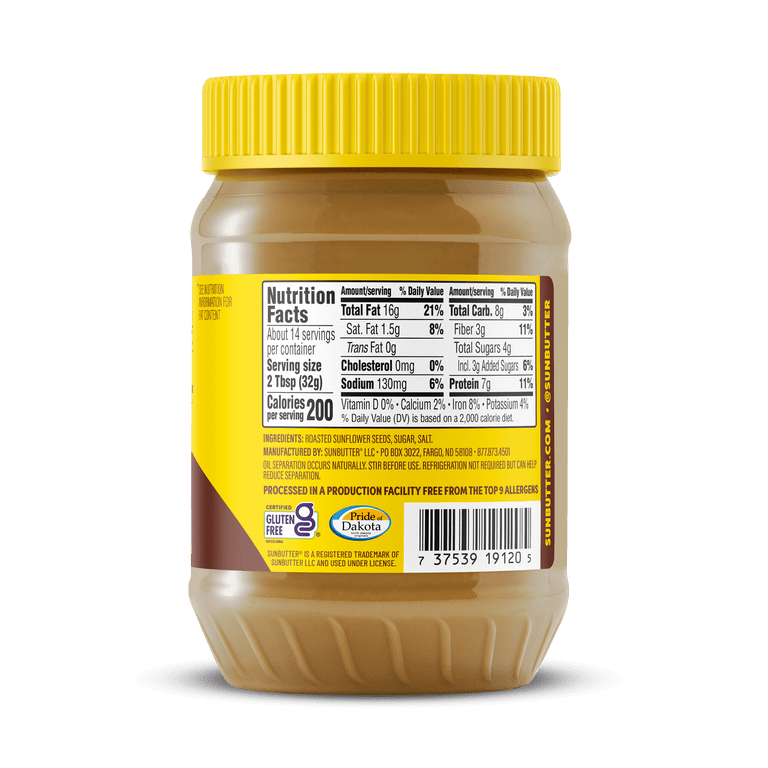
Credit: www.walmart.com

Credit: shop.thefreshmarket.com
Frequently Asked Questions
Does Sunflower Seed Butter Need Refrigeration After Opening?
Yes, refrigerate sunflower seed butter after opening to maintain freshness. It slows oil separation and prevents spoilage. Keep the lid tightly closed to avoid moisture and bacteria.
How Long Does Sunflower Seed Butter Last Unrefrigerated?
Unopened sunflower seed butter can last 3-6 months unrefrigerated. Once opened, it’s best refrigerated and used within 1-2 months for optimal quality and safety.
Can Refrigeration Affect Sunflower Seed Butter Texture?
Refrigeration may thicken sunflower seed butter, making it harder to spread. Let it sit at room temperature briefly before use to soften and improve spreadability.
Is Refrigeration Necessary For Natural Sunflower Seed Butter?
Natural sunflower seed butter, without preservatives, should be refrigerated after opening. This prevents oil separation and rancidity, keeping it safe and tasty for longer.
Conclusion
Sunflower seed butter can stay fresh longer in the fridge. Keeping it cold slows down oil separation and spoilage. If you use it quickly, storing at room temperature works too. Always close the lid tightly to keep air out. Check the smell and taste before eating.
Fresh butter tastes nutty and mild. Remember, proper storage keeps your sunflower seed butter safe and tasty. Simple steps make a big difference for freshness. Enjoy your spread without worry.