
You open your Whirlpool refrigerator, eagerly anticipating the cool clink of ice cubes hitting your glass, but instead, you’re met with disappointment. No ice.
It’s frustrating, isn’t it? You rely on your refrigerator to make life a little easier, especially when hosting gatherings or cooling down on a hot day. But why isn’t it working? In this blog post, you’ll discover the common reasons why your Whirlpool refrigerator might not be making ice and learn simple solutions to fix the problem.
Stay with us, and you’ll soon have your trusty ice maker back in action, ensuring you’re never caught off guard again.

Credit: www.searshomeservices.com
Common Ice Maker Issues
Ice makers in Whirlpool refrigerators can stop working for several reasons. Knowing common issues helps in quick troubleshooting. Some problems are simple fixes. Others may need professional help. Understanding these issues saves time and money.
Ice Maker Not Receiving Power
Ice makers need power to operate. A loose wire or disconnected plug can cut power. The power switch might be off. Check the outlet and the ice maker’s power connection. A tripped circuit breaker can also stop power flow.
Clogged Water Line
Water lines bring water to the ice maker. Dirt or minerals can block the line. This stops water from reaching the ice tray. Check the line for kinks or damage. Cleaning or replacing the line often solves this problem.
Frozen Water Inlet Valve
The water inlet valve controls water flow. It can freeze in cold conditions. Ice blocks the valve and stops water from entering. Thaw the valve carefully to restore water flow. This prevents ice maker stoppage.
Faulty Ice Maker Assembly
The ice maker assembly includes the motor and sensors. A broken part can stop ice production. Look for damaged components or worn parts. Replacing the assembly or parts may be necessary for repair.
Basic Troubleshooting Steps
If your Whirlpool refrigerator stops making ice, don’t panic. Many issues can be fixed with simple checks and small adjustments. Before calling a technician, try these basic troubleshooting steps to identify and resolve the problem yourself.
Check Power And Settings
First, make sure your ice maker is turned on. Sometimes the switch or control arm inside the ice compartment might have been accidentally turned off.
Also, check the refrigerator’s temperature settings. If it’s too warm, the ice maker won’t work properly. Ideally, the freezer should be set between 0°F and 5°F (-18°C to -15°C).
Have you noticed any recent power outages? A sudden loss of power can reset your ice maker’s settings or cause it to stop functioning.
Inspect Water Supply
Your ice maker needs a steady water supply to produce ice. Check if the water line connected to the refrigerator is kinked or blocked.
Look for leaks or damage along the tubing. Even minor clogs or frozen lines can stop water from reaching the ice maker.
Remember to verify the water valve is fully open. If you recently changed your water filter, ensure it’s installed correctly because a clogged filter can restrict water flow.
Reset The Ice Maker
Sometimes the ice maker needs a reset to clear any errors. Locate the reset button, usually inside the ice compartment or on the control panel.
Press and hold the button for about 10 seconds until you hear a chime or see indicator lights flash. This signals the ice maker is restarting.
Have you tried unplugging your refrigerator for a few minutes? A simple power cycle can often resolve minor electronic glitches affecting ice production.
Clean The Ice Maker Components
Dirt, dust, and mineral buildup can block the ice maker’s moving parts. Clean the ice mold, ejector arm, and surrounding areas regularly.
Use a soft cloth and warm water to wipe down these parts. Avoid harsh chemicals that might damage plastic components.
Did you notice ice clumps or frost buildup? Defrosting the freezer manually can help free stuck parts and restore smooth operation.
Fixing Water Supply Problems
If your Whirlpool refrigerator isn’t making ice, water supply problems might be the root cause. The ice maker depends on a steady flow of clean water, so any interruption can stop ice production. Fixing these issues often involves checking water lines, filters, and pressure to ensure everything flows smoothly.
Unclogging Water Lines
Sometimes, mineral buildup or debris can clog the water lines feeding your ice maker. This blockage restricts water flow, preventing ice from forming. You can try flushing the lines with warm water or using a pipe cleaner to gently remove any buildup.
If you notice weak water flow when dispensing water, that’s a strong sign your lines need attention. Don’t ignore strange tastes or smells in your ice—that often points to clogged or dirty lines as well.
Replacing Water Filters
A clogged or expired water filter can severely limit water supply to your ice maker. Filters trap impurities, but over time they become saturated and less effective. Replacing your water filter every six months or according to the manufacturer’s instructions can prevent this problem.
Have you checked your filter lately? A fresh filter not only improves ice quality but also restores proper water flow. It’s a simple fix that many overlook when ice production stops.
Checking Water Pressure
Your refrigerator needs adequate water pressure to fill the ice mold quickly and efficiently. Low water pressure might be caused by a kinked supply line, closed valve, or issues with your home’s plumbing. Use a pressure gauge to test the line or visually inspect for any restrictions.
Consider whether other appliances are using water at the same time—this can reduce pressure to your fridge. Adjusting valves or fixing plumbing issues might be necessary to restore the right pressure for ice making.

Credit: www.sloanappliance.com
Repairing Or Replacing Parts
Repairing or replacing parts in your Whirlpool refrigerator can solve ice-making issues. Identifying the faulty component helps restore ice production quickly. Some parts wear out or stop working over time. Fixing these parts ensures your ice maker runs smoothly again.
Replacing The Water Inlet Valve
The water inlet valve controls water flow to the ice maker. A clogged or broken valve stops water from entering the ice mold. Replace the valve if water does not fill the ice tray. Turn off power and water supply before replacement. Disconnect the old valve and install the new one carefully. Test the valve by running the ice maker after installation.
Fixing The Ice Maker Motor
The ice maker motor powers the ice ejector mechanism. A faulty motor can stop ice from dropping into the bin. Check if the motor runs when the ice maker cycles. Replace the motor if it does not work or makes unusual noises. Use a screwdriver to remove the motor cover and screws. Install the new motor and secure all parts before testing.
Replacing The Ice Mold Thermostat
The ice mold thermostat controls ice freezing temperature. A broken thermostat causes ice to freeze improperly or not at all. Test the thermostat with a multimeter for continuity. If it fails the test, replace the thermostat. Remove the old thermostat carefully from the ice mold. Attach the new thermostat and reconnect all wires securely. Run the ice maker to check if ice forms correctly.
Preventive Maintenance Tips
Preventive maintenance helps keep your Whirlpool refrigerator’s ice maker working well. Regular care reduces the chances of problems. Simple steps can keep ice production smooth. These tips help you avoid common issues and enjoy fresh ice daily.
Regular Cleaning Schedule
Clean the ice maker and freezer regularly. Remove old ice to prevent clumps and blockages. Wipe down surfaces with a mild soap solution. Clean the water filter every six months or as recommended. A clean ice maker runs efficiently and produces better ice.
Avoiding Freezer Overload
Do not overfill the freezer. Too many items block air flow and cause uneven cooling. Keep space around the ice maker clear. Proper air circulation helps ice freeze quickly and evenly. Organize freezer items to maintain good airflow and avoid ice maker issues.
Monitoring Ice Maker Performance
Check the ice maker regularly for any signs of trouble. Listen for unusual sounds or slow ice production. Watch for ice cubes that are too small or misshapen. Replace water filters on time to maintain water flow. Early detection prevents bigger problems and keeps ice making smooth.
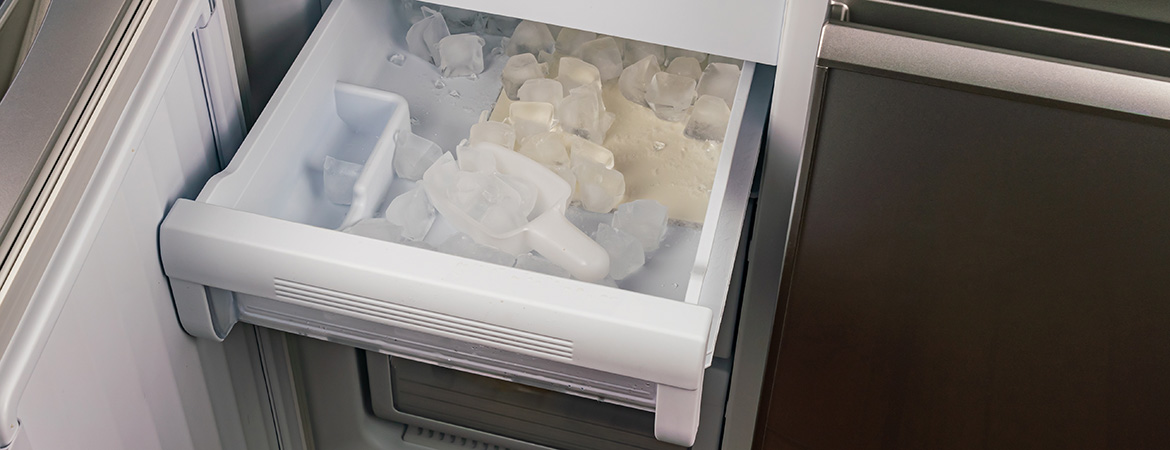
Credit: homewarranty.firstam.com
Frequently Asked Questions
Why Is My Whirlpool Refrigerator Not Producing Ice?
Ice production stops due to water supply issues, frozen water lines, or a faulty ice maker. Check water valve and ensure it’s open. Inspect the ice maker and freezer temperature settings. Defrost any ice blockages.
How Can I Fix A Frozen Ice Maker In Whirlpool Fridge?
Turn off the ice maker and unplug the fridge. Defrost the ice maker using warm water or a hairdryer. Clear any ice buildup in the water line. Restart the ice maker after thawing.
Could Water Filter Cause No Ice In Whirlpool Fridge?
Yes, a clogged or old water filter restricts water flow. Replace the filter every six months to ensure clean water supply. A blocked filter can prevent ice production.
What Temperature Should My Whirlpool Freezer Be For Ice?
Set the freezer temperature between 0°F and 5°F (-18°C to -15°C). Higher or lower temperatures affect ice production. Proper temperature maintains ice maker efficiency.
Conclusion
A Whirlpool refrigerator not making ice can be frustrating. Check the water supply and ice maker switch first. Clean the ice maker and freezer regularly to avoid blockages. Ensure the freezer temperature stays below 10°F (-12°C). Small fixes often solve the problem quickly.
If issues persist, calling a professional helps. Taking these steps keeps your ice flowing smoothly. Ice in your fridge should never be a mystery. Simple care brings steady ice production every day.