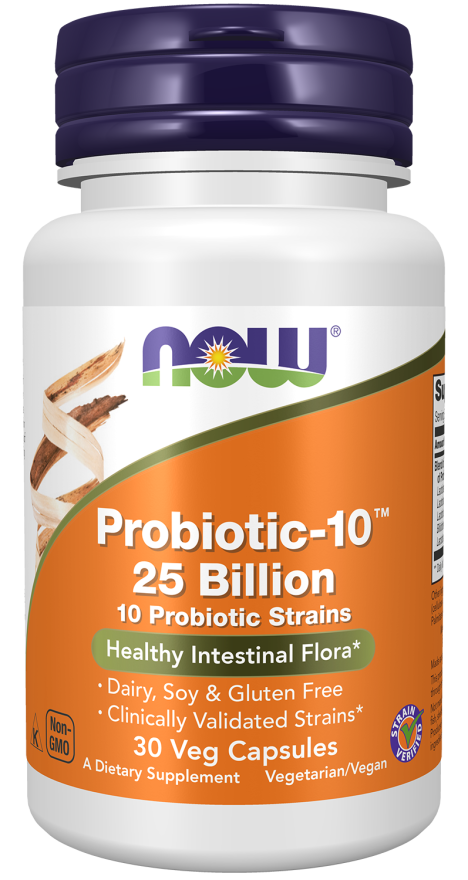
Have you ever stood in the supplement aisle, pondering if non-refrigerated probiotics are actually effective? You’re not alone.
With the rise of probiotic supplements promising to boost gut health and overall well-being, it’s crucial to understand if these shelf-stable versions can live up to their claims. Imagine unlocking the secret to a healthier gut without the hassle of refrigeration.
Intriguing, right? Dive into this article to discover the truth behind non-refrigerated probiotics and find out if they can truly benefit your health. Your journey to clearer understanding and better health starts now.
Probiotics Basics
Understanding probiotics is key to knowing their effects on health. Probiotics are live bacteria and yeasts that help keep your gut healthy. These tiny organisms exist naturally in your body and certain foods. They support digestion and protect against harmful microbes.
Probiotics work best when they reach the intestines alive. This is why storage and handling matter. Some probiotics need refrigeration to stay effective. Others are made to survive without cooling. Knowing the basics helps decide which type suits you.
What Are Probiotics
Probiotics are good bacteria that live in your digestive system. They help balance the microbes in your gut. You get them from fermented foods like yogurt, kimchi, and sauerkraut. Probiotics can also come in supplement form.
These microbes improve digestion by breaking down food. They also help your body absorb nutrients better. Each probiotic strain has unique benefits. Some may boost immunity, while others reduce inflammation.
Role Of Probiotics In Health
Probiotics support your health in several ways. They maintain a healthy balance of gut bacteria. This balance affects digestion, immunity, and overall wellness.
- Help digest food and absorb nutrients
- Protect against harmful bacteria
- Strengthen the immune system
- Reduce symptoms of certain digestive disorders
Probiotics also play a role in mental health. The gut and brain communicate through the gut-brain axis. Healthy gut bacteria may improve mood and reduce stress.
Refrigeration And Probiotics
Probiotics are live bacteria that support gut health. Their effectiveness depends on how well these bacteria stay alive. Storage is a key factor in keeping probiotics potent. Refrigeration plays a major role for many probiotic supplements.
Some probiotics require cold storage to maintain their strength. Others remain stable at room temperature. Understanding the role of refrigeration helps you choose the right product and store it correctly.
Why Some Probiotics Need Refrigeration
Many probiotics contain strains sensitive to heat and moisture. These strains can die if exposed to warm temperatures for long periods. Refrigeration slows down their metabolism and preserves their life.
Probiotics with Lactobacillus and Bifidobacterium strains often need refrigeration. These bacteria are delicate and lose potency quickly outside cold storage. Refrigeration ensures they reach your gut alive and active.
Impact Of Temperature On Probiotic Viability
High temperatures can reduce the number of live bacteria in probiotics. Heat can cause the bacteria to break down or become inactive. This lowers the product’s effectiveness.
Cold temperatures preserve probiotics by slowing bacterial activity. This extends shelf life and keeps the bacteria strong. Non-refrigerated probiotics must use special strains or protective packaging to survive.
- Room temperature storage suits hardy probiotic strains.
- Check product labels for storage instructions.
- Proper storage maximizes probiotic benefits.
Non Refrigerated Probiotics
Non refrigerated probiotics have changed the way many people maintain their gut health. These probiotics do not need to be kept cold, making them easier to store and carry around. But are they as effective as the refrigerated ones? Understanding what makes them stable at room temperature can help you decide if they fit your lifestyle and health needs.
Types Of Shelf-stable Probiotics
There are several kinds of probiotics designed to stay effective without refrigeration. Some common types include:
- Spore-forming probiotics:These contain bacteria that form tough spores, protecting them from heat and stomach acid.
- Freeze-dried probiotics:These go through a drying process that removes moisture, keeping the bacteria alive for longer.
- Probiotics in protective capsules:Special capsules shield the bacteria from moisture and oxygen, improving shelf life.
Have you ever struggled to keep supplements cool during travel? Shelf-stable probiotics might be the answer if you want convenience without losing potency.
Technology Behind Non Refrigerated Formulas
The science behind non refrigerated probiotics involves clever techniques to keep bacteria alive. One key method is microencapsulation, where probiotics get coated with a protective layer.
This layer acts like armor, shielding the bacteria from environmental stress like heat and moisture. Another approach uses special freeze-drying that locks the bacteria in a dormant state, waking them up only once inside your gut.
Think about how these technologies impact your daily routine. Would you prefer a probiotic that survives room temperature or one that demands a fridge? The advanced formulas give you more freedom without sacrificing quality.
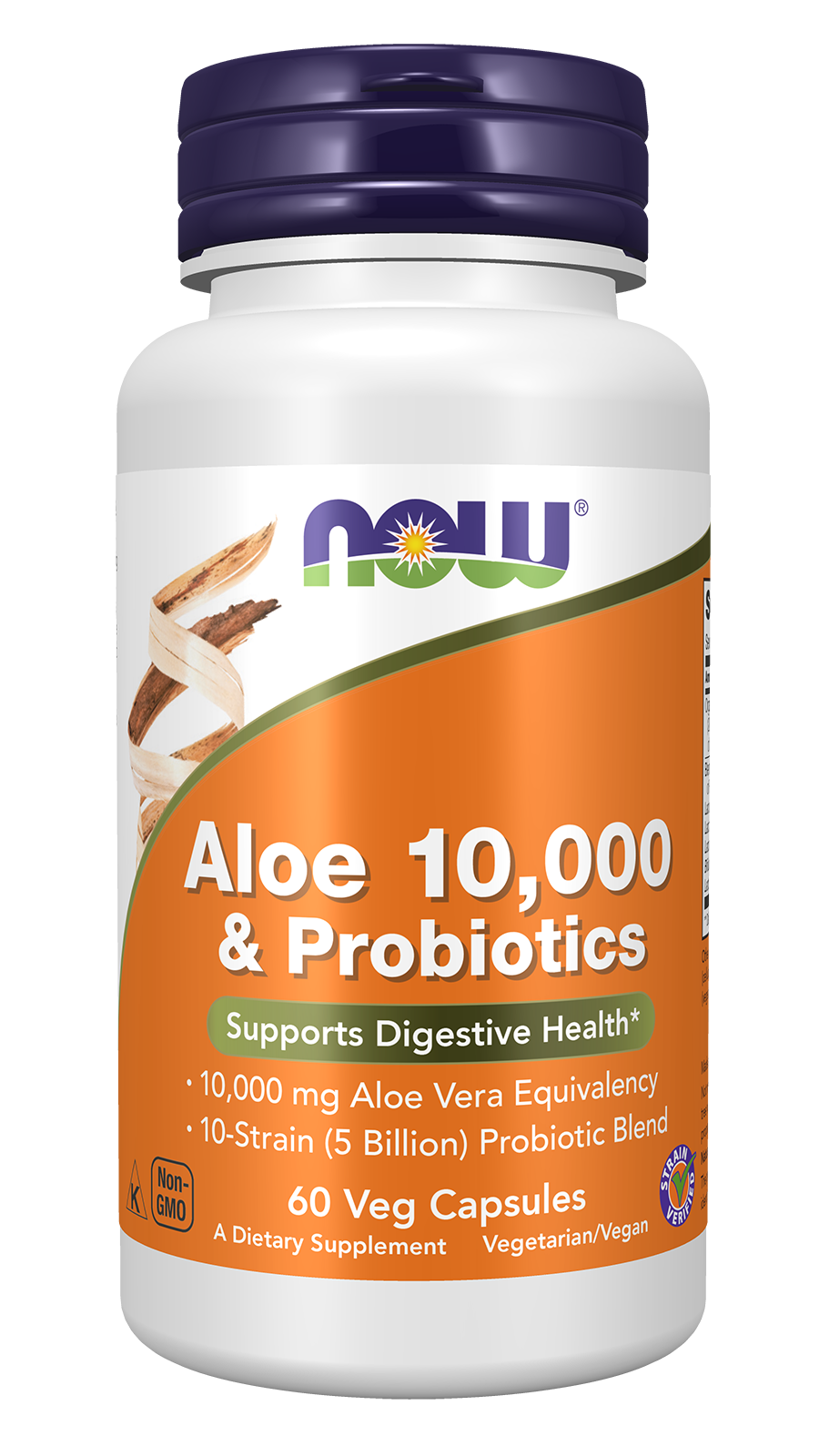
Credit: www.nowfoods.com
Effectiveness Of Non Refrigerated Probiotics
Non refrigerated probiotics offer convenience and longer shelf life without the need for cold storage. Their effectiveness depends on how well these beneficial bacteria survive storage and digestion. Understanding their ability to remain active helps decide if they suit your health needs.
Survivability Through Digestion
Probiotics must survive stomach acid and bile to reach the intestines. Non refrigerated probiotics use special strains or protective coatings to improve survival rates. These methods help bacteria stay alive until they reach the gut.
Some strains naturally resist heat and acid better than others. This makes them suitable for non refrigerated products. Survivability tests show varying success, but many non refrigerated probiotics still deliver beneficial bacteria to the gut.
Clinical Studies And Results
Scientific studies examine how non refrigerated probiotics perform in real people. Some trials show positive effects on digestion, immunity, and gut health. These studies confirm that certain non refrigerated probiotics can be effective.
Study results vary by strain, dosage, and product quality. Some products match refrigerated probiotics in benefits. Others may need higher doses to achieve similar results. Clinical evidence supports the use of well-formulated non refrigerated probiotics for many users.
Choosing The Right Probiotic
Choosing the right probiotic is crucial for health benefits. Not all probiotics work the same way or suit every person. Some need refrigeration, while others are stable at room temperature. Knowing what to look for helps in picking an effective product. Quality, strain type, and storage are key factors to consider.
Label Reading Tips
- Check the probiotic strains listed on the label.
- Look for specific strains backed by research.
- Note the number of live organisms, usually in CFUs.
- See the expiration date to ensure potency.
- Check if the label mentions storage instructions.
- Look for certifications or third-party testing marks.
Storage Recommendations
Proper storage keeps probiotics effective. Some need cold storage to survive. Others are made to stay stable at room temperature. Store probiotics away from heat, light, and moisture. Follow label instructions carefully. Avoid places like bathrooms or kitchens where humidity is high. Use airtight containers if recommended.

Credit: www.amazon.com
Common Myths About Probiotics
Probiotics have become a popular topic in health conversations, but many myths still cloud the truth about their effectiveness. Understanding these misconceptions can help you make better choices about the probiotics you use. Let’s clear up some common misunderstandings that might be holding you back from getting the full benefits.
Refrigeration Guarantees Potency
Many people believe that probiotics must always be refrigerated to stay effective. However, this isn’t true for all probiotic strains. Some are specially formulated to survive without refrigeration.
Manufacturers often use advanced technology to protect these probiotics from heat and moisture. This means you can trust non-refrigerated options to maintain their potency if stored properly. Have you checked the label to see if your probiotic requires refrigeration or not?
All Probiotics Work The Same
Not all probiotics are created equal. Different strains serve different purposes in your body. Just because one probiotic helped someone doesn’t mean it will work the same for you.
For example, some strains support digestion, while others boost immunity or skin health. It’s important to choose a probiotic that fits your specific needs instead of assuming all probiotics offer the same benefits. What health goal do you want your probiotic to help with?

Credit: medium.com
Frequently Asked Questions
Are Non Refrigerated Probiotics As Effective As Refrigerated Ones?
Non refrigerated probiotics can be effective if they use stable strains and proper packaging. Some strains survive well without refrigeration. However, refrigeration often helps maintain potency longer. Always check product quality and storage instructions for best results.
How Do Non Refrigerated Probiotics Maintain Their Potency?
Non refrigerated probiotics use specially selected strains that tolerate heat and moisture. They also employ advanced encapsulation or freeze-drying techniques. These methods protect bacteria during storage and ensure they remain viable until consumption.
Can Non Refrigerated Probiotics Survive Stomach Acid?
Yes, many non refrigerated probiotics are designed to survive stomach acid. Protective coatings or acid-resistant strains help them reach the gut alive. This ensures they deliver their health benefits effectively.
Are Non Refrigerated Probiotics Safe To Consume?
Non refrigerated probiotics are generally safe if produced by reputable brands. They follow strict quality controls and testing. Always purchase from trusted sources to avoid contamination or reduced efficacy.
Conclusion
Non refrigerated probiotics can work well if stored properly. They contain live bacteria that help your gut. Still, their effectiveness depends on the strain and packaging. Some types survive better without cold storage. Always check the label for storage instructions.
Choose a product tested for stability at room temperature. This helps ensure good quality and benefits. Probiotics support digestion and immunity in many people. Keep in mind, not all probiotics are the same. So, pick wisely for best results. Your gut health matters, and probiotics can play a role.