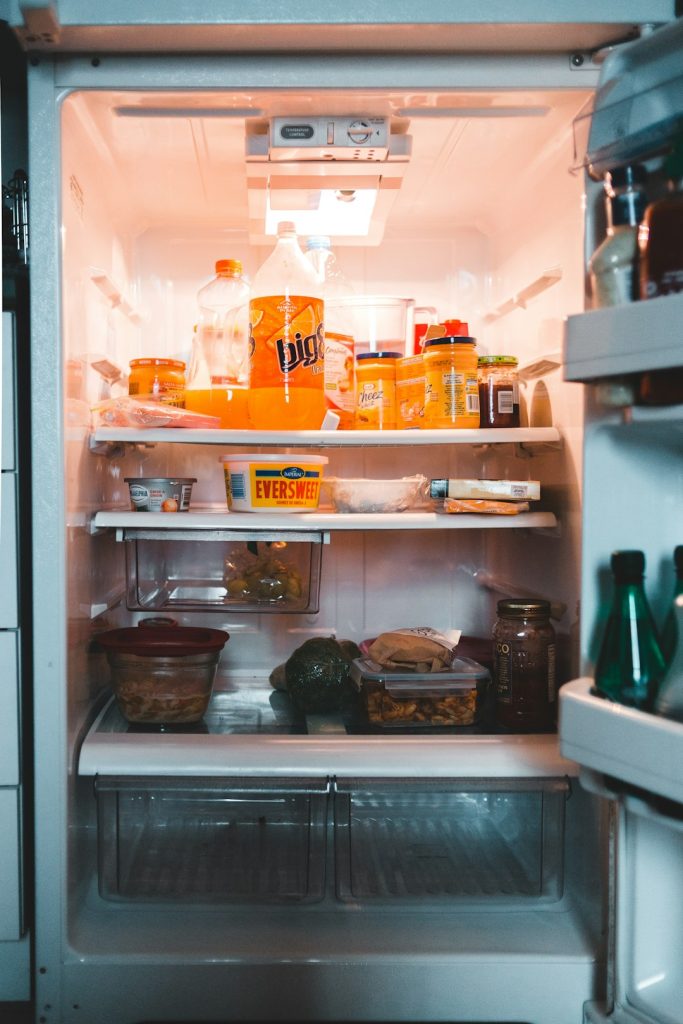
Have you ever found yourself staring at the sticky mess on your refrigerator shelves and wondered if there’s an easier way to clean them? You’re not alone.
Keeping your fridge neat and spotless can feel like an endless chore. The question arises: Can you simply pop those shelves into the dishwasher and let it do the work for you? The mere thought of saving time and energy might sound like a dream come true.
But before you make a move, it’s essential to know if this shortcut could be your new go-to cleaning hack or if it might lead to an unexpected kitchen disaster. Read on to discover the answer and unveil tips that could revolutionize your fridge-cleaning routine.
Dishwasher Safety For Refrigerator Shelves
Knowing whether you can safely put refrigerator shelves in the dishwasher is crucial for maintaining your appliance without causing damage. Not all shelves are created equal, and some materials handle dishwasher heat better than others. Understanding the risks and checking guidelines can save you from costly replacements and frustration.
Materials That Withstand Dishwasher Heat
Glass shelves are often dishwasher safe because they can endure high temperatures without warping or cracking. Tempered glass, in particular, resists heat well and cleans thoroughly in the dishwasher.
Metal racks or shelves with a durable coating usually handle dishwasher cycles without issues. Stainless steel components, for example, can be placed in the dishwasher, but you should avoid harsh detergents that might damage their finish.
Shelves That May Get Damaged
Plastic shelves or parts may warp or become brittle if exposed to the high heat of a dishwasher. Thin plastic or acrylic pieces are especially vulnerable to melting or cracking.
Rubber gaskets or trim attached to shelves can degrade or lose shape when washed in a dishwasher. This damage can compromise the seal and affect your fridge’s cooling efficiency.
Checking Manufacturer Guidelines
Always refer to your refrigerator’s user manual or the manufacturer’s website before loading shelves into your dishwasher. They provide specific advice on which parts are dishwasher safe and any special care instructions.
If you no longer have the manual, many brands offer downloadable versions online. A quick check can prevent you from accidentally ruining a shelf that wasn’t made for dishwasher cleaning.
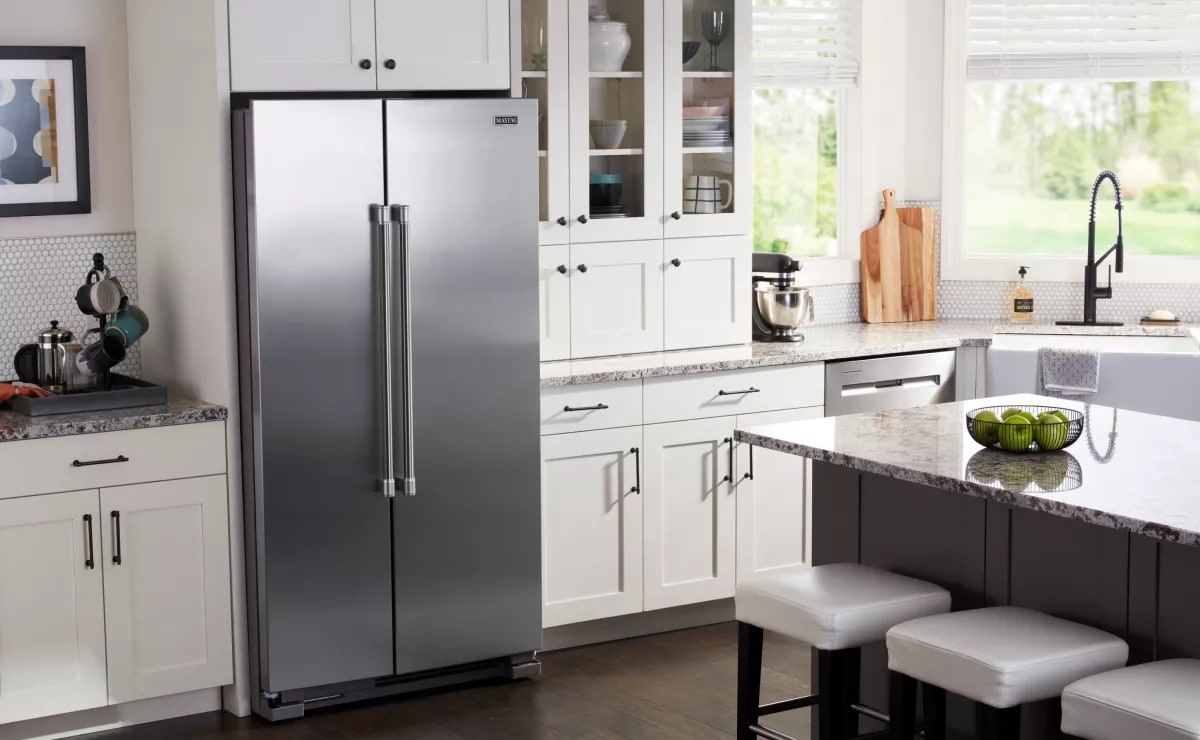
Credit: www.maytag.com
Preparing Shelves For Cleaning
Preparing refrigerator shelves for cleaning is important for a thorough wash. Proper preparation helps protect the shelves and your dishwasher. Take time to get the shelves ready to avoid damage and ensure cleanliness.
Removing Food Residue
Start by clearing any leftover food from the shelves. Use a damp cloth or sponge to wipe away crumbs and spills. This prevents food from clogging the dishwasher filter or redepositing on other items.
Detaching Shelves Properly
Carefully remove shelves from the fridge without forcing them. Check the manual if unsure about how to detach them. Proper removal avoids breaking clips or cracking the shelves.
Avoiding Sharp Edges
Handle shelves carefully to avoid cuts from sharp edges. Wear gloves if needed for protection. Place shelves gently in the dishwasher to prevent chipping or scratching.
Dishwasher Settings For Shelves
Using the dishwasher to clean refrigerator shelves can save time and effort. Proper dishwasher settings protect shelves from damage. The right settings ensure shelves come out clean and intact.
Choosing The Right Cycle
Select a gentle or delicate cycle for refrigerator shelves. These cycles use less water pressure and heat. Avoid heavy or pots-and-pans cycles. They may cause plastic shelves to crack or warp. A normal cycle works if shelves are sturdy and dishwasher-safe.
Optimal Temperature Settings
Use a warm water setting, around 110°F to 120°F (43°C to 49°C). Hot water can melt or deform plastic shelves. Cold water may not clean well enough. Check the shelf material before selecting temperature. Some glass shelves can handle higher heat.
Avoiding Harsh Detergents
Choose mild dishwasher detergents without bleach or strong chemicals. Harsh detergents can damage plastic or rubber parts. Avoid powders that leave residue on shelves. Use liquid or gel detergents designed for delicate items. This keeps shelves clean and safe for food storage.
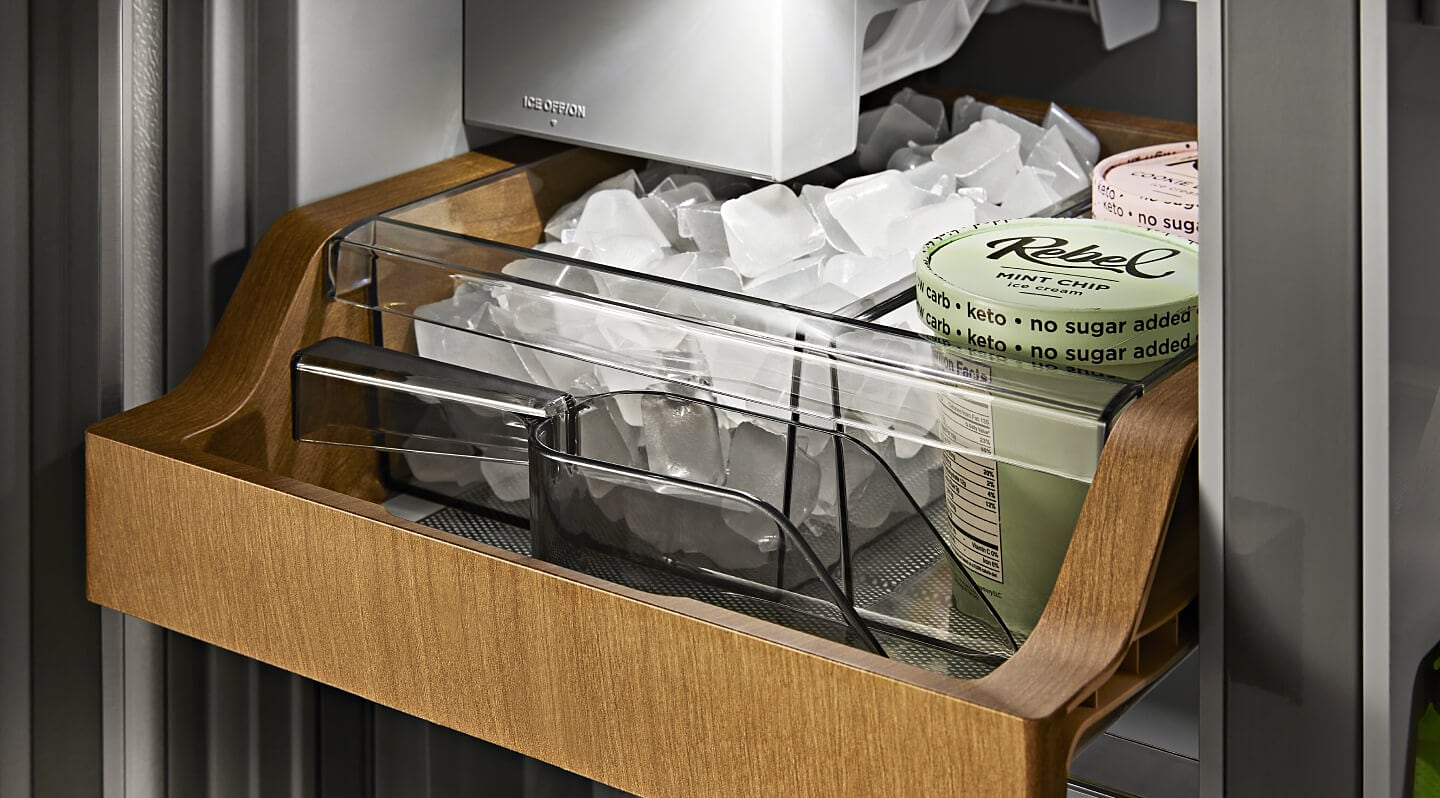
Credit: www.kitchenaid.com
Alternative Cleaning Methods
Cleaning refrigerator shelves without a dishwasher can be simple and effective. Alternative cleaning methods help keep shelves fresh and safe. These options work well for shelves that cannot go in a dishwasher.
Hand Washing Tips
Fill your sink with warm water and mild dish soap. Use a soft sponge or cloth to scrub shelves gently. Avoid harsh scrubbers that can scratch surfaces. Rinse shelves with clean water to remove soap. Dry with a clean towel to prevent water spots.
Using Natural Cleaners
Natural cleaners are safe and easy to make at home. Mix equal parts water and white vinegar in a spray bottle. Spray the mixture on shelves and let it sit for a few minutes. Wipe with a soft cloth to remove stains and odors. Baking soda also works well for tough spots. Make a paste with water, apply, then scrub gently and rinse.
Sanitizing Without A Dishwasher
Sanitize shelves by using a bleach solution. Mix 1 tablespoon of bleach with 1 gallon of water. Wipe shelves with the solution using a cloth or sponge. Let the shelves air dry completely before placing them back. Alternatively, use hydrogen peroxide for a safer option. Spray, wait a few minutes, then wipe clean.
Troubleshooting Common Issues
Troubleshooting common issues with refrigerator shelves after putting them in the dishwasher can save you time and frustration. Not every shelf cleans perfectly the first time, and some may face damage or stubborn grime. Knowing how to handle these problems helps keep your fridge fresh and functional.
Dealing With Stubborn Stains
Sometimes, dishwasher cycles don’t completely remove tough stains like dried spills or sticky residues. To tackle this, try soaking the shelves in warm, soapy water for 15-20 minutes before scrubbing gently with a soft sponge.
A paste made from baking soda and water works well on persistent spots. Apply it, let it sit briefly, then scrub carefully to avoid scratching the surface.
Have you noticed that some stains resist even the strongest dishwasher detergent? This might mean the grime is more baked-on, requiring manual attention.
Handling Warped Or Cracked Shelves
Dishwasher heat can sometimes warp plastic shelves or cause cracks, especially if they are thin or not designed for dishwasher use. If a shelf looks bent or uneven, avoid forcing it back into place, as this can worsen the damage.
Cracks are a sign the shelf may no longer be safe or stable. Check if the shelf still supports weight without bending or breaking further.
Think about how often you run your shelves through the dishwasher. Frequent exposure to high heat might speed up wear and tear.
When To Replace Shelves
Replacement becomes necessary if shelves are severely cracked, warped, or no longer fit securely in the fridge. These issues can compromise safety and cleanliness.
Look for visible signs like missing support clips, deep cracks, or persistent stains that don’t come off. These are clear signals it’s time for a new shelf.
Ordering the right replacement part can be straightforward if you note your refrigerator’s model number and shelf dimensions. Have you checked your fridge’s manual or manufacturer website for compatible parts?
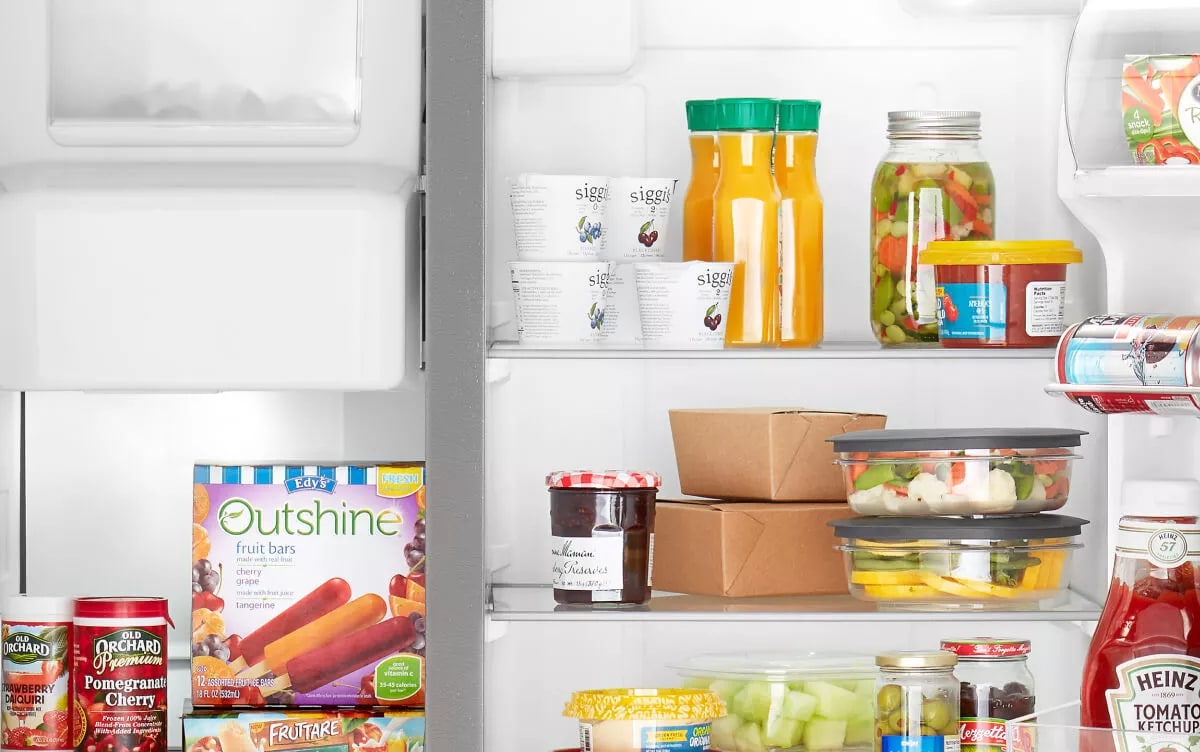
Credit: www.whirlpool.com
Frequently Asked Questions
Can Refrigerator Shelves Be Safely Washed In A Dishwasher?
Most refrigerator shelves are dishwasher safe if made of glass or durable plastic. Check manufacturer instructions first. Avoid high heat settings to prevent warping or damage. Remove metal parts before washing to prevent rusting.
What Materials Of Shelves Are Dishwasher Safe?
Tempered glass and sturdy plastic shelves usually tolerate dishwasher cleaning. Metal shelves or those with metal trim should not go in the dishwasher. Always verify shelf material and manufacturer guidelines before washing.
Will Dishwasher Damage Refrigerator Shelf Seals Or Gaskets?
Dishwasher heat and detergents can degrade rubber seals or gaskets on shelves. It’s best to hand wash parts with seals to maintain their integrity and lifespan.
How To Clean Refrigerator Shelves Without A Dishwasher?
Use warm water, mild soap, and a soft sponge to clean shelves by hand. Avoid abrasive scrubbers that can scratch surfaces. Rinse thoroughly and dry completely before replacing shelves.
Conclusion
Refrigerator shelves can usually go in the dishwasher safely. Check the shelf material and size first. Plastic shelves may melt or warp in hot water. Metal shelves often clean well in a dishwasher. Use a gentle cycle to avoid damage.
Hand washing works best for delicate or large shelves. Clean shelves keep your fridge fresh and hygienic. Take care to avoid scratches or cracks. A clean fridge helps food last longer and stay safe. Simple steps make cleaning easier and quicker.